Best Classic Automatic Watches: The Buyer Checklist We Use for 2026
Disclosure: We may earn a commission when you buy through links on this page, at no extra cost to you. As an Amazon Associate I earn from qualifying purchases. Learn more

Use this buying guide to compare the best classic automatic watches by movement, case size, crystal, water resistance, straps, warranty, and total value.
A classic automatic watch looks simple, yet small choices in movement, size, and finishing decide whether you wear it daily or leave it in a drawer. This guide gives you a clear checklist for judging best classic automatic watches without chasing fashion or vague claims. You will learn what each score means, where money helps, and which warning signs should stop a purchase.
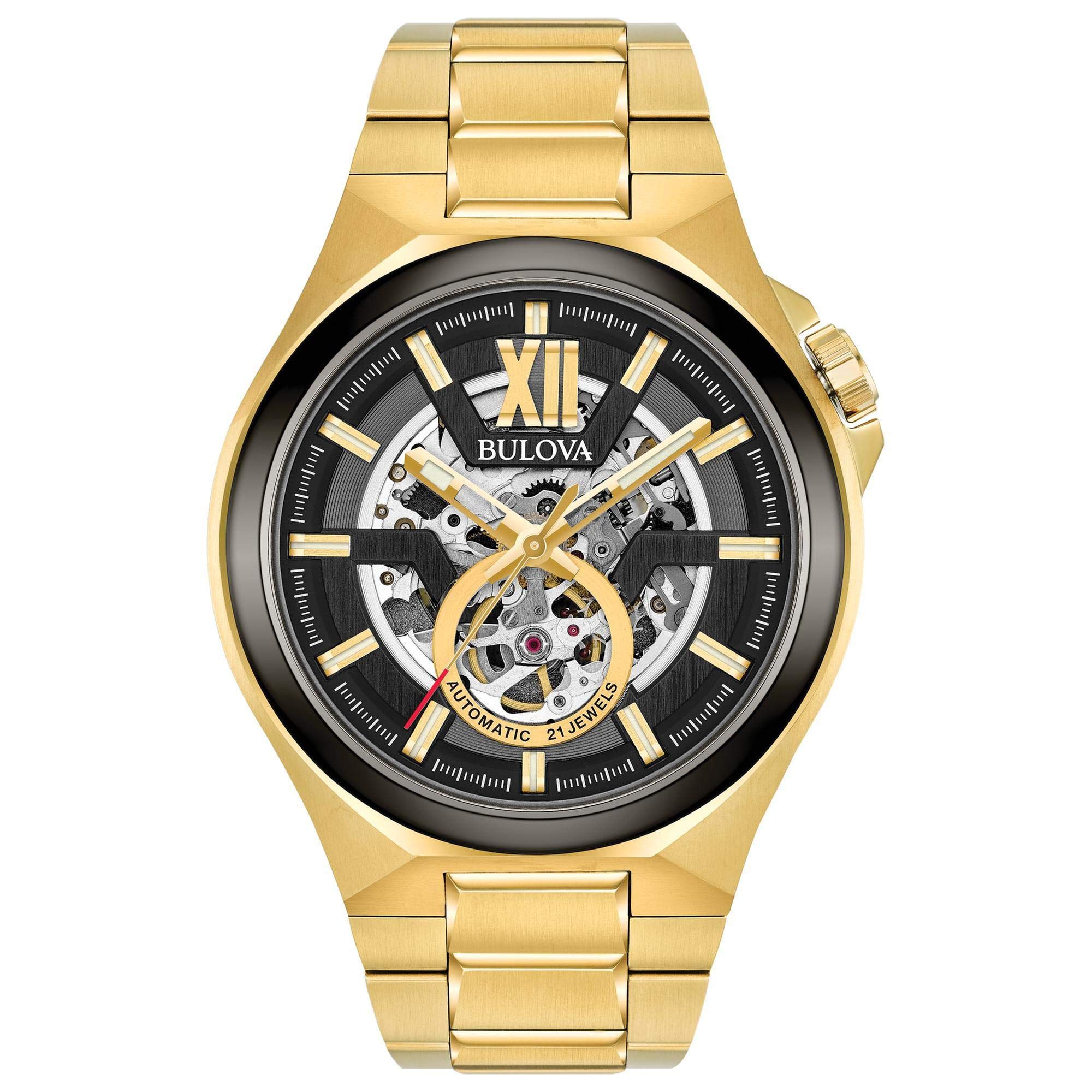
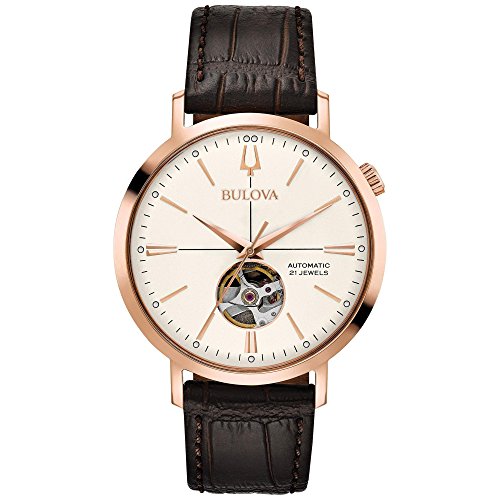
Start with the comparison table below, note two or three models that fit your wrist and budget, then judge them against the criteria that follow. A watch that passes on fit, legibility, and service support will usually serve you better than one bought for a single impressive specification.




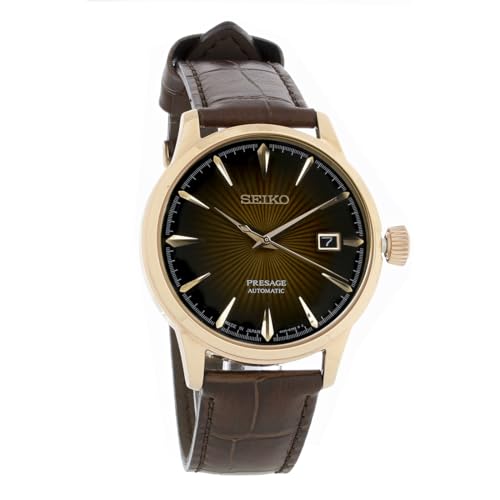


How We Evaluate Classic Automatic Watches
Think of this section as a scorecard. Rate each candidate on movement, water resistance, support, materials, and strap options, then weigh the scores against how you actually live, work, and travel.
Movement Type (Quartz, Automatic, Solar, Smart)
An automatic movement winds from wrist motion and needs no battery, but it is less accurate than quartz and will drift by several seconds a day. Good regulation, a stated accuracy range, and a power reserve of about 38 hours or more earn high marks. Quartz wins on precision and low upkeep, solar removes battery changes, and smart models trade tradition for data, so choose based on the ownership style you want.
Water Resistance Rating
A 30 meter rating means splash protection only, despite what the number suggests. At 50 meters, brief hand washing and light rain are safer, while 100 meters suits swimming for most people. Look for a screw down crown at higher ratings, and remember that seals age, so a watch used in water needs periodic pressure checks. If water use matters, compare broader options in our guide to the best automatic watches before you decide.
Brand Reputation, Warranty, and Value
Strong value comes from clear specifications, spare parts access, and a warranty of at least two years with service centers you can actually reach. Established makers tend to hold value better, but a famous name does not excuse poor finishing or missing service information. Ask who will service the movement in five years, what a routine service costs, and whether the seller is authorized, because support often matters more than a small price gap.
Smart and Fitness Features
A classic automatic watch has no GPS, heart rate sensor, or notifications, and that absence is part of its appeal. Score this category by honesty: the watch should not pretend to track health or guide workouts. If you want activity data, wear a separate tracker or choose a smartwatch for sport and the automatic for daily life. Fitness features on any device support general wellness only and do not replace medical advice or a medical device.
Crystal and Case Materials
Sapphire crystal resists scratches far better than mineral glass and is worth paying for on a watch you plan to keep. Mineral glass costs less and can be fine for occasional wear. For cases, 316L stainless steel is the proven standard, titanium feels lighter on the wrist, and polished surfaces show marks sooner than brushed ones. Check lug edges and crown action in person when you can, because finishing quality shows in the details you touch daily.
Strap and Bracelet Options
Leather suits office wear, metal bracelets handle heat and water better, and fabric straps keep the look relaxed. Standard lug widths and quick release spring bars make changes easy and cheap, which extends the life of one watch across many outfits. A bracelet should have solid links and a clasp with fine adjustment. For a broader view of traditional styling, see our guide to the best classic watches and note which strap styles recur.
What Each Price Tier Should Deliver
Instead of naming favorites, use tiers. Each tier below describes what a watch at that level should reasonably give you, so you can judge any candidate in the product table above on equal terms.
Best Overall Tier
A well rounded watch in the stronger mid range, often about $400 to $900, should offer sapphire crystal, a reliable automatic movement with hacking and hand winding, and 100 meters of water resistance. Finishing should be even, lume should last through the night, and the bracelet or strap should feel secure without sharp edges. This tier fits buyers who want one watch for work, travel, and weekends. Its main limit is that fine details, such as dial texture and case polishing, still sit below luxury level.
Best Value Tier
Value models, often under $300, earn their place by keeping the essentials right: an accurate and serviceable movement, a readable dial, and a case that fits smaller wrists as well as larger ones. Expect mineral glass on some models and simpler bracelets, which are fair trade offs at this level. This tier suits a first automatic watch or a careful gift. If budget is your main filter, our guide to the best affordable automatic watches explains where makers usually cut costs.
Best Premium Tier
Premium classic watches, often about $1,000 and up, should add finer movement decoration, tighter accuracy, better bracelets with solid end links, and stronger resale support. You are paying for finishing, heritage, and service networks more than for basic timekeeping. This tier fits collectors and buyers marking a milestone who plan to keep the watch for decades. The limit is ongoing cost, since servicing a premium movement costs more and may require the maker itself.
Quick Buyer Checklist
- Does the case diameter suit your wrist without the lugs hanging over the edges?
- Is the accuracy range of the movement stated in plain numbers?
- Does the water resistance match your real exposure to water?
- Is the crystal sapphire, or is mineral glass an acceptable trade off for the price?
- Can you change straps easily with standard lugs or quick release bars?
- Is the warranty at least two years, with service you can reach?
- Would you still choose this dial and size if trends changed next year?
Red Flags to Watch For
Walk away when specifications stay vague, such as water resistance with no depth rating or a movement described only as premium Japanese or Swiss style with no caliber name. Be cautious with very short warranties, sellers who cannot confirm authorized status, and listings full of inflated list prices beside permanent deep discounts. Unusual review patterns, many similar comments posted close together, also deserve skepticism. Finally, avoid watches with sealed cases or unusual lug designs that make routine service and strap changes needlessly hard.
Choosing Classic Automatic Watches for Your Situation
Best Classic Automatic Watches under 500: What to Check
When you shop for best classic automatic watches under 500, prioritize movement reliability, sapphire crystal if you can get it, and a versatile case size around 36 to 40 mm. At this level, a simple three hand dial with strong lume beats extra complications that strain quality. Bracelet quality varies widely, so a good leather strap model can be the smarter buy.
Fit also differs by wearer, and sizing advice for men and women overlaps more than marketing suggests. If you are buying for a smaller wrist, lug to lug length matters most, a point covered well in our guide to the best men's automatic watches, which lists compact options and fit notes.
How to Make Your Classic Automatic Watch Last Longer
Have an automatic watch serviced about every 5 to 7 years, or sooner if accuracy changes suddenly or moisture appears under the crystal. Rinse the case with fresh water after saltwater exposure and dry it with a soft cloth. Store the watch away from strong magnets, such as speakers and magnetic clasps, since magnetism is a common and fixable cause of fast running. Wind it gently, wear it regularly, and keep the box and papers for service and resale.
FAQs
Is a smartwatch worth it over a classic watch?
A smartwatch is worth it if notifications, GPS, and health tracking shape your day. A classic automatic watch wins on longevity, style, and freedom from charging and software support limits. Many owners use both for different roles. Choose based on which device you would miss more during a normal week, not on feature count alone.
How water resistant should a watch be?
For daily wear with rain and hand washing, 50 meters is a sensible minimum. Choose 100 meters if you swim, and treat any rating as dependent on intact seals and a properly closed crown. One extra point matters: never use pushers or the crown while the watch is wet, even on higher rated models, because that can let moisture past the seals.
What case size fits my wrist?
Measure your wrist, then compare lug to lug length rather than diameter alone. Many wrists suit 36 to 40 mm cases, while larger wrists can carry 42 mm well. A useful home trick is to cut a paper circle in the case size and lay it on your wrist with room for the lugs on both sides. If the lugs overhang, size down.
Quartz or automatic: which is better?
Quartz is better for accuracy, low cost, and grab and go convenience. Automatic is better if you value mechanical craft, a smooth sweeping seconds hand, and a watch that can run for decades with service. Neither is objectively superior. Your answer depends on whether precision or mechanical character matters more to you, and both can sit in the same collection.
How long does a watch battery last?
An automatic watch has no battery, so this question applies to quartz models, where cells usually last about 2 to 3 years. Battery changes are also a chance to check seals and gaskets. If a seller lists a classic automatic model as battery powered, treat that as a sign to verify the listing carefully, since the movement type may be misdescribed.
The Bottom Line
Judge by fit, movement quality, and service support first, then by crystal and water resistance. Use the product table above to compare candidates against the checklist, and let your wrist and routine make the final call. Chosen with care, the best classic automatic watches reward you with decades of simple, dependable timekeeping.