
Best Clarks Sandals for Plantar Fasciitis for 2026: What Actually Matters Before You Buy
Disclosure: We may earn a commission when you buy through links on this page, at no extra cost to you. As an Amazon Associate I earn from qualifying purchases. Learn more

Use this checklist to judge the best clarks sandals for plantar fasciitis by arch support, heel cushioning, fit, and value before you buy a pair.
Heel pain has a way of turning a simple sandal purchase into a stressful one. Soft, flat sandals can feel kind in the store and still leave the plantar fascia strained by the end of the day. This checklist first guide shows you how to judge the best clarks sandals for plantar fasciitis by support, fit, and build, before you spend anything.
Sandals can support daily comfort, but they do not diagnose or treat a foot condition. Use the comparison table below for a quick view of styles, then work through the criteria that matter for sore heels.


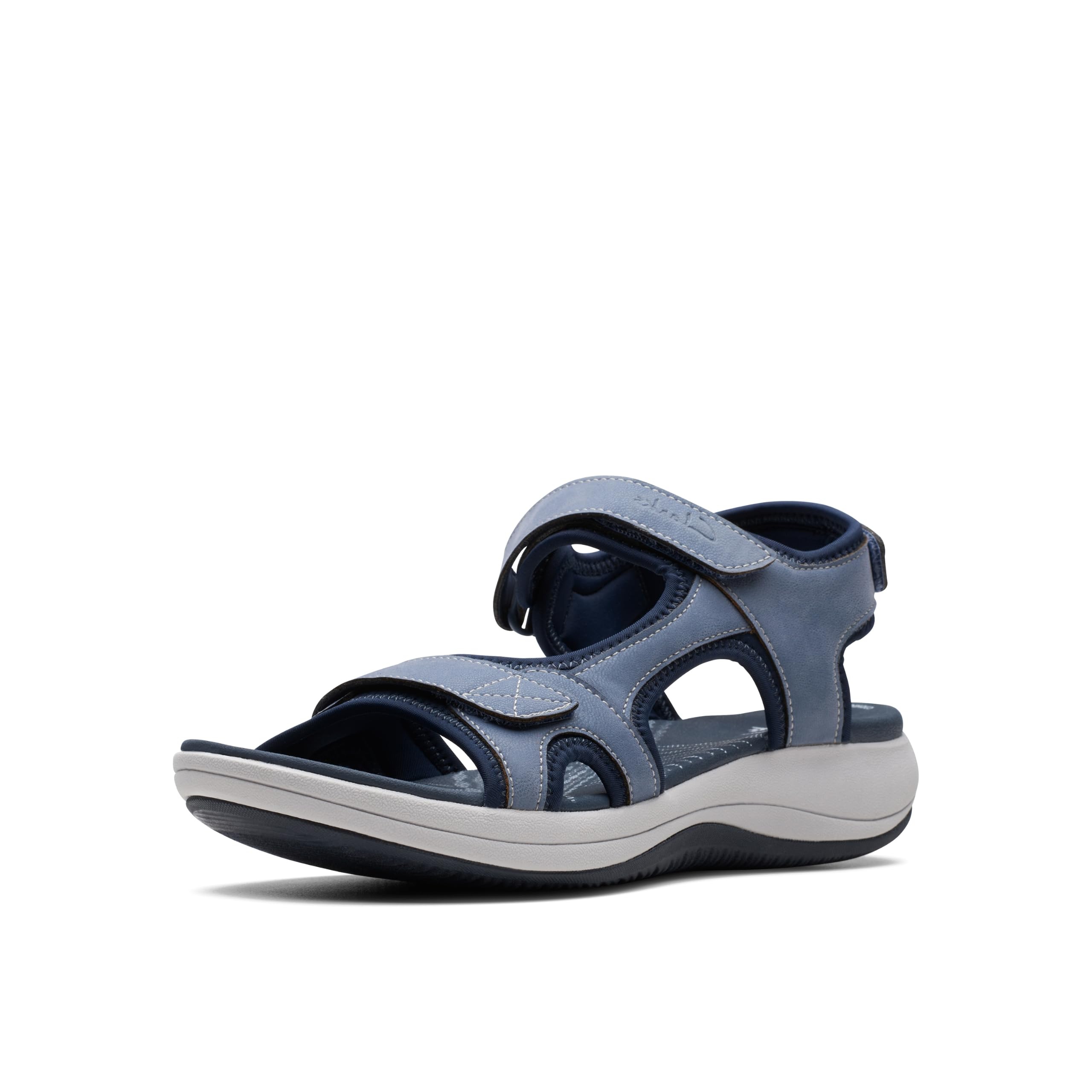
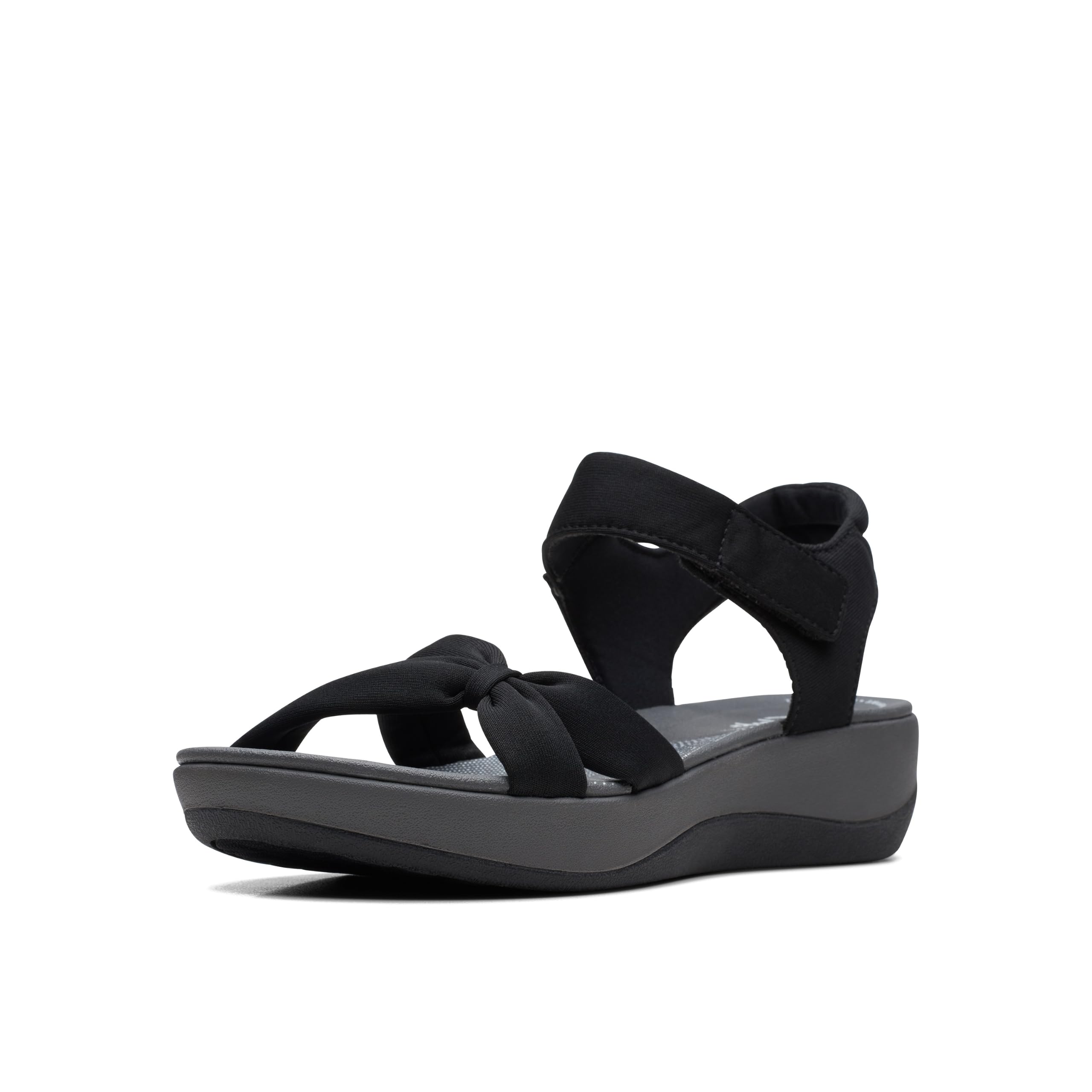


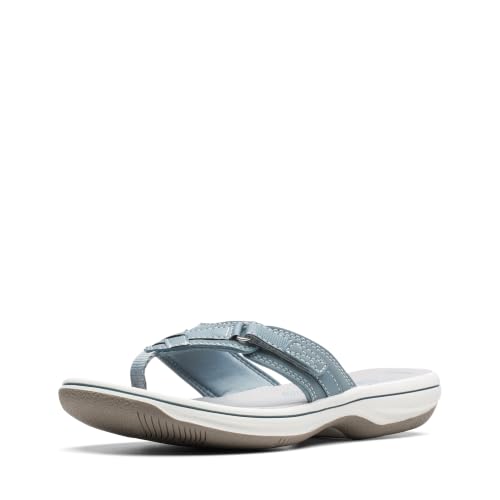

How We Evaluate Clarks Sandals
Features That Matter for Plantar Fasciitis
The plantar fascia is the band of tissue under your foot that supports the arch and absorbs load as you walk. Guidance from foot health professionals such as the American Podiatric Medical Association consistently points to arch support, heel cushioning, and a firm sole as the basics for everyday footwear. For the best clarks sandals for plantar fasciitis, that means a shaped footbed with a real arch contour, a cushioned but stable heel cup, and a sole that does not fold easily in the middle.
Avoid completely flat, thin soles for long wear, no matter how soft the top layer feels. A slight heel to toe drop, often around 8 to 12 mm in supportive footwear, can reduce strain for some people, but comfort varies by foot. Treat any single number as a starting point, and let your own symptoms guide you with professional advice.
Fit, Sizing, and Toe Box
Measure your feet in the afternoon, when swelling peaks, and size for the longer foot. Your heel must sit inside the heel cup, not on its rear edge, because a heel that hangs off the back loses the support the cup is meant to give. Straps should hold the midfoot firmly enough that your toes do not claw to keep the sandal on.
A roomy toe box matters more than many buyers expect. When toes can spread, load spreads across the forefoot instead of concentrating in a narrow area. If you also shop supportive closed shoes, our guide to the best shoes for plantar fasciitis explains the same fit principles for workdays and wet weather. Between sizes, choose the one that keeps the arch contour under your arch, not ahead of it.
Outsole Traction and Terrain
A supportive sandal still needs grip, because a slip forces sudden strain through the foot and leg. Look for a rubber outsole with a clear tread pattern rather than a smooth dress sole. Shallow tread suits pavement and indoor floors, while deeper lugs help on gravel paths, wet grass, and uneven park ground.
Match the sole to your real routes. Mostly smooth surfaces allow a lighter, more flexible sandal. Mixed outdoor ground calls for a stiffer sole that shields the arch area from stones pressing through. If the sole bends sharply right under the arch when you twist it by hand, it is probably too soft for long walks on rough ground.
Waterproofing and Wet Conditions
Most supportive sandals are not waterproof, and chasing waterproofing is rarely the priority for heel pain. What matters more is that straps keep their hold when damp and the footbed does not become slick. Synthetic straps and rubber soles cope with splashes and beach paths better than soft leather, which needs slow drying after a soaking.
If rain is a daily reality for you, rotate a second supportive pair so each one dries fully between wears. Wearing damp, compressed footwear day after day reduces cushioning and support. Let wet sandals air dry away from direct heat, which can crack leather and weaken the bonds that hold the footbed together.
Upper Materials and Breathability
Leather straps look smart and mold to your foot over time, and padded linings reduce rubbing during the longer walks that often aggravate heel pain. Synthetic uppers weigh less, dry faster, and suit vacations and warm climates. Fabric strap linings feel gentle where straps cross sensitive skin near the ankle bones.
Breathability in a sandal mostly comes from open design, so focus on strap placement instead. Straps should not press on the top of the foot hard enough to leave deep marks after a short walk. Adjustable straps at the heel, midfoot, and forefoot give you the most control, letting you loosen the fit as feet swell through a hot day.
Weight and Flexibility
Very heavy sandals tire legs on long days, yet the lightest foam sandals often give the least arch support. Aim for the middle ground: a sandal light enough for all day wear, with a sole that bends at the ball of the foot and resists twisting through the middle. That balance supports the fascia while still letting your foot move in a natural pattern.
Do a simple check in the store or at home. Hold the sandal at both ends and twist gently. Some give is normal, but a sandal that wrings like a cloth is too soft for sore heels during long wear. Then bend it. The fold should happen near the toes, not under the arch where support matters most.
Arch Support and Foot Type
Flat feet, high arches, and overpronation all change which footbed feels right. Flat feet often do well with a moderate arch contour and a firm heel cup that limits inward rolling. High arches often need more cushioning under the heel, since the foot absorbs less shock on its own. If you are unsure of your foot type, a wet footprint check gives a rough idea, but a clinician or fitter can judge it properly.
For women comparing styles across brands, our guide to the best women's sandals for plantar fasciitis covers strap and width points in more detail. Men will find the parallel fit notes in our guide to the best men's sandals for plantar fasciitis. Width matters as much as length, since a footbed that is too narrow lets the arch roll off its inner edge.
What Good Looks Like at Each Level
The Support Standard to Aim For
A strong all round choice combines a contoured footbed, a cushioned yet firm heel, adjustable straps, and a rubber outsole with real tread. Expect to pay around $70 to $110 for this level in a comfort sandal range. The limit at this level is style, since the most supportive designs tend to look sportier than dressier. If a sandal promises strong support but shows a flat footbed in photos, trust the photos.
Where to Save Without Losing Support
Value choices, often around $45 to $70, keep the shaped footbed and heel cushioning but use simpler strap materials and fewer adjustment points. That trade can be fine if the arch contour matches your foot. The main risk is faster foam compression, so value pairs may need replacing sooner with daily use. Save on looks and leather, not on footbed shape, since the footbed is the part your heel actually feels.
Built for Long Days
For long shifts, travel days, and daily dog walks, look for denser midsole foam, reinforced strap anchors, and a thicker outsole, often around $90 to $130. These pairs weigh a bit more, and that is an acceptable trade for support that lasts past midday. If you prefer a backless style for quick wear, our guide to the best slide sandals for plantar fasciitis explains why heel retention matters and when slides are a poor choice for sore heels.
Quick Buyer Checklist
- Does the footbed have a visible arch contour that meets your arch?
- Does your heel sit inside a cushioned heel cup without hanging off the back?
- Do the straps adjust in at least two places and hold without rubbing?
- Is there room for your toes to spread without touching the front edge?
- Does the sole bend at the toes but resist twisting under the arch?
- Is the outsole rubber with tread suited to your usual ground?
- Can you return or exchange the pair after indoor trial wear?
Red Flags to Watch For
- A flat, thin footbed marketed with vague comfort words and no support detail.
- No stated return window, which matters when comfort is hard to judge online.
- Straps fixed at one length, leaving no way to adjust for swelling.
- Reviews that mention the sole splitting or straps pulling out within weeks.
- Claims that a sandal will cure or heal a medical condition.
That last flag matters beyond sandals. No footwear treats plantar fasciitis by itself, and sellers who promise a cure are not being honest with you. For a wider comparison across brands, see our guide to the best sandals for plantar fasciitis, which uses the same support first approach.
Setup and Care Tips
Wear new supportive sandals for short periods first, an hour or two at home, and build up over a week. This lets your feet adjust to the arch contour without a sudden change in load. Air dry wet sandals away from direct heat, clean straps with mild soap, and rotate two supportive pairs if you wear sandals daily. Replace a pair when the heel cushioning stays compressed or the tread smooths out.
Clarks Sandals: Your Questions Answered
What features matter most in clarks sandals for plantar fasciitis?
Arch support, heel cushioning, and a firm sole matter most. A contoured footbed supports the fascia through the day, a stable heel cup centers your heel on the cushioning, and adjustable straps stop your foot sliding. Softness alone is not support. If a sandal feels like a pillow but your arch aches by evening, the footbed shape is wrong for you.
How should clarks sandals fit?
They should fit with your heel inside the cup, your arch resting on the contour, and room for your toes to spread. Straps should feel secure without leaving deep marks after a short walk. Fit them in the afternoon when your feet are largest. If your foot slides forward as you walk, size or strap adjustment needs attention before any long wear.
Are expensive clarks sandals worth it?
They are worth it when the price buys denser cushioning, better strap anchors, and a footbed that keeps its shape for more than one season. Expensive dress styling alone adds nothing for heel pain. Compare the footbed photos and return terms rather than the price tag, and remember that a well fitting mid priced pair beats a costly pair with the wrong arch position.
Do I need waterproof shoes?
Not for heel support alone. You need closed shoes only when weather, work rules, or cold make open sandals impractical. On wet days, choose supportive sandals with synthetic straps and good tread, and let them dry fully afterward. Many people rotate supportive sandals for warm dry days and supportive closed shoes for wet days, which also extends the life of both pairs.
How often should I replace my clarks sandals?
Replace them when support fades, which for daily wear is often after one to two summers. Signs include a footbed that stays flat, heel cushioning that feels hard, smooth tread, or heel pain returning after walks that used to feel fine. Occasional wearers can go longer. Do not push through returning pain to save money, since worn support shifts load back onto the fascia.
How long is the break in period?
Plan on about a week of gradually longer wear. A shaped footbed can feel oddly firm under the arch at first, especially if you are used to flat sandals. Short home sessions let your feet adapt. Pain that sharpens, numbness, or rubbing that breaks skin are not normal break in signs, so stop and reassess the fit rather than pushing on.
Can I wear them all day?
Many people can, once the fit is right and the break in period is done. Long days go better with firmer support, a break to sit and stretch your calves, and a second supportive pair to rotate. If you work on concrete floors, ask a clinician whether an insole or a different shoe type suits your shifts better. Sandals are one tool, not the whole plan.
Wrapping Up
Put arch contour, heel cushioning, and secure fit at the top of your list, and let price and style sort what remains. Seek medical care promptly for warning signs such as pain after an injury, numbness, swelling that does not settle, or heel pain that keeps worsening despite rest, since those need assessment rather than new footwear. When you compare the best clarks sandals for plantar fasciitis in the product table above, use this checklist for every style, and talk with your clinician about your personal needs.


