
Best City Winter Boots for 2026: Every Type Explained Side by Side
Disclosure: We may earn a commission when you buy through links on this page, at no extra cost to you. As an Amazon Associate I earn from qualifying purchases. Learn more

Compare city winter boot types side by side, from insulated waterproof boots to light commuter boots, with fit, traction, warmth, and care guidance for streets.
City winter walking asks for a different kind of boot than trail hiking or deep snow work, because you move between slushy streets, dry shops, heated transit, and icy sidewalks in a single trip. The best city winter boots handle that mix without feeling heavy indoors, leaking at the first puddle, or slipping on a polished sidewalk. This guide explains the comparison table below so you can compare boot types by warmth, waterproofing, traction, and everyday comfort.
The confusion usually comes from labels that sound similar but mean different things. Waterproof, water resistant, insulated, and winter rated do not guarantee the same result, and a tall boot is not always warmer than a shorter one. Focus on how you actually travel, how long you stand outside, and how much walking you do on cleared versus uncleared surfaces.


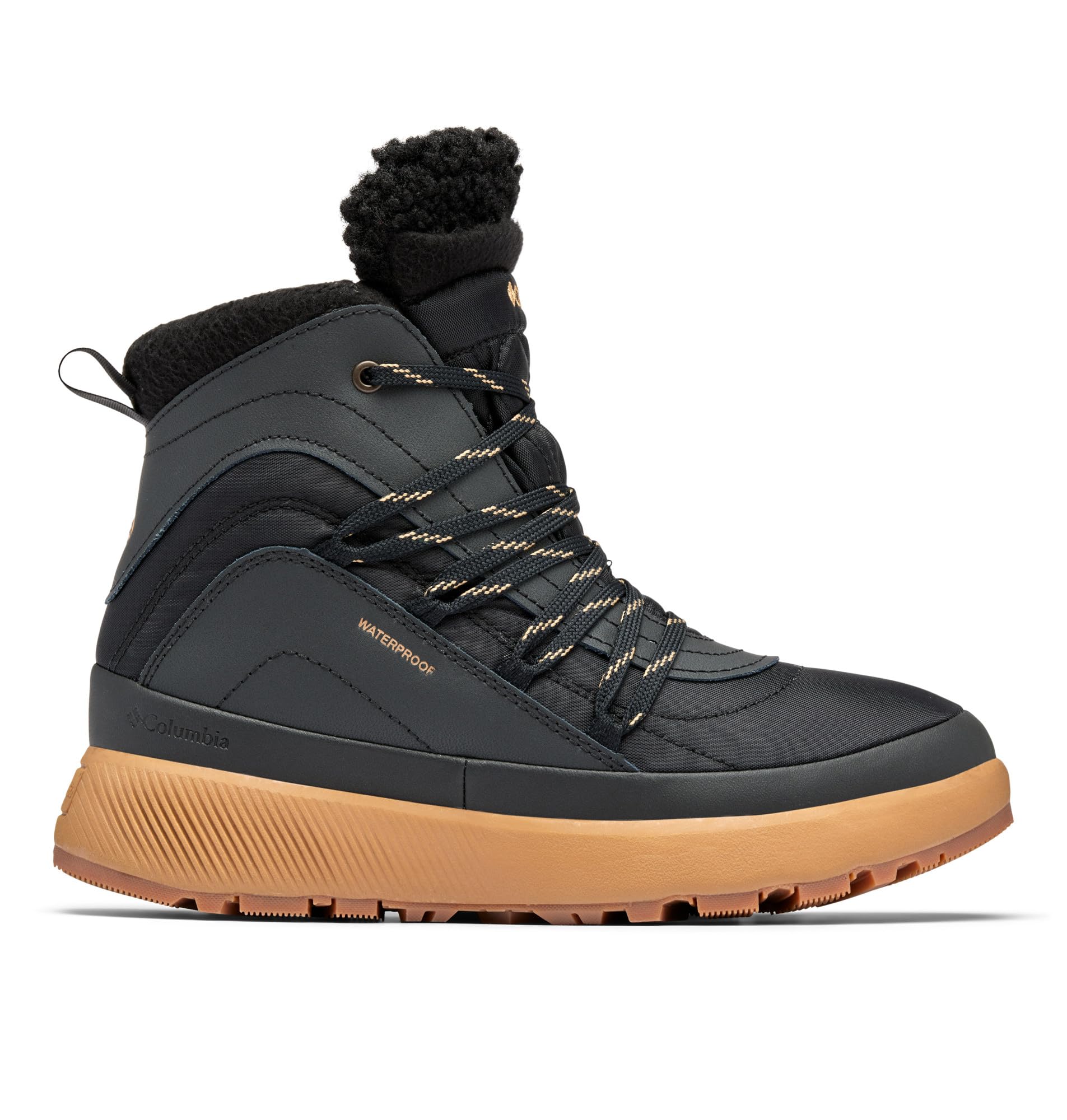
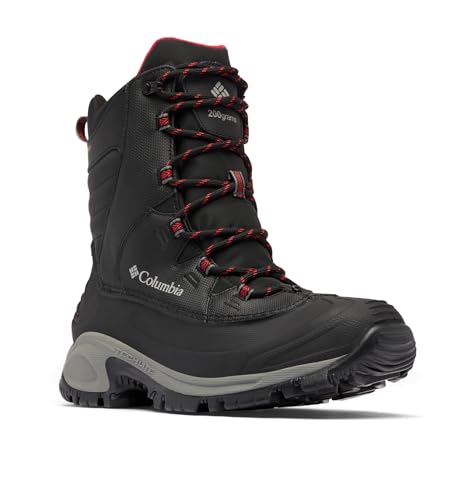


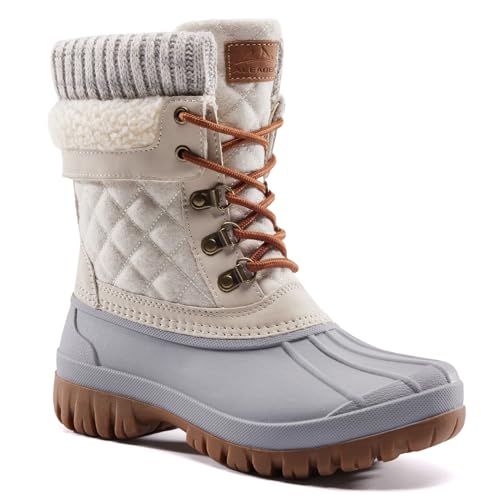



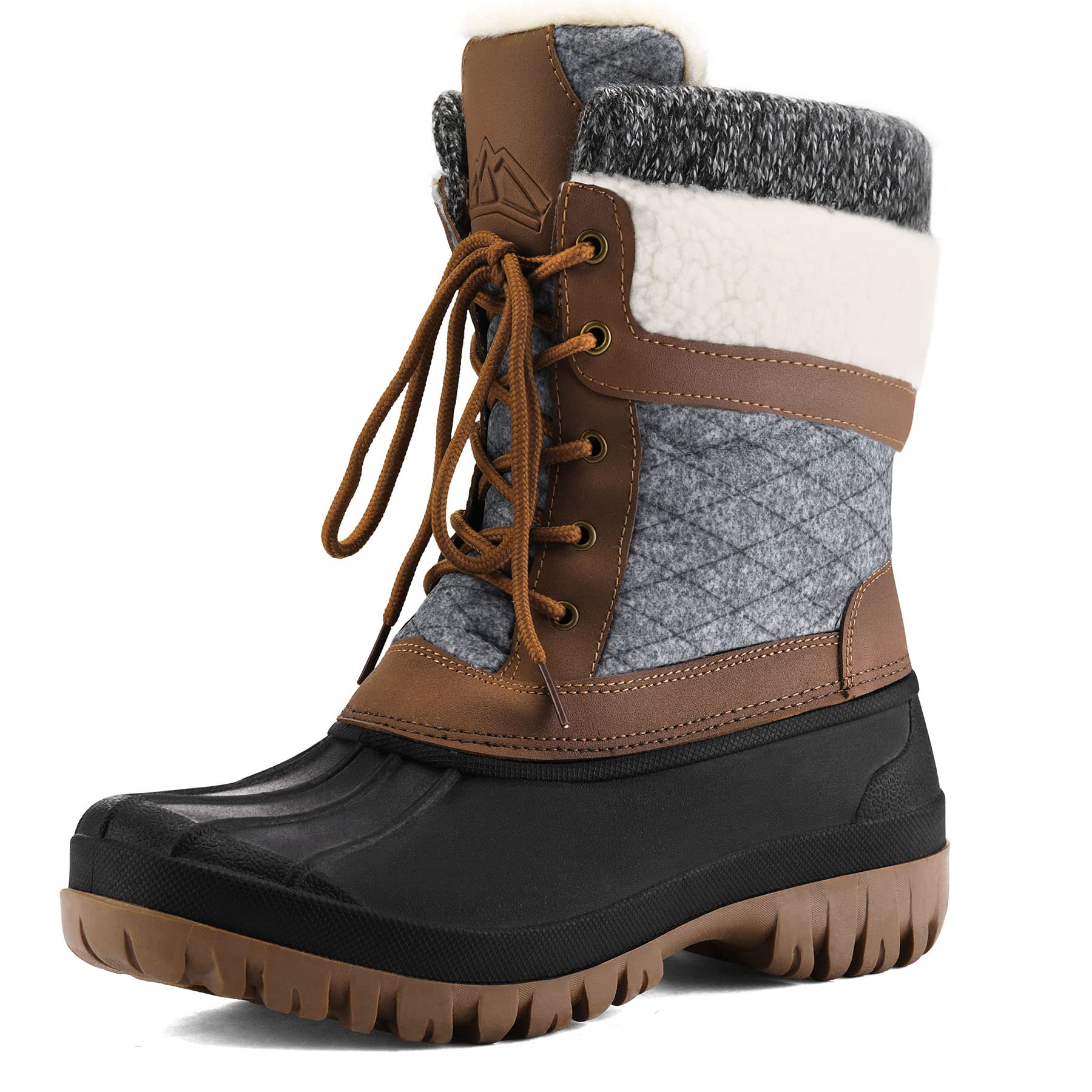
Types of City Winter Boots Compared
The best city winter boots fall into a few broad types, and each one trades warmth, weight, and weather protection in a different way. The table gives a quick overview, and the sections that follow explain who each type suits best. Remember that fit and sole grip matter as much as insulation, because a warm boot that slips or rubs will not serve you well on a long city day.
| Type | Best For | Pros | Cons | Typical Price |
|---|---|---|---|---|
| Insulated waterproof boots | Long walks in snow and slush | Warmth and full weather protection | Heavier and warmer indoors | About $90 to $180 |
| Uninsulated waterproof boots | Mild winters and wet streets | Lighter and easier to wear all day | Needs warm socks in deep cold | About $70 to $140 |
| Everyday insulated boots | Short commutes and errands | Balanced warmth and easy styling | Less grip on rough ice | About $60 to $130 |
| Light commuter boots | Transit and office days | Light, neat, and easy to slip on and off | Less protection in heavy snow | About $50 to $110 |
Insulated Waterproof Boots
Insulated waterproof boots pair a sealed upper with insulation that keeps warmth in during long exposure to cold, snow, and slush. They suit people who walk to work, wait for transit outdoors, or spend extended time on uncleared sidewalks. Their main drawback is bulk, since the same insulation that helps outdoors can feel warm once you step into a heated shop or office, so check the sole lugs and the toe box room as well.
Uninsulated Waterproof Boots
Uninsulated waterproof boots focus on keeping water out while staying lighter and more flexible than a fully insulated boot. They suit mild winters, rainy cold days, and cities where snow melts quickly but puddles and slush remain. Their main drawback is warmth, since they rely on your socks and activity level to keep your feet comfortable in deeper cold, so pair them with a warm sock on colder days.
Everyday Insulated Boots
Everyday insulated boots sit between heavy snow boots and light commuter boots, offering moderate insulation in a shape that still looks at home on city streets. They suit short commutes, school runs, and errands where you want warmth without a bulky hiking look. Their main drawback is traction, since some everyday soles favor smooth city style over deep lugs for ice, so check the outsole pattern closely before buying.
Light Commuter Boots
Light commuter boots favor low weight, easy on and off wear, and a neat look that works at the office. They suit transit riders, people who drive part of the way, and anyone who spends most of the day indoors with only short walks outside. Their main drawback is weather protection, since they usually offer less insulation and less snow coverage than taller winter boots, so keep a warmer pair for storm days.
Insulated Waterproof Boots Versus Light Commuter Boots: Which Should You Choose?
Compare these two types by warmth, weight, weather protection, traction, and indoor comfort. Insulated waterproof boots win on warmth and weather protection, while light commuter boots win on weight and indoor comfort. Traction depends more on the sole than on the type, so compare lug patterns side by side rather than assuming the heavier boot always grips better.
Choose insulated waterproof boots when you walk long distances outdoors, wait outside often, or face frequent snow and slush. Choose light commuter boots when your walks are short, the streets are cleared, and you spend most of the day indoors. If your week includes both kinds of days, many city walkers keep a warmer pair for storm days and a lighter pair for ordinary transit days.
How to Choose the Right City Winter Boot
Weight and Flexibility
Weight matters more on a city day than many buyers expect, because you lift each boot hundreds of times on a long walk. A lighter boot reduces fatigue, while a heavier boot may offer more warmth and structure. Flexibility matters too, since a stiff boot can feel awkward on stairs and in shops, while a very soft boot may offer less ankle support on uneven ice, so judge both by your longest regular walk.
Arch Support and Foot Type
Arch support shapes how comfortable a boot feels over a full day, especially when you walk on hard pavement. People with flat feet often prefer a firmer midsole and a supportive footbed, while people with high arches may prefer more cushioning under the midfoot. Removable insoles are useful here, because they let you swap in a footbed that matches your arch, and this is general fit and comfort guidance only, with persistent or worsening foot pain checked by a doctor.
Upper Materials and Breathability
Leather uppers offer durability and a classic city look, but they need care to stay water resistant and can feel heavier when wet. Synthetic uppers are often lighter and dry faster, while knit uppers feel soft but usually need a waterproof layer to handle slush. Breathability matters because feet sweat even in cold weather, and trapped moisture can make feet feel cold, so look for a balance that fits your mix of outdoor and indoor time.
Fit, Sizing, and Toe Box
Measure your feet in the afternoon, when they are slightly larger than in the morning, and try boots with the socks you plan to wear in winter. Your toes should have room to wiggle without sliding forward on downhill steps, and the heel should stay in place without lifting with every step. If you fall between sizes, consider the thicker sock you will wear most often before choosing the larger size, and walk indoors on a hard floor first.
Setup and Care Tips
- Replace worn boots when the sole loses grip or the waterproofing no longer holds, rather than waiting for a leak on a storm day.
- Air dry wet boots away from direct heat, since radiators and open flames can damage leather, adhesives, and waterproof membranes.
- Rotate two pairs for daily wear when you can, so each pair dries fully between uses and lasts longer through the season.
- Clean off road salt promptly with a damp cloth, because salt can stain uppers and stiffen leather if it is left to dry.
For boots made for regular city walking, see our guide to the best winter boots for city walking. For the broadest overview, see our guide to the best winter boots. For a women specific option, see our guide to the best women's winter boots for city walking.
Frequently Asked Questions
How should city winter boots fit?
City winter boots should fit with room for your toes to move and for a winter sock, without heel lift or pressure on the ankle bones. Try them on in the afternoon with the socks you will wear most often, and walk on a hard floor to check for pinching at the toes or rubbing at the heel. A boot that feels snug with a thin sock may feel tight in cold weather, so judge fit with your real winter socks in place.
How often should I replace my city winter boots?
Replace city winter boots when the sole loses grip, the waterproofing fails, or the midsole no longer supports your foot, rather than on a fixed calendar schedule. Daily city walkers may reach that point after one or two hard winters, while occasional wearers may get several seasons from the same pair. Check the outsole, the seams, and the heel cushion each fall, and replace boots that show worn lugs or persistent leaks.
Are expensive city winter boots worth it?
Expensive city winter boots are worth it when the higher price buys better waterproofing, a grippier sole, or a fit that stays comfortable over long walks. They are not worth it when a lower priced boot already meets your warmth, traction, and fit needs for your usual routes. Compare boots by sole pattern, upper construction, and fit first, and treat premium materials or styling as extras rather than proof of better winter performance.
How long is the break in period?
Most city winter boots need a few short wears to soften and settle, usually over one to two weeks of regular use. Leather boots may take a little longer than synthetic boots, and boots with stiff ankle support may need more time than soft commuter styles. If pain, numbness, or blisters persist beyond that early period, or if foot pain worsens, the fit may be wrong and persistent pain should be checked by a doctor.
Do I need waterproof shoes?
You need waterproof boots when you regularly walk through slush, puddles, or melting snow, since water resistant boots alone may soak through on those days. You may not need full waterproofing when your walks are short, the streets are cleared, and you can avoid standing water. In that case a water resistant commuter boot with a grippy sole can be enough, provided you keep a waterproof pair ready for storm days.
The Bottom Line
The three criteria that matter most are fit with winter socks, traction on ice and wet pavement, and the right level of waterproofing for your routes. Warmth follows from those choices, because a boot that fits well and keeps water out will feel warmer than a heavily insulated boot that leaks or rubs. Match the boot type to your longest regular walk, not your shortest trip.
Before you order, recheck your size with winter socks, compare sole patterns, and review the product table above for the type that fits your week. The best city winter boots for you are the ones that keep your feet dry, steady, and comfortable from the first icy curb to the last step indoors.


