
Best Citizen Watches of All Time: Matching the Right Model to Your Routine for 2026
Disclosure: We may earn a commission when you buy through links on this page, at no extra cost to you. As an Amazon Associate I earn from qualifying purchases. Learn more

The best citizen watches of all time are the ones that matched a routine for years. Match movement, case size, crystal and water resistance to how you live.
There is no single Citizen watch that suits every wrist, every job, and every budget. A watch that feels perfect for daily office wear may feel wrong for swimming, travel, or weekend work outdoors. When people talk about the best citizen watches of all time, they usually mean watches that matched one clear routine especially well and kept doing so for years.
This guide starts with your routine instead of a ranking. You will match user type to movement, case size, crystal, and water resistance, then use the comparison table below to check which styles fit the short list you build here.
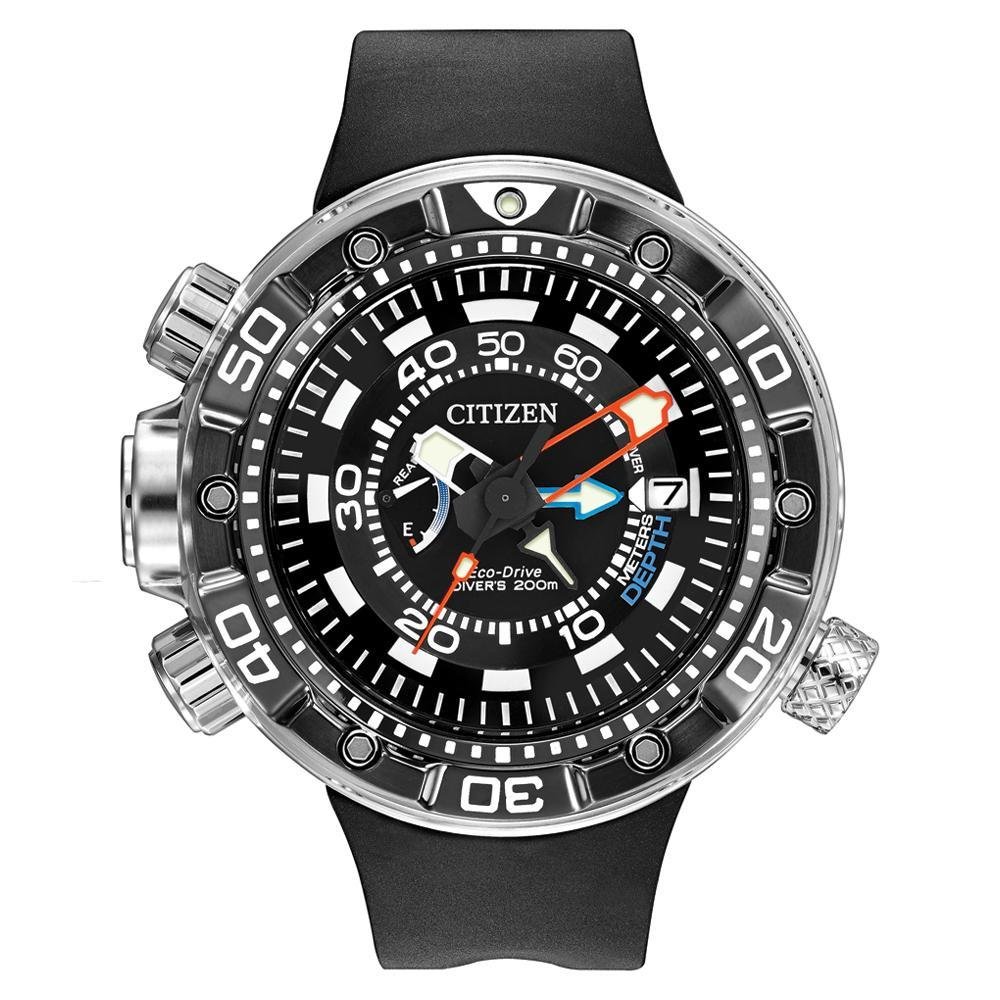


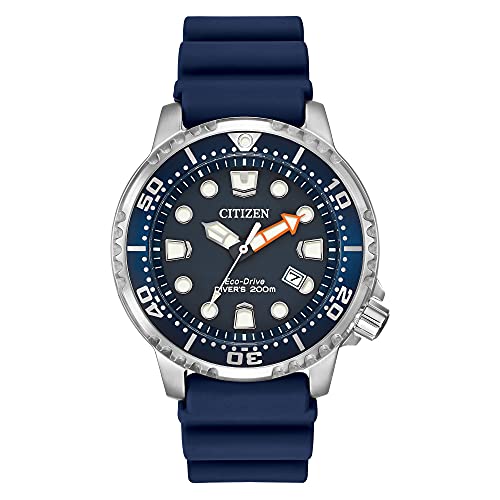


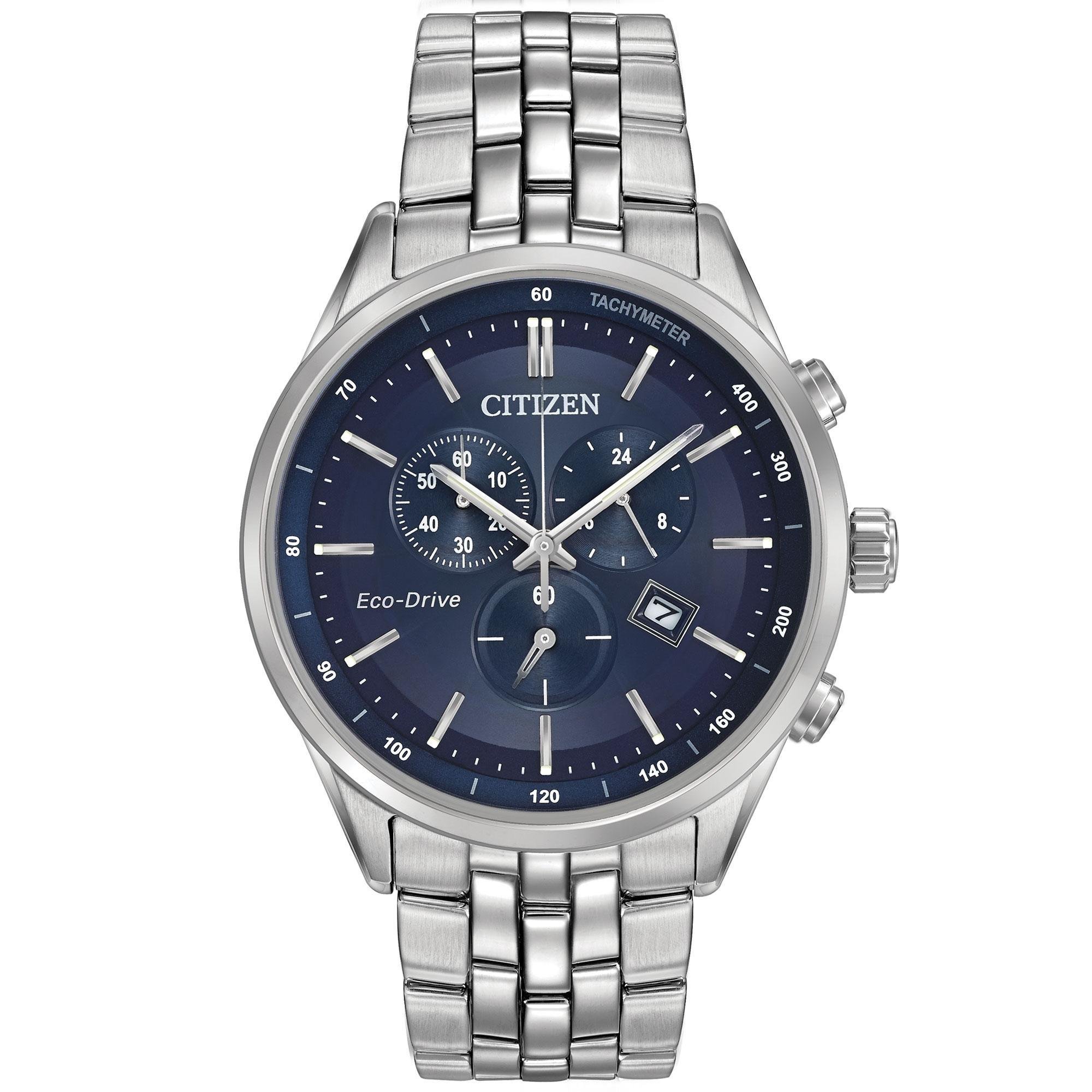
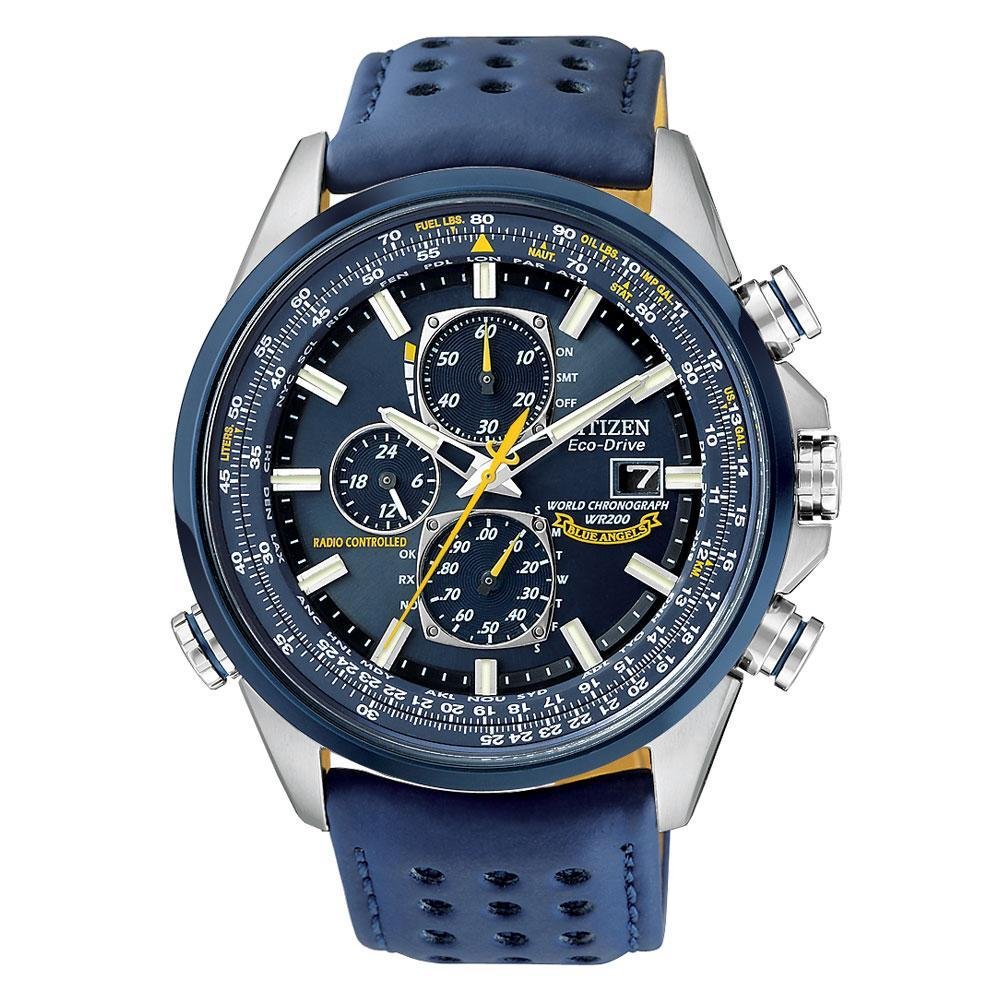

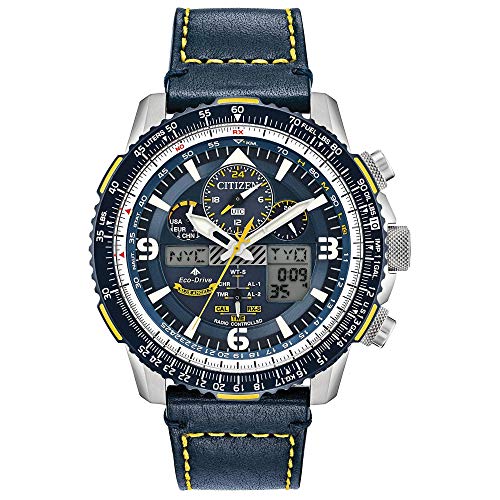
Who Should Buy Which Citizen Watches?
Start by naming your main use, because the best citizen watches of all time for you depend on it. Most buyers fall into one main group below, even if they wear the watch for other tasks as well. Picking your group first stops you paying for features you will never use and helps you protect the features you truly need.
For Value Seekers
Value seekers want a watch that lasts, looks right in many settings, and costs a fair amount for its build. Prioritize a reliable quartz or solar movement, a stainless steel case, and at least 100 meters of water resistance for daily confidence. A simple dial with strong lume and a standard strap size also adds value, because straps are easy and cheap to replace when they wear out.
For Gift Shoppers
Gift shoppers need a watch that feels special without creating sizing or upkeep worries for the recipient. Solar powered models are a smart gift direction because they remove battery changes from daily life and suit almost any routine. Choose a classic dial color, a moderate case size, and a metal bracelet or leather strap that a local shop can adjust quickly. Keep the receipt and warranty card, and confirm the return window before you wrap it.
If you are shopping for someone else and want a narrower starting point, see our guide to the best men's citizen watches for men or explore the best women's citizen watches for women, then return here to check movement and sizing against the recipient routine.
For People Who Want the Best Performance
Performance buyers should focus on accuracy, case material, and crystal quality rather than extra dial decoration. Titanium cases cut weight for all day wear, sapphire crystal resists scratches far better than mineral glass, and higher water resistance supports swimming and active use. Radio controlled and GPS timekeeping can also earn their cost if you travel often and want the watch to reset itself in a new time zone without manual work.
For First Time Buyers
First time buyers do best with a simple three hand watch, a clear dial, and a case between about 38 and 42 mm for most wrists. Avoid busy dials with many subdials until you know you will use them, because clutter hurts legibility and adds cost. A quartz or solar movement keeps ownership simple, needs little attention, and lets you learn what size and strap style you actually enjoy wearing each day.
Key Features to Compare
Once your user group is clear, compare the features below in order. Movement decides daily upkeep, legibility decides how fast you can read the time, and materials and water resistance decide how hard you can use the watch without worry.
Movement Type
Quartz movements run on a battery, stay very accurate, and cost less to buy and service. Automatic movements are mechanical, wind from wrist motion, and appeal to buyers who enjoy traditional watchmaking, but they need regular wear and periodic service. Solar powered Citizen movements charge from light and remove routine battery changes, which suits busy owners. Smart and GPS models add time syncing and extra functions, yet they bring charging habits and software considerations that classic watches avoid.
If the mechanical feel matters most to you, read more in our guide to the best citizen automatic watches and compare that ownership style with solar before you decide.
Legibility and Style
Legibility comes from contrast, hand length, and dial spacing more than from case size alone. Look for hands that reach close to the minute markers, Arabic numerals or bold markers at key hours, and lume that glows after light exposure for night reading. Style should follow your wardrobe. A clean dial on a bracelet suits office wear, while a higher contrast dial on rubber or nylon suits sport and outdoor use without looking out of place.
Crystal and Case Materials
Sapphire crystal is the most scratch resistant common option and makes sense if you work with your hands or plan to keep the watch for many years. Mineral crystal costs less and still suits careful daily wear, though it will show scratches sooner. Stainless steel is durable and easy to refinish, while titanium is lighter and friendly for sensitive skin. Case finish matters too, because polished surfaces show marks faster than brushed surfaces.
Water Resistance Rating
A 30 meter rating means splash resistance only, so keep that watch away from showers and swimming. A 100 meter rating handles swimming and snorkeling in most cases and is the practical minimum for an active daily watch. A 200 meter rating with a screw down crown is the level to want for diving and repeated water use. Remember that seals age, so have water resistance checked during service if you swim often.
For buyers whose week centers on water, see our guide to the best citizen dive watches to understand bezel, crown, and strap choices in more depth.
Common Mistakes to Avoid When Buying Citizen Watches
- Choosing by price alone and ignoring movement type, which decides accuracy, upkeep, and service cost for years.
- Buying a case that is too large or too small for your wrist, then blaming the strap for a fit problem that starts with case diameter and lug to lug length.
- Assuming a low water resistance rating allows swimming, which can let moisture in and damage the movement.
- Ignoring warranty terms and authorized service access, especially when buying a gift or a higher priced model.
- Picking a busy dial for looks in photos and then finding it hard to read at a glance in real light.
One practical point helps here. Measure your wrist with a soft tape, then compare that number with the lug to lug length, not just the case diameter. A watch can share the same diameter as another and wear much larger because its lugs extend farther.
Care and Maintenance Tips
Rinse the watch with fresh water after saltwater exposure, dry it with a soft cloth, and check that the crown is fully pushed in or screwed down before any swim. Store watches away from strong magnets, such as speakers and tablet covers, because magnetism can affect accuracy, especially in mechanical movements. Plan to service automatic watches about every 5 to 7 years, replace seals as advised, and keep solar models exposed to light regularly so the cell stays charged.
Readability can also be a care issue for older wearers. If larger markers and a clear dial would help a family member, see our guide to the best watches for senior citizens for sizing and legibility ideas that apply across brands.
Citizen Watches: Your Questions Answered
How long does a watch battery last?
A standard quartz watch battery often lasts about 2 to 3 years, depending on added functions such as alarms or backlights. Solar models avoid that cycle by charging a cell from light, though the cell can still need replacement after many years. If a quartz watch starts losing time or the second hand jumps in steps, treat that as a prompt to visit a watch shop soon.
Quartz or automatic: which is better?
Neither is better for everyone, because they solve different priorities. Quartz wins on accuracy, low price, and minimal upkeep, which suits a set and forget routine. Automatic wins if you value mechanical craft and the smooth sweep of the second hand and you will wear the watch often enough to keep it wound. Your daily habit, not prestige, should make this call.
What case size fits my wrist?
Most wrists suit a case from about 38 to 42 mm, while smaller wrists often prefer about 36 to 39 mm and larger wrists may prefer about 42 to 45 mm. Check lug to lug length as well, and aim for lugs that sit within the width of your wrist without hanging over the edges. Trying a similar size in person is the fastest way to confirm.
Is a smartwatch worth it over a classic watch?
A smartwatch is worth it if you will use notifications, timers, and health related features daily and you accept regular charging. A classic watch is worth it if you want long service life, simple operation, and a look that does not date as software changes. Many owners keep both and switch by task. Choose based on the features you used last month, not features that only sound appealing today.
How water resistant should a watch be?
Choose at least 100 meters if you swim, shower, or work around water often, because that rating gives a real margin for daily use. A 30 or 50 meter watch suits office and dry daily wear only. If you dive, look for 200 meters, a screw down crown, and a unidirectional bezel. Have seals checked with age, since a rating only holds when gaskets remain in good condition.
Final Thoughts
Match the watch to your routine first, then compare movement, case fit, crystal, and water resistance in that order. That sequence keeps you from paying for decoration while missing a feature you need every day. Use the product table above to compare the best citizen watches of all time against your short list, check the lug to lug length and warranty, and choose the model you will still enjoy wearing five years from now.


