
Best Cinnamon Tablets for Diabetes in 2026: Which Type Is Right for You?
Disclosure: We may earn a commission when you buy through links on this page, at no extra cost to you. As an Amazon Associate I earn from qualifying purchases. Learn more

The best cinnamon tablets for diabetes support compared by type: cassia, Ceylon and extract blends, coumarin, strength, lab checks and safe use.
Cinnamon tablets sit on a crowded shelf, and for a person managing diabetes the differences between them carry real weight. One bottle holds common cassia cinnamon, another holds Ceylon cinnamon with far less coumarin, and a third blends cinnamon extract with chromium and other ingredients, all at very different strengths. This guide compares each type clearly so you can discuss the best cinnamon tablets for diabetes management support with your clinician and choose with your eyes open.
One point comes before all others. Cinnamon is a supplement, not a diabetes treatment, and no tablet replaces prescribed medicine, glucose monitoring or medical care. Use the comparison table below to compare types and prices, then read the safety sections carefully before you buy anything.

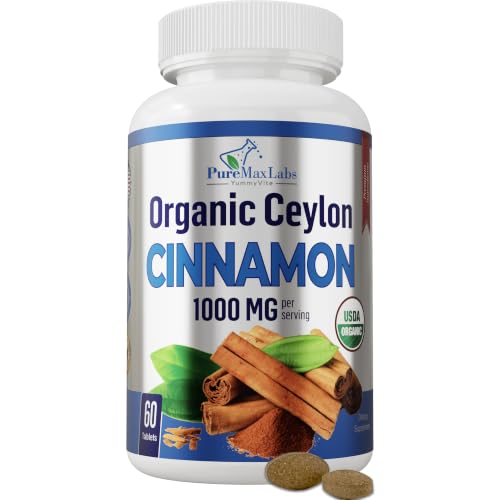


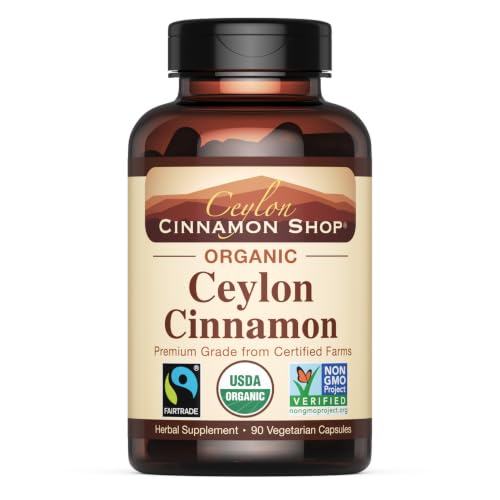

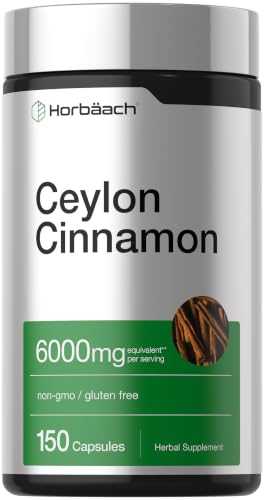
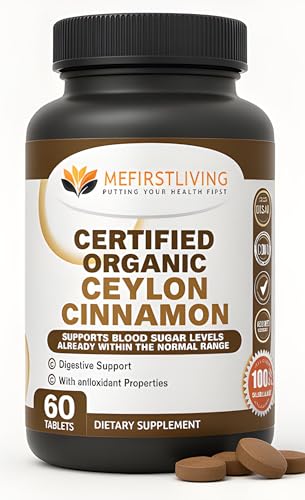

How Cinnamon Tablet Types Compare
The type of cinnamon inside the tablet is the single biggest difference between products. It decides the coumarin level, which matters for your liver, and it shapes the strength you can take daily with confidence. Typical prices run from about $10 to $30 for a one month supply, with Ceylon products at the higher end because the raw bark costs more. The three types below cover almost everything on the market.
Cassia Cinnamon Tablets
Cassia is the common and strongly flavored cinnamon used in most cooking and most supplements. It is inexpensive and widely available in strengths from a few hundred milligrams to over 1,000 mg per serving. Its drawback is coumarin, a natural compound that can harm the liver in higher amounts over time. Cassia tablets suit short term or lower dose use for people with healthy livers, but they are a poor fit for large daily servings taken for months without medical guidance.
Ceylon Cinnamon Tablets
Ceylon cinnamon, often labeled true cinnamon, contains only trace amounts of coumarin compared with cassia. That profile makes it the usual choice for people who plan daily use alongside a diabetes routine, because the liver concern drops sharply at normal serving sizes. Ceylon costs more and its flavor is milder, which does not matter in tablet form. Check that the label names the species or clearly states Ceylon, since vague labels that just say cinnamon almost always mean cassia.
Cinnamon Extract and Blend Tablets
Extract tablets concentrate compounds from the bark, and labels may state a ratio or a standardized amount of active compounds. Blends add ingredients such as chromium, alpha lipoic acid or bitter melon alongside cinnamon. These formulas can be reasonable, but they make cause and effect impossible to judge and they add interaction questions for your clinician. If you choose a blend, every added ingredient and its amount should be printed plainly, and you should review the whole label with your care team before starting.
Who Should Choose Cinnamon Tablets?
Cinnamon tablets fit adults with type 2 diabetes who already follow a treatment plan and want a supplement their clinician has reviewed and approved as an addition, never as a substitute. They also fit people in a prediabetes range who are working on food and activity habits and want to explore supplements cautiously with medical input. They do not fit children, people who are pregnant, people with liver disease, or anyone tempted to reduce prescribed medicine because a supplement seems to help. People with type 1 diabetes should discuss any supplement with their specialist first, since insulin dosing leaves no room for guesswork.
How to Choose the Best Cinnamon Tablets for Diabetes Support
Cinnamon Type and Coumarin Content
Start by identifying the species on the label. For daily use over months, Ceylon is the safer default because of its very low coumarin content. If you choose cassia, keep the serving modest and tell your clinician, especially if you also eat cassia cinnamon in food often or take medicines processed by the liver.
A transparent maker states the species and the bark amount per serving without hiding behind a proprietary blend. If the species is not stated anywhere on the label or the maker site, treat that silence as your answer and move on.
Strength and Standardized Extracts
Strength appears either as milligrams of bark powder per serving or as an extract amount with a ratio, such as a 10 to 1 extract. Extract numbers look smaller but can equal a larger amount of raw bark, so compare products by asking what one serving delivers in plain terms. More is not automatically better, and very high servings raise both coumarin exposure with cassia and the chance of stomach upset. Choose a moderate serving from a maker that explains its math, and change only one variable at a time in your routine.
Lab Checks and Label Accuracy
Supplements are not approved before sale the way medicines are, so independent lab verification is your protection. Look for third party checks for purity and label accuracy, good manufacturing practice statements, and a lot number with an expiry date. Research on cinnamon and blood sugar is mixed, with modest average effects in some studies and none in others, so distrust any label or listing that promises a specific drop in your glucose or A1C. Honest makers describe general support and leave treatment claims to medicines.
Added Ingredients and Fillers
Read the full ingredient list, not just the headline actives. Blends that add chromium or other minerals change your total daily intake of those nutrients, which matters if you already take a multivitamin. Watch for added sugars or sweeteners in chewable formats, an odd fit for a product chosen with blood sugar in mind.
Tablets should also state allergen information and be free of ingredients you avoid. A short and fully disclosed list beats a long list with hidden amounts every time.
Features That Matter for Diabetes
For diabetes, the features that matter are safety features. Choose a product that lets you start at a low serving and step up only with clinician agreement, because cinnamon may add to the blood sugar lowering effect of medicines such as insulin and sulfonylureas. Keep your glucose monitoring routine unchanged when you start, and log readings and any symptoms like shakiness, sweating or confusion, which can signal low blood sugar. A practical know how habit is to bring the actual bottle to your next appointment so your clinician reviews the exact formula, not a description from memory.
Safe Use and Care Tips
- Never stop, skip or reduce prescribed diabetes medicine because you started a cinnamon supplement, and report any plan to change doses to your clinician first.
- Take tablets with food and water to reduce stomach upset, and store them at room temperature away from moisture and children.
- Monitor your glucose as directed when starting, and treat symptoms of low blood sugar promptly according to your personal care plan.
- Stop the supplement and contact your clinician if you notice yellowing skin, dark urine, unusual fatigue or persistent nausea, which can be liver warning signs.
- Tell every clinician and pharmacist you see that you take cinnamon, including before surgery, since supplements can affect bleeding and glucose control.
- Review the supplement at each regular appointment and stop it if your care team advises, especially if your medicines change.
For a wider look at cinnamon formulas beyond the diabetes context, see our guide to the best cinnamon tablets in general use. Readers comparing companion supplements often also review our guide to the best vitamin c tablets for diabetes to keep their full routine consistent and disclosed to their clinician.
Frequently Asked Questions
What features matter most in cinnamon tablets for diabetes?
The features that matter most are the cinnamon species, a clearly stated serving, low coumarin exposure for daily use, and independent lab verification. Ceylon tablets with a moderate serving and a fully disclosed label give your clinician something concrete to approve. Features like added blends or very high strengths add risk questions without proven extra benefit, so treat them as reasons for caution, not selling points.
Can cinnamon tablets replace diabetes medicine?
No, cinnamon tablets cannot replace diabetes medicine. Studies show mixed and at best modest effects on blood sugar, far smaller and less reliable than prescribed treatment. Stopping or reducing medicine based on a supplement can lead to dangerous high blood sugar and long term complications. Any change to your treatment belongs to your clinician, informed by your A1C and glucose records over time.
Cassia or Ceylon cinnamon tablets: which is safer for daily use?
Ceylon is safer for daily use because it contains only trace coumarin, while cassia can deliver amounts that strain the liver when taken in larger servings for months. Cassia at modest servings is common in food and supplements, but daily tablet routines favor Ceylon. If you have any liver condition, avoid cassia supplements and discuss even Ceylon with your clinician first.
Can cinnamon tablets lower blood sugar too much with my medicines?
Yes, cinnamon may add to the effect of insulin and some oral diabetes medicines, which can push blood sugar too low in some people. Warning signs include shakiness, sweating, fast heartbeat, hunger and confusion. When you start, monitor as your clinician directs, keep fast acting glucose available as advised in your care plan, and report any low readings before adjusting anything yourself.
How long should I take cinnamon tablets before reviewing them?
Review cinnamon tablets with your clinician after about two to three months, ideally alongside your regular A1C check cycle. That window shows whether your overall plan is working without crediting or blaming the supplement for normal variation. Keep a simple log of readings, doses and symptoms to bring along. If there is no clear place for the supplement in your plan, stopping it is a perfectly good outcome.
Who should avoid cinnamon tablets for diabetes?
People with liver disease, people who are pregnant or breastfeeding, children, and anyone whose clinician has not reviewed the idea should avoid cinnamon tablets. Caution also applies if you take medicines that affect the liver or blood sugar, or if you are scheduled for surgery. When in doubt, ask first and buy later. A short conversation costs nothing and can prevent a harmful interaction.
Our Verdict
Choose species first, then lab verification, then serving size. For daily use, a clearly labeled Ceylon tablet at a moderate serving, reviewed by your clinician and monitored alongside your normal glucose checks, is the sensible pattern. Compare options in the product table above with that filter, and remember that the best cinnamon tablets for diabetes support are an addition to real treatment, never a replacement, so talk with your clinician about your personal needs before you start.


