
Best Church Projectors of 2026: Complete Buying Guide
Disclosure: We may earn a commission when you buy through links on this page, at no extra cost to you. As an Amazon Associate I earn from qualifying purchases. Learn more
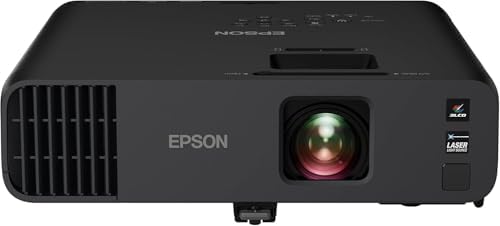
Compare the best church projectors by brightness, throw distance, resolution, and mounting options, with price guidance for small and large sanctuaries.
A projector that looks fine in a dark living room can wash out completely under sanctuary lighting, and lyrics that blur for the back rows push people to stop singing along. The best church projectors are chosen around your room: its size, its windows, and the distance from the mount to the screen. This guide walks through brightness, throw, resolution, and running costs so a volunteer team can buy once and use the unit for years.
Start with the comparison table below to see how brightness classes and price bands line up, then use the sections that follow to match those numbers to your space.
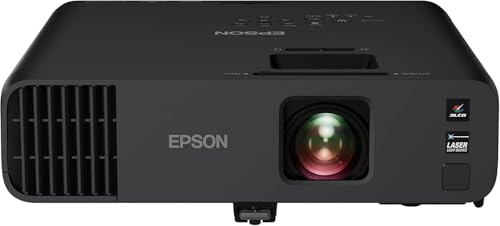
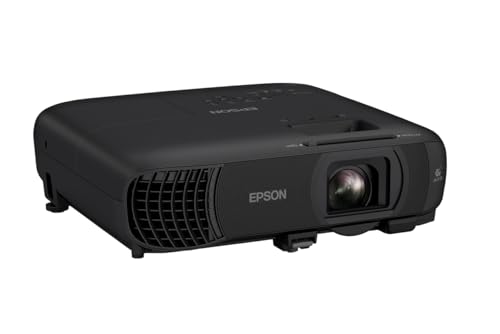


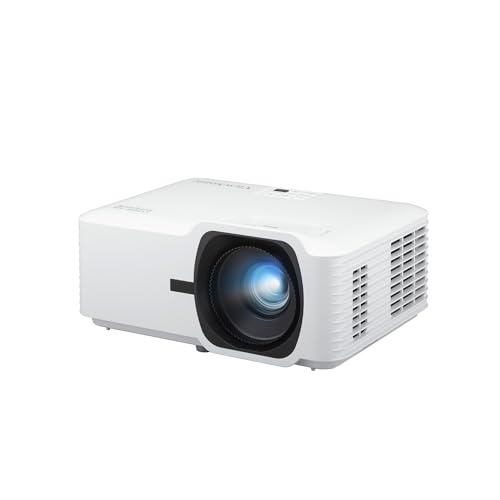


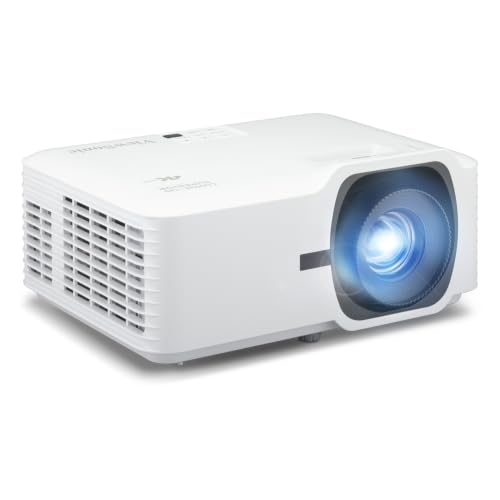
Who Should Buy Which Church Projector?
Small Chapels and Multipurpose Rooms
Rooms seating under about 100 people usually project across 10 to 20 feet onto a modest screen, often with the lights partly up. A mid brightness unit with a standard lens covers this well, and portability matters if the room hosts classes during the week. Buyers comparing dedicated models for tight spaces can also look at the best projectors for small churches, since throw distance, not raw power, is the deciding factor there.
Growing Congregations With Mixed Lighting
Mid sized sanctuaries with windows or bright house lighting need noticeably more brightness, plus a lens that fills the screen from the existing mount position. These buyers benefit most from stepping up a tier rather than buying the cheapest unit that meets the specification sheet. A laser light source also suits this group, because weekly use adds lamp hours faster than most teams expect.
Large Sanctuaries and Fellowship Halls
Big rooms mean long throws, large screens, and text that must stay readable from 60 feet or more. Installation grade models with interchangeable lenses and high brightness earn their cost here. The shared traits in the best quality projectors are bright output, lens shift, and housings built for permanent mounting.
What Your Budget Buys
Entry Models at About $400 to $900
This band covers portable and light installation units suited to classrooms, youth rooms, and small chapels with controlled light. Expect moderate brightness, a fixed lens, and a lamp that needs replacing every few years. For a single small room, this is often all a church needs to spend.
The Working Middle at About $900 to $2,500
Most sanctuaries land here. Brightness climbs enough to hold lyrics against typical house lighting, lenses gain zoom range and some shift, and laser light sources start appearing. Build quality also improves, with better cooling and quieter fans for quiet moments in a service.
Installation Grade at About $2,500 and Up
Large room models add high brightness, interchangeable lenses for odd mount positions, and networking for remote monitoring. The hardware costs more, but so does a lift rental for every lamp change, which is why long life laser units often win on total cost in big rooms.
Key Features to Compare in the Best Church Projectors
Brightness and Room Light
Brightness, rated in lumens, decides whether the image survives your lighting. A dim chapel may need only about 3,000 lumens, while a bright sanctuary with windows can need about 5,000 or more. Bigger screens spread the same light thinner, so screen size and brightness must be planned together. When in doubt, buy brightness headroom, because dimming a bright unit is easy and boosting a dim one is impossible.
Throw Distance and Lens Options
Throw ratio tells you how wide the image gets for each foot between the lens and the screen. Measure your mount position before shopping, since a projector that cannot fill your screen from that spot is the wrong projector at any price. Zoom range and lens shift forgive small measurement errors and let installers square the image without digital keystone correction, which softens text. Rooms with a rear balcony or a low ceiling often need short throw or interchangeable lenses.
Resolution and Text Clarity
Song lyrics, scripture passages, and announcement slides are mostly text, so sharpness at reading distance matters more than movie detail. Full HD resolution suits most sanctuaries, while 4K helps on very large screens where the front rows sit close. Whatever the resolution, check that the native panel matches it, because some budget models accept a 4K signal but display far fewer pixels.
Light Source and Running Costs
Lamp models cost less up front but need a new lamp every few thousand hours, and brightness fades as the lamp ages. Laser and LED units cost more, hold their brightness longer, and often run about 20,000 hours before major service. For a ceiling mounted unit, each avoided lamp change also avoids a lift or tall ladder session. Add filters, lamps, and electricity to the purchase price before comparing two models fairly.
Mounting and Placement Safety
A ceiling mount must be rated for the projector weight and fixed to structure, not just ceiling tile, and a safety cable is cheap insurance. If your team is unsure about mounting or wiring, hire a qualified installer rather than learning on a ladder. Keep every vent clear of dust and decorations, because blocked airflow shortens light source life and can trigger shutdowns mid service. Finally, remind anyone adjusting the unit to never look directly into the lens, since projector light at close range can harm eyes.
Connectivity and Sound
Most churches need at least two HDMI inputs, one for the media computer and one spare for a guest laptop or camera feed. Longer cable runs may need signal extenders, so plan the wiring path before the mount goes up. Built in speakers suit a classroom, but a sanctuary should route audio to the house system instead. Churches that also run video in several rooms may want to compare the best video projectors for churches for models with stronger input and control options.
Types of Church Projectors
Portable Projectors
Portable units move between rooms and store in a closet, which suits classes, youth nights, and off site events. They trade brightness and lens flexibility for low weight and easy setup. A portable makes a smart second unit even for churches that own a fixed sanctuary model.
Standard Installation Projectors
These are the ceiling mounted workhorses of most sanctuaries, with zoom lenses, decent brightness, and mounts that stay put for years. They balance cost, image size, and service access better than any other type. Most mid budget churches should start their search here.
Short Throw Projectors
Short throw models fill a wide screen from just a few feet away, which helps in rooms with low ceilings, ceiling fans, or a choir loft blocking a rear mount. Presenters can also stand near the screen without casting shadows. The same designs overlap with many of the best small projectors, though sanctuary buyers should still check brightness first.
Laser Installation Projectors
Laser models target permanent installs where the unit runs many hours a week and access is difficult. High brightness, stable color, and long service intervals justify the price in large or bright rooms. They are overkill for a small chapel, but the running cost math often favors them everywhere else.
Common Mistakes to Avoid
- Buying by resolution alone, so a sharp image still washes out under house lighting.
- Skipping the throw measurement, then finding the image cannot fill the screen from the mount.
- Mounting where no power outlet or cable path exists, which adds electrician costs later.
- Ignoring fan noise ratings for a room where quiet prayer moments matter.
- Forgetting lamp and filter costs, so the cheaper unit costs more within three years.
- Using heavy digital keystone correction, which blurs the lyrics the congregation reads most.
Care and Maintenance
Clean or replace air filters on the schedule in the manual, since a clogged filter is the most common cause of overheating shutdowns. Keep vents clear and wipe the lens only with a soft microfiber cloth, never household cleaners. Log lamp or laser hours in the media booth so replacements are planned, not discovered on a Sunday morning.
Keep the remote, a spare cable, and the manual together near the unit. Finally, use a surge protector, since one power event can damage the unit.
Frequently Asked Questions
How many lumens does a church projector need?
Most small, dim sanctuaries do well with about 3,000 to 4,000 lumens, while bright rooms with windows often need about 5,000 or more. Screen size matters as much as room light, because a larger image spreads the same brightness thinner. If your congregation reads lyrics from the back row, choose the higher figure.
Is a laser projector worth the higher price for a church?
For a ceiling mounted unit used several times a week, usually yes. Laser models hold brightness for years, skip lamp purchases, and avoid repeated lift rentals for lamp changes. Compare the five year cost of lamps and access, not just the sticker prices.
What screen size works for a church sanctuary?
A common guide is that the farthest viewer should sit no more than about six times the image height away for reading text comfortably. Measure your room depth, then work backward to image height and width. Lyrics use large fonts, so a slightly smaller, brighter image often reads better than a huge dim one. If the room is very long, a second screen or display for the back rows can beat one oversized screen.
Can one projector serve both the sanctuary and outdoor events?
It can, if the unit is portable enough to move and bright enough for the sanctuary, which is the harder room. Outdoor movie nights after dark are forgiving, so a mid brightness model usually handles both jobs. Churches planning regular outdoor use should also review the best projectors for outside for weather and setup notes. Keep a dedicated mount and cables in each location so moving the unit takes minutes.
How long does a church projector last?
The housing and electronics often last a decade or more with clean filters and surge protection. The light source sets the practical timeline: lamps need replacement every few thousand hours, while laser units are commonly rated around 20,000 hours. Heavy weekly use shortens real world life, and heat is the main enemy. A simple hour log helps a church budget for service years ahead instead of facing a surprise failure.
Final Thoughts
Match brightness to your lighting, confirm the throw fills your screen from the real mount position, and count the light source cost over five years. The product table above pulls those figures together so your team can compare the best church projectors for your room without guessing. Measure twice, buy once, and the unit should serve quietly for years.


