Best Church PA Speakers: A Complete Buying Guide for 2026
Disclosure: We may earn a commission when you buy through links on this page, at no extra cost to you. As an Amazon Associate I earn from qualifying purchases. Learn more

Learn how to choose the best church pa speakers for clear speech and music, with guidance on power, coverage, room size, placement and budget.
Clear sound in a church is not about loudness. It is about every person in every seat hearing the spoken word without strain and hearing music with warmth instead of echo and muddle. High ceilings, hard walls and long rooms all work against you, which is why choosing the best church pa speakers starts with your room and your congregation size, not with wattage claims on a box.
Use the comparison table below to see how speaker types differ in power, coverage and price, then work through the guide to match a system to your sanctuary, hall or outdoor gatherings.

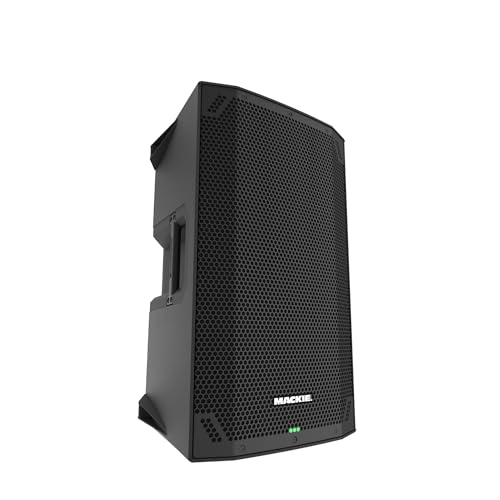




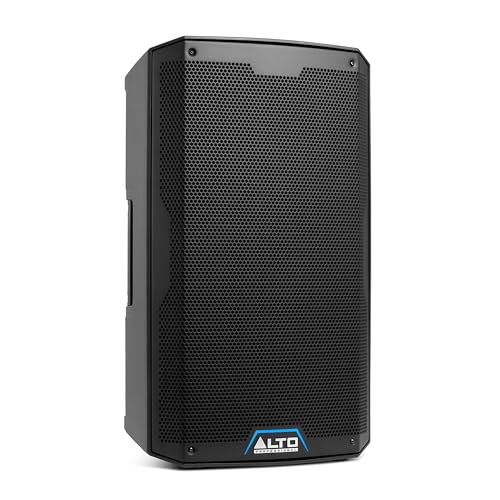

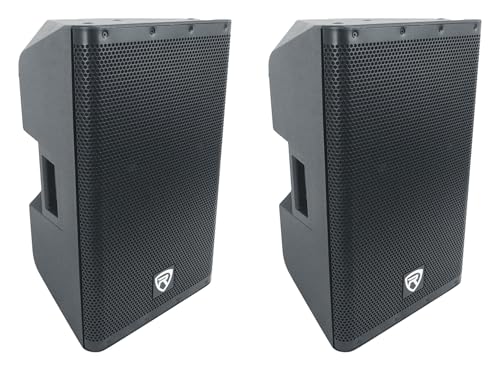
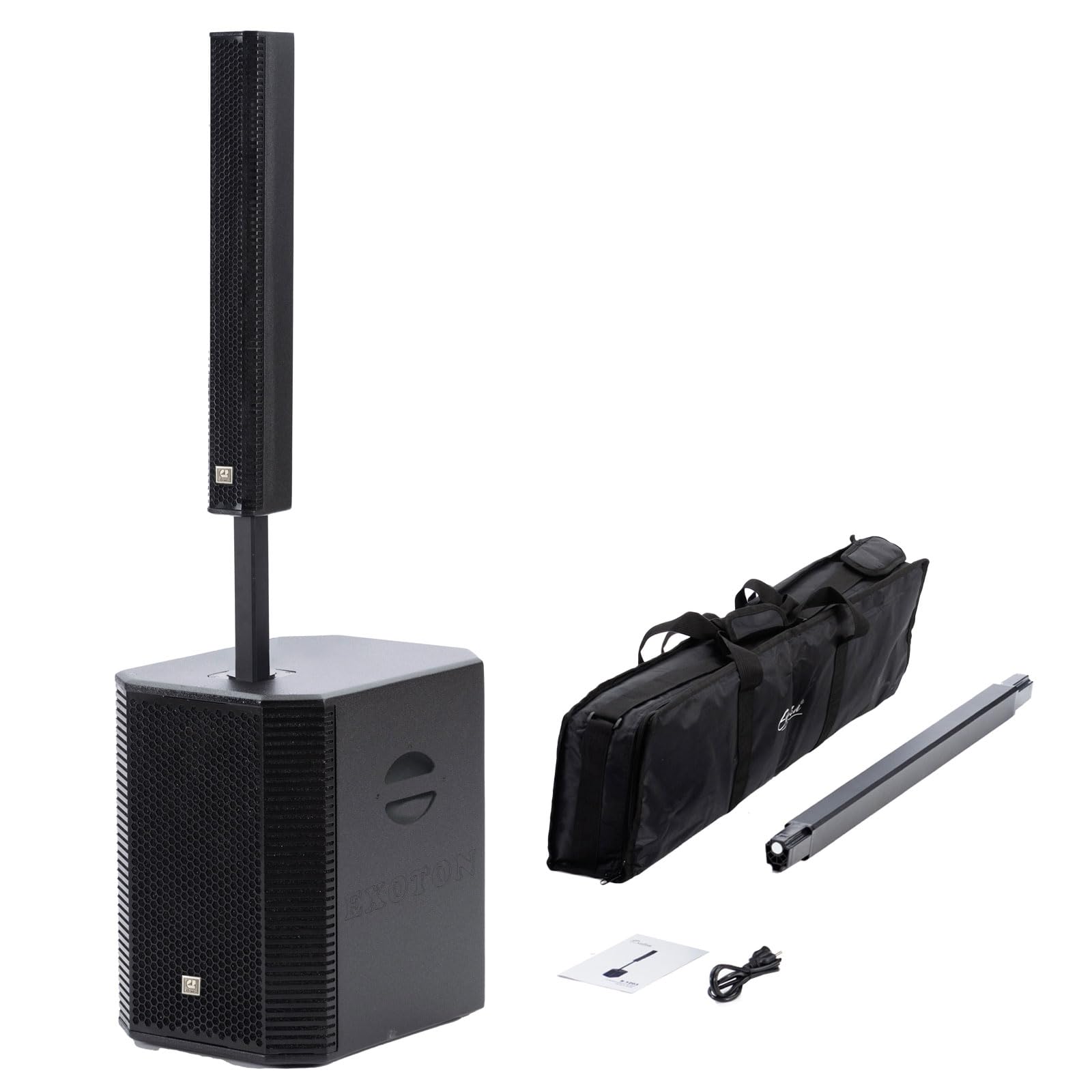
Price Tiers at a Glance: What Each Level Delivers
Church speaker budgets fall into three broad tiers, and knowing what each tier can and cannot do prevents the two common mistakes of buying too little for the room or spending on power you will never use. The tiers below describe capability, not specific models.
Mid Tier for Most Sanctuaries
For a seated congregation of about 100 to 300 people, the overall sweet spot is a pair of powered full range speakers in the range of about $600 to $1,500 for the pair, often with a subwoofer added later. At this level you get clean speech clarity, wide and even coverage, digital processing that limits feedback and cabinets built for weekly use year after year. This tier suits most established churches that run a band plus spoken teaching.
Entry Tier for Small Churches and Halls
Smaller rooms seating under 100 people can sound excellent for about $300 to $600 per pair when the focus stays on speech clarity rather than deep bass. Value tier powered speakers with 10 inch or 12 inch drivers cover a hall evenly at moderate volume, and their simple controls suit volunteer teams. The limit shows up outdoors or with a full band, where headroom runs out and the sound thins at the back rows.
Portable Tier for Beginners and Rented Spaces
If your church meets in a rented space and sets up every week, start with a portable column system or a single powered speaker on a stand for about $400 to $900. Setup takes minutes, transport fits in a car and one person can run the system. Our guide to the best portable pa speakers covers this format in depth.
The trade off is coverage. A portable setup serves a small to medium room well but will not fill a large sanctuary evenly.
How to Choose the Best Church PA Speakers: Buying Guide
Sound Quality and Tuning
Speech clarity lives in the midrange, roughly the frequencies of the human voice, so judge a speaker by how natural and forward voices sound at low volume, not by bass impact. Check the frequency response range and look for smooth coverage rather than extreme low end claims. A 12 inch driver with a quality compression horn usually gives the best balance for mixed speech and music. Built in equalizer presets for voice and for music help volunteer operators get a good result fast.
Placement and Room Size
Room size decides speaker count and position more than brand does. A long narrow sanctuary needs speakers placed high and angled down toward the seats, and sometimes a small delay speaker halfway back so the rear hears clearly without blasting the front. Wide rooms need wider dispersion, often 90 degrees or more.
As a practical rule, plan coverage for the farthest seat first, then check that the front rows are not overwhelmed. For a broader overview of formats, see our guide to the best pa speakers across uses.
Microphone and Input Quality
Your speakers are only as good as the signal you feed them. Count the inputs you truly need, usually at least two microphone channels with XLR connectors, plus lines for instruments and playback. Clean preamps with low noise matter because pulpit microphones run at modest levels and any hiss gets amplified to the whole room.
Phantom power is essential if you use condenser microphones for choir or teaching. A simple feedback suppressor or a ring out routine during setup will do more for clarity than extra wattage.
Durability and Weather Resistance
Indoor sanctuary speakers rarely need a weather rating, but outdoor services, youth events and courtyard gatherings change that. An IP rating such as IP54 or higher signals protection against dust and splashing water for occasional outdoor use. Cabinet build matters indoors too.
Molded cabinets resist dents from weekly transport, while wood cabinets often sound warmer and repair more easily. Check handle design and pole mount quality if the system moves often, and store covers are worth their small cost.
Portability, Weight, and Setup Time
Weight decides whether your volunteer team dreads setup. Powered speakers put the amplifier inside the cabinet, which removes a separate amp rack but makes each cabinet heavier, often about 30 to 50 lb. Passive systems spread the weight but add cables and setup steps.
Time your full setup during a trial if you can. A system your team can place, connect and sound check in under 30 minutes will be used well every week, and consistent setup is a hidden driver of good sound.
Controls, Processing, and App Features
Modern powered speakers include digital signal processing for equalization, limiting and delay, and some offer Bluetooth control apps. For a church, the most valuable features are a limiter that protects the system from sudden peaks, delay settings for fill speakers and lockable controls so settings survive the week untouched. Bluetooth audio streaming is handy for playback before a service, but run your main program through wired connections for reliability. If powered designs interest you, our guide to the best powered pa speakers explains amplifier matching in detail.
Feedback Control and Clarity at Low Volume
Feedback, that rising ring or howl, comes from microphones hearing the speakers too directly. Good speaker placement, with cabinets in front of the microphones and aimed at the congregation, prevents most of it. Directional horns that keep sound off the ceiling and walls also reduce echo in reverberant sanctuaries. Clarity at low volume is the real measure for spoken teaching, so favor speakers known for even response at modest levels over models that only open up when pushed loud.
Types of Church PA Speakers
Powered Active Models
Powered speakers carry their amplifier and processing inside the cabinet, matched by the maker to the drivers. Setup is simple, protection is built in and most modern church systems use this format. They suit nearly every congregation that wants reliable results with a small volunteer team and minimal extra gear.
Passive Models With Separate Amplifiers
Passive speakers need an external amplifier and often a separate mixer and processor. This format suits permanent installations designed by an installer, where tuning is done once and the amp rack lives in a closet. It offers upgrade flexibility but demands more expertise, so weigh that honestly against your team skills. Our comparison in the guide to the best speakers for church walks through installed options.
Portable Column Systems
Column systems stack a slim vertical array above a small subwoofer. They spread sound wide and evenly, look discreet in a sanctuary and pack down small for storage or transport. They excel at speech and acoustic music for small to medium rooms, though they lack the punch a large band needs.
Point Source Cabinets for Larger Rooms
Traditional two way cabinets on stands or flown from the ceiling remain the workhorse for medium and large sanctuaries. Flown placement gives the most even coverage and keeps sight lines clear, but rigging must be done by qualified professionals for safety. Never suspend speakers with improvised hardware, and have any flown system inspected on a regular schedule.
Tips to Get the Most From Your Church PA Speaker
- Place speakers in front of the main microphones and aim them at the seats, not at walls or the ceiling, to cut feedback and echo.
- Run a short sound check at service volume with someone speaking from the pulpit, and walk every seating area while they speak.
- Keep firmware and processing presets consistent, and label your mixer and speaker settings so any volunteer can restore them.
- Clean fan filters and check cables each season, because a failing cable causes more service day problems than any speaker fault.
- Store portable systems in padded covers and coil cables loosely to prevent internal breaks.
- Record your services and listen back on headphones, which reveals balance and clarity problems the room hides.
FAQs
Powered or passive church PA speakers: which is better?
Powered speakers are better for most churches because the amplifier is matched to the drivers and setup stays simple for volunteers. Passive systems make sense in permanent installations designed and tuned by a professional. If your team is small and your setup changes weekly, powered is the safer and usually cheaper total choice once amps and processing are counted.
How much power do church PA speakers need?
Church PA speakers need enough power to reach the back row clearly with headroom to spare, not a specific watt number. For speech focused services in a room seating about 200, a quality powered pair rated around 1,000 watts peak per cabinet is typically ample. Reverberant rooms need placement and processing more than extra watts, since louder sound in a live room often means less clarity.
Do church PA speakers need a subwoofer?
A subwoofer helps if your services include a full band, drums or playback with real low end, because it frees the main speakers to handle voice more cleanly. For speech and piano or organ led services, good full range speakers alone are usually enough. Add one subwoofer first and place it centrally, since a single central sub gives more even bass than one tucked in a corner.
Can church PA speakers be used outdoors?
Yes, church PA speakers can be used outdoors if they have suitable weather protection and you keep connections dry and cables secured against trips. Sound carries differently outside with no walls to reinforce it, so expect to need more volume and closer placement to listeners. By contrast, systems built mainly for DJs trade speech clarity for bass weight, a difference explained in our guide to the best pa speakers for dj use.
How long do church PA speakers last?
Quality church PA speakers last about 10 to 15 years in fixed indoor use when they are not overdriven. Portable systems that travel weekly wear faster, mainly in connectors, handles and cabinet corners. Protect your investment with limiters set correctly, padded transport and an annual check of mounting hardware and cables, and budget for eventual driver or amplifier service rather than full replacement.
Wrapping Up
Match the system to your room, your congregation size and your volunteer team, in that order. Clear speech coverage, sensible placement and simple reliable controls will serve your services far better than raw power claims. Compare your short list against the product table above, and remember that the best church pa speakers for your church are the ones every seat can hear clearly, every single week.