Best Christmas Bedding Sets: Every Type Explained Side by Side for 2026
Disclosure: We may earn a commission when you buy through links on this page, at no extra cost to you. As an Amazon Associate I earn from qualifying purchases. Learn more

Compare the best christmas bedding sets by fabric type, warmth and care needs, with clear guidance on sizes, weaves and price ranges for your bed.
Holiday bedding ranges from crisp cotton with a simple snowflake print to deep red flannel that feels like a blanket on its own. With so many fabrics and set sizes, choosing best christmas bedding sets can feel confusing fast. This guide compares each main type side by side, then walks through fit, warmth and care so you can pick with confidence.
Measure your mattress depth before anything else, and decide whether the set is a gift, a guest room refresh or your own December bed. Those two facts narrow the field more than any print or color choice.
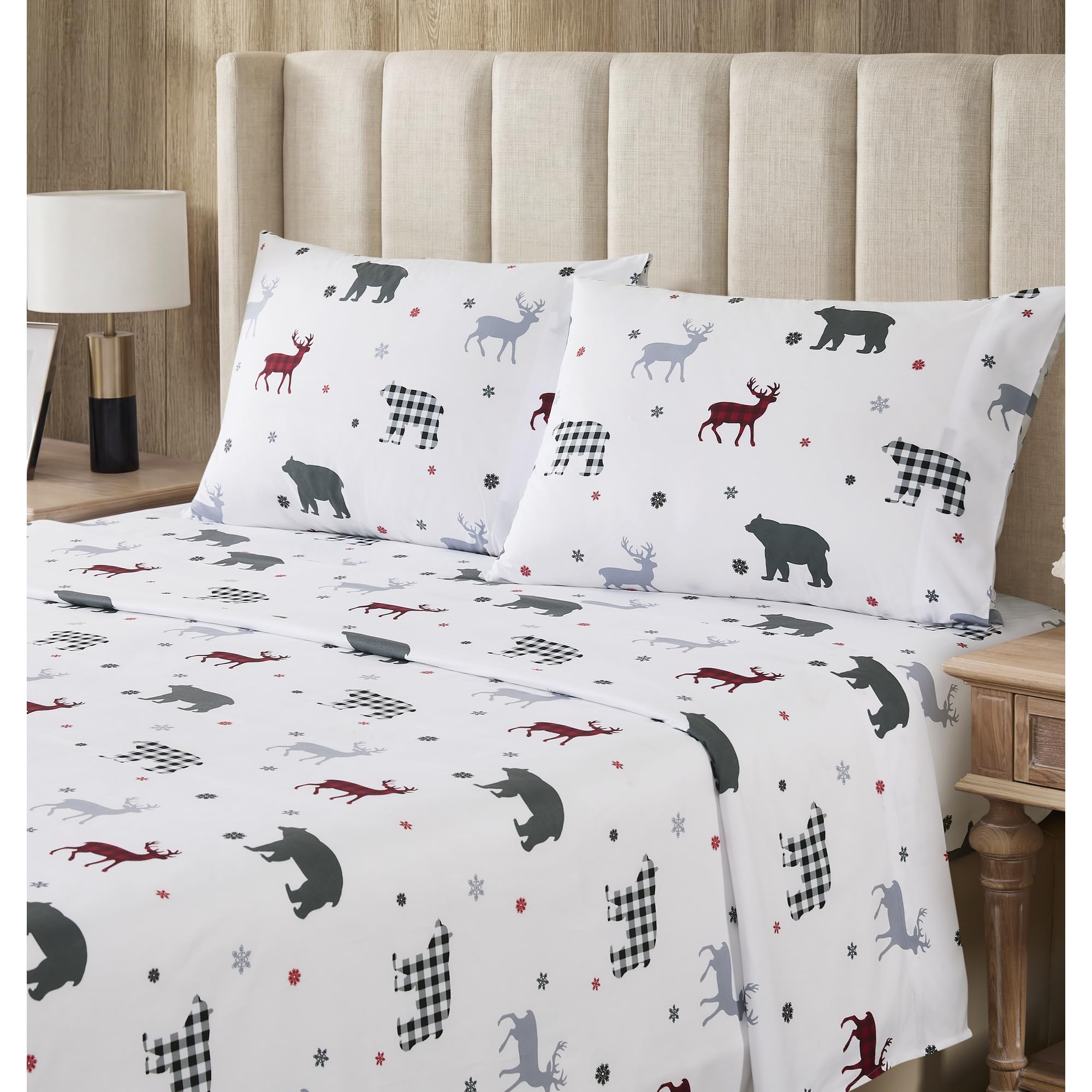
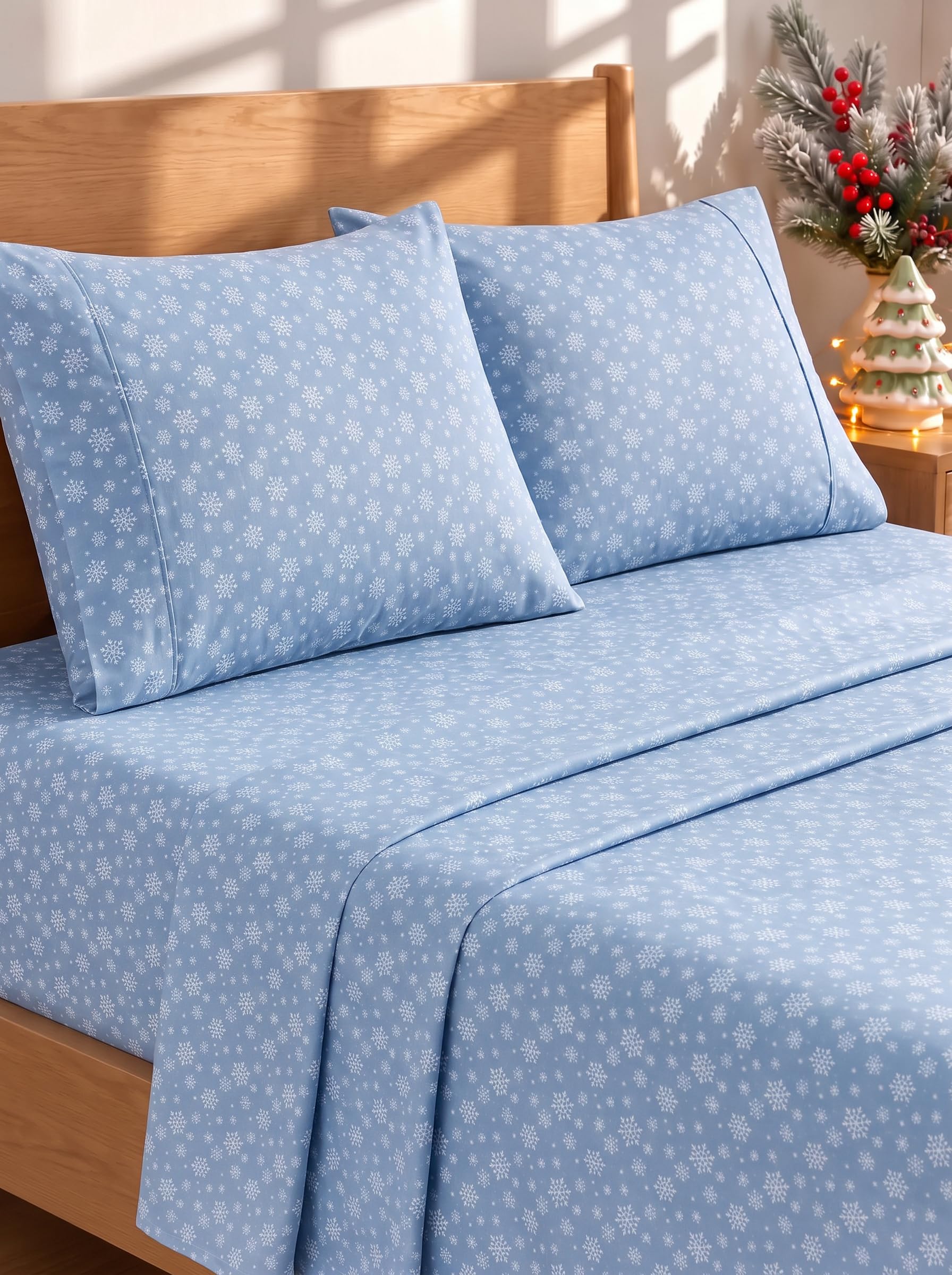


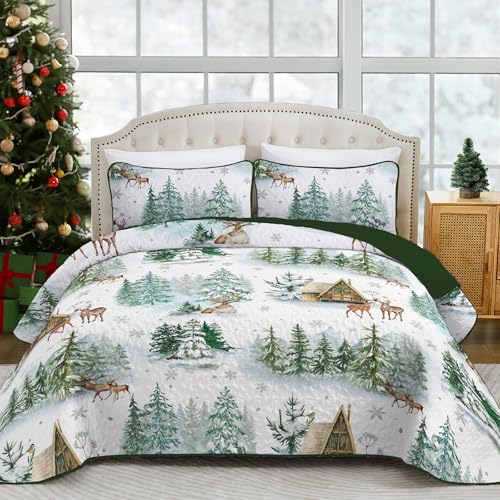


Types of Christmas Bedding Sets Compared
A bedding set usually means sheets with pillowcases, and many holiday bundles add a duvet cover or a comforter. The fabric decides how the set sleeps in a heated winter home, how it washes and how many seasons it lasts. Compare the three main fabric families below, then check the sets in the comparison table below against the family that fits your sleeper.
Linen
Linen is woven from flax and feels textured, breathable and slightly crisp at first, softening with every wash. It suits warm sleepers and homes where the bedroom stays heated all night, because air moves through the weave instead of trapping heat. Linen costs more, often around $120 to $250 for a full set, and it wrinkles in a relaxed way that some people love and others dislike. Choose linen if you want a set that can stay on the bed past December in a solid winter color.
Cooling Fabrics
Cooling sets use smooth fibers such as bamboo derived viscose, lyocell or moisture wicking microfiber blends to pull heat and sweat away from the skin. They help hot sleepers who still want a festive print on the bed. Most feel silky and drape closely, which also means they can slide on the mattress without deep fitted corners. Prices often run around $40 to $120. Check the exact fiber content, since the word cooling alone promises nothing and some thin microfiber traps more heat than cotton.
Cotton (Percale and Sateen)
Cotton is the classic choice and comes in two main weaves. Percale feels light, matte and crisp, much like a good hotel sheet, and it breathes well for average sleepers. Sateen feels smoother and slightly warmer with a soft sheen, which suits people who like a cozy, polished look for holiday photos. Cotton sets range widely, around $35 to $150, and they wash easily at home. For most buyers and most gifts, cotton percale is the safest starting point.
Linen vs Cooling Fabrics: Which Should You Choose?
Choose linen if durability and a natural, textured hand feel matter most and your budget allows a higher price. Linen can serve for many years, handles warm washing well and keeps a relaxed look even when unmade. Choose cooling fabrics if night sweats or a warm bedroom are the main problem, since their smooth fibers feel cool on first contact and dry faster after washing. Cooling sets usually cost less and look sleeker, but thin versions can pill sooner. For a guest room used a few weeks a year, cooling or cotton sets make more sense than investing in linen.
If your search is broader than the holiday season, our guide to the best bedding sets to buy covers everyday sets you can use all year.
How to Choose the Right Christmas Bedding Set
Type alone does not settle the choice. The five points below decide whether a set fits your mattress, sleeps quietly, keeps its color through December laundry and feels right for the body sleeping under it.
Motion Isolation and Noise
Bedding does not isolate motion the way a mattress does, but fabric noise still matters for couples. Crisp percale and linen can rustle when a restless partner turns, while sateen and cooling knits stay quieter. A duvet cover with inner ties keeps the insert from bunching, which cuts the nightly tugging that wakes light sleepers. If you share the bed with a pet, choose a tighter weave that resists claws and washes without thinning at the corners.
Support, Pressure Relief, and Edge Support
Sheets and duvet covers add comfort rather than body support, so judge them by weight and surface feel. A heavy flannel or layered comforter can feel snug on shoulders and hips, while a light percale set lets you move freely. People with sore joints often prefer smooth sateen because fabric glides instead of dragging on skin. True pressure relief still comes from your mattress and pillow, so treat any bedding claim about spinal support with healthy doubt.
Certifications (CertiPUR US, OEKO TEX, RDS)
For bedding, the label you will see most is OEKO TEX Standard 100, which means the fabric was screened for harmful substances. CertiPUR US applies to foam products rather than sheets, so it matters only if a bundle includes a foam topper or pillow. RDS, the Responsible Down Standard, applies to sets with real down fill and speaks to animal welfare in sourcing. A clear label with a license number you can verify beats a vague claim of being chemical free.
Material and Fill
Read the fiber content line and the fill line separately. Sheet fabric may be cotton, linen, bamboo derived fiber or polyester microfiber, and each behaves differently in heat and washing. Comforter fill is usually down or a down alternative made from polyester, with down feeling lighter for its warmth and polyester costing less and washing more easily. If a set mixes fibers, the highest share drives the feel. Shoppers set on natural fiber can compare our guide to the best cotton bedding sets for weave and thread count details.
Firmness, Loft and Sleep Position
For bedding, loft means how thick and airy the comforter or duvet feels above you. Side sleepers often like a medium loft comforter that fills the space at the shoulder without pressing down. Back and stomach sleepers usually sleep cooler under a thinner layer. Body weight matters too, since heavier sleepers run warmer and often prefer breathable percale or linen over a lofty insulated set. When the set is a gift, a medium weight layer is the safest middle ground.
Tips to Get the Most From Your Christmas Bedding Set
Wash the set before the first night to remove factory finishes and soften the fabric. Wash sheets weekly in warm water with a mild detergent, and skip heavy fabric softener on cooling fabrics because residue blocks moisture wicking. Rotate two sets if you can, so elastic corners and fibers rest between uses. Store the holiday set clean and fully dry in a cotton bag rather than sealed plastic, and keep it away from direct light so reds and deep greens fade less by next December.
FAQs
How often should I replace my christmas bedding set?
Replace a holiday set when the fitted sheet elastic loosens, the fabric thins at the foot or colors fade unevenly, often after three to five seasons of December use. Sheets used all year wear faster, closer to two years. A practical test is holding the sheet to bright light, since worn patches show clearly. Keeping the set for one month a year stretches its life far beyond everyday bedding.
Is a higher thread count always better?
No, a higher thread count is not always better. For cotton, a count between about 200 and 400 usually gives a smooth, breathable sheet, while very high counts can feel dense and hot and may rely on thinner yarns. Weave and fiber quality matter more than the headline number. Linen and cooling fabrics do not use thread count the same way at all, so compare those by weight and fiber instead.
Are cooling christmas bedding sets worth it for hot sleepers?
Yes, they can be worth it if your bedroom stays warm or you wake up sweaty even in winter. The benefit is strongest in smooth lyocell or bamboo derived fabrics that move moisture away from skin. Pair the set with a light blanket rather than a heavy comforter to keep the effect. If your room runs cold, standard cotton will feel better and costs less.
What firmness is best for back pain?
Bedding firmness cannot fix back pain, because support comes mainly from the mattress and pillow keeping your spine in line. Choose bedding that does not fight your position, such as a comforter with enough drape to avoid pressure at the hips. If pain is new, frequent or travels down a leg, see a doctor or physical therapist rather than shopping for relief. Treat bedding as comfort, not treatment.
How do I wash a Christmas bedding set safely?
Wash the set separately in warm or cool water on a gentle cycle, with colors sorted so deep reds do not bleed onto white prints. Close zippers and turn duvet covers inside out to protect ties and buttons. Dry on low to medium heat and remove the set while slightly warm to limit wrinkles. Always read the care label first, because linen, down fill and delicate trims each have limits that a generic routine can damage.
The Bottom Line
Pick the fabric family first, cotton for the safest all around sleep, linen for long life and breathability, cooling fibers for hot sleepers. Then confirm pocket depth, set contents and care rules before you pay. Look back at the product table above with those three checks in hand, and the best christmas bedding sets for your bed will stand out quickly. If you need a larger size, our guide to the best king bedding sets explains pocket depth and split options in detail.