Best bedding sets to buy in 2026: A Buying Guide
Disclosure: We may earn a commission when you buy through links on this page, at no extra cost to you. As an Amazon Associate I earn from qualifying purchases. Learn more
Learn how to choose bedding sets to buy, compare cotton, linen, and blends, and match fabric, size, and care to your sleep and washing routine.
The best bedding sets to buy match your mattress size, your sleep temperature and your laundry routine, because the nicest fabric on paper still disappoints if it sleeps hot or fits badly. The product table below gives a quick overview of the main set types, and this guide explains how to choose between them before you spend.
Listings use the same words for very different products, so it helps to decide three things first: which fabric you want against your skin, how thick the top layer should be, and which pieces the set actually includes. Those answers narrow the field faster than any price filter.
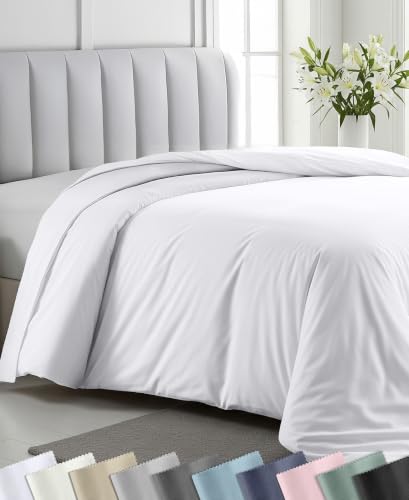
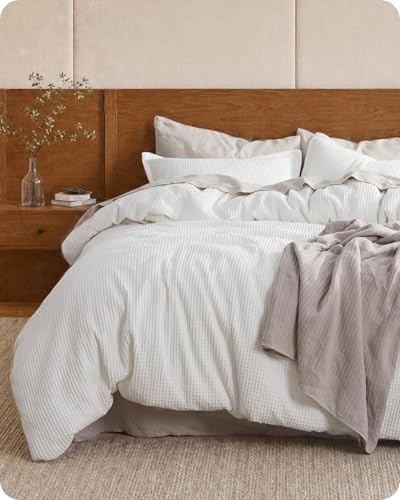
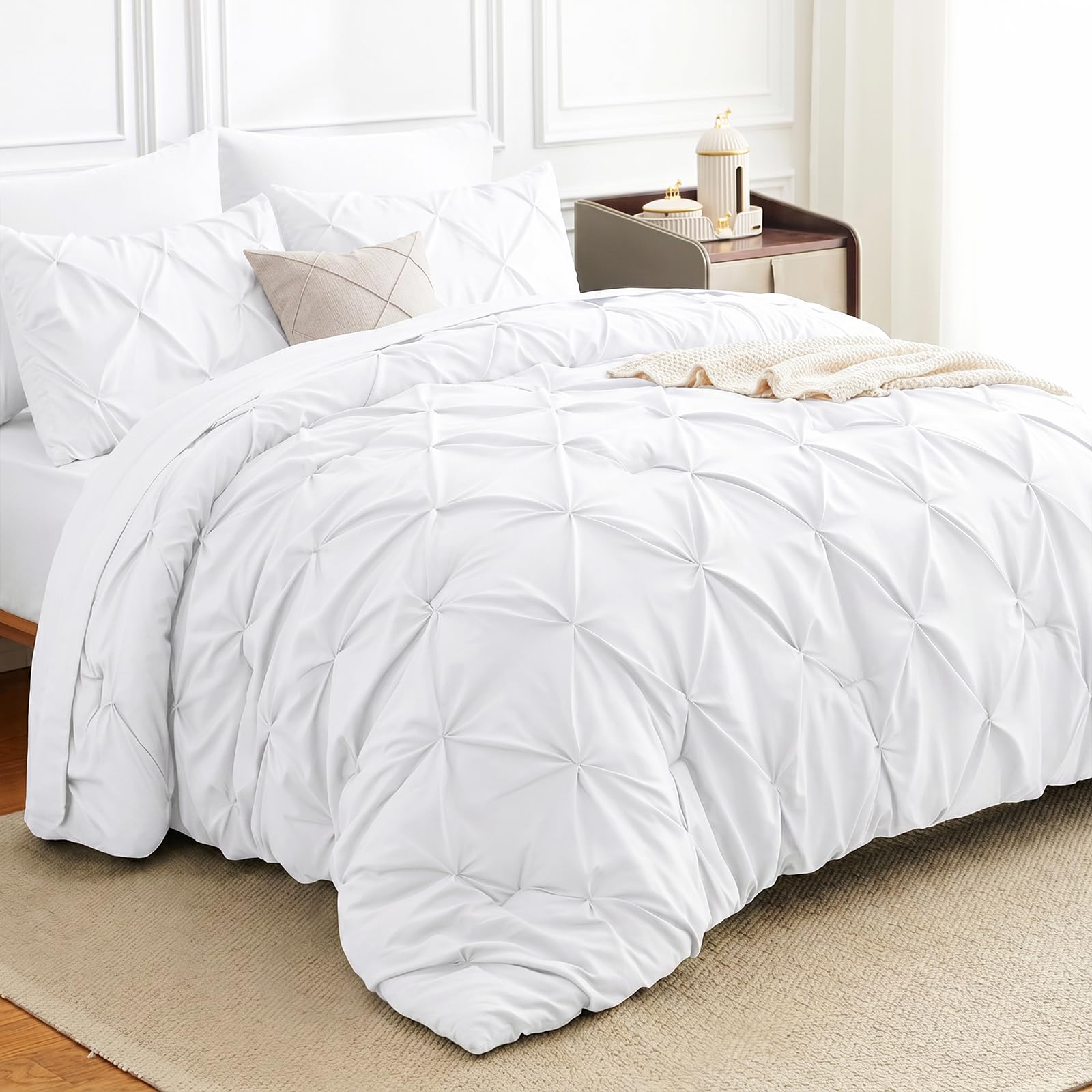


What a Bedding Set Usually Includes
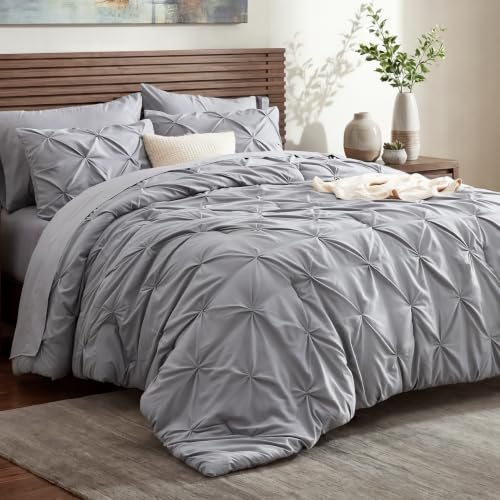
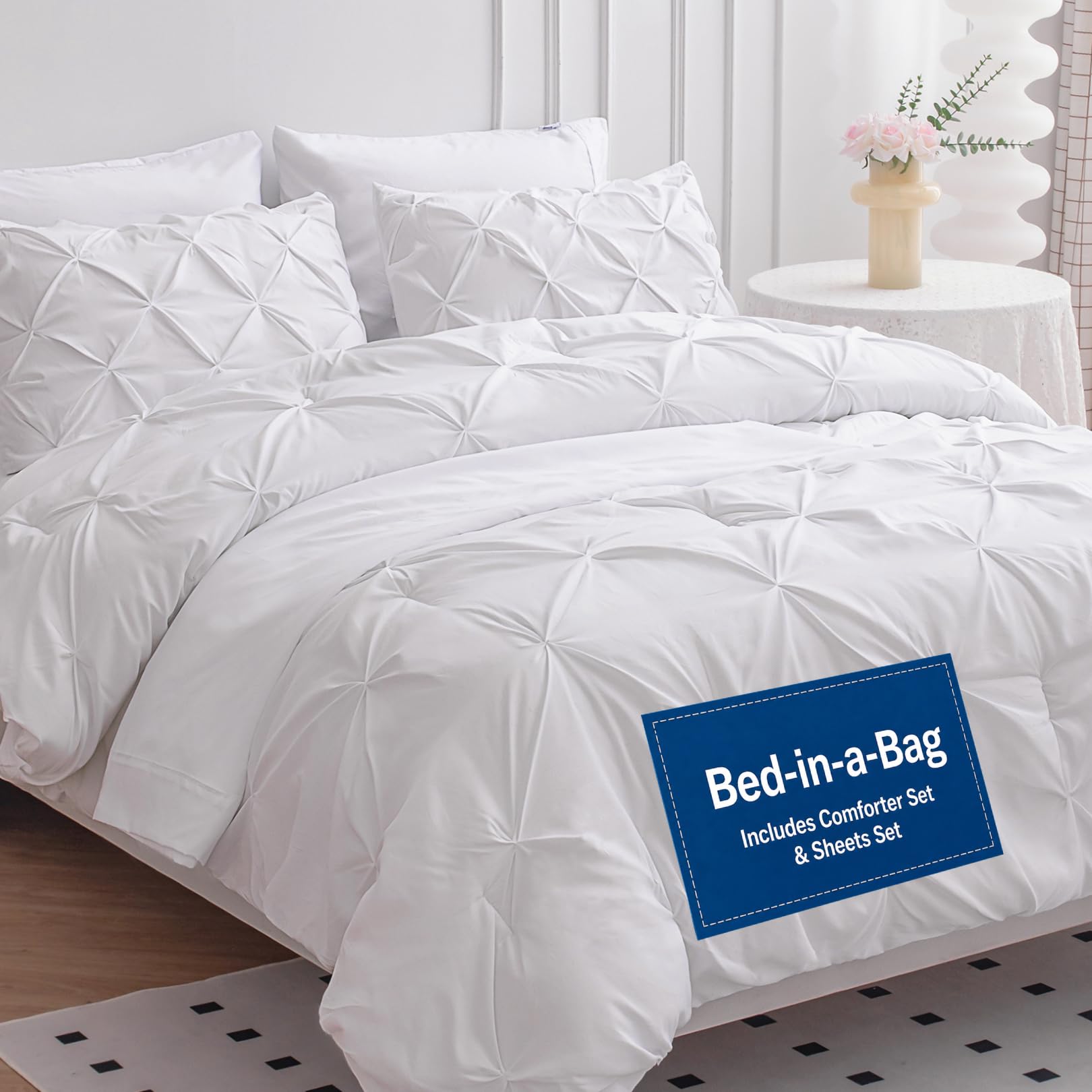
A bedding set is a matched bundle, but the contents vary. A bed in a bag typically holds a comforter, a flat and fitted sheet, pillowcases and sometimes shams. A duvet set holds a cover and pillowcases, and you add your own insert. A sheet set holds only the fitted sheet, flat sheet and pillowcases. Check the piece count and the size of every item, because a seven piece listing can still leave you without the layer you need.
Best Bedding Sets to Buy by Fabric
Cotton bedding sets
Cotton is the safe default. Percale cotton is crisp and breathable, sateen is smoother and slightly warmer, and both wash well and last for years. Choose cotton if you sleep through a range of temperatures and want a set that gets softer with washing.
Linen bedding sets
Linen is airy, absorbs moisture and dries fast, which suits warm rooms and hot sleepers. It has a textured, relaxed look and wrinkles easily, so it suits people who like a lived in bed rather than hotel crispness. Expect a higher price than cotton.
Microfiber and blended sets
Microfiber sets are low cost, soft from the first night and need almost no ironing, which makes them popular for guest rooms, dorms and kids beds. They hold heat better than natural fibers, so they suit cooler rooms more than hot sleepers.
Key Features to Compare
- Pocket depth of the fitted sheet, which must exceed your mattress thickness including any topper
- Fabric content on the label, such as 100 percent cotton versus a polyester blend
- Weave and weight, since these affect airflow more than thread count
- Closure on the duvet cover, where a hidden zipper or button closure keeps the insert from shifting
- Certifications such as OEKO-TEX, which confirm the fabric was screened for harmful substances
- Care instructions, especially washing temperature and whether the set can go in a dryer
Thread count is the most overused number in bedding. Past a moderate level, fiber quality and weave matter more, and very dense fabric can trap heat. Judge a set by fabric content and weave, then use thread count only to compare two sets of the same fabric.
Sizing and Price
Measure the mattress length, width and depth, then match the set to the size on its label. Sizes vary slightly by brand, and deep mattresses need deep pocket sheets to stay in place. Everyday sets often cost about $60 to $150, while linen and long staple cotton run higher. Spend more when the money buys a better fabric or a sturdier closure, not just a brand name.
Common Mistakes to Avoid
Do not buy by thread count alone, do not ignore mattress depth, and do not choose a heavy set if you sleep hot. Another frequent mistake is buying for a rare occasion instead of for normal nights. Pick the set that suits the nights you spend in the bed most often, and treat guests and holidays as a secondary concern.
Care and Seasonal Rotation
Wash a new set before first use and rotate two sets so each one rests between washes. Use warm water and a mild detergent, and avoid heavy fabric softener, which can coat fibers and reduce airflow. Lighter fabrics in warm months and warmer ones in cold months keep each set in better shape. Store out of season sets clean and dry in a breathable bag rather than plastic to prevent musty smells.
Related Buying Guides
To narrow the search, compare the best cotton bedding sets, the best linen bedding sets and the best winter bedding sets. Shoppers by bed size can read our guides to the best king bedding sets and best queen bedding sets.
Building a Complete Bed Step by Step
A comfortable bed is built in layers, and buying them in the right order saves money. Start with the mattress protector, then the fitted sheet, then the flat sheet if you use one. Add the pillowcases next, then the top layer: a comforter, a quilt or a duvet with a cover. Each layer should be easy to remove and wash on its own, which is why a set with a duvet cover is often easier to live with than a one piece comforter.
If you are buying for a first apartment, a bed in a bag is the fastest way to get every layer at once. If you are replacing a worn set, buy only the pieces that are tired. Sheets wear out first, comforters last longest, and duvet inserts can stay for many years inside a fresh cover. Keep a second sheet set on the shelf so laundry day never leaves the bed bare.
Finally, pay attention to color and pattern. Solid and subtle patterns hide wear and stay in style, while bold prints can date quickly. A neutral base lets you change the look with a throw or cushions instead of replacing the whole set.
Frequently Asked Questions
What bedding fabric is best for hot sleepers?
Light, breathable fabrics such as cotton percale and linen help heat escape, while heavy sateen and thick blends trap warmth. Choose a lighter weave and a thinner top layer for summer nights.
How do I get the right bedding size?
Measure mattress length, width and depth, then compare with the set size chart, because sizes vary by brand. Deep mattresses need deep pocket fitted sheets to stay in place.
Is high thread count always better?
No. Thread count alone does not guarantee comfort, because fiber quality and weave matter at least as much. A well made mid range cotton set often feels better than a high count set made from short fibers.
How often should I wash bedding?
Wash sheets weekly in normal use and pillowcases more often if you have sensitive skin or allergies. Duvet covers can be washed less often, but follow the care label for each fabric.
What should a first bedding set include?
A basic set usually includes a duvet cover or comforter and pillowcases, with fitted sheets sold separately in some ranges. Check the contents list so you do not end up short of a sheet or pillowcase.
Final Thoughts
Choosing the best bedding sets to buy comes down to matching fabric, size and care to your real routine. Revisit the product table above once you have settled those three points, compare a short list side by side, and confirm the return policy before you open the package.