
Best Chlorinating Tablets 2026: How to Choose the Right One
Disclosure: We may earn a commission when you buy through links on this page, at no extra cost to you. As an Amazon Associate I earn from qualifying purchases. Learn more

Learn how to choose chlorinating tablets for pools and spas by chlorine type, size, dissolution speed, and safe handling and storage for smart buying.
Clear pool water depends on steady sanitation, and tablets are a popular way to deliver it. When you choose best chlorinating tablets, the chlorine type, tablet size, and feeder method decide how stable the water stays. This guide explains those choices plainly, so you can keep water clear without guesswork or waste.
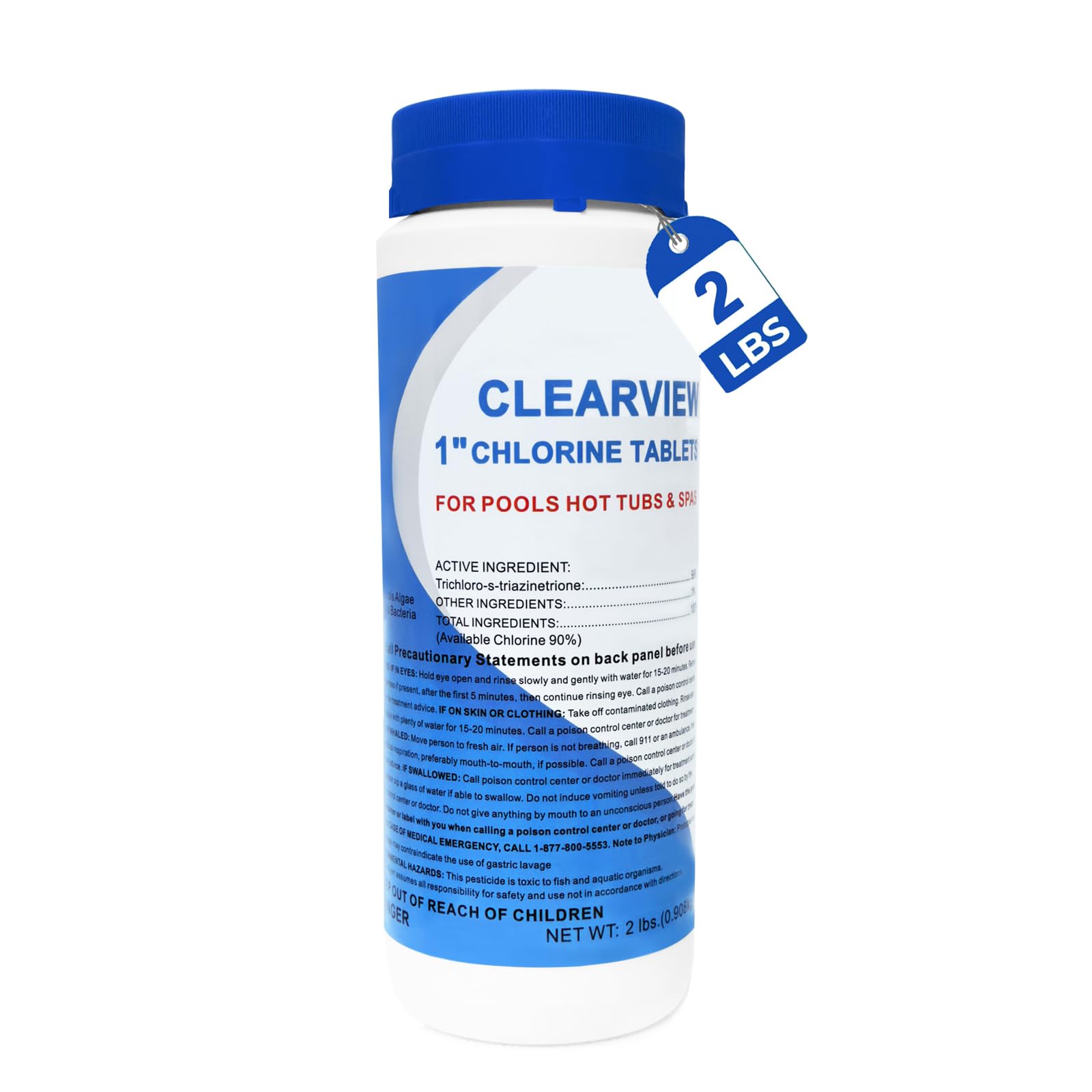
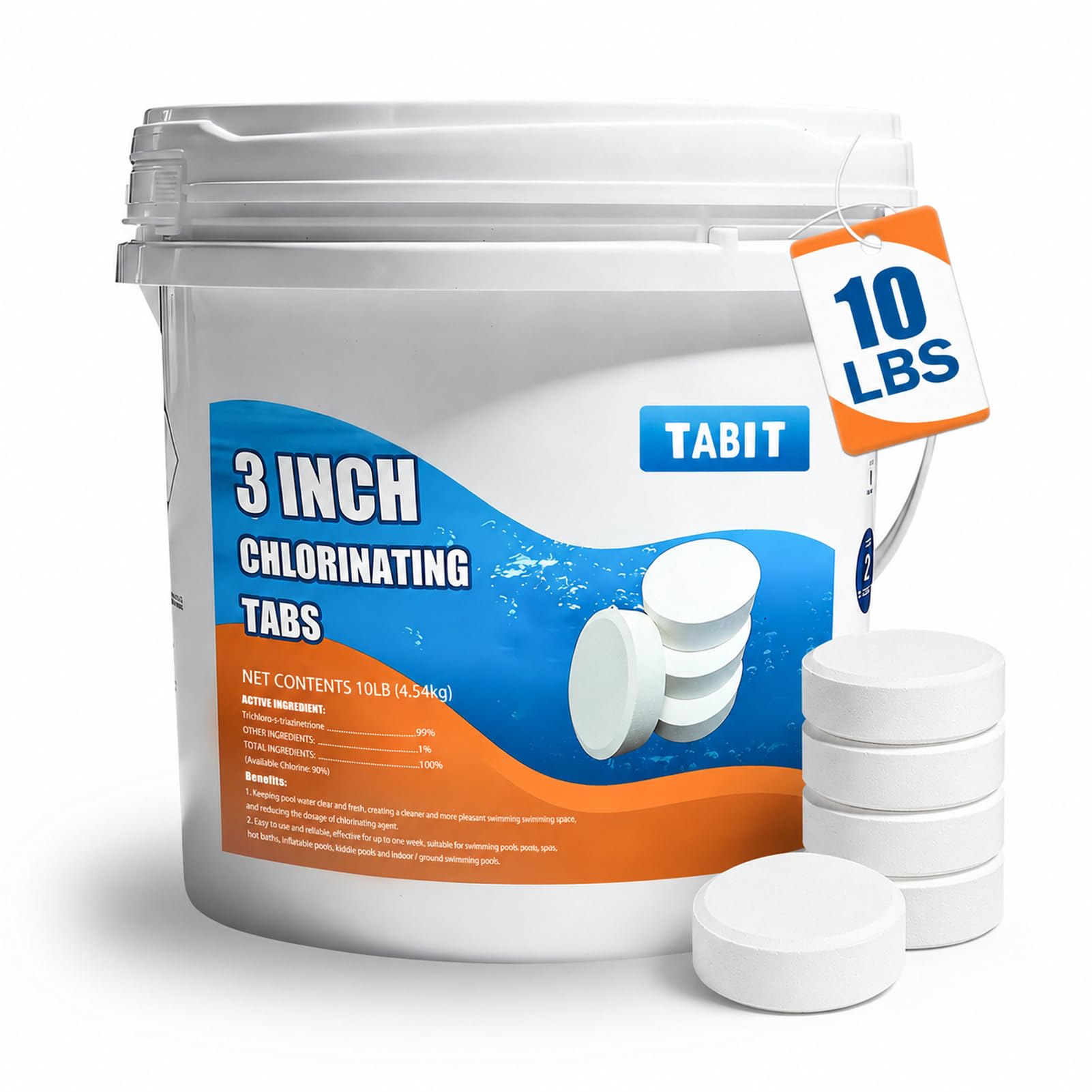
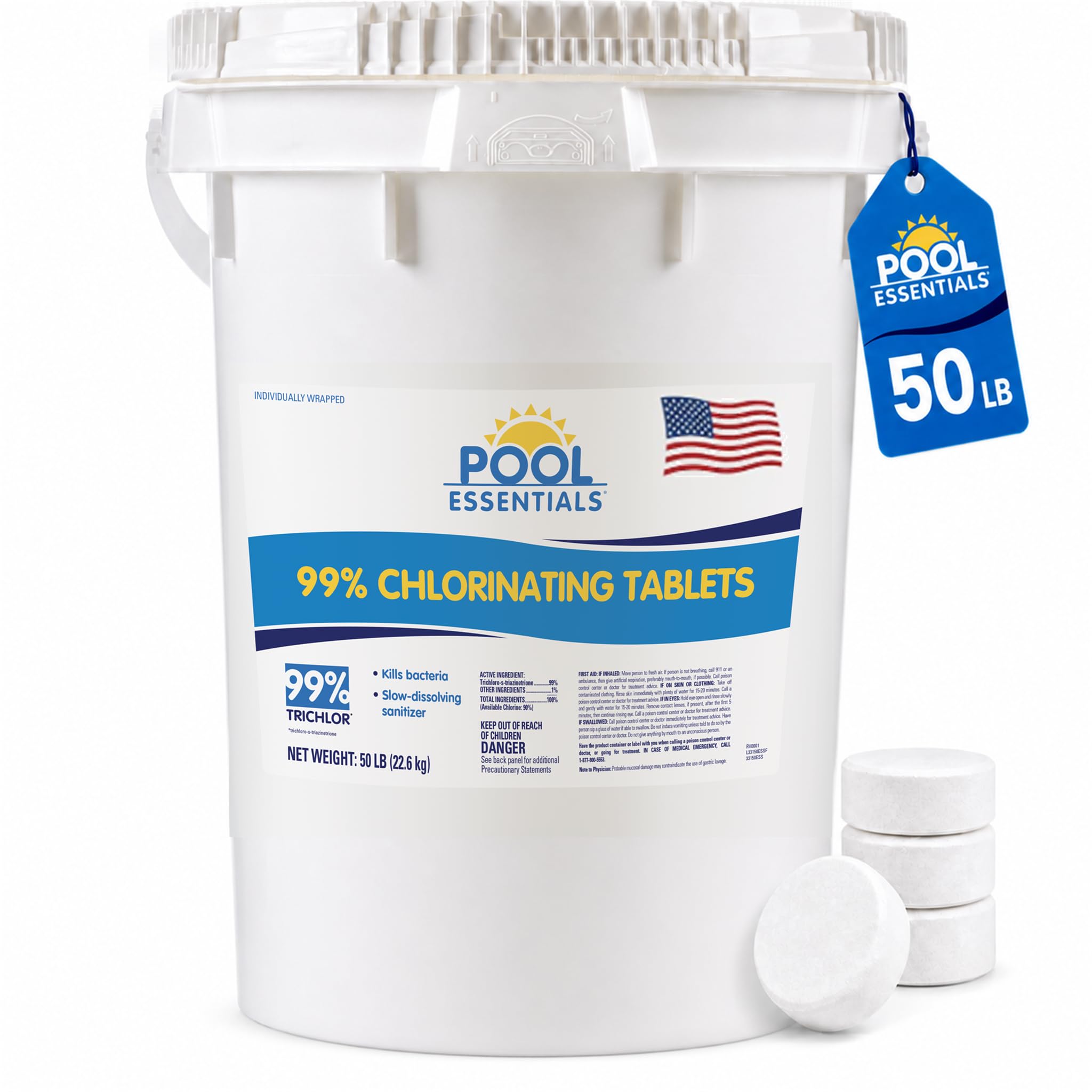
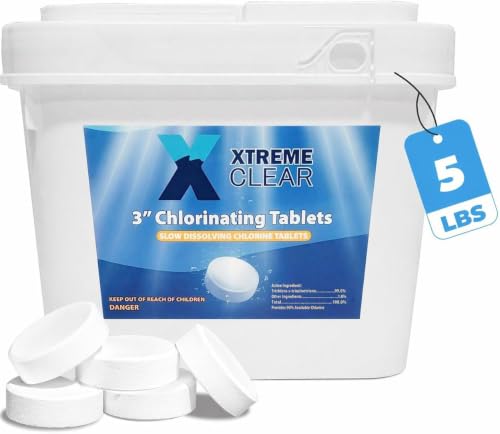
The product table below gives a quick overview of the main choices. The sections that follow explain who each type suits, the types available, and the features that matter most, so you can narrow the choice to what fits your pool, routine, and budget.






Who Should Buy Which Type
Different buyers need different strengths from chlorinating tablets. The groups below cover the most common situations, and each one notes what to prioritize first.
For Pool Owners
Pool owners with a regular sized pool benefit from slow dissolving tablets in a feeder or floater. They release chlorine steadily and reduce daily dosing. Check pool volume first, since tablet count and feeder setting both depend on it.
For Spa Owners
Spa owners need smaller doses and faster acting options, since spa water is warmer and used by fewer people. Tablets made for spas dissolve differently from pool tablets, so do not substitute one for the other. Follow spa maker guidance for dose and placement.
For Seasonal Users
Seasonal users who open a pool for summer should think about storage and shelf life. Tablets kept dry and cool last longer, while damp storage can cause clumping or odor. Buy a quantity you will use in the season, and store the rest sealed and out of reach of children.
Types Compared
The main types differ in size, performance, and upkeep. Comparing them side by side makes it easier to see which trade off you are happy to accept.
Slow Dissolving Tablets
Slow dissolving tablets release chlorine over days and suit feeders, floaters, and skimmers. They keep levels steady with less daily work. They suit larger pools and owners who prefer a set and check routine.
Fast Dissolving Tablets
Fast dissolving tablets act quickly and suit shock treatment or small spas. They raise chlorine fast but need more frequent dosing. Use them for a quick correction, not as a long term routine, unless the maker directs otherwise.
Stabilized and Unstabilized Tablets
Stabilized tablets contain a stabilizer that protects chlorine from sunlight, which helps outdoor pools. Unstabilized tablets suit indoor pools where sunlight is not an issue. Using stabilized tablets indoors can build stabilizer levels too high over time.
Key Features to Compare
Use the features below as a checklist when you compare options in the product table above. A model that scores well on the points that matter to you will usually serve you better than one with a long list of extras you never use.
Chlorine Type
The main choice is between trichlor and dichlor based tablets, which differ in strength, acidity, and stabilizer content. Trichlor is strong and acidic, while dichlor dissolves faster and is gentler on pH. Match the type to your pool size, surface, and sunlight exposure.
Tablet Size
Larger tablets suit feeders and bigger pools, while smaller tablets suit spas and small pools. Size affects how fast chlorine releases and how often you refill a feeder. Use the size your feeder or floater is designed for, since the wrong size can jam or dissolve unevenly.
Dissolution Speed
Dissolution speed decides how steady chlorine levels stay. Slow tablets give a steady level with less work, while fast tablets suit quick corrections. Water temperature and flow also affect speed, so check levels regularly after a change.
Safe Handling and Storage
Chlorine tablets are strong chemicals that need careful handling. Store them dry, cool, and away from other pool chemicals, and never mix tablet types in one feeder. Wear gloves when handling tablets, and keep them locked away from children and pets.
Water Balance Basics
Water balance, including pH and alkalinity, affects how well chlorine works and how comfortable water feels. Chlorine alone cannot fix unbalanced water, so test pH and alkalinity alongside chlorine. Adjust balance first when chlorine seems ineffective, rather than simply adding more tablets.
Common Mistakes to Avoid
A common mistake is adding tablets directly to the pool or skimmer when the feeder guidance says otherwise, which can damage surfaces and equipment. Another is guessing the dose instead of testing water regularly. Test chlorine and pH often, follow feeder guidance, and adjust in small steps.
Getting the Most From Your Choice
Test water at least twice a week in swimming season, and record the results so trends are visible. Clean the feeder and check for tablet residue regularly, and rinse hands after handling tablets. Store tablets in their original sealed container, dry and cool, and never store them near heat or other chemicals.
Planning Your Purchase
Start by confirming pool volume and current water readings, since dosing without those numbers is guesswork. Measure volume from pool dimensions or maker guidance, and test chlorine, pH, and alkalinity before changing anything.
Choose a feeder or floater that suits your pool type and tablet size, and set it to a conservative level at first. Test again after a day or two, and adjust in small steps, since large changes overshoot and take days to correct.
Plan storage before buying in bulk, since tablets need a dry, cool, locked place away from other chemicals. Buy a quantity you will use in the season, and keep the container sealed between uses to protect tablet quality.
Questions to Ask Before You Order
- How large is my pool or spa, in gallons?
- Do I use a feeder, floater, or skimmer for tablets?
- Is the pool indoors or outdoors, and how much sun does it get?
- What chlorine and pH levels does my pool surface need?
- Where can I store tablets safely, dry and locked away?
Write down your answers before you order. They make it much easier to compare the options in the product table above without getting distracted by features you do not need.
Frequently Asked Questions
How do chlorinating tablets work?
Chlorinating tablets dissolve slowly in water and release chlorine, which kills bacteria and algae. A feeder or floater controls the release rate, keeping levels steadier than daily liquid dosing. Regular testing shows whether the release rate suits your pool size and use.
How many tablets does a pool need?
The number depends on pool volume, water temperature, sunlight, and bather load. Feeder guidance gives a starting point, but testing is the real guide. Start low, test after a day or two, and adjust the feeder setting in small steps rather than adding many tablets at once.
Can I use pool tablets in a spa?
Only use tablets made for spas in a spa. Pool tablets may dissolve too slowly or dose too strongly for a small spa volume, and warm water changes how chlorine behaves. Follow spa maker guidance, and test spa water more often than pool water.
Are chlorinating tablets safe to handle?
Tablets are safe when handled as directed, but they are strong chemicals. Wear gloves, avoid breathing dust, and never mix different tablet types or pool chemicals together. Store tablets locked away from children and pets, dry and cool, in their original container.
Why is my pool water cloudy despite tablets?
Cloudy water can come from low chlorine, poor filtration, unbalanced pH, or heavy use. Test chlorine, pH, and alkalinity first, and check that the filter runs long enough each day. If levels look right, the filter or circulation may need attention before adding more tablets.
How should I dispose of old chlorinating tablets?
Dispose of old or damaged tablets following local hazardous waste guidance, and never put them in household rubbish loose or down a drain. Keep them in their original container until disposal, and never mix them with other chemicals. Ask your local waste service for the correct route.
One Last Check Before You Order
Before ordering, confirm the tablet type suits your pool surface and feeder, since the wrong type can affect pH and damage equipment over time. Check the feeder manual for approved tablet sizes, and keep a note of your current water readings to compare after the first week of use.
Set a reminder to test water two days after starting a new tablet supply, since early testing catches dosing errors before they become cloudy water. Small feeder adjustments at that stage are far easier than correcting a large imbalance later in the season.
Keep the original container sealed between uses to protect the tablets from damp air and accidental spills.
Final Thoughts
Among best chlorinating tablets, the best choice matches your pool or spa size, uses the right feeder, and keeps chlorine steady with regular testing. Compare the product table above with your pool volume and sunlight in mind, and handle tablets carefully at every step.
Check the product table above once more against your shortlist, then choose the option that fits your space, routine, and budget best.


