
Best Chip Resistant Dinnerware Sets: The Buyer Checklist for 2026
Disclosure: We may earn a commission when you buy through links on this page, at no extra cost to you. As an Amazon Associate I earn from qualifying purchases. Learn more

Use this checklist to choose the best chip resistant dinnerware sets, comparing materials, set size, cleaning needs, storage, durability, and value per piece.
A chipped plate rim is more than ugly. It harbors grime, feels rough against a lip, and usually means the rest of the set is not far behind. Chip resistant dinnerware promises a longer life, but the phrase covers very different materials and build quality, and some sets chip at the first sink knock despite the label.
This article judges the best chip resistant dinnerware sets with one fixed checklist: material, weight, cleaning, set contents, durability, value per piece, and storage. Score each set in the comparison table below against those seven points, and weak candidates reveal themselves quickly.
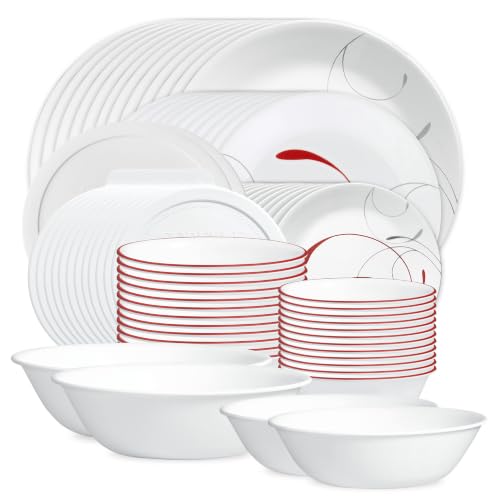
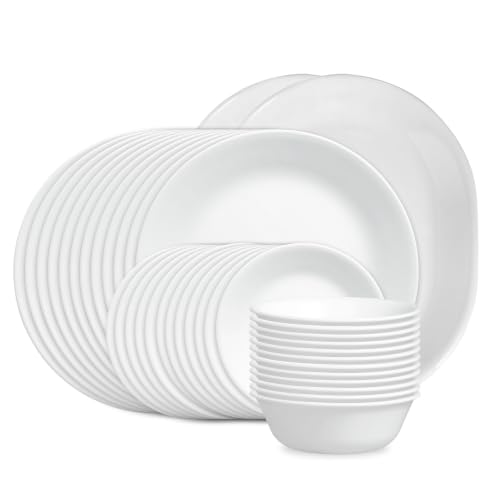
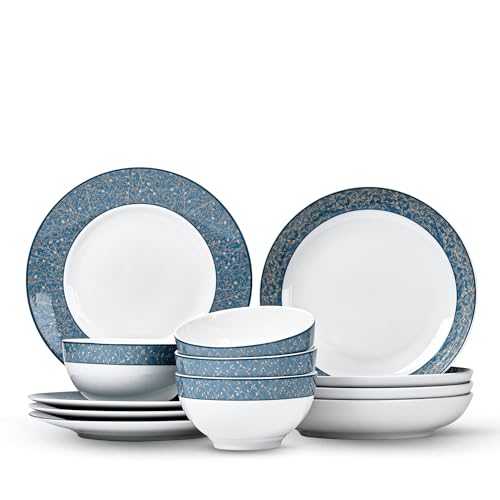
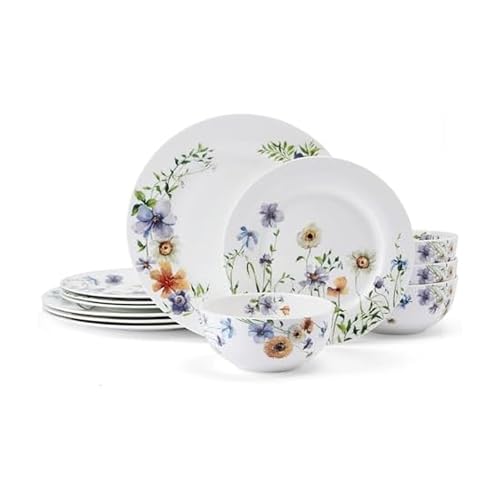
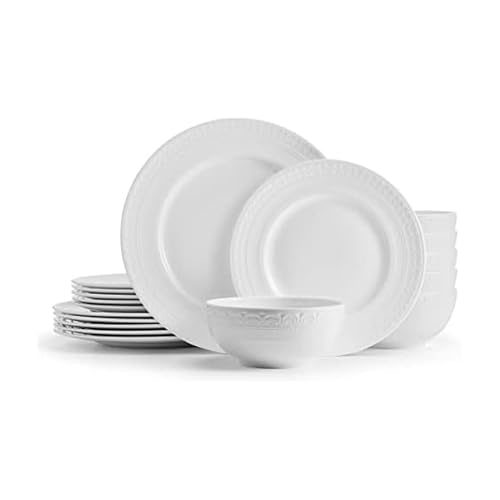

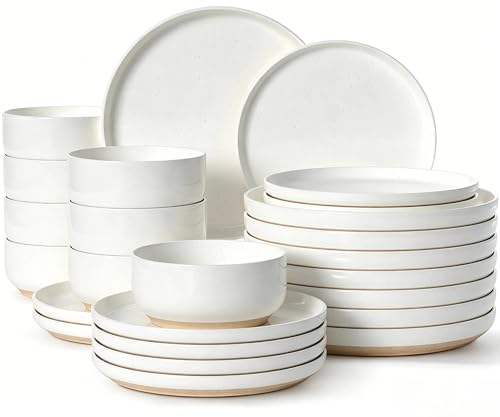


How to Evaluate Chip Resistant Dinnerware Sets
Material and Food Safety
Material decides chip resistance more than any other factor. Vitrified stoneware and porcelain are fired at high heat until the body is dense and nonporous, which makes rims stronger and stops stains soaking in. Fully vitrified hotel grade porcelain is the benchmark for daily abuse. Melamine is light and nearly unbreakable, and food grade melamine labeled BPA free suits casual and outdoor meals, though it should stay out of the microwave.
On safety, look for lead and cadmium compliance statements and food grade certifications rather than vague claims. Tempered glass options resist chipping well and contain no glazes at all. Avoid unglazed porous earthenware for daily use, since it absorbs water, weakens over time, and chips far more easily at the rim.
Comfort and Ergonomics
Dinnerware gets lifted, carried, and stacked all day, so weight and balance belong on the checklist. A dinner plate that feels reassuring in two hands but tiring in one will annoy you at every serving. Check bowl depth for soups and pastas, mug handle room for two fingers, and rim width if you carry plates by the edge. Rolled or reinforced rims add strength exactly where hands grip and sinks strike.
Check the numbers before ordering: a typical stoneware place setting can weigh noticeably more than a glass or melamine one, and a full stack of eight settings adds real load to a cabinet shelf. Older adults and children manage lighter sets more safely. Comfort is a durability feature too, because a plate that feels secure gets dropped less often.
Ease of Cleaning
Check the dishwasher safe claim in the fine print, not just the box front. Dense vitrified bodies and tempered glass handle years of dishwasher cycles, while gold or metallic trim and some reactive glazes need hand washing. Smooth glazed surfaces release baked on food after a short soak, and a foot ring that traps water in the dishwasher is a small flaw that grows irritating fast.
Microwave and oven limits matter just as much. Most stoneware and porcelain tolerate microwave reheating easily, but sudden moves from fridge to a hot oven crack even strong bodies through thermal shock. Note the stated oven limit, often around 450 degrees Fahrenheit for oven safe lines, and let chilled dishes warm on the counter first. For a wider view of daily use materials, our guide to the best everyday dinnerware sets compares care demands across common set types.
Size, Capacity, and What Is Included
Count pieces the way your household actually eats. A service for four with dinner plates, salad plates, bowls, and mugs covers most small homes, while service for eight suits regular hosts. Check bowl capacity in ounces, since shallow bowls that hold under 16 ounces struggle with hearty soups and noodle dishes. Dinner plate diameter around 10.5 to 11 inches fits standard cabinets and dishwashers, and oversize plates above 12 inches often fit neither.
Ask what the set leaves out. Serving bowls, platters, and pasta bowls are absent from many boxed sets and cost real money later. Households that host often should price the full table they want, not just the box in front of them, and our guide to the best dinnerware sets for 8 lays out the piece counts that work at that scale.
Durability and Build
Durability shows in details a listing photo rarely highlights. Look for reinforced rims, uniform glaze with no pinholes, and a fully glazed foot ring that will not scratch your table or absorb dishwasher water. High fired bodies ring with a clear tone when tapped gently, while underfired bodies sound dull and chip sooner. Edge thickness matters as well, since very thin rims look refined but carry the highest chip risk in daily stacking.
Ask about replacement piece availability before you buy. A set whose maker sells open stock singles lets one accident cost a few dollars instead of a whole new box. Warranty length against chipping is another honest signal, as brands confident in their firing process back it in writing. For shoppers who rank build above all else, our guide to the best quality dinnerware sets applies a similar durability first lens.
Value per Piece
Divide the set price by the number of pieces you will truly use, not the headline count. A low priced set padded with saucers nobody touches is worse value than a smaller set of plates and bowls used daily. Sets in this category commonly run around $50 to $120 for a service for four, and cost per year of use is the fairest measure of all.
Factor in breakage replacement from the start. If a style is being discontinued, even a discount price is a trap, because one broken bowl can orphan the whole set. Current lines with open stock support cost a little more upfront and much less over a decade of family meals.
Storage and Space Saving
Stackable design is a checklist item in its own right. Plates that nest tightly with aligned rims take less cabinet height and chip less, because weight spreads evenly instead of resting on one raised edge. Bowls that stack without wobbling and mugs that fit your shelf height save daily friction. Measure cabinet depth and shelf spacing before ordering, especially with oversize or square shapes.
Small kitchens benefit from sets whose pieces share one footprint, so a full service stores in a single tidy stack. Felt separators or a simple cloth between plates cost little and prevent the glaze scratches that stacking causes over months. Good storage habits protect even mid priced sets surprisingly well.
Three Profiles That Pass the Checklist
The profiles below describe what a passing set looks like at three budget levels, with no named products. Match any set in the product table above to the closest profile and check it against the same seven points.
All Around Profile
A top scoring set is fully vitrified porcelain or dense stoneware with reinforced rims, a glazed foot, and open stock replacements sold by the piece. It is dishwasher safe, microwave safe, and oven tolerant within stated limits, and it stacks into one stable column. Expect to pay around $90 to $150 for a service for four at this level. The honest drawback is weight, since dense bodies feel heavier than glass or melamine alternatives at the table.
Value Profile
The value profile keeps vitrified construction and dishwasher safety, then trims serving pieces and decorative detail. A service for four around $50 to $90 that still offers replacement singles beats a cheaper set with none. Glazes are simpler, boxes may hold mugs you did not need, and rim reinforcement is present but plainer. For most families, this profile delivers the lowest cost per year of daily use.
Premium Profile
Premium sets add refined thin profiles with reinforced edges, wide matching serveware, and long written warranties against chipping. Hotel grade porcelain dominates here, at around $150 to $300 for a service for four. You pay for finish consistency and design longevity as much as strength. Readers drawn to that tier can compare priorities in our guide to the best luxury dinnerware sets, which weighs finish and heritage alongside durability.
Quick Buyer Checklist
- Is the body fully vitrified stoneware, porcelain, or tempered glass rather than porous earthenware?
- Are the rims reinforced or rolled where chips usually start?
- Is every piece dishwasher safe and microwave safe without exceptions buried in fine print?
- Do plate diameters fit your cabinets, dishwasher racks, and microwave turntable?
- Can you buy single replacement pieces after the purchase?
- Does the set include bowls with capacity that suits your usual meals?
- Does the full service stack into stable, cabinet friendly columns?
- Is the cost per used piece fair against sets with similar warranties?
Red Flags to Watch For
- Vague material claims: listings that say ceramic without naming the body type often hide porous earthenware that chips early.
- No replacement program: a set sold only as a sealed box leaves you one accident away from a mismatched table.
- Unrealistic review patterns: waves of identical praise with no mention of weight, size, or care suggest a listing you should verify elsewhere.
- Very short or absent warranty: makers who will not back chip resistance in writing are telling you something important.
- Unglazed foot rings: rough unglazed feet scratch tables and soak up water, shortening the life of the whole piece.
Care and Maintenance Tips
Load the dishwasher with space between pieces so rims never knock during the cycle, and stack plates with a cloth or felt separator for cabinet storage. Avoid sudden temperature swings, such as moving a dish straight from the fridge into a hot oven. Wash melamine by hand or on the top rack and keep it out of the microwave. Dry pieces fully before stacking, since trapped moisture dulls glazes and can stain porous feet over time.
FAQs
What dinnerware material is safest for food?
Fully vitrified porcelain, stoneware with certified food safe glazes, and tempered glass are the safest everyday choices. Their dense, nonporous surfaces do not absorb liquids or harbor residue in tiny cracks. Look for explicit lead and cadmium compliance, especially on richly colored glazes. Melamine labeled food grade and BPA free is safe for serving, but serve hot foods in ceramic or glass and keep melamine out of the microwave.
Is a full set better than buying pieces?
A full set is better value for most households, because boxed services for four or eight cost far less per piece than open stock singles. Buying pieces wins when your household needs unusual counts, extra bowls only, or a mix of two sizes. A smart middle path is a boxed set from a line that also sells singles. That way the set discount applies now and replacements stay possible later, which is central to the promise behind the best dinnerware sets that don t chip as a category.
Are chip resistant dinnerware sets dishwasher safe?
Most vitrified porcelain, stoneware, and tempered glass sets are dishwasher safe, but the label on the box is not the whole story. Metallic trim, delicate reactive glazes, and some melamine pieces need gentler handling or the top rack only. Chips also happen inside the dishwasher when pieces touch, so spacing matters as much as the rating. When a maker lists different care rules by piece, follow the strictest rule for the full load.
How long do chip resistant dinnerware sets last?
A well made vitrified set used daily commonly lasts eight to fifteen years before glaze wear or accumulated small chips suggest replacement. Tempered glass can run just as long, while porous earthenware often shows rim chips within two or three years. Lifespan depends heavily on stacking habits and dishwasher loading. Sets with open stock support stretch their useful life furthest, because one broken piece never forces a full replacement.
Final Thoughts
Run the checklist in order: dense vitrified material first, reinforced rims second, and replacement piece support third. Those three points predict a chip free decade better than style photos or a long feature list. Cleaning rules, plate diameter, and stacking fit then confirm the set belongs in your kitchen.
The best chip resistant dinnerware sets earn the label in your sink and your cabinets, month after month. Score your finalists against the checklist, compare them once more in the product table above, and buy the set you can replace piece by piece.


