
Best Christmas Dinnerware Sets: Budget, Midrange, and Premium Picks for 2026
Disclosure: We may earn a commission when you buy through links on this page, at no extra cost to you. As an Amazon Associate I earn from qualifying purchases. Learn more

Compare the best christmas dinnerware sets across budget, midrange, and premium tiers and learn which features are worth paying for in this guide.
Holiday dinnerware prices run from under $40 for a simple service for four to several hundred dollars for a large porcelain set with gold trim, and the gap is not always obvious from a product photo. Some of that money buys real durability and finer detail, and some of it buys only a prettier box. Knowing which is which before you shop is the whole game when you compare the best christmas dinnerware sets for your table.
This guide walks through the three price tiers, explains what each tier should deliver, and flags the features that repay their cost over many holiday seasons. Start with the comparison table below, then read the tier that matches your guest count and storage space.
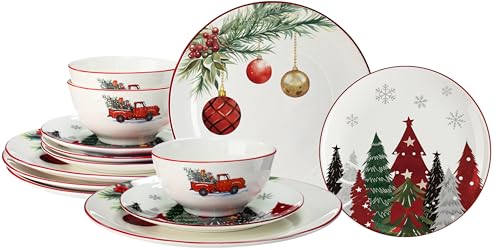
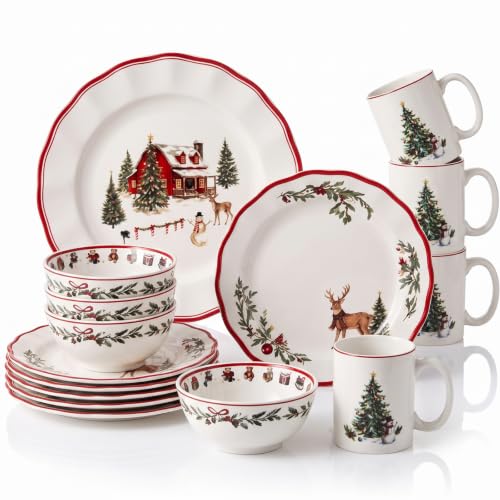

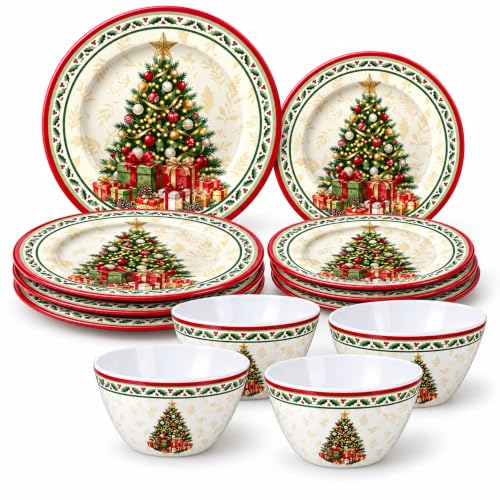

Choosing by Budget: What a Good Set Looks Like at Each Tier
Instead of chasing a single winning set, shop by tier. Each price level has a clear job: budget sets cover a crowd cheaply, midrange sets balance looks and daily durability, and premium sets aim to become the dishes your family associates with the holiday itself. Use the checklists below to judge any set you find in the product table above or in a store.
Budget Tier: The Checklist That Matters
Around $40 to $80 usually buys a stoneware or melamine service for four to eight with a simple seasonal motif. Judge this tier on completeness and honesty of materials. The set should include dinner plates, salad plates, bowls, and mugs for every place setting, with no fillers like tiny condiment dishes padding the piece count. Designs are printed rather than painted, which is fine at this price.
The trade offs are weight, thinner glazes, and patterns that may fade sooner in the dishwasher. This tier suits first apartments, big casual gatherings, and anyone who wants a festive table without worrying when a plate chips during a lively dinner.
Midrange Tier: The Checklist That Matters
Around $90 to $200 is where porcelain and finer stoneware appear, usually as a service for eight with serving pieces included. Expect crisper artwork, better glaze coverage on the undersides, and rims that feel finished rather than stamped. Many sets at this level are chip resistant and safe for the microwave and dishwasher, which matters when the same set serves both the holiday and regular December meals.
This is the sweet spot for most households because the jump in refinement is visible at the table while the price stays reasonable. Check that replacement pieces or open stock are available, since one broken plate should not retire a whole set.
Premium Tier: The Checklist That Matters
Above about $250, you are paying for bone china or fine porcelain, hand applied detail, metallic rims, and large coordinated collections that can grow to a service for twelve. The pieces feel lighter yet ring clearly when tapped, a sign of dense, well fired material. Serving platters, gravy boats, and matching serveware usually join the place settings at this level.
The honest trade off is care. Metallic trim often means hand washing and no microwave use. This tier suits hosts who set a formal table every year and plan to hand the set down. If your holidays are casual and crowded, the extra money buys little you will actually notice.
What Your Money Gets You at Each Price Tier
Price tiers are really about three things: the material under the glaze, the amount of hand finishing, and the size of the collection. Understanding those three explains nearly every price gap you will see, and it helps you spot a midrange set wearing a premium price tag.
Budget Tier: What to Expect
Budget sets rely on machine production from start to finish. Stoneware bodies are thicker, which resists chips at the rim but makes stacks heavy. Patterns are decals or prints under a clear glaze, bright when new and gradually softer after many washes. Place settings cover the basics and serving pieces are rare, so plan to use plain white serveware you already own alongside them.
Midrange Tier: The Sweet Spot for Most Buyers
Midrange sets add better clay, tighter quality control, and designs with more color layers and detail. You also start seeing useful extras: a platter, a serving bowl, sometimes salt and pepper pieces that match. Glazes resist utensil marks better, and the feet of plates are ground smooth so they stack without scratching the piece below. For a set that must look special in December and work hard the rest of the year, this tier earns its price.
Premium Tier: When Spending More Pays Off
Premium money pays off in translucency, artwork, and longevity of the pattern line. Fine porcelain lets light glow faintly through a held up plate, and hand finished rims feel unmistakable. Established premium lines often stay in production for years, so replacements remain findable long after a budget pattern is discontinued. If you host the same large gathering annually and enjoy formal presentation, those qualities compound in value every season.
Features Worth Paying For and Ones to Skip
Not every feature on a box deserves your money. The five areas below separate the upgrades that change daily use from the extras that mostly change the price. Judge each one against how your household actually eats, washes, and stores dishes.
Material and Food Safety
Porcelain and stoneware are the safest mainstream choices: both are nonporous when glazed, so they do not absorb food odors or stains. Look for lead free and cadmium free statements on decorated pieces, especially on brightly colored rims that touch food. Melamine is fine for cold and warm serving but should not go in the microwave. Glass sets are inert and easy to clean, though patterns printed on the underside last longer than surface prints.
Durability and Build
Durability shows at the rim and the foot. Rolled or reinforced rims chip less when plates knock together in the sink. A fully glazed foot ring prevents the scratchy stacking damage that dulls patterns over time. Stoneware tolerates daily knocks best, porcelain is stronger than it looks but dislikes sudden temperature swings, and thin glass needs the most gentle handling. Ask how the set handles a cold plate meeting hot food, because thermal shock cracks more holiday dishes than drops do.
Comfort and Ergonomics
Comfort sounds odd for dishes until you carry a loaded platter across a crowded room. Plates with a slight rim curve are easier to grip with oven mitts, and mugs need handles that fit two fingers without pinching. Bowl depth matters too: shallow bowls look elegant but slosh soup, while deep bowls keep gravy and sauces where they belong. Weight adds up across a service for twelve, so a set that feels pleasant piece by piece can turn into a heavy cabinet load.
Size, Capacity, and What Is Included
Count place settings against your real guest list, then add two settings for breakage and surprise guests. Read the piece list carefully, because a 32 piece set might serve eight fully or sixteen partially. Dinner plates around 10 to 11 inches fit most cabinets and dishwashers; oversized 12 inch chargers and plates may fit neither. If storage is tight, stackable designs with straight sides take far less shelf height, and our guide to the best quality dinnerware sets explains build details that help sets last.
Heat Resistance and Cookware Safety
Dinnerware is for serving, not cooking, but heat still matters. Oven safe ratings around 350 to 450 degrees Fahrenheit let you warm plates or keep sides hot, which improves a holiday meal more than most people expect. Microwave safety depends on the material and the trim: plain porcelain and stoneware are fine, metallic rims are not. Keep melamine and plastic out of both appliances, and avoid moving any ceramic straight from a cold counter into a hot oven.
Long Term Costs to Factor In
The purchase price is only part of what a holiday set costs. Replacement pieces for discontinued patterns can cost several times their share of the original set, so favor lines that sell open stock. Storage is another cost: padded plate dividers and a dedicated bin protect edges for a few dollars and prevent the slow chipping that ruins sets in closets. Hand wash only premium sets add time cost every season. Finally, consider growth. A set you can extend from eight to twelve settings later spreads its cost across years instead of forcing a full replacement when your gatherings grow. Coordinating pieces from broader holiday lines, such as those in our guide to the best christmas sets, can stretch a smaller dinnerware purchase further.
FAQs
What material is safest for food?
Fully glazed porcelain and stoneware are the safest everyday choices because their surfaces are nonporous and stable. Choose decorated sets that state they are lead free, and be cautious with vivid interior paint on very cheap imports. Glass is also inert and safe. Whatever you pick, retire pieces with cracked glaze, since cracks can harbor residue and weaken the piece.
Are christmas dinnerware sets dishwasher safe?
Most stoneware and plain porcelain sets are dishwasher safe, and midrange sets usually say so clearly. Sets with gold or platinum trim should be hand washed to protect the metal. Printed budget patterns last longer on the top rack with a gentle cycle. When in doubt, wash the first piece alone and check the pattern before trusting the whole set to the machine.
How long do christmas dinnerware sets last?
A stoneware set used a few weeks per year can last decades, because seasonal use limits wear. Porcelain lasts just as long if it avoids thermal shock and hard knocks. The usual failure points are chipped rims and faded prints rather than breakage of whole pieces. Storing plates with felt or foam dividers between them is the single cheapest way to add years.
Is a full set better than buying pieces?
A full set is better value when you need complete place settings for a group, since bundled pricing beats piece by piece buying almost every time. Open stock buying wins when you already own plain serveware and only want festive salad plates or mugs to layer over it. Many hosts do both: one core set, then a few accent pieces that echo table decor such as the displays in our guide to the best christmas village sets.
Our Verdict
Spend first on material and completeness, then on artwork. A midrange porcelain or stoneware service for eight, with replacements available and room in your cabinets, will out serve both a fragile premium set and a thin budget one. Match the tier to your guest count and care habits, check the comparison table above, and the best christmas dinnerware sets for your holidays will be the ones still looking bright many seasons from now.


