
Best Childrens Winter Boots Made Simple for 2026: A Clear Buying Guide
Disclosure: We may earn a commission when you buy through links on this page, at no extra cost to you. As an Amazon Associate I earn from qualifying purchases. Learn more

Buying childrens winter boots for the first time? This simple guide covers warmth, fit, closures kids can manage, and slush ready waterproofing.
Buying winter boots for a child for the first time sounds easy until you face a wall of temperature ratings, insulation numbers, and closures you cannot pronounce. This guide keeps the process plain: it explains the handful of terms that matter, then walks through a simple buying order for the best childrens winter boots for your weather, your child, and your school mornings. There are no product reviews here and no pressure to buy the priciest pair, just the order that experienced parents follow. The comparison table below gathers the current options in one place so you can check each step against it as you read.
The order matters more than any single feature. Warmth comes first because it follows from your climate and from how your child travels each day. Next comes the closure your child can work alone, then fit with a little growing room, then weight, and then waterproofing matched to slush rather than to postcard snow. Get those five decisions right and the name on the box matters very little.


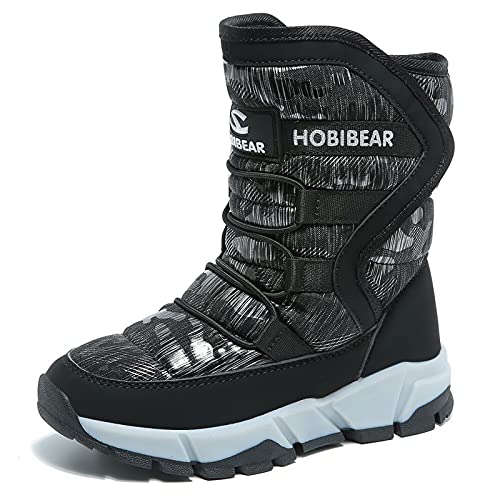
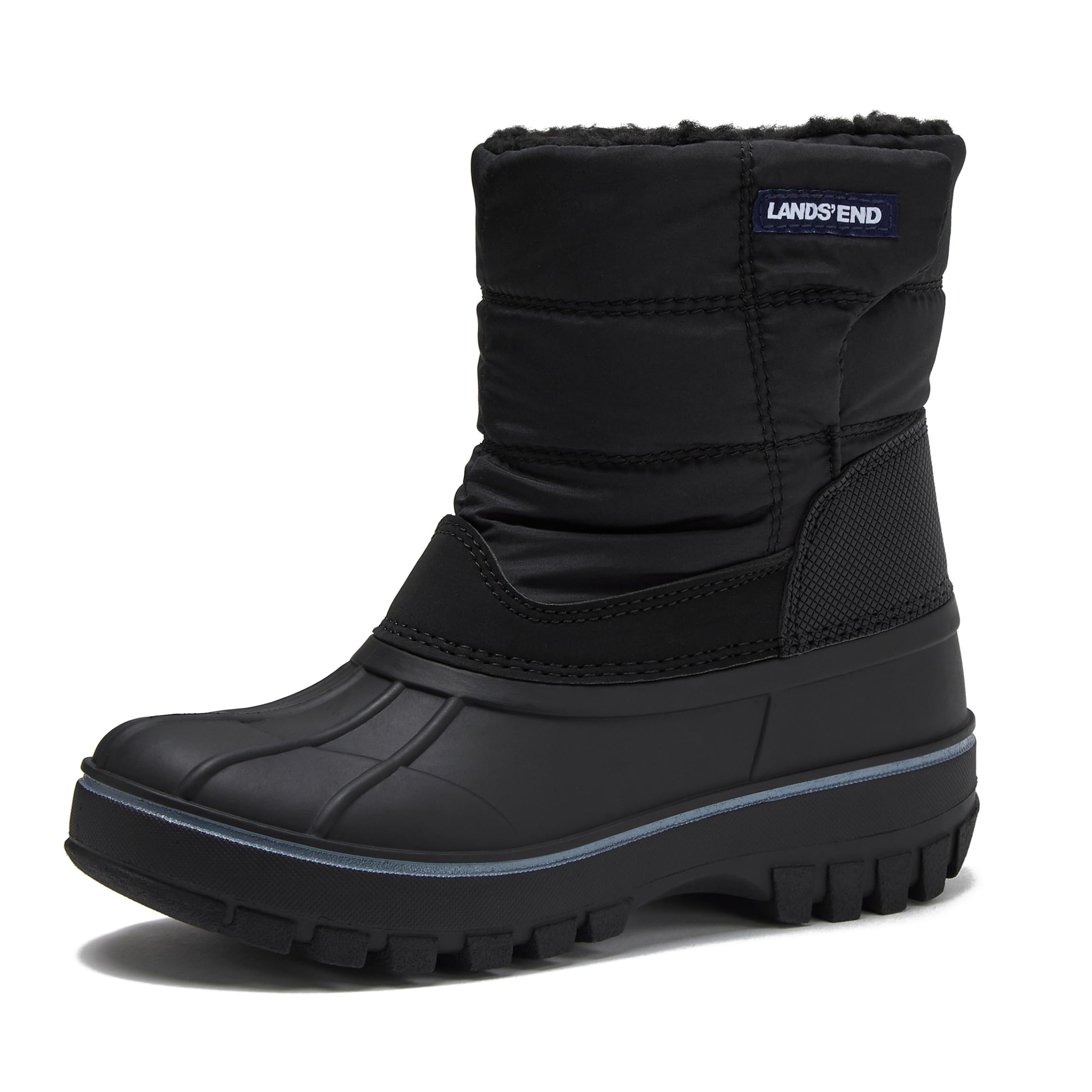
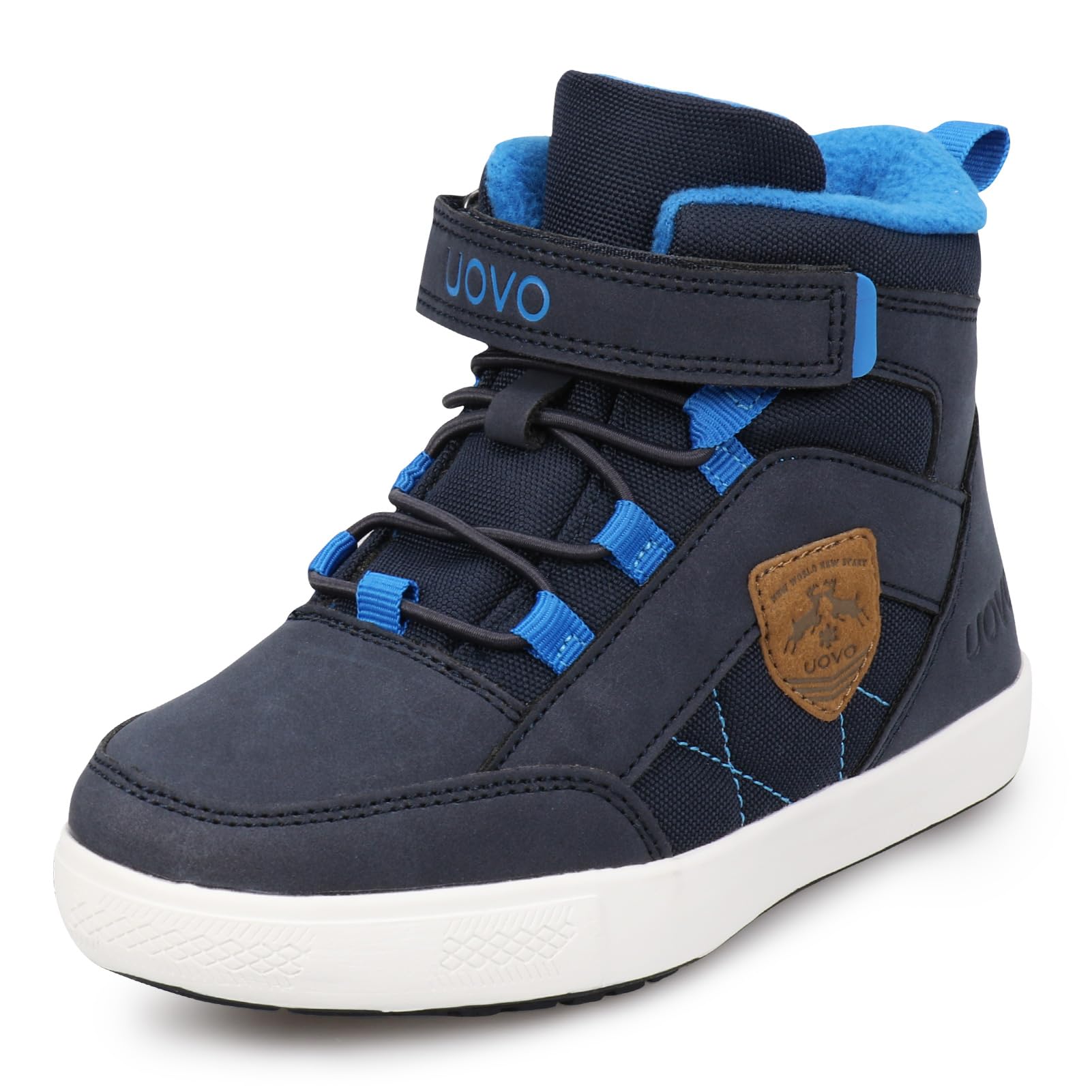
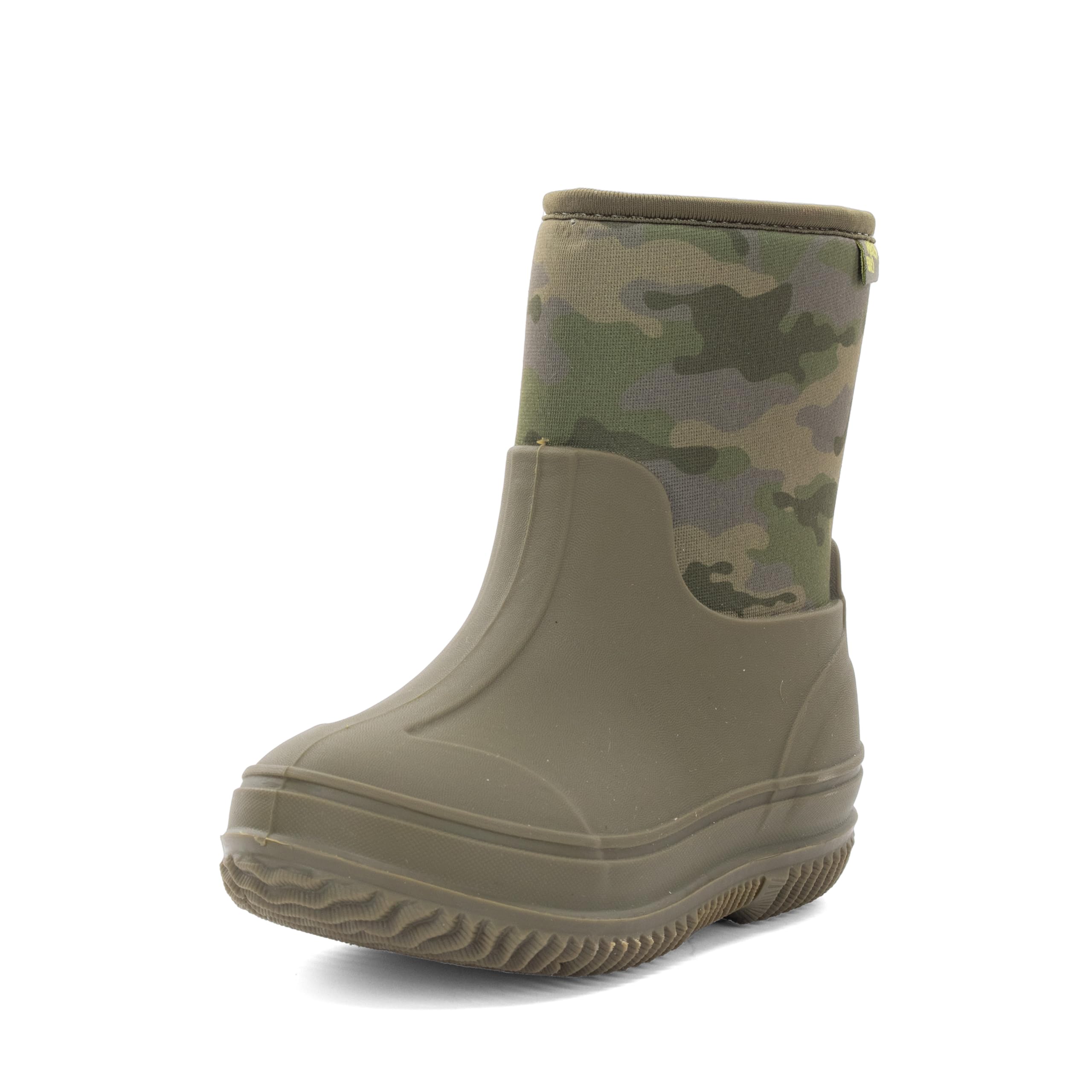
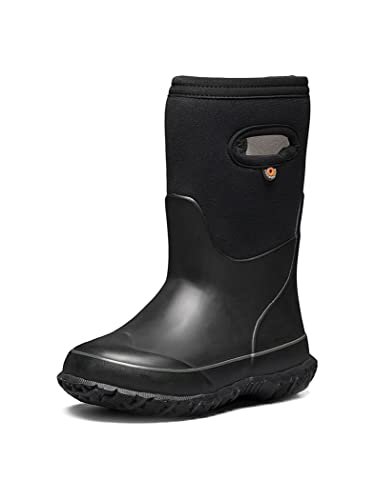

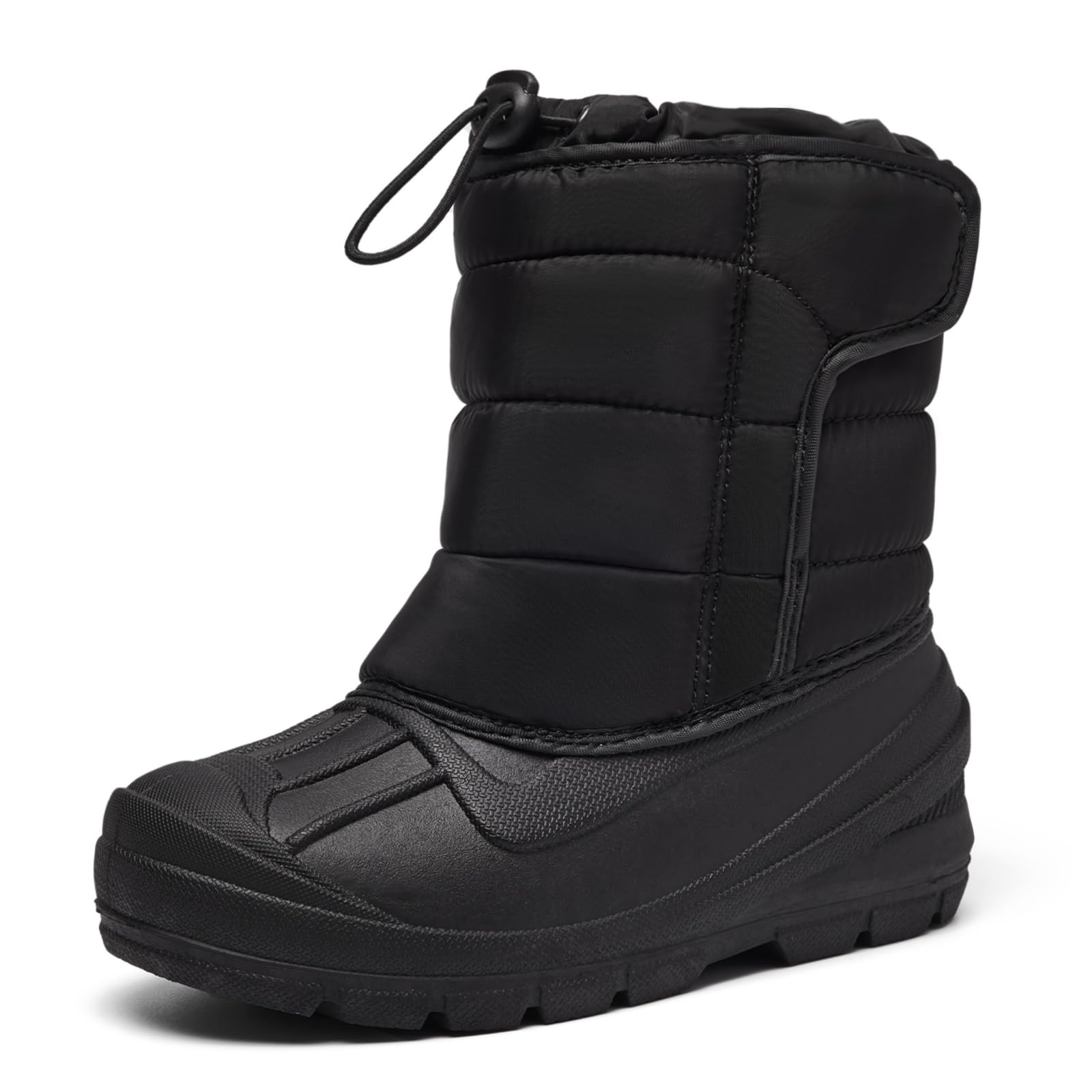
Winter Boots 101: The Basics in Plain Language
A winter boot is a boot built to keep a foot warm and dry in cold, wet weather. It has four working parts. The upper wraps the foot and ankle, the insulation traps warmth inside, the lining wicks sweat away from the skin, and the outsole grips cold ground. Many children boots add a rubber lower shell, which is the part that stands in slush puddles without soaking through.
A winter boot is not a rain boot and not a fashion boot. Rain boots block water but carry almost no insulation, so small feet go cold fast. Regular sneakers and fashion boots soak through at the first puddle and offer little grip on ice. If adults in your house need the same basics explained, our guide to the best winter boots covers the grown up versions of every term used here.
One term deserves an early warning. The temperature figure printed on a box, such as rated to minus 25 degrees, is a maker estimate, not a promise. It assumes a moving child, dry socks, and a boot that fits well. A child standing still at a bus stop gets cold far sooner than the box suggests, which is why the buying order below starts with how your child actually spends winter days.
Key Specs Explained in Plain English
Warmth Ratings and Insulation
Insulation is usually foam, synthetic fill, or a removable felt liner, and more of it means a warmer but bulkier boot. For school runs and playground time in a typical cold climate, a midweight insulated boot handles most days. For long sledding sessions or regions where afternoons stay well below freezing, choose the heaviest insulation class and a removable liner you can dry overnight. Cold feet in a warm rated boot usually trace back to damp socks or a tight fit that slows circulation, not to the insulation itself, so start with your coldest normal week, not the coldest day on record, and buy for that.
What Kids Should Look For
The headline factor for children is the closure, because a boot a child cannot open and close alone will cost you ten minutes every school morning. Hook and loop straps and bungee toggles suit younger children, pull on styles with side handles suit confident dressers, and laces suit older children who can tie them snugly and retie them at school. Beyond the closure, look for a light boot with a flexible sole that bends at the ball of the foot, since stiff soles tire small legs on the walk to school. Reflective trim is a small bonus for dark winter afternoons.
Fit, Sizing, and the Toe Box
Measure feet late in the day, when they are at their largest, and have your child wear the thick socks the boots will pair with. The fit target is about a thumb of space between the longest toe and the front of the boot, and no more. That space leaves room to grow and lets toes wiggle, which keeps them warmer.
Two thumbs of space is too much, because the foot slides, the heel lifts, and cold air pools around the toes. The toe box should let toes lie flat without squeezing the sides, and a small amount of heel lift on the first walk is normal while a stiff new sole settles. If your child is between sizes, choose the larger one and fill the gap with a thicker sock.
Upper Materials and Breathability
Uppers come in leather, nylon, and rubber, and each trades warmth, weight, and care differently. Leather is durable and warm but needs occasional conditioning and costs more. Nylon is lighter and cheaper, and most nylon boots pair the fabric upper with a rubber lower shell for puddle duty. A full rubber boot shrugs off slush entirely but breathes poorly, so feet sweat on active days and then chill.
Breathability matters more than many parents expect. A child who runs hard at recess fills a sealed boot with moisture, and damp insulation loses warmth, so a boot that vents a little often feels warmer by pickup time than a fully sealed one.
Arch Support and Growing Feet
Young arches are still developing, and flat looking feet are common and usually normal in children under six. Most children do fine in the flat, cushioned insole a winter boot ships with, and thick winter socks add a soft layer of their own. Removable insoles are a plus because you can swap in a thicker pair as feet grow or pull them out to dry. Boots are footwear, not treatment, so talk with your pediatrician if your child has persistent foot pain, limps after normal play, turns one foot inward in a way that keeps getting worse, or wears one shoe down far faster than the other.
Waterproofing: Membranes and Coatings
Waterproofing comes in three grades. A waterproof membrane is a barrier layer inside the boot that blocks liquid water while letting some vapor escape, and it is the strongest option short of rubber. A water resistant coating sheds light snow and splashes but wets through in standing slush. A rubber lower shell simply cannot leak below the ankle.
Match the grade to your real winter. Most school days are slush, salt, and wet pavement rather than deep snow, so a membrane boot or a rubber shell boot covers the season. Save full membrane money for children who walk far or play outside for hours. Remember that any boot fills from the top in snow deeper than its cuff, whatever the label says.
Boot Height and Snow Depth
Shaft height decides how deep a child can wade before snow pours in at the top. Ankle height boots suit cleared sidewalks and short playground sessions, while mid calf and taller boots suit sledding hills, unplowed paths, and deep backyard snow. A taller shaft also helps a pull on boot stay on in sticky snow, because the cuff hugs the leg above the narrowest point. The trade is weight and stiffness, so buy the shortest shaft that honestly covers your deepest normal snow day rather than the tallest boot on the shelf.
Cold Weather Safety Every Parent Should Know
Warm boots help, but supervision does the real safety work in winter. Check your child toes and cheeks at every indoor break on very cold days, and end the outing early when the fun stops. Some cold signs mean get inside and seek medical care rather than waiting it out. Feet or toes that stay numb, skin that looks pale or waxy, shivering that suddenly stops, and unusual sleepiness or confusion all need prompt attention from a clinician.
Two habits prevent most cold feet complaints. First, start with warm, dry socks, and carry a spare pair because one stepped in puddle can chill a child for the rest of the outing.
Cotton socks hold moisture against the skin, so wool or synthetic socks serve better. Second, never send a child out in boots that are still damp inside from yesterday, since damp insulation starts the day cold. The care section below explains the overnight drying habit that prevents that.
Rookie Mistakes to Avoid
- Buying two sizes up to last two winters. Oversized boots trip small children, rub blisters, and let cold air pool around the foot, so the savings never arrive.
- Judging by the temperature rating alone. Ratings are maker estimates that assume an active child and dry socks, so a high number on the box can still mean cold feet at a bus stop.
- Choosing laces for a child who cannot tie them. A boot that comes loose at school stays loose all day, and loose boots are cold and unsafe on stairs.
- Skipping the sock plan. Thin cotton socks undo a good boot, because they hold sweat and slush water against the skin and chill the foot.
- Waiting for the first snowstorm to shop. Common children sizes sell out early in the season, and a rushed purchase usually means the wrong size or the wrong closure.
First Wear and Everyday Care
Start with a short indoor try on session on carpet, so the boots stay returnable if the fit is wrong. Have your child walk, climb a few stairs, and practice the closure alone three times. Then take two or three short outings before the first long sledding day, which lets stiff materials soften and reveals any rubbing while it is still a small problem.
Care is mostly about drying. Pull removable liners and insoles out every night and stand them in open air away from direct heat, because radiators and heaters crack leather and melt glues. Brush off road salt before it dries white on the upper, wipe rubber shells with a damp cloth, and stuff the boots loosely with newspaper if they come home soaked. A boot dried this way is warm the next morning, and the product table above can help you compare liner and closure designs if drying speed matters in your house.
Outfitting the Rest of the Family
Children boots get the attention, but parents standing at the same bus stop need honest winter footwear too. Adult sizing skips the growing room question and adds concerns like arch support on icy sidewalks, yet the same order applies: warmth for your climate, a closure you can manage with gloves, and waterproofing for slush. Mothers can start with our guide to the best ladies winter boots, while fathers comparing work ready options can look at the best boots men winter guide or the roundup of the best winter boots for guys. Buying the whole family in one order also makes the spare sock habit easier to keep.
Winter Boot Questions Answered
What makes winter boots for kids different from adult boots?
Kids winter boots differ in fit, closures, and weight rather than in basic design. Children outgrow boots in a season or two, so makers use simpler closures a child can work alone, lighter materials small legs can lift, and roomier toe boxes for growing feet. Adult boots add work ratings, taller shafts, and stiffer soles for long standing shifts. The most useful difference to remember is sizing: a child needs about a thumb of growing room, while an adult buys a close fit.
Do children need fully waterproof winter boots?
Most children need waterproofing only where slush actually reaches, which is the lower half of the boot. A rubber lower shell or a membrane boot handles school runs, wet pavement, and playground puddles for a full season. Full waterproofing earns its price for children who walk long distances or play in wet snow for hours. For mostly dry, cold regions with powder snow, a water resistant boot that breathes better can feel warmer, because feet stay drier from the inside.
How much growing room should kids winter boots have?
About a thumb of space in front of the longest toe is the right target, roughly half an inch. That gap leaves room for thick socks and for growth across one season while keeping the foot stable. More room is not better: an extra size lets the heel lift with every step, which causes trips on stairs and blisters on long walks. Check the fit again mid season by pressing the toe area while your child stands, since some children grow a full size before spring.
Can kids wear winter boots all day at school?
Yes, most children can wear winter boots through a school day, and many schools expect it during snow months. Comfort over a full day depends on weight and breathability more than on insulation, so a midweight boot beats the warmest expedition style for classroom wear. If your child overheats indoors, ask the school about indoor shoes and send the boots for travel and recess only. Either way, pull the liners out at home each evening so the boots start dry the next day.
How long should a pair of childrens winter boots last?
Plan on one season of daily wear, because growth usually ends a pair before the materials do. A well made boot often survives to a younger sibling if the outsole lugs still have depth, the closure still grips, and the liner has no packed flat spots. Replace a pair mid season if toes reach the front, the shell cracks, or the sole has worn smooth on ice. Handing down works best when you air the liners out and store the boots dry and loosely stuffed over the summer.
Are expensive winter boots for children worth it?
Higher prices usually buy a real membrane, a removable liner, and a closure rated for thousands of cycles, and those features matter for children who walk far in wet climates. For a short car to door routine in a mild winter, a mid priced boot with a rubber shell performs nearly as well. The better value test is cost per wearing: a boot worn daily for five months justifies more spending than one worn twice. Whatever you spend, fit and closure still decide whether the boot actually gets worn.
The Bottom Line
Keep the order simple and the choice gets easy. Match the warmth class to your climate and to how your child travels, choose a closure your child can open and close alone, and fit the boot with about a thumb of growing room and no more. Weight and slush ready waterproofing finish the job. The best childrens winter boots for your family are the pair that pass those five checks, and the product table above lets you compare the current options against each one before you order.


