
Best Childrens Snow Boots in 2026: A Buyer Checklist
Disclosure: We may earn a commission when you buy through links on this page, at no extra cost to you. As an Amazon Associate I earn from qualifying purchases. Learn more

A parent checklist for the best childrens snow boots: fit with growing room, honest warmth ratings, closures kids can work, traction, and fair prices.
Kids snow boots fail in ways adult boots never get the chance to. They get outgrown in February, pulled off in a snowdrift, or soaked through by recess, and the child wearing them cannot fix any of it alone. This checklist works through the best childrens snow boots the way a parent actually has to judge them: by fit, by honest warmth, and by whether a small person in mittens can get them on, keep them on, and stay warm inside them.
The comparison table below sets the main styles side by side with typical prices. After that, each check explains what to look for, what to skip, and the point where a cheaper boot stops being a bargain. Everything here is written for children specifically, because a small boot is not simply an adult boot made in a smaller size.


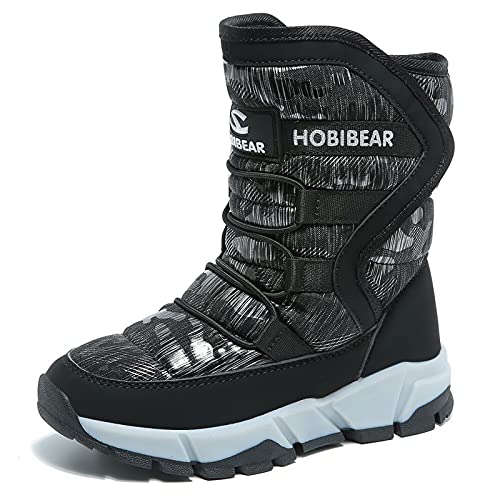
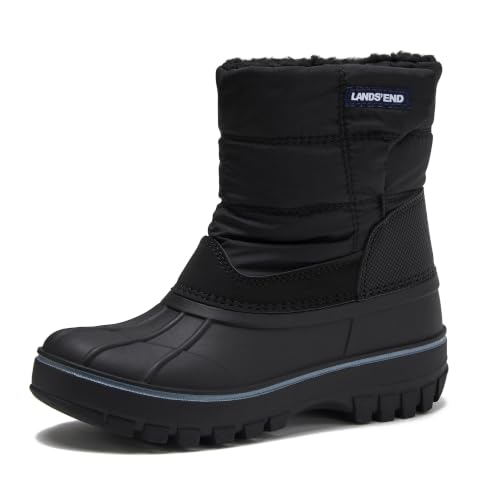


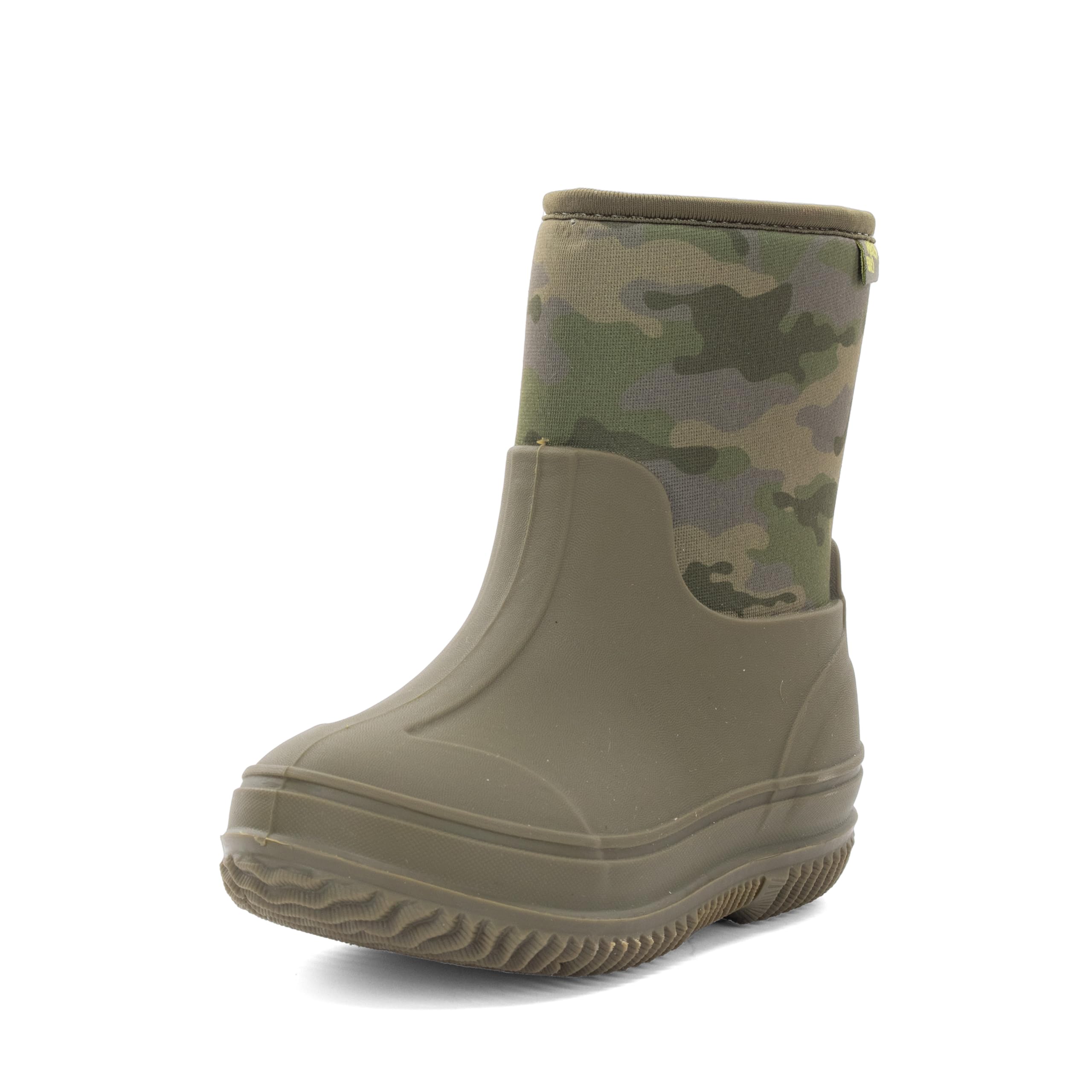
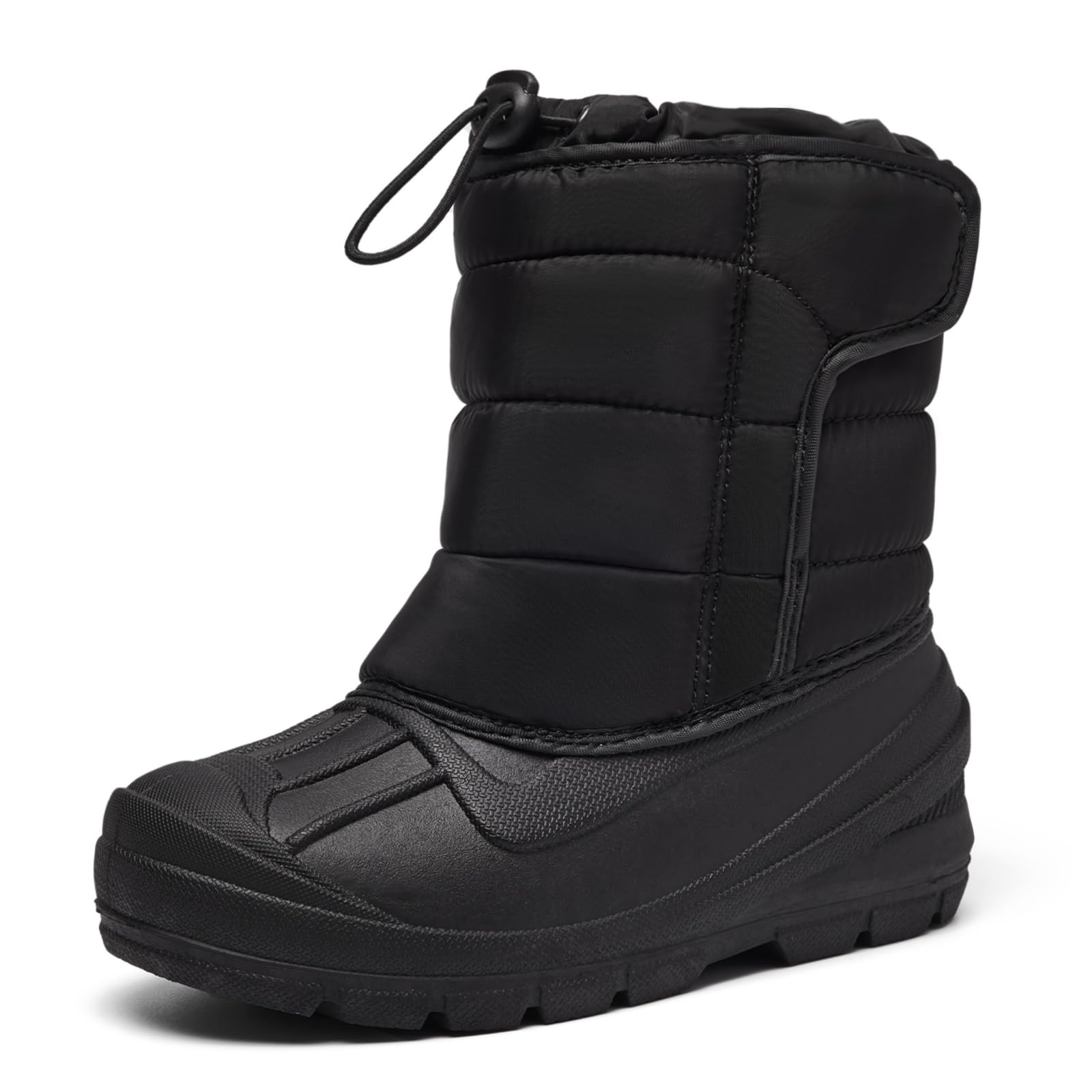
The Buyer Checklist, Step by Step
Work through the five checks in order. The first two decide whether a boot can do its job at all, and the last three decide whether it survives a whole season of school days and snow play. Price does not change the list: the best childrens snow boots at about $35 and at about $90 both have to pass the same five checks before either one earns its money.
Check One: Fit With a Thumb of Room, and No More
Have your child stand in the boots wearing the socks they will actually use, ideally late in the day when feet are at their largest. You want about a thumb width of space, roughly half an inch, between the longest toe and the end of the boot when your child stands at full weight. That room covers a season of growth and lets the toes move, which helps circulation and therefore warmth. More room is not a saving: an oversized boot lets the heel lift with every step, trips a child on stairs, and pumps cold air in and out around the ankle as they walk.
Check Two: Warmth Judged for a Child Who Moves Less
Temperature ratings on kids boots are estimates set by each maker, with no shared standard behind them, and they quietly assume a wearer who keeps moving and generating heat. A child in a sled, on a ski lift, or standing at a bus stop moves far less than a child racing around a playground, so the same rated boot can leave a still child cold. Look past the rating to how much insulation the boot actually holds, and judge warmth as a whole outfit: a warm hat and proper layers matter as much as the boot itself. For children who mostly stand or ride, choose more insulation than the label on a playground boot suggests.
Check Three: Closures a Child Can Work in Mittens
Test the closure in the shop with mittens on, because that is how it will be used on a school morning with the bus coming. Wide hook and loop straps and big bungee toggles pass this test easily, while small buckles and long laces fail it until a child is considerably older. This matters beyond convenience: a boot a child cannot fasten properly gets worn loose, and a loose boot loses warmth fast and can come off entirely in deep snow. Teachers cannot refasten twenty pairs of boots at recess, so a closure your child can manage alone is a safety feature, not a luxury.
Check Four: Retention and Traction for Deep Snow
A tall cuff with a drawcord top or a snug gaiter style opening keeps snow out and, just as important, keeps the boot on when a small leg pulls upward out of a drift. A boot left standing behind in deep snow ends the outing on the spot, and it usually soaks a sock on the walk back as well. For grip, look for deep, widely spaced lugs that shed snow instead of packing flat against the sole. No tread pattern makes ice safe, so treat icy patches as a supervision problem rather than a shopping problem, and expect packed snow, not glare ice, to be what these soles can honestly handle.
Check Five: Waterproofing to the Cuff, and a Dry Backup
Waterproof membranes and sealed seams work only up to the top of the boot. Step into snow deeper than the cuff and water enters from above no matter what the label promised, and once the inside of a boot is wet it dries slowly, sometimes not fully overnight. Plan for that day instead of trusting the label: pack spare socks in the school bag, keep a full dry change of clothes at home, and prefer removable liners where you can find them. A liner pulled out in the evening dries by morning, while a fixed lining often stays damp and starts the next day cold.
Before you pay, run one last test in the shop: have your child walk the length of the store, climb any step or ramp available, and squat down and stand up again in the boots. Watch the heel as they walk. A heel that lifts clear of the insole with every step will rub blisters and leak warmth all winter, and a child who cannot squat without the boot pulling at the toes has too little room, whatever the size tag claims.
The Styles You Will See in the Shop
Three styles cover most of the shelf, and they divide by how the boot will spend its days rather than by fashion. Parents fitting the whole family in one trip can apply the same checks at adult sizes with the guides to the best ladies snow boots and the best snow boots for man, and the general guide to the best snow boots covers the adult version of this checklist in full.
Tall Insulated Boots for Deep Snow and Long Days Outside
These stand about 8 to 10 inches tall, carry the most insulation of the three styles, and usually come with a removable felt style liner. They suit sledding hills, rural bus stops, snow forts, and any child who plays outside for an hour or more at a stretch. The cost is weight: a small child in a heavy boot lifts each foot thousands of extra times a day, so check that your child can walk across the shop without dragging. Expect to pay about $50 to $90 for this class, and judge the price against how many full winters of hand me down use the pair might still have in it.
Lighter Boots for School Days and Mixed Play
Shorter and more flexible, this class trades insulation for an easy walk to school and quick changes in the classroom doorway. It suits children whose snow time comes in recess length bursts on mostly cleared ground, and it is the class most parents mean when they compare the best winter snow boots for everyday wear. The honest limit is standing still: on the coldest mornings at the bus stop, this class runs out of warmth first. Prices usually run about $30 to $55, which makes it the sensible buy for a fast growing child in a mild snow climate.
Toddler Boots for First Winters
Toddler boots should be the lightest pair in the shop, with soft flexible soles that let a new walker feel the ground and wide openings that defeat nobody at dressing time. Toddlers are carried a great deal and ride in sleds, so they move less than any other age group and need warmth out of proportion to their size. Traction matters less than insulation at this age, since a toddler in deep snow is going nowhere without a hand to hold. Expect about $25 to $45, and expect to buy again next winter regardless of quality, because feet at this age grow faster than boots wear out.
Cold Weather Safety: What No Boot Can Do
No boot makes a child safe in serious cold on its own. Children lose heat faster than adults and often cannot or do not report numb feet, so supervision is part of the equipment. Check toes at every indoor break on very cold days, and set a time limit for being outside rather than waiting for complaints that may never come.
End the outing and get inside if your child's feet stay numb or look pale, if shivering stops even though they are still out in the cold, or if they become unusually sleepy or clumsy. Those are signs to seek medical care promptly, not signs to add another layer and carry on. Warm cold feet gradually indoors; never rub them with snow and never hold them against very hot water. If your child has circulation problems or any condition that affects the feet, talk with their clinician about cold weather limits before the season starts.
Red Flags on a Listing or a Box
- A temperature rating printed large with no mention anywhere of how much insulation the boot holds, which usually means the number is marketing rather than measurement.
- An adult size chart attached to a childrens boot, a sign the sizing was never properly worked out for growing feet.
- Smooth fashion soles with shallow tread sold as snow boots; they belong on dry pavement and will slide on packed snow.
- Waterproof claims for a plain fabric boot with no membrane and no sealed seams to back the words up.
- Advice to buy two sizes up for growing room, which trades a season of tripping, heel lift, and cold ankles for a small saving.
Care That Gets a Pair Through the Season
Most kids boots die from damp rather than from wear, so drying is the whole care routine. Pull liners and insoles out after wet days and let everything air dry at room temperature, away from radiators and heat vents, since direct heat cracks materials and warps soles. Stuffing the boots loosely with newspaper draws moisture out overnight and helps them hold their shape. Clear packed snow and grit out of hook and loop straps so they keep their grip, and knock dried mud off the lugs before it hardens.
Before handing a pair down to a younger child, press the insulation with your fingers: if it feels flat and lumpy rather than springy, the warmth has gone even if the boot looks fine.
At the end of the season, wash off road salt and grit, dry the boots completely, and store them standing upright somewhere cool and dry rather than crushed at the bottom of a closet. Check them again on the first cold weekend of autumn instead of the first snowy school morning, because straps lose grip and children gain sizes over the summer, and both surprises are easier to solve in October than in a storm.
Childrens Snow Boots: Your Questions Answered
How often should I check the fit of my child's snow boots in winter?
Check about once a month through the season, because growth in young children arrives in spurts rather than steadily. Stand your child in the boots with winter socks on and feel for the toes: if they press the end, the pair is done even if that happens in the middle of February. A boot that fit perfectly in November is not promised to fit at spring break, and cold toes from a tight boot are a fit problem, not a warmth problem.
What socks should kids wear inside snow boots?
One pair of wool blend socks is the right answer for most children on most days. Cotton socks hold sweat against the skin and turn cold as soon as a child stops moving, while two pairs of socks crowd the toes, slow circulation, and often leave feet colder than one good pair would. Send a dry spare pair in the school bag, because changing into dry socks at midday does more for warm feet than any second pair worn from the start.
Can my child wear snow boots all day at school?
They can, but feet usually do better when they change into indoor shoes, which is why many schools ask for exactly that. A classroom is warm, so feet sweat inside insulated boots, and that damp insulation then chills quickly when the child goes back outside for recess. Snow boots also scuff floors and track in grit and melt water. If your school allows boots all day, at least send the spare socks mentioned above and expect to dry the liners every single night.
Are hand me down snow boots a sensible saving?
Often yes, provided the pair passes two checks before it changes owners. Squeeze the insulation around the ankle and over the toes: it should spring back rather than stay flat, because compressed insulation is lost warmth. Then check that the straps still grip hard and that the lugs are not worn smooth in the middle of the sole. A sound hand me down from a sibling beats a brand new fashion boot with slippery soles, since fit and insulation decide warmth, not the age of the box.
Do toddlers need warmer snow boots than older children?
Yes, usually, because toddlers generate far less heat of their own. They are carried, pushed, and pulled in sleds, and they take fewer steps than a school age child who warms up by running. Choose insulation and light weight over deep tread for this age, and keep outdoor sessions shorter than you would for an older child. A toddler boot also has to be light enough that a small leg can lift it; a boot that gets dragged tends to work itself off in the snow.
Wrapping Up
Fit first, with a thumb of room and no more than that. Judge warmth for the child who stands still at the bus stop rather than the one racing around the advertisement, and insist on closures your child can work alone with mittens on. On those terms, the best childrens snow boots are simply the pair that stays on, stays dry up to the cuff, and still fits in February. Compare your shortlist in the product table above, run the five checks in the shop before you pay, and keep the spare socks packed all season.


