Best Childrens Mountain Bike: Sizing, Brakes and Gears (2026)
Disclosure: We may earn a commission when you buy through links on this page, at no extra cost to you. As an Amazon Associate I earn from qualifying purchases. Learn more

Sizing, brakes, gears, and tires explained for the best childrens mountain bike, so a young rider gets a bike that fits and builds confidence on the trail.
A kids' mountain bike is not a shrunken adult bike, and the wrong size spoils a trail ride faster than any missing feature. The best childrens mountain bike for your family depends first on wheel size and standover height, then on brakes a small hand can squeeze, then on how much weight a young rider can lift over a root. The product table above lists current bikes, and this guide explains how to read the numbers behind them.
We start with sizing because it decides everything else, then move through brakes, gears, suspension, tires, and what to spend. Along the way you will find short checks to run in the garage before the first dirt ride.
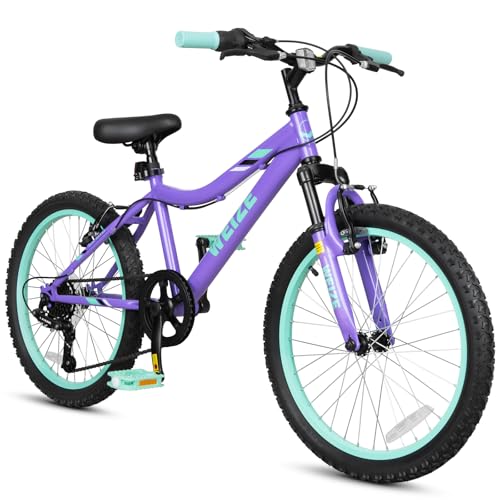
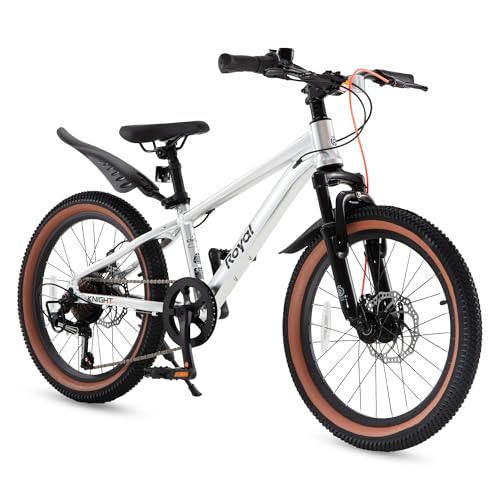


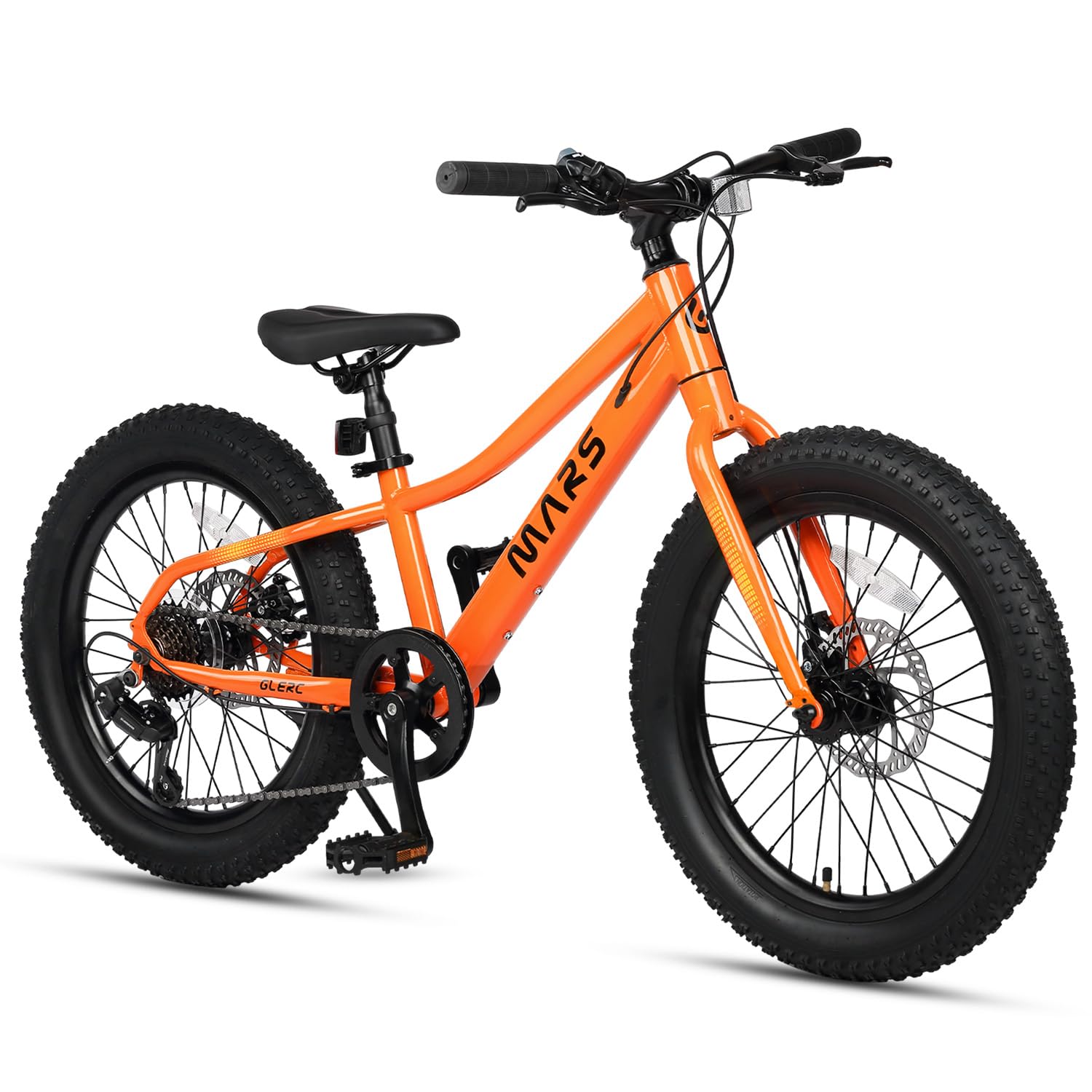
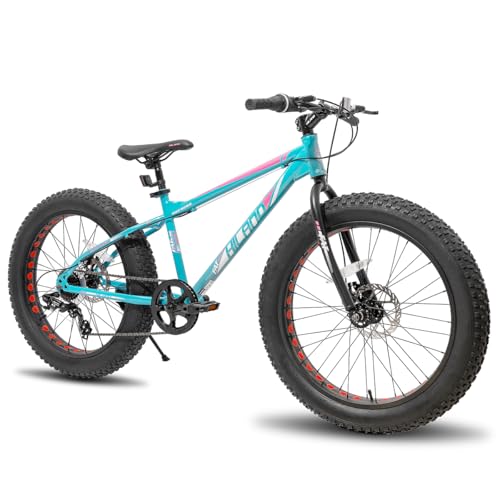

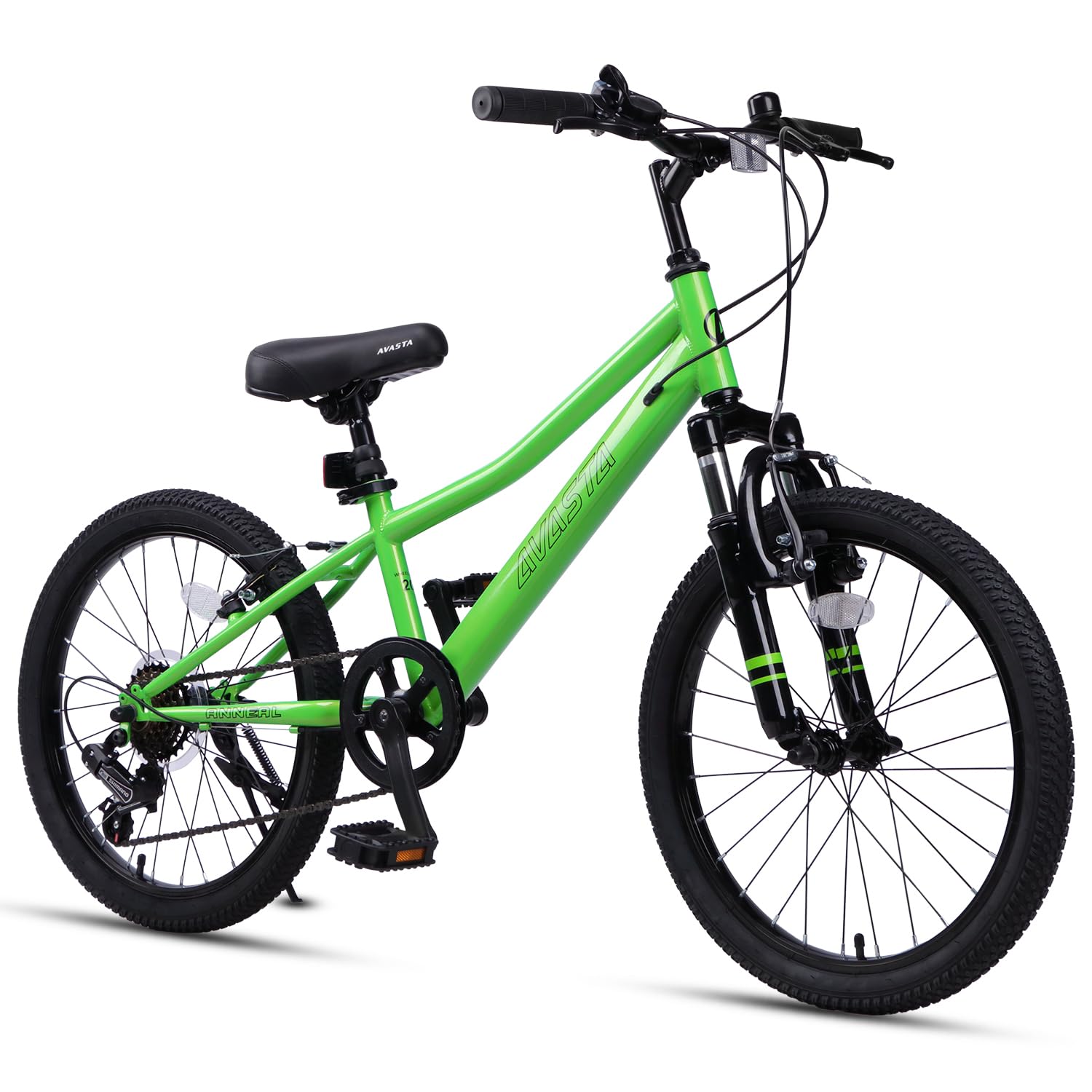


Sizing a Children's Mountain Bike by Wheel Size and Height
Mountain bikes for children are sold by wheel diameter, usually 20, 24, or 26 inches, rather than by frame letter. Age ranges on the listing are only a rough guide because children of the same age differ by several inches in height. Use height and inseam instead.
A 20 inch wheel typically suits riders from roughly 44 to 56 inches tall, a 24 inch wheel fits taller children, and a 26 inch wheel is the step before an adult small frame. Many sellers print a recommended rider height range right in the listing, which is the number to trust over the age label.
The Standover and Reach Check
Have your child stand over the top tube in regular shoes. There should be an inch or two of clearance, so a slip off the saddle on a trail does not end badly. Then sit the child on the bike with the pedal at the bottom of its stroke: the leg should be nearly straight with a slight bend at the knee, and the arms should reach the grips without locking the elbows.
Buying a bigger bike to grow into usually backfires on a mountain bike. Oversized bikes are harder to turn, harder to brake, and scarier on descents, and a nervous rider stops enjoying the sport. A bike that fits now, with the seat raised as the child grows, keeps the confidence high.
Brakes Sized for Small Hands
Children have less hand strength, so brake lever reach matters more than the type of brake. Look for levers with an adjustable reach so the blades sit close to the grip, and check that your child can pull them firmly with two fingers while holding on with the rest of the hand.
Rim brakes are common and easy to adjust, but they weaken when wet. Mechanical disc brakes give steadier stopping in mud and rain and need adjusting less often, though they add a little weight and cost. Hydraulic discs feel lightest at the lever but are rare on smaller bikes. Whichever type you choose, test both brakes in the driveway before every trail day.
Gears, Suspension, and Weight
Gears help a child climb hills without a struggle, but more is not better. Six to eight speeds with a simple twist or trigger shifter are plenty for family trails, and a child who can find the right gear without looking down will ride farther. Bikes with 18 or 21 speeds suit older riders who already know how to shift.
Front suspension forks take the sting out of rough ground, but cheap forks add weight and rarely move well on a small rider. A rigid fork on a light frame often rides better than a heavy bike with a basic spring fork. Weight deserves a real check: lift the bike yourself, because a bike that feels heavy to an adult feels like a sack of bricks to a child pushing it up a slope.
Tires and Tread
Knobby tires around two inches wide handle dirt, gravel, and wet grass. Wider fat tires roll more slowly on pavement but add grip and comfort on loose ground and sand. Check the maximum tire pressure printed on the sidewall and keep pressure in the middle of that range for mixed riding.
What Different Budgets Buy
Children's mountain bikes cost roughly $130 to $320 in the product table. At the low end you get a steel frame, rim brakes, and a basic six speed drivetrain, which suits park paths and gentle trails. In the middle range, aluminum frames, disc brakes, and better forks cut weight and improve stopping. Near the top you find lighter frames and smoother components that make sense for a child who rides most weekends or will pass the bike to a younger sibling.
Safety and Setup Before the First Ride
Always fit a properly sized helmet, and consider gloves and closed shoes for trail rides. Tighten the wheel nuts or quick release levers, check that the saddle clamp holds, and spin each wheel to confirm it runs straight. Follow the maker's age and weight guidance, and supervise younger riders on any slope or near traffic.
Care After Muddy Rides
Rinse mud off with a gentle hose, avoid blasting the bearings, and wipe the chain dry before a light coat of bike lube. Check tire pressure before each ride, and look over brake pads and cables every few weeks. A few minutes of care keeps a trail bike safe and shifting smoothly through several riders.
Related Guides to Compare
For a wider view of kids' bikes, see our guide to the best children's bikes. If you also want to compare adult trail frames for a taller teen, our guides to the best mtb mountain bike and the best bike for mountain biking show how components change at larger sizes.
Frequently Asked Questions
What wheel size does my child need?
Match wheel size to height, not age: roughly 44 to 56 inches tall suits 20 inch wheels, and taller children move to 24 inch wheels. Check the standover clearance and the leg extension at the bottom of the pedal stroke, then pick the smaller bike if the child falls between sizes.
Do kids need suspension on a mountain bike?
Not always. A light rigid bike often feels better than a heavy bike with a basic spring fork. Suspension helps on rough, rooty trails and for older riders who can adjust it, but for gravel paths and smooth singletrack it adds weight without much benefit.
Are disc brakes better than rim brakes for children?
Disc brakes stop more consistently in wet and muddy conditions and need less hand force, which helps small riders. Rim brakes are fine for dry paths and are easy to adjust. Whichever you choose, make sure the levers can be set close to the grip.
How many gears does a child's mountain bike need?
Six to eight gears cover most family trails. More gears mean more shifting decisions, which can confuse a young rider. Older children on hilly routes can use 18 or 21 speeds once they shift confidently.
How long will a kids' mountain bike last?
A well sized bike usually serves a child for two to three seasons before the next wheel size is needed. Regular cleaning, correct tire pressure, and fresh brake pads extend its life, and a solid bike can pass to a younger sibling afterwards.
The Bottom Line
Pick the wheel size by height, check the brakes with your child's own hands, and choose the lightest bike your budget allows. Review the product table above, run the standover and brake checks, and the best childrens mountain bike for your child will be the one that feels easy to stop, easy to lift, and easy to ride on the first dirt trail.