Best Childrens Watches: What Actually Matters Before You Buy
Disclosure: We may earn a commission when you buy through links on this page, at no extra cost to you. As an Amazon Associate I earn from qualifying purchases. Learn more

The best childrens watches checklist: size, legibility, straps and water resistance, plus analog, smart and rugged picks.
A first watch is a small milestone for many kids. It helps them learn to tell time, keep track of school routines and feel a little more independent. Children's watches range from simple analog watches with easy to read faces to rugged digital watches and smartwatches with fitness tracking or GPS. This guide to the best childrens watches walks through the checklist we use to judge them, so you can choose a watch that fits your child's age, habits and wrist.
We cover our evaluation criteria, three picks, a quick buyer checklist, red flags, care tips and answers to common questions. Every watch in the table above is sold new on Amazon US. For smartwatches with calling or GPS, review the privacy settings and parental controls before giving the watch to your child.




How We Evaluate the Best Childrens Watches
We judge children's watches on seven points: kid friendly design, movement type, strap, legibility, water resistance, brand and warranty, and case and crystal materials. A watch that is easy to read, comfortable, durable and suited to the child's age passes; one that is hard to read, uncomfortable or fragile fails.
What Kids Should Look For
Kids need watches that are easy to put on, easy to read and tough enough for the playground. Young children learning to tell time do best with clear analog faces with all 12 numbers. Older kids may prefer digital watches with stopwatches and alarms, or smartwatches with step counting.
Good: a size and style the child likes wearing. Poor: an adult sized watch that slides around a small wrist.
Comfort matters as much as looks. A lightweight case and soft strap mean kids keep the watch on all day instead of leaving it in a backpack. Let your child help choose the color or pattern, which makes them more likely to wear it.
Movement Type (Quartz, Automatic, Solar, Smart)
Most kids' watches use quartz movements, which are accurate, affordable and run for years on a battery. Digital watches are also quartz based. Smartwatches, like the BIGGERFIVE, run on rechargeable batteries and add features like step tracking. Automatic and solar watches are rare for young children.
Good: quartz for simple, reliable timekeeping. Poor: complex watches that need frequent charging for a child who forgets.
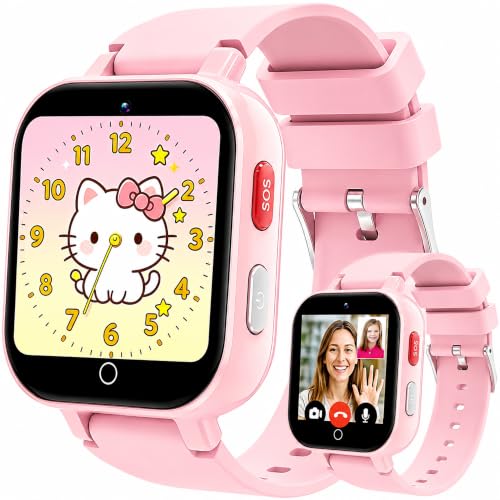
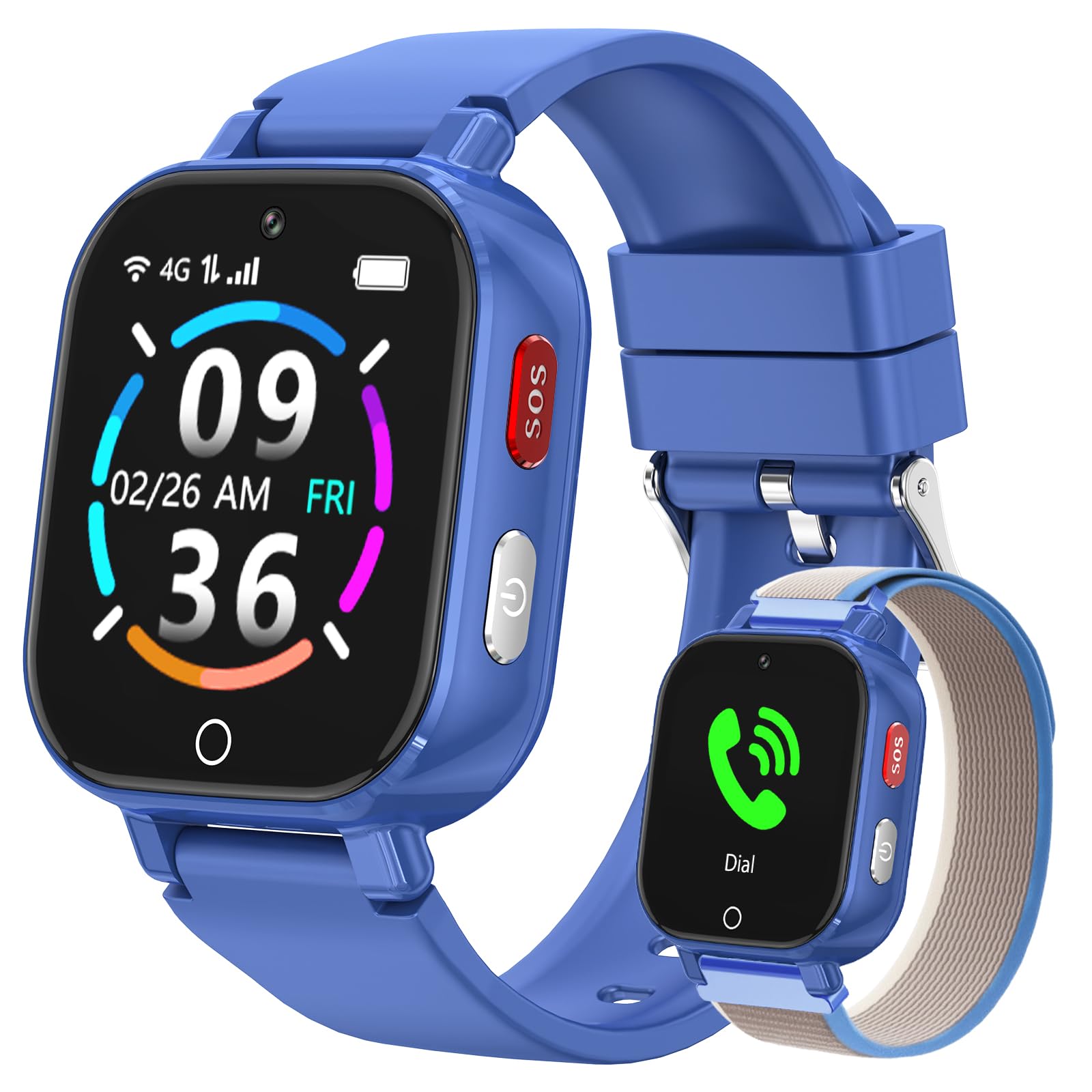
GPS and calling smartwatches, like the DXPICR and MOKAST 4G models, need a SIM card and data plan from a compatible carrier, which adds monthly cost. Check carrier compatibility before buying.
Strap and Bracelet Options
Straps should be soft, adjustable and easy to fasten. Elastic fabric straps, like the Timex TIME Machines 29mm, slide on without buckles, and Fast Wrap hook and loop straps adjust quickly. Resin straps, like Casio's, are water friendly and durable.
Good: straps kids can put on themselves. Poor: tiny buckles that frustrate small fingers.
Check strap length for growing wrists. Elastic and hook and loop straps adjust over a wide range, so the watch can fit for a couple of years as your child grows.
Legibility and Style
Analog faces with full numbers and contrasting hands help kids learn to read time. Digital displays should be large and backlit; the Casio AE-1500WH has an extra large display with an LED backlight. Fun colors and patterns encourage kids to wear their watch.
Good: high contrast faces and backlights. Poor: cluttered dials with tiny markers.
Some learning watches label the minute track with numbers 5 through 60, which helps kids read minutes as well as hours. A second hand also helps kids understand how time passes.
Glow in the dark hands or backlights help kids check the time at night or in dark classrooms during presentations.
Water Resistance Rating
Kids splash, wash hands and swim. Water resistance ratings help you understand limits: 30 meters handles splashes, 50 meters handles swimming in some cases and 100 meters, like the Casio AE-1500WH, suits swimming. Smartwatches often list IP ratings.
Good: at least splash resistance for young kids and 100 meters for swimmers. Poor: no water resistance information.
Even water resistant watches should not be worn in hot tubs or saunas, since heat can damage seals. Rinse watches after swimming in chlorine or saltwater.
Pressing buttons underwater can let water in on some watches, so teach kids to avoid it.
Brand Reputation, Warranty, and Value
Established brands like Timex and Casio have long track records for durable, affordable watches. Smartwatch brands vary, so check warranty terms and app support. Price ranges from around $22 for basic digital watches to around $80 for GPS smartwatches.
Good: clear warranty and reliable app support for smartwatches. Poor: unknown brands with no support.
For younger kids, a modest price is wise, since watches can be lost at school or camp. Many parents start with an affordable watch and upgrade once the child shows they can keep track of it.
Lacoste's L.12.12 kids' quartz watch is a more stylish option for older kids who want a recognizable brand, at around $75.
Crystal and Case Materials
Kids' watches usually use resin or plastic cases, which are light and tough, and acrylic or mineral crystals. Acrylic scratches more easily but resists shattering. Metal cases are heavier and better for older kids.
Good: lightweight, impact resistant cases. Poor: glass crystals that crack when bumped.
Bumpers or raised bezels around the crystal, common on sport watches, protect the face from knocks on the playground.
For older kids, stainless steel case backs resist corrosion from sweat better than plain metal.
3 Picks That Pass Our Checklist
Our picks are the Timex TIME Machines 29mm for young kids learning time, the BIGGERFIVE kids smartwatch for value and features and the Casio AE-1500WH for heavy use and swimming. Each suits a different age and routine.
These three show how the best childrens watches differ by age: simple analog for learning, smart features for tech curious kids and rugged digital for active older children.
Best Overall: Timex TIME Machines 29mm Elastic Fabric Kids Watch
The Timex TIME Machines 29mm suits young kids learning to tell time, at around $30. It pairs a kid sized 29mm case with an elastic fabric strap that slides on without buckles, from a brand known for durable, affordable watches.
Two strengths stand out: the small case fits young wrists, and the stretchy strap lets kids put the watch on by themselves. Timex TIME Machines watches come in many colors and patterns that appeal to kids. The limitation is features, since a simple analog watch lacks alarms and stopwatches. Skip it if your child wants a digital or smart watch.

Best Value: BIGGERFIVE Kids Smart Watch (No Phone Needed)
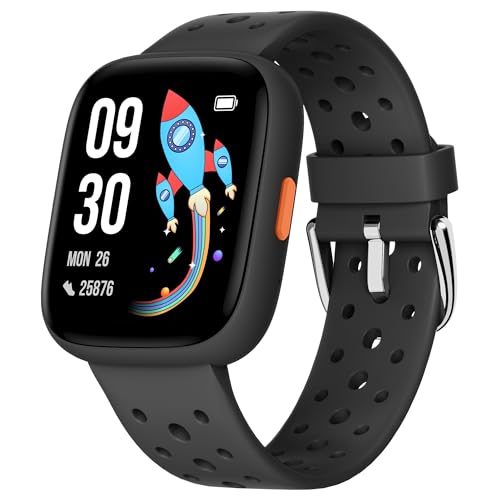
The BIGGERFIVE kids smartwatch is for families who want activity tracking and fun features at a low price, at around $34. It counts steps, distance, calories and active minutes, supports 80 sports modes, monitors heart rate and sleep and has a 1.8 inch HD touch screen.
Its strengths are working without a phone, with more features through the app, and parent controls that can restrict games during school. Five built in puzzle games are included. The trade off is charging, since smartwatches need regular recharging. Skip it if you want a simple watch that runs for years on a battery.

Best for Heavy Use: Casio AE-1500WH Digital Sports Watch
The Casio AE-1500WH suits older kids and teens who are hard on their gear, at around $30. It has an extra large display, 100 meter water resistance, a 10 year battery, LED backlight, dual time, a 1/100 second stopwatch, countdown timer and five alarms, according to Casio.
The appeal is toughness and low maintenance: a lightweight resin case and band handle sports and swimming, and the battery lasts about a decade. The limitation is size, since it is a men's watch that may be large on small wrists. Skip it for young children with very small wrists.

Quick Buyer Checklist
- Is the case size right for your child's wrist?
- Can your child put it on without help?
- Is the face easy to read for their age?
- Does the water resistance match their activities?
- Does a smartwatch have parental controls and clear privacy settings?
- How often will it need charging or a battery change?
- Is there a warranty?
If you can answer yes to most of these, the watch is likely a good match for your child's age and routine.
Red Flags to Watch For
- No water resistance information. Kids will get their watches wet.
- Unclear privacy policies. GPS and calling watches collect location data.
- Tiny buckles. Kids struggle and leave watches at home.
- Cluttered faces. Hard to read dials slow learning.
- Glass crystals. Can crack with playground bumps.
For smartwatches, also watch for apps that request unnecessary permissions or lack clear data deletion options. Choose brands that explain what data they collect and how parents can manage it.
Tips to Get the Most From Your Watch
Practice reading time together with an analog watch, using daily routines like lunch and bedtime. Rinse watches with fresh water after swimming or sandy play. For smartwatches, set charging routines, such as overnight on the kitchen counter, and review app settings regularly.
Teach kids to take watches off for activities where they could get damaged, such as rough sports, and keep a regular spot at home for the watch at night so it is easy to find in the morning.
Turning time telling into a game, such as asking your child how many minutes until dinner, makes practice fun and builds confidence quickly.
Frequently Asked Questions
What makes watches for kids different?
Kids' watches have smaller cases, easy fastening straps, high contrast faces and tough, lightweight materials. Many add fun colors and characters. Smartwatches for kids add parental controls and limited apps compared with adult smartwatches.
Many kids' watches also use softer, hypoallergenic materials for sensitive skin.
Is a smartwatch worth it over a classic watch?
A smartwatch is worth it if you want activity tracking, alarms and, in some models, GPS or calling. A classic analog or digital watch is better for learning time, needs no charging and has fewer distractions and privacy concerns.
Many schools restrict smartwatches with calling or games during class, so check school rules before buying.
A practical path is to start with a classic watch for learning time, then consider a smartwatch when your child is older and more responsible with devices.
How long does a watch battery last?
Quartz analog and digital watches typically run two to ten years on a battery; the Casio AE-1500WH lists about 10 years. Smartwatches need recharging every few days, depending on use.
A jeweler or watch shop can replace batteries in analog watches quickly, and many digital watches have batteries you can replace at home with a small screwdriver.
How water resistant should a watch be?
For young kids, splash resistance is enough for hand washing and rain. For swimming, choose a watch with 100 meter water resistance, like the Casio AE-1500WH, or one specifically labeled for swimming.
Quartz or automatic: which is better?
Quartz is better for kids. Quartz watches are accurate, affordable, low maintenance and durable. Automatic watches are more delicate and expensive, and they suit older collectors rather than children.
Teens interested in mechanical watches can explore affordable automatics later as a hobby.
Our Verdict
The best childrens watches are easy to read, comfortable and tough enough for daily play. The Timex TIME Machines 29mm is our best overall pick for young kids learning time, the BIGGERFIVE smartwatch offers great value and features and the Casio AE-1500WH suits older kids who need a rugged, water resistant watch.
For more ideas, see the best workout watches, the best quality watches, the best educational toys and the best Nerf guns. Then compare current prices in the product table above.
Whichever you choose, the best childrens watches are the ones kids enjoy wearing and can read easily, so involve your child in the choice and match features to their age.