Best Childrens Hiking Boots: A 2026 Checklist for Parents
Disclosure: We may earn a commission when you buy through links on this page, at no extra cost to you. As an Amazon Associate I earn from qualifying purchases. Learn more

Use this parent checklist to compare childrens hiking boots by fit, grip, weight and waterproofing, with price bands, red flags and second hand checks.
Shopping for a young hiker is a different job from shopping for yourself. Your child's feet are still growing, your family trails are shorter, and a boot that pinches, rubs, or slips can end a hike faster than bad weather. The best childrens hiking boots are not just adult boots in smaller sizes, so this guide works through a parent checklist instead: fit, grip, weight, coverage, and value, in that order.
Each box below explains what to check in the shop, what good looks like, and what should send a pair back to the shelf. The comparison table below gathers current pairs in one place so you can compare sizes, weights, and prices side by side before you decide.
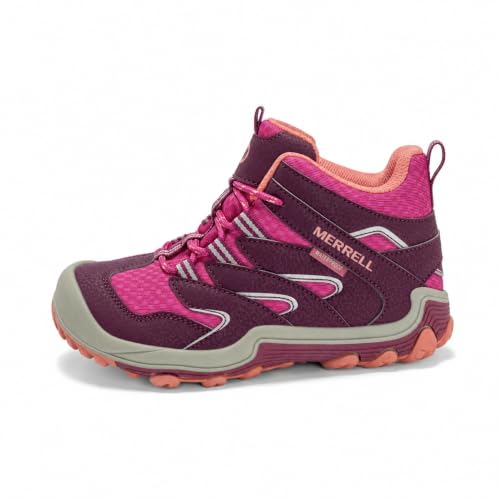

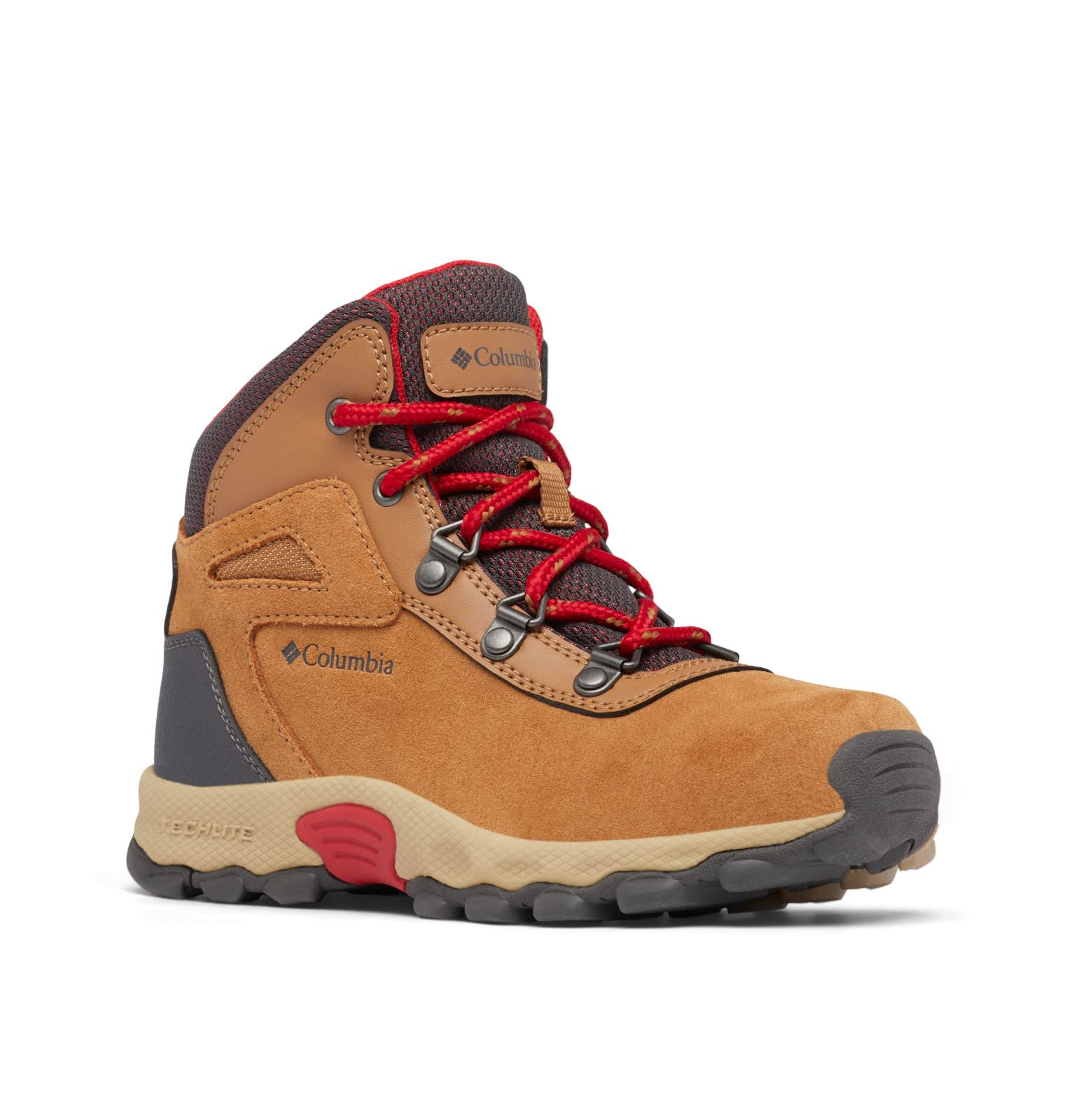


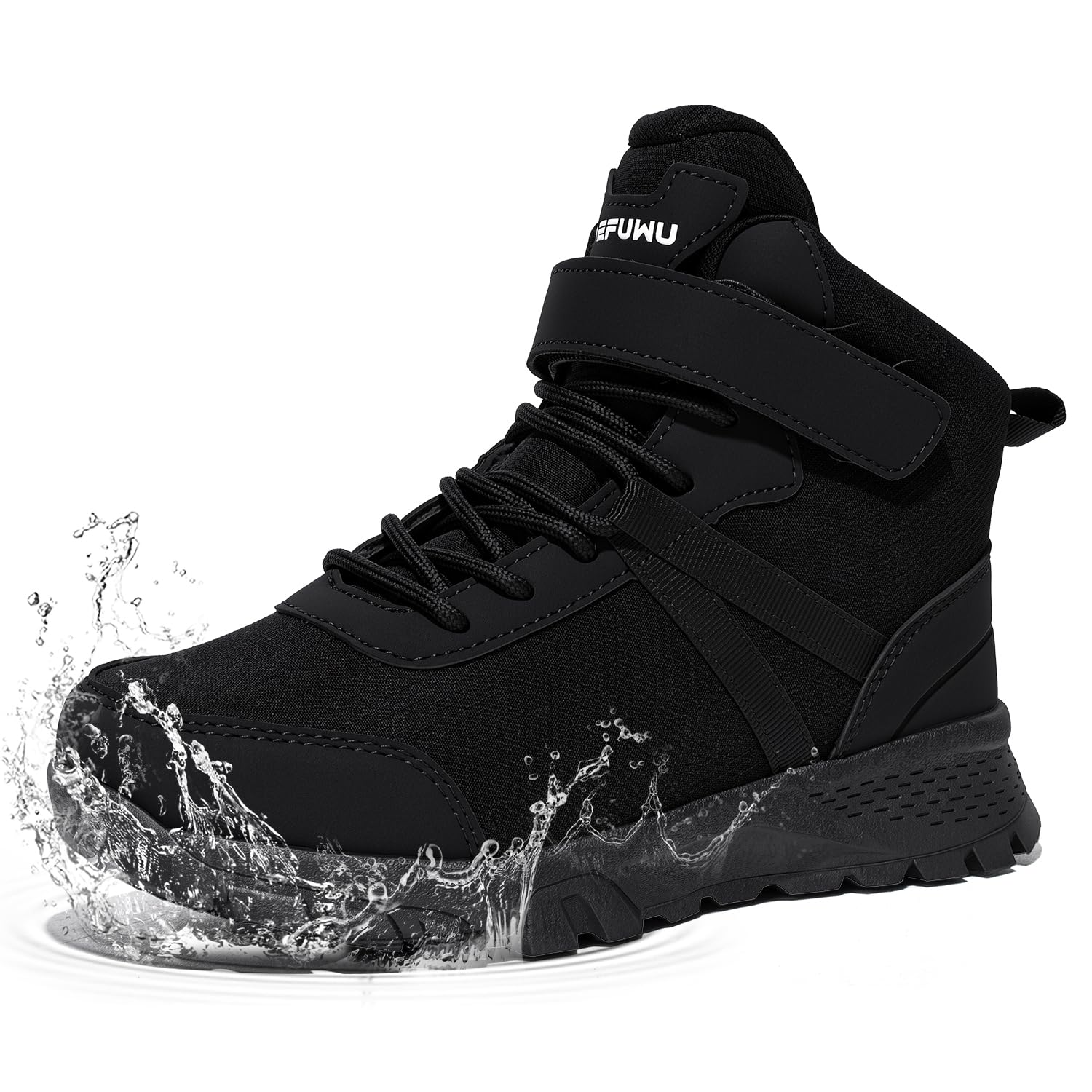

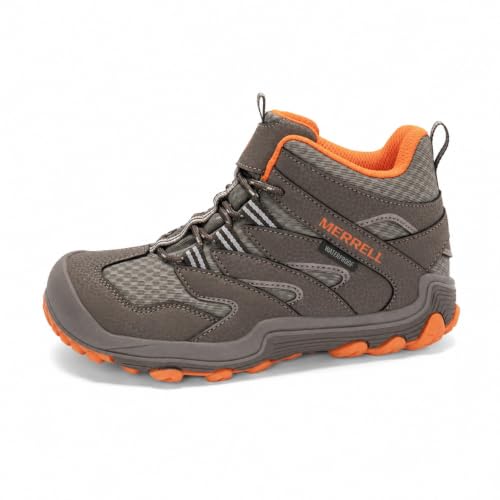
The Parent Checklist: What to Check Before You Buy
Work through the boxes in order. A boot that fails the fit box will not be saved by great grip, and a bargain price means little if small legs are too tired to enjoy the trail.
Box One: Fit Comes First, With Room to Grow but No Heel Slip
Measure both feet late in the day, with your child standing and wearing the socks they will hike in, because feet spread under load and swell as the day goes on. Look for about a thumb width of space, roughly half an inch, between the longest toe and the front of the boot. That space is the growth room and the downhill room: on a descent the foot slides forward, and toes that jam the front come home sore and blackened.
Growth room has a limit, and this is where many parents overshoot. If the heel lifts out of the heel cup with every step, or the whole foot slides side to side, the boot is too big today, whatever it will fit next season. A loose boot lets the foot slam around inside, which causes blisters on the trail and trips on uneven ground. A snug heel with a roomy toe box is the goal, and wiggle room for toes should never come with a wandering heel.
Box Two: Grip for Wet Rock, Mud, and Loose Dirt
Turn the boot over. A hiking outsole has deep, spaced lugs that bite into mud and clear it as the foot rolls, plus a defined heel edge that brakes on the way down a slope. Smooth soles, shallow fashion treads, and hard shiny rubber belong on pavements, not on wet roots and loose gravel. If you are choosing between two pairs, press a thumb into the rubber: a slightly softer compound usually grips wet stone better, though it may wear a little faster.
Match the grip to the walking your family actually does. On short, dry, well kept paths, a sturdy pair of best hiking shoes can serve a child perfectly well. Boots earn their keep when the trail turns rocky, muddy, or steep, when ankles roll more easily and a misstep lands in a puddle. Buying trail grip for pavement only walks adds weight your child does not need.
Box Three: Weight, Because Small Legs Tire Fast
On a child, every extra ounce sits on a much smaller engine. A heavy boot tires small legs, shortens the distance a young hiker can cover happily, and turns the last mile into a negotiation. Pick up one boot, not the pair: if it feels noticeably heavy in your hand, it will feel far heavier at the end of a climb.
The sole should flex at the ball of the foot where the toes bend. A boot that folds in the middle of the arch instead offers little support, while one that will not bend at all forces a small foot to fight it with every step.
Box Four: Ankle Coverage, Cushioning, and Growing Feet
Mid cut boots that rise above the ankle give young walkers some help on uneven ground and keep trail grit and small stones out. Low cut styles are lighter and cooler and suit confident kids on easy paths. Cushioning under the heel matters more than fancy shaping for most children, and the gentle arch contour in a standard insole is enough for the great majority. Removable insoles are a bonus because you can lift one out to check fit against your child's foot.
Comfort is the limit of what a boot can do. If your child has foot pain that keeps coming back, a limp that does not settle, numbness, or one foot that turns in far more than the other, have a clinician look at those feet before you shop. Boots support a healthy hike; they do not correct a medical problem, and the right advice early is worth more than any feature on this page.
Box Five: Waterproofing, Warmth, and Breathability
A waterproof membrane keeps puddle water and wet grass out, which matters for autumn trails, snow play, and boggy campsites. The trade off is heat: sealed boots breathe less, dry more slowly once soaked through, and can leave small feet sweaty on a warm day. For dry summer walking, a plain breathable pair often keeps a child more comfortable than a membrane pair. Either way, budget for proper hiking socks, because cotton socks hold sweat against the skin and undo much of what the boot is doing.
Box Six: Break In and Comfort on the First Hike
Kids boots are built from softer materials than adult boots, so most pairs need only a gentle introduction. Start with the walk to school, a trip around the block, and one short trail before any big day out. Watch for red marks or hot spots after each outing and deal with them early with sock changes or a lace adjustment. A brand new pair should never make its debut on the longest hike of a holiday.
What Each Price Band Buys
Prices settle into three rough bands, and the product table above shows where current pairs fall. Spend follows the walking you plan to do: the best childrens hiking boots for a toddler on park paths are a different purchase from the right pair for a ten year old on rocky hills.
About $30 to $50: Starter Pairs for Short Trails
Entry pairs use lighter materials and shallower lugs, and they are a sensible buy for park paths, nature trails, and a first season of family walks. At this age your child will outgrow the boot long before the sole wears out, so a modest spend protects the budget. Just hold the line on the fit and grip boxes: cheap is fine, slippery and sloppy are not.
About $50 to $80: The Family Hiking Middle Ground
The middle band is where most families should aim for regular weekend trails. You get stickier rubber, better stitching, membrane options for wet climates, and uppers that survive being dragged along rocks and playground walls. Cushioning improves too, which matters once your walks pass the two hour mark. For a child who hikes most weekends, this band offers the best miles per dollar.
About $80 to $120: Sturdier Pairs Built to Hand Down
Top band pairs use stronger uppers, deeper lugged soles, and construction that can survive a second child after the first. They earn their price on rocky routes, in wet climates, and in families with younger siblings already eyeing the hand me down shelf. If your hiking is gentle and your child is an only, the same money is usually better spent on the middle band plus good socks.
Quick Buyer Checklist
- Did you measure both feet late in the day, in hiking socks?
- Is there about a thumb width in front of the longest toe?
- Does the heel stay down when your child walks and climbs a step?
- Are the lugs deep and spaced, with a firm heel edge?
- Does one boot feel light in your hand, and flex at the toes?
- Does the sole bend at the ball of the foot rather than the arch?
- Have you matched waterproofing to your climate, not to habit?
- Is there a younger sibling who could inherit this pair?
Red Flags to Watch For
- Smooth or shallow soles sold as hiking boots: fashion styling with no trail grip.
- Vague sizing with no foot length guide in inches or centimeters.
- Adult weight construction scaled down: heavy boots that small legs cannot carry far.
- Waterproof claims with no mention of a membrane or sealed seams.
- Very short or unclear warranty and returns terms on footwear a child will outgrow.
Hand Me Downs and Second Hand Pairs: What to Check
Because children outgrow boots before they wear them out, the second hand shelf is full of pairs with life left in them. Check the outsole first: worn smooth lugs will not grip, whatever the upper looks like. Press the insole and midsole for dead, compressed spots, look inside for torn linings, and remember that an old waterproof membrane may leak even when the boot looks tidy. A hand me down only saves money if it still fits the child in front of you, so run the same fit box on a used pair as on a new one.
The same logic applies to the adults on the trail. If the grown ups need new boots for the same family routes, guides to best hiking boots for men and best ladies hiking boots cover the adult fit questions, from wider toe boxes to sturdier soles for carrying a child's share of the picnic. Well shod parents set the pace, and nobody enjoys carrying a tired hiker and their boots.
Care Tips That Make a Pair Last the Season
Pull the insoles out and loosen the laces after a wet hike, then let the boots air dry at room temperature away from radiators and direct heat, which crack leather and warp glues. Stuffing the toes with newspaper pulls moisture out overnight. Brush dried mud off before it works into the stitching, and store pairs upright in a dry place rather than in a damp garage bag. Recheck the fit every couple of months during a growth spurt, because a boot that fit in spring can be the blister source by autumn.
Frequently Asked Questions
How much growing room should kids hiking boots have?
About a thumb width, roughly half an inch, in front of the longest toe. Check it with this trick: take the insole out, stand your child on it with the heel at the back edge, and measure the space left at the front. That method works even when a wriggling child will not hold still in the boot. Recheck the fit every two to three months during fast growth, because the room you measured in spring can be gone by the school holidays.
Can kids wear hiking boots all day at school or camp?
They can, and at camp it often makes sense, but boots are best treated as trail tools rather than everyday footwear. Rotating between boots and ordinary shoes lets small feet move in different ways across the week, and it gives a damp pair a full day to dry between outings. For school days on flat playgrounds, lighter everyday shoes are usually kinder. Save the boots for trails, camp activities, and wet or rocky ground where their grip and coverage earn the weight.
Do kids hiking boots need to be waterproof for summer camp?
Not always, and in a hot dry region a breathable pair is often the happier choice. Camp mornings mean dewy grass, muddy activity fields, and the occasional stream crossing, so in a wet region a membrane earns its keep. Either way, pack at least two spare pairs of hiking socks. At camp, dry socks rescue more days than any membrane does, because a child in soaked socks is uncomfortable in the best boot on the market.
How long does the break in period for kids hiking boots take?
Most kids pairs feel right within two or three short outings, because the uppers and soles are softer than adult versions by design. Build up gradually: a walk to school, an afternoon at the park, then a short trail. If a boot still rubs in the same place after a week of short walks, the fit is wrong rather than the child, and the sensible move is an exchange while the returns window is still open.
When should kids hiking boots be replaced?
Replace them when the toes reach the front of the boot, which for growing feet usually ends a pair long before the tread does. Use the insole test again: if your child stands on the insole and the toes meet the front edge, the boot is done for that child. Check the lugs at the same time. A pair replaced for fit with deep lugs remaining is exactly the pair worth passing to a younger sibling or selling on.
The Bottom Line
Fit, grip, and weight decide whether a family hike is a pleasure or a carry. Check the fit box first, match the sole to your trails, and let the price bands steer the spend toward the walking you really do. Choose from the product table above with those three boxes ticked, and the best childrens hiking boots for your child will be the pair they forget they are wearing. Prices and availability can change, so check the product page before ordering.