Best Chairs with Headrest: A Buyer Checklist for 2026
Disclosure: We may earn a commission when you buy through links on this page, at no extra cost to you. As an Amazon Associate I earn from qualifying purchases. Learn more
Compare the best chairs with headrest by headrest fit, lumbar support, seat depth, frame build, and weight capacity before you buy for work or play.
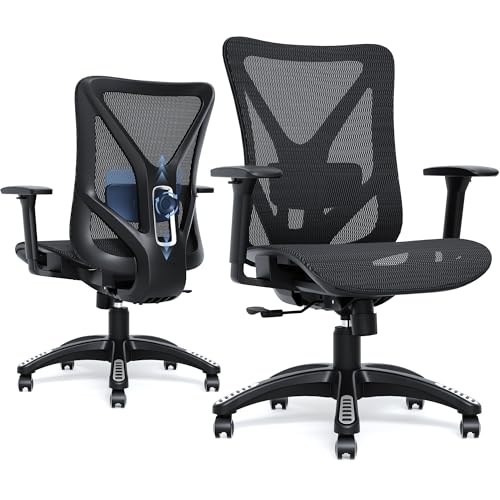
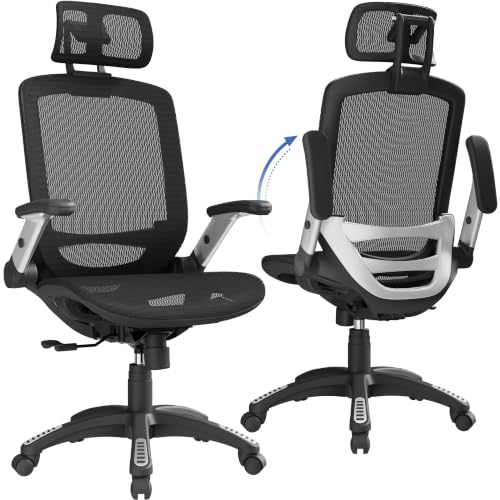
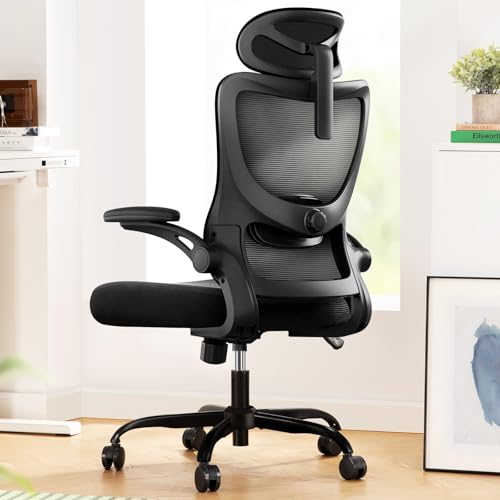
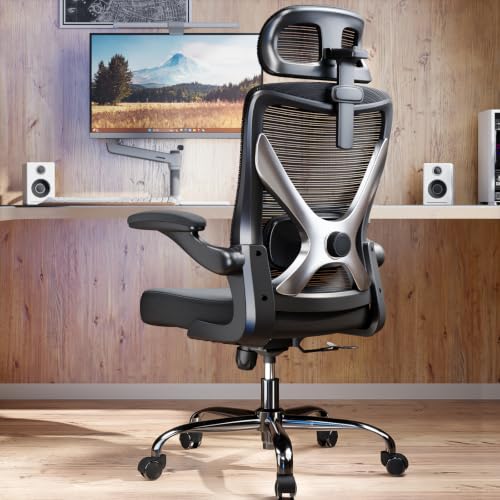
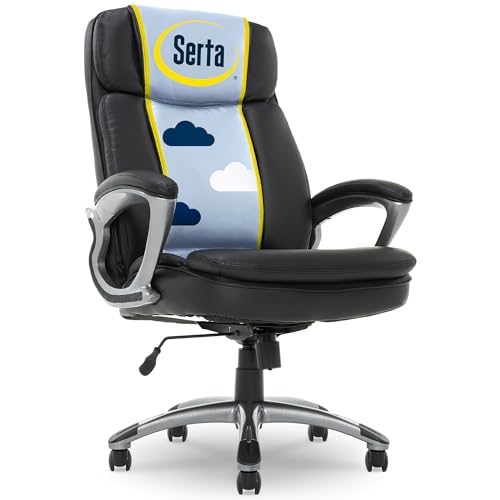
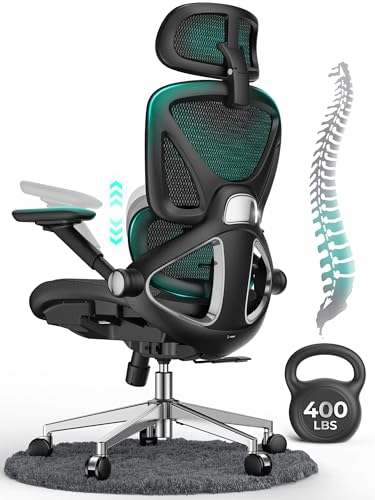
A headrest only helps when it actually meets the back of your head at the right height and angle. Many padded rests look supportive in photos yet sit too low, too high, or too far forward for your body. The strongest best chairs with headrest pair that rest with a supportive seat, a backrest that follows your spine, and adjustments you can fine tune in a minute. Use the comparison table below to line up the key specs before you read the checklist.
This guide turns chair shopping into a simple set of checks you can run on any listing, covering measurements, adjustability, and warning signs.


Key Features to Compare in a Chair With a Headrest
Six checks decide most of your comfort: whether you need a headrest at all, how much the chair adjusts, how the frame is built, whether the size fits your body, how the chair looks, and how easily it goes together.
Why a Headrest Helps, and When It Does Not
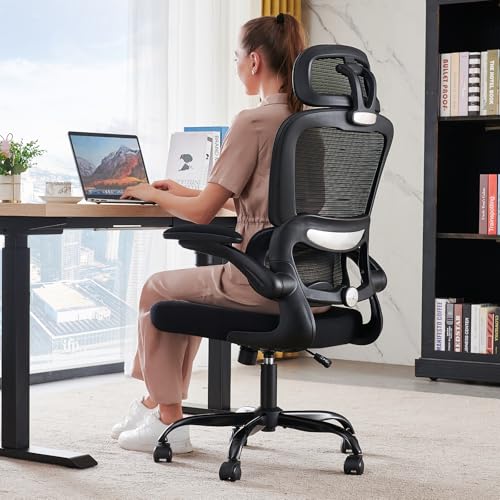
A headrest supports the weight of your head when you lean back to read, think, or rest between tasks. That support lets your neck and shoulder muscles relax instead of holding your head up on their own. It helps most if you recline often, and least if the rest is fixed at the wrong height, because a pad that pushes your head forward can strain your neck more than no rest at all. If you rarely lean back, treat the headrest as a bonus rather than the main reason to buy.
Ergonomics and Adjustability
Look for seat height adjustment that lets your feet rest flat with your knees near a right angle, plus a headrest that moves up and down and tilts to meet your head. Lumbar support should sit in the curve of your lower back, either as an adjustable pad or a shaped backrest. A tilt lock lets you hold a reclined angle without pushing with your feet, and adjustable armrests keep your shoulders relaxed while you type.
If ergonomics is your top priority, see our guide to the best ergonomic chairs with headrest for models built around posture first. Persistent neck pain, numbness or tingling in your arms, or frequent headaches are signs to talk with a clinician about your personal needs.
Build Quality and Frame
A steel frame and a Class 4 gas lift handle daily height changes and reclining loads far better than thin stamped parts. A metal five star base resists flexing, while a thick nylon base can still serve well at lower prices. Check that bolts thread into metal inserts rather than bare plastic. Shoppers who put durability first can also see our guide to the best quality chairs.
Size, Dimensions, and Weight Capacity
Start with your own measurements: seat depth should leave a small gap behind your knees, and seat width should leave room at your hips. Check the headrest height range against your seated height so the pad reaches the back of your head, not your shoulders. Compare your weight with the stated weight capacity and leave a comfortable margin rather than buying right at the limit. Finally, measure your doorway and desk clearance before ordering.
Style and Room Fit
Chairs with a headrest tend to have tall backs, so the chair becomes a visual anchor in the room. Premium and executive models often add wider seats and polished bases that suit a dedicated office. For a formal look, see our guide to the best officer chairs for styles that pair presence with all day seating.
Assembly and Delivery
Most chairs in this category arrive flat packed with the back, seat, base, gas lift, casters, and armrests separate. A clear manual, labeled hardware, and an included hex key usually keep assembly near 20 to 40 minutes for one person. Heavy padded models can be awkward to lift alone, so plan a helper for the step where the back meets the seat. Inspect every part when the box arrives, since damage is far easier to resolve before assembly than after.
Buying Guidance: Match the Headrest Design to Your Body
Listings group very different designs under the same headrest label. Shoppers comparing the best chairs with headrest will see three designs repeated across nearly every listing. Use the product table above to note which design each chair uses, then match it to how you sit.
Fixed, Adjustable, and Pillow Style Headrests
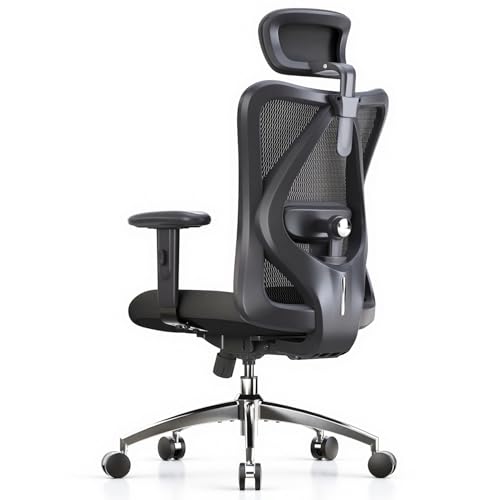
A fixed headrest is molded into the backrest, so it suits you only if its height already matches your torso length. An adjustable headrest slides up and down, and better versions also tilt, the safer choice when several people share one chair. A pillow style rest straps or clips onto the back and can be removed, repositioned, or replaced when the foam wears out. Taller readers should favor tall adjustment ranges, while shorter readers should confirm the pad lowers enough to sit behind the head.
Mesh, Foam, and Upholstered Models
A mesh back flexes with your spine and lets air move, which helps during long sessions in warm rooms. Foam padded backs feel firmer at first touch and hold their shape well when the chair uses high density foam in the seat cushion. Upholstered models in fabric or faux leather give the softest feel and the widest color range, though they trap more heat and show wear sooner at the edges. Confirm that the headrest padding matches the backrest, because a hard pad on a soft chair breaks the line of support.
How Much to Spend, and What Extra Money Buys
Entry level chairs often land around $150 and cover the basics: a fixed or simply adjustable rest, a nylon base, and a short warranty. Spending about $250 or more usually buys a metal base, a stronger gas lift, better lumbar support, and armrests that adjust in more directions. Premium models above that range add thicker cushioning, smoother recline mechanisms, and longer warranties rather than a different kind of comfort. Decide which upgrades match your hours per day in the chair.
Quick Buyer Checklist
Run through these questions on any listing before you order. Two or more no answers usually mean you should keep looking.
- Does the headrest adjust in height, and can it tilt to meet the back of your head?
- Does the lumbar support sit where your lower back curves, or can you move it there?
- Does the stated weight capacity clear your weight with room to spare?
- Will the seat depth leave a small gap behind your knees when you sit back?
- Do the armrests lower enough to slide under your desk?
- Is the base metal, or thick nylon rated for your weight?
- Does the warranty cover the gas lift and frame for at least a few years?
- Can you return the chair if the headrest height misses your head?
Red Flags to Watch For
Weak chairs tend to announce themselves in the listing if you know where to look. Each point below states a warning sign and what it usually costs you.
- The listing hides the weight capacity, so you cannot confirm the frame suits your body before you buy.
- The headrest height is never stated, so you may receive a pad that lands on your shoulders instead of your head.
- The warranty lasts only a few months, so a failed gas lift or cracked base becomes your expense.
- Photos show the chair only at flattering angles, so thin padding and narrow seats stay hidden until delivery.
- Reviews repeat the same vague praise in similar words, so the rating may not reflect real owners at all.
Two signs together are a strong reason to choose a different listing with fuller specs.
Picking the Right Chair for Different Uses
The best setup depends on what you do in the chair for most of the day. Desk work, computer sessions, and posture focused sitting each reward different details.
Best Desk Chairs with Headrest: What to Check
For desk work, best desk chairs with headrest should keep an upright, task ready posture through the day. Prioritize a compact footprint that rolls close to the desk, armrests that drop low enough to slide under the desktop, and a headrest that supports quick lean back breaks. If your work mixes tasks, see our guide to the best office task chairs for seating built around frequent movement.
Best Computer Chairs with Headrest: What to Check
For screen based work, best computer chairs with headrest should pair the rest with a backrest tall enough for full shoulder support. Check that the headrest angle lets you lean back to watch video or read long documents without your chin tipping down, and favor breathable materials because sessions run long. If your computer time is mostly gaming with deep recline between matches, see our guide to the best video game chairs for designs built around that style of play.
Best Posture Chairs with Headrest: What to Check
For posture focused sitting, best posture chairs with headrest should hold your spine in a neutral line rather than cradling you into a slouch. Look for a firm seat that keeps your hips level, lumbar support you can position with care, and a headrest that touches the back of your head only when you lean back. The rest should never push your head forward while you sit upright. Ergonomic models with modest padding and many small adjustments usually serve this goal best.
How to Make Your Chair Last Longer
Tighten the frame and armrest bolts every few months, because daily reclining slowly works them loose and a loose joint flexes and squeaks. Wipe fabric and faux leather with a damp cloth, vacuum mesh with a brush attachment, and keep the chair out of strong direct sunlight that dries and cracks upholstery. Clean hair and grit from the casters so the chair rolls instead of dragging.
Check the headrest slider or strap each time you clean, since a worn strap lets the pad drift out of position. Avoid standing on the seat or using the headrest as a handle when you move the chair, because both habits bend parts built for seated loads only. If the gas lift starts to sink, replace that single part rather than the whole chair.
Frequently Asked Questions
How long should a chair with a headrest last?
A well built chair with a headrest should last about seven to ten years of daily use. The gas lift is usually the first part to wear out, and on many models you can replace it alone in under half an hour. Foam quality drives the rest of the lifespan: high density foam keeps its support for years, while thin low cost foam can flatten within a couple of years.
Is an expensive chair with a headrest worth the cost?
An expensive chair with a headrest is worth the cost when you sit for most of your workday and use its adjustments daily. Spread over eight years, a chair at around $400 costs about $50 per year, which compares well with replacing a cheap chair every two years. The clearest value signals are a long warranty, a metal base, and a replaceable gas lift. If you sit only an hour a day, a simpler chair delivers most of the benefit for less.
What chair with headrest features matter most for long hours?
For long hours, adjustable lumbar support, a headrest that tilts, and a seat you can set at the right height matter most in a chair with a headrest. Also raise your screen so the top of the display sits near eye level, and stand and move for a few minutes every half hour. Even a great chair cannot offset a full day without movement.
How do you choose the right size chair with a headrest?
You choose the right size chair with a headrest by matching three measurements: seat depth, seat width, and headrest height range. A useful trick is to measure a chair that already fits you well and compare those numbers with the listing instead of guessing from photos. If you fall between sizes, pick the chair with the wider headrest adjustment range, because small height misses are the most common reason these chairs get returned.
Final Thoughts
Three checks do most of the work: the headrest must adjust to your head, the lumbar support must meet your lower back, and the frame and weight capacity must suit your body with margin to spare. Match those first, then let style, material, and price settle the rest. Go back to the comparison table above with your measurements in hand, and the right best chairs with headrest choice usually becomes obvious. Prices and availability can change, so check the product page before ordering.