
Best Bean Bag Chairs Made Simple: A Clear Buying Guide for 2026
Disclosure: We may earn a commission when you buy through links on this page, at no extra cost to you. As an Amazon Associate I earn from qualifying purchases. Learn more

A first buyer guide to the best bean bag chairs, covering fill classes, sizes, covers and care, plus needs based notes for kids, reading and boats.
A bean bag chair looks like the simplest seat in the house, which is exactly why first time buyers get surprised by it. There is no frame to inspect and no cushion spring to check, so the whole purchase rests on three things most listings describe badly: what is inside it, how big it really is once filled, and whether the cover can come off for washing. Shoppers looking for the best bean bag chairs do well to slow down on those three points and treat everything else as decoration.
This guide is written for people buying their first one. It starts with plain English basics, explains each spec the way a friend would, and then walks through the special cases, from small children to long reading sessions to a seat that lives on a boat. The product table sets the picks side by side, and by the end you will know which figures on a listing actually deserve your trust.



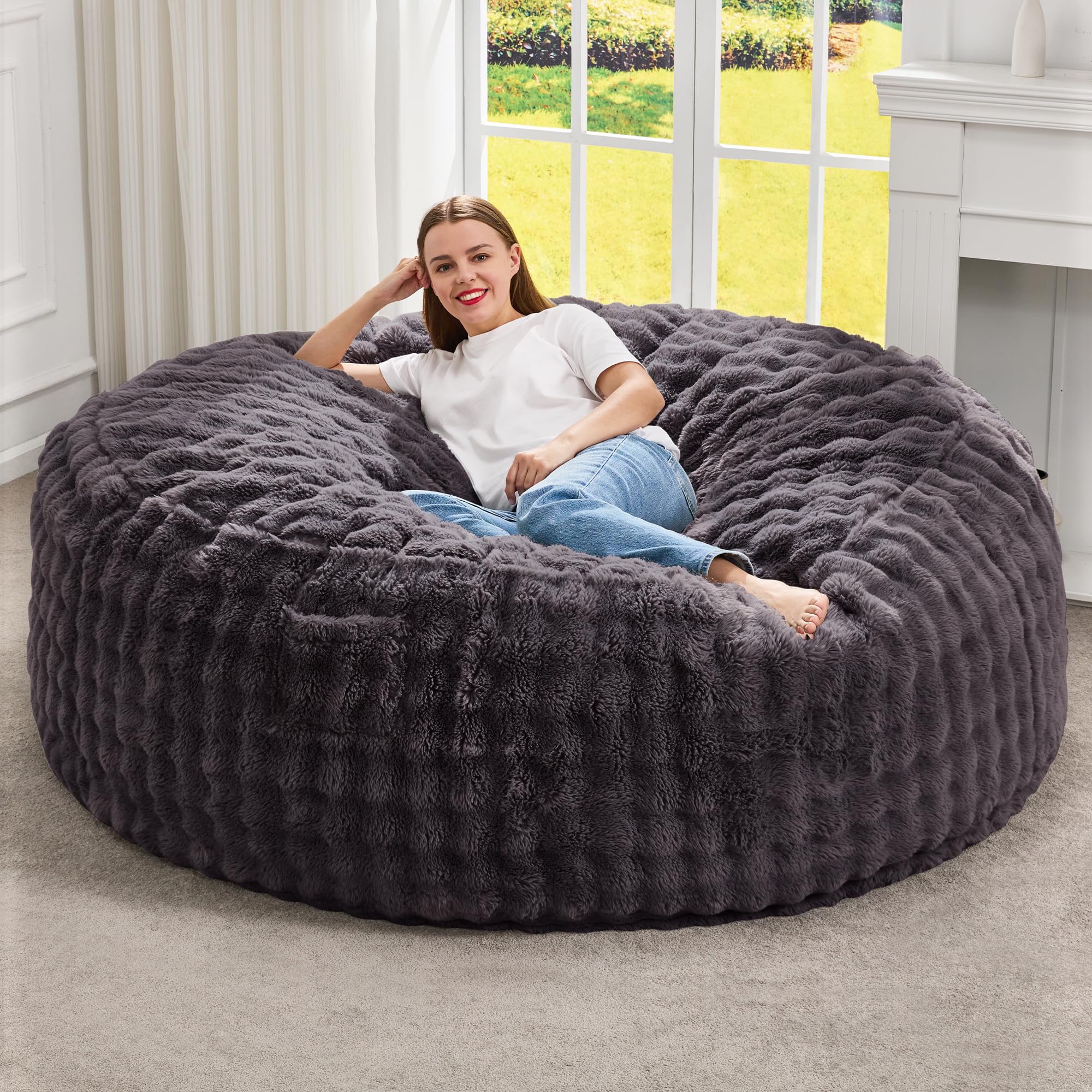
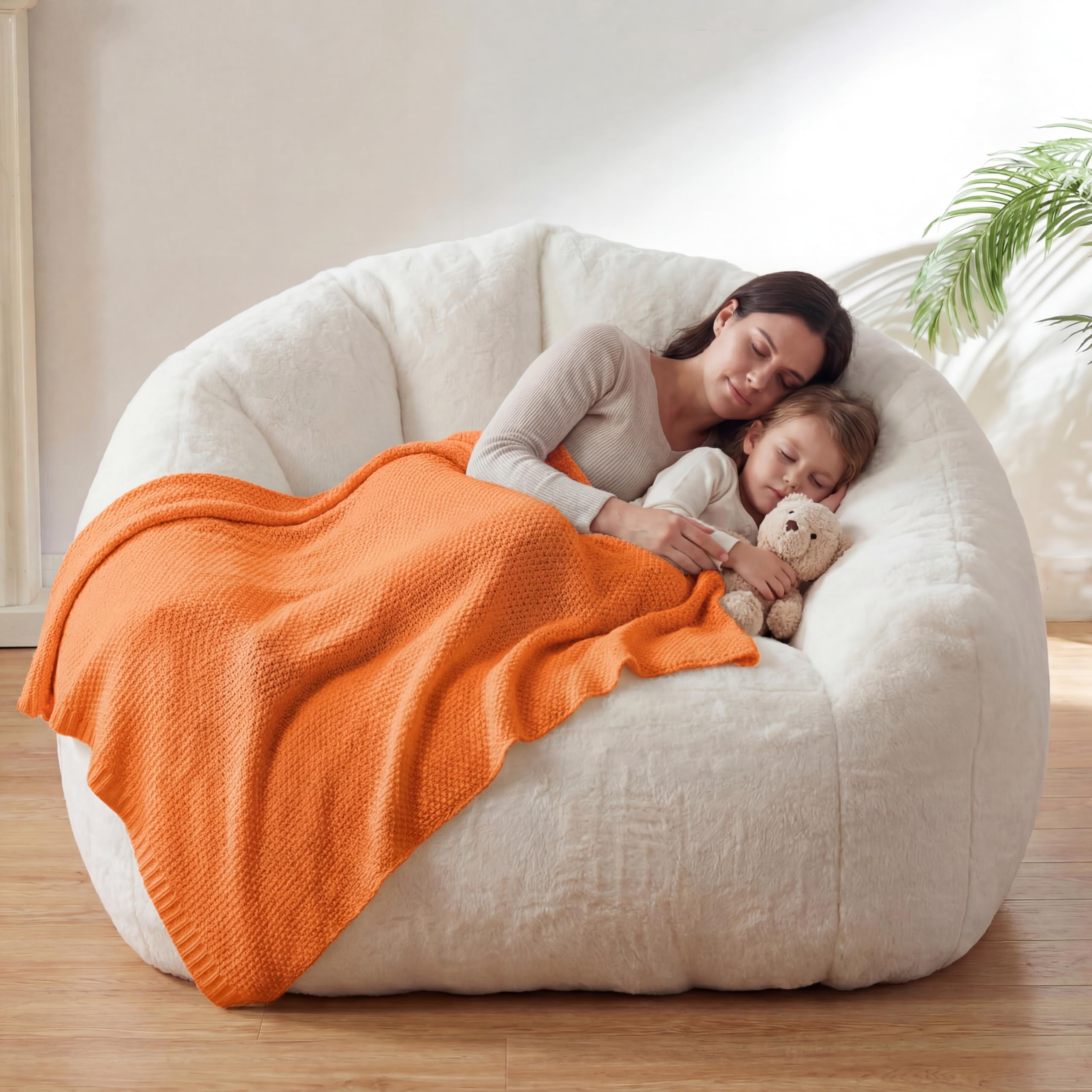
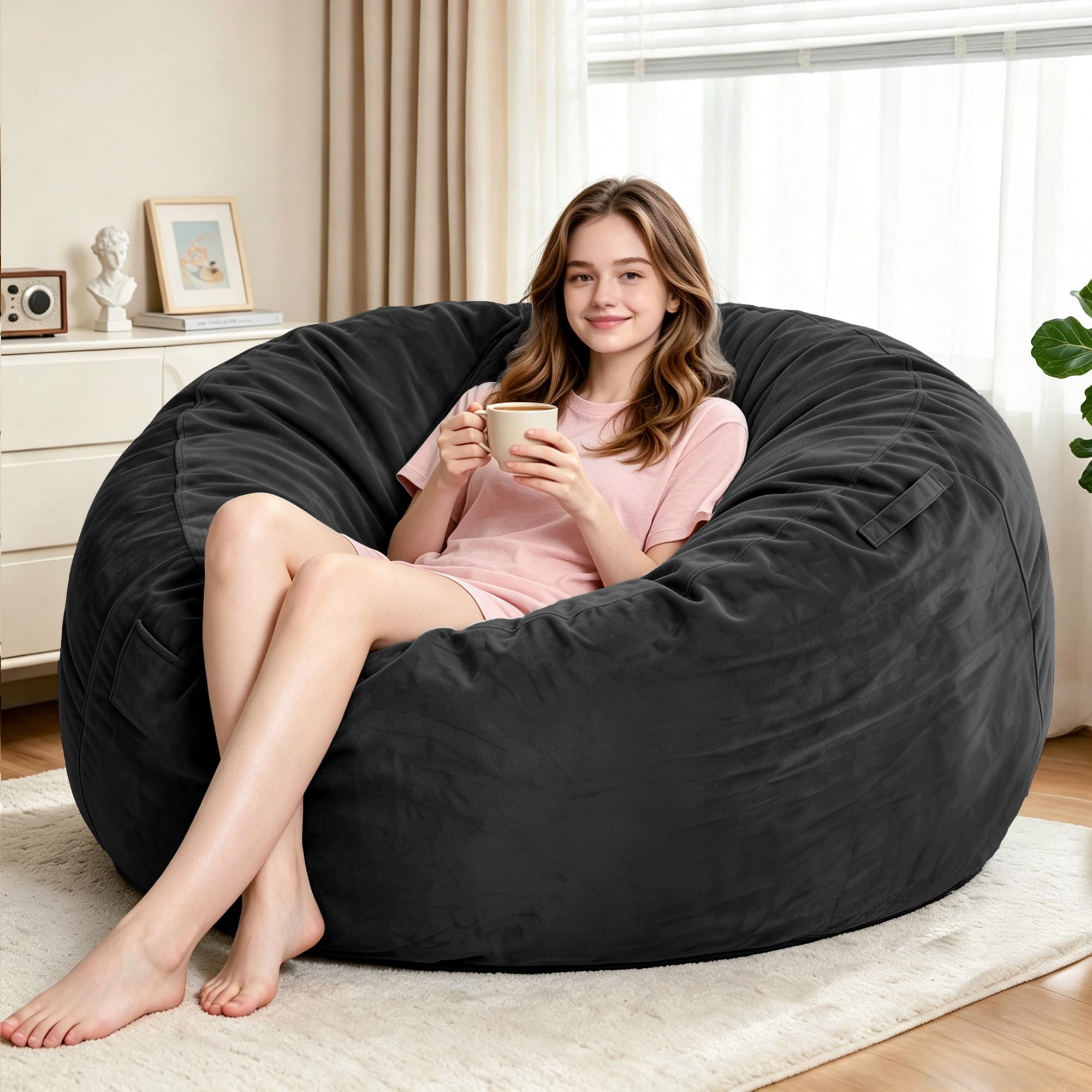
Bean Bag Chairs 101: The Basics
A bean bag chair is a fabric shell filled with loose material that shifts around your body when you sit. There are no springs and no rigid back, so the fill itself is the structure: it holds you up, decides how firm the seat feels, and determines how the chair ages. When people say a bean bag has gone flat, they mean the fill has compressed, not that anything has broken. That single fact explains most of what follows in this guide.
The shells come in a few broad shapes. The classic round bag is a soft mound that suits one person who likes to sink in, while teardrop and structured shapes add a raised back section so you sit more upright with something behind your shoulders. Oversized lounger shapes stretch out like a floor sofa and can seat two, at the cost of a great deal of floor space. None of these shapes is better in the abstract, since each one trades support, size, and sprawl in a different balance.
Households usually share one bag across ages, which is why the general guide and the dedicated guide to best bean bag chairs for adults overlap in places: grown readers need the larger sizes and firmer fills covered later in this article. Terms on listings follow a pattern too. Size is given as a filled diameter or width, fill is named by its material class, and the cover is described by fabric and by whether it comes off. Learn those three terms and the rest of any listing reads easily.
Key Specs Explained in Plain English
Fill Comes First: Beads, Foam, and the Flattening Fact
The fill is the product, and everything a bean bag does, from how it greets you when you sit to how it looks after a year, is decided by the material inside the shell. The first class is polystyrene beads, tiny light pellets that pour and shift easily, giving that classic sinking feel. Beads are the lightest fill and the cheapest, and they are also the fastest to compress, because each pellet slowly gives up its air under daily weight. A bead bag that feels perfect in the shop will sit lower within months.
The second class is shredded foam, chunks of furniture foam that spring back when you stand. Foam fill feels firmer and more supportive, holds its shape far longer, and weighs noticeably more, so the chair is harder to drag between rooms. Blended fills sit between the two, mixing beads into foam to soften the seat and cut the cost. Whichever class you choose, hold one fact in front of you: every bean bag flattens over time, and a refill is a normal part of ownership rather than a sign of a bad purchase.
That is why the zip and the refill path matter at buying time. A shell with an inner liner lets you open the chair, top up the fill, and close it without loose beads escaping across the room. When a bag does go flat, the fix is a bag of refill, and the guides to the best filling for bean bag chairs and the best stuffing for bean bag chairs cover bead grades and foam densities in detail. Budget for one refill in the first year of a bead chair and the flattening stops being a disappointment.
Size: The Listed Figure Is the Filled Size
Sellers measure a bean bag the way it will live in your room: filled, settled, and sat in, which is wider and lower than the empty shell suggests. A bag listed at about 3 feet across suits a child or a small adult in a corner. The middle class, about 4 to 5 feet across, is the one person size most households want, with room to shift position and stretch. Bags of 6 feet and above are floor furniture in their own right, closer to a loveseat, and they need a room that can spare the footprint.
The room and the doorway decide before your taste does. Measure the path the filled bag must travel, because a big foam filled bag is bulky, light for its size but awkward, and it does not fold to pass a narrow door. Leave walking space around it too, since a bag that fills the room corner to corner becomes an obstacle everyone climbs over. When two sizes tempt you, the smaller one is usually the wiser first purchase, as a modest bag moves between rooms and a giant one lives where it lands.
Comfort and Support, Stated Honestly
A bean bag supports you by wrapping around you, and that is both its pleasure and its limit. Loose fill rises around the hips and back, spreading weight across a wide area, which is why people find these chairs easy to sink into for a film or a chapter. What it cannot do is hold a set shape the way a framed chair does, so anyone who needs firm, fixed support for their back should treat a bean bag as a casual extra seat, not their main chair. No bean bag corrects posture or treats back pain, and listings that hint otherwise are selling hard.
Firmness is adjustable, which surprises many first buyers. A bag filled to about two thirds feels soft and deep; add fill and the seat firms up and sits higher. Foam fill gives the steadier, more chairlike feel, while bead fill gives the deeper sink. If you plan long sits, choose foam or a blend, and pick a shape with a raised back section so your shoulders rest against something.
Covers: The Removable Washable Class Is the Family Fact
The cover takes every spill, shoe scuff, and pet nap the chair will ever meet, so treat it as a working part rather than a color choice. The practical class is a removable cover that unzips and goes in the wash, over an inner liner that keeps the fill contained while the cover is off. That pairing is the family fact of this category: households with children, dogs, or snacks on the seat will wash the cover many times, and a fixed cover turns each spill into a permanent mark.
Fabric classes trade feel against toughness. Cotton and linen covers breathe and feel soft, but they stain more readily and wear at the seams, while microfiber shrugs off spills and wipes clean at a slightly warmer sit. Outdoor fabrics resist water and sun for patios and boats. Whatever the fabric, look for seams that are stitched twice and a zipper that tucks away, since the seams carry the stress every time someone drops into the seat.
Weight Capacity and Who the Chair Really Fits
Listings state a capacity, and on a bean bag it describes the fill volume and shell strength more than any hard frame limit. A small bag simply has nowhere to put a large adult: the fill displaces, the sitter ends up on the floor through the middle, and the seams take the strain. Match the size class to the largest person who will use the chair regularly, not the smallest. One person bags in the middle size class generally serve adults up to average builds well, while the oversized classes are the honest choice for tall or broad readers.
Warranty, Returns, and the First Week Check
Bean bags are hard to judge in a photograph, so the return policy is part of the product. Foam filled bags often arrive compressed and need a day or two to expand before they reach their true size, which means a fair seller gives you at least a few weeks to live with the chair. Warranties in this category usually cover seams and zippers rather than the fill, since fill wear is expected. Keep the box until the chair has expanded and passed a week of real sitting, and photograph any seam fault early while the paperwork is simple.
Best Bean Bag Chairs for Specific Needs
Most special cases are the general rules with one dial turned: a smaller body, a tighter budget, a longer sit, or a harsher room. The sections below take each common need in turn and name the two or three choices that matter most for it. Older children and teenagers deserve a quick word here too, since they treat a bag as a gaming seat, a homework perch, and a bed for visiting friends in the same week; the guide to best bean bag chairs for teens covers that harder wearing use in full.
Best Bean Bag Chairs for Kids
For children, size and ease of use outrank softness. Choose the small size class so feet can reach the floor and the child climbs in rather than falling in, and prefer a cover that washes, because it will. Look for a zipper that locks or hides out of reach, and follow the manufacturer's instructions and age guidance on the fill, since loose beads are not for small hands and mouths. The dedicated guide to best children's bean bag chairs goes further on sizing by age, and firm foam or a bead and foam blend holds up better to the jumping that no rule will prevent.
Best Bean Bag Chairs for Toddlers
Toddlers need the smallest, lightest class of all, low enough that a short climb ends in a soft landing. A toddler bag should be light enough for the child to drag but stable enough not to tip when climbed from the side. Washable covers matter even more at this age, and seams should be checked often, because a leaking bag sheds beads that a toddler will find before you do. Keep the bag for supervised play and reading rather than sleeping, and follow the manufacturer's instructions.
Best Bean Bag Chairs under 100
A budget of about under $100 buys a sound bead filled bag in the small to middle sizes, and the trick is knowing what the class gives up. Expect a thinner cover fabric, fewer shape options, and fill that flattens sooner, which makes a planned refill part of the real price. What you should not accept at any price is a single layer shell with no liner, because the first refill or wash becomes a mess. Within the budget, spend on the liner and the cover before paying for size.
Best Bean Bag Chairs for Reading
Reading asks for the one thing a slouchy bag resists: an upright back that stays put for an hour. Choose a teardrop or structured shape with a raised back section, filled a little fuller than usual so the back does not slowly fold under you. Foam or blended fill holds the shape through a long chapter where loose beads keep migrating. Add a small side table in your planning, because a reading chair without a place for the book and a drink fails at its job.
Best Bean Bag Chairs for Boats
A boat seat lives in spray, sun, and tight space, so the cover class decides everything. Marine style bags use water resistant outdoor fabric that sheds spray and dries on deck, with fill that tolerates damp air better than standard beads. The bag earns its place because it molds to an uneven deck and can be tossed into a cabin corner when not in use. Rinse it with fresh water after salt trips and dry it fully before storage, since a damp bag sealed in a locker will mildew by the next outing.
Best Bean Bag Chairs for Boys
For boys, the honest priorities are toughness and washability, with color and theme a distant third. School age boys treat a bean bag as a landing pad, a fort wall, and a seat in rotation, so pick double stitched seams, a sturdy microfiber or outdoor style cover, and the middle size class that will still fit in two years. A removable washable cover is non negotiable in this group. Darker and patterned fabrics hide the marks that this kind of use guarantees.
Best Inexpensive Bean Bag Chairs
Inexpensive and under 100 overlap, but the inexpensive shopper is hunting the lowest fair price for a bag that still behaves. The same rules hold: a liner, a washable cover, and fill you can top up matter more than an extra few inches of width. Sale prices on last season colors are the safest savings, because the chair itself is unchanged. Avoid unbranded bags with no stated fill type at all, since a listing that will not name the fill is hiding the cheapest part of the product.
Best Made Bean Bag Chairs
Shoppers who ask about the best made class are really asking where the money goes in a well built bag. It goes to denser fill that flattens slowly, a thick cover fabric with seams stitched twice, a metal zipper instead of a plastic one, and an inner liner as standard rather than a bonus. A well made bag costs more at the start and less across its life, because the shell survives several refills instead of tearing at the second one. Judge made quality by those four parts, not by the softness of the first sit.
Rookie Mistakes to Avoid
- Buying by the empty shell photo. The filled size is the real size, so a bag that looks modest in a listing can arrive as a room filling mound; measure your floor space against the filled figure.
- Ignoring the fill class. Choosing on color alone lands you with fast flattening beads when you needed foam, or a heavy foam bag you cannot move when you needed light beads.
- Skipping the liner. Without an inner liner, the first wash or refill spills fill across the room and turns a small job into an afternoon of sweeping.
- Treating a bean bag as a main chair. It is a casual seat that wraps and sinks; anyone who needs firm fixed back support should keep a framed chair for long work and use the bag for leisure.
- Forgetting the refill. Every fill flattens, so a buyer who spends the whole budget on the bag and nothing on the first refill is disappointed by month six.
Getting Started: Setup and First Use
Start by opening the bag in the room where it will live, because a filled bag is wider than the doorway it arrived through. Foam filled bags usually arrive compressed in a tight wrap; cut the wrap carefully away from the fabric, shake the bag from each corner, and give it about one to two days to expand before judging the size or firmness. Bead filled bags arrive closer to ready and mostly need shaping.
Sit in the bag and move around: settle deep, sit upright, and perch on the edge. Then adjust. Scoop fill toward the back if you want more support there, and remove a little fill if the seat feels like a beach ball rather than a chair, storing what you remove in a sealed bag for later top ups. Fluff and rotate the bag every week or so, because fill migrates toward wherever the sitting happens and a quick shake evens it out.
Frequently Asked Questions
What features matter most for long hours in a bean bag chair?
Fill class and shape matter most for long hours, because they decide whether the seat still supports you in the third hour. Foam fill holds its shape where beads keep shifting, and a raised back section keeps your shoulders rested. Readers comparing the best bean bag chairs with back support should remember that support here means a shaped, fuller back, not a rigid frame, and getting up to move every hour still matters more than any fill.
Is an expensive bean bag chair worth it?
An expensive bean bag chair is worth it when the price buys denser fill, a thick double stitched cover, and a liner, the parts that decide how many years the chair lasts. Shoppers drawn to the best fashionable bean bag chairs should check that the looks come with those same parts, since a striking fabric over thin fill ages badly. If the costly bag only adds size, a mid priced bag plus a refill is the better spend.
How do I choose the right size bean bag chair?
Choose by the largest regular sitter and the room it must fit, using the filled size on the listing. About 3 feet suits a child, about 4 to 5 feet suits most single adults, and 6 feet and above is shared floor furniture. Teenagers are the trap case: the guide to the best teen bean bag chairs exists because a teen quickly outgrows the child size, so buy the middle class for anyone over about ten years old.
How long should a good bean bag chair last?
A good bean bag chair should last about three to five years of daily use, with the cover and seams setting the limit rather than the fill, since fill can always be topped up. The best lasting bean bag chairs pair a sturdy shell with that refill habit, and many serve far longer in a spare room. Judge the end by torn seams or a cracked zipper, not by softness, because softness is fixable. Shoppers weighing the best foam bean bag chairs should note foam extends the firm years, though the cover ages on the same schedule.
The Bottom Line
Three decisions carry this purchase: the fill, the filled size, and the cover. Pick the fill for how you sit, beads for a light deep sink or foam for a firmer seat that holds its shape, and pick the size by the room and the doorway, remembering that the listed figure is the filled one. Pick a removable washable cover over an inner liner, and plan one refill as part of the cost, using the product table above to check the options against those three points at a glance. Chosen that way, the best bean bag chairs stop being a gamble and become what they should be: the easiest seat in the house to buy well.


