
Best Chewable Calcium Tablets 2026: Forms, Labels and Safety Guide
Disclosure: We may earn a commission when you buy through links on this page, at no extra cost to you. As an Amazon Associate I earn from qualifying purchases. Learn more

Best chewable calcium tablets explained: calcium forms, label reading, sweeteners and when to ask a clinician.
Choosing best chewable calcium tablets is easier once you know what matters beyond flavor. Chewable tablets suit people who dislike swallowing pills, but the calcium form, the amount per tablet, and the other ingredients all affect how well a product fits your routine. A pleasant taste means little if the tablet is hard to fit into your day or clashes with other medicines.
This guide explains calcium forms, label details, and safety notes in plain language, without giving personal medical advice. The product table gives a quick overview, and the sections that follow help you discuss options with a clinician or pharmacist.
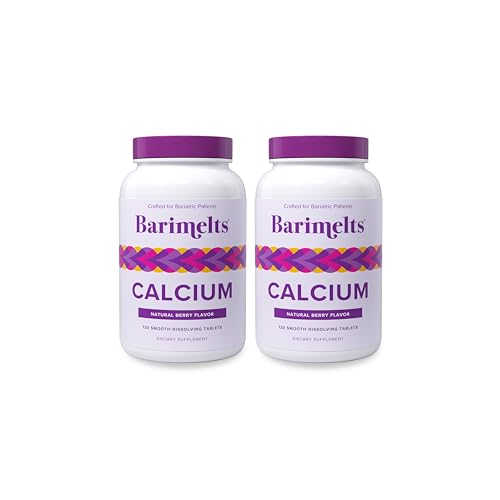
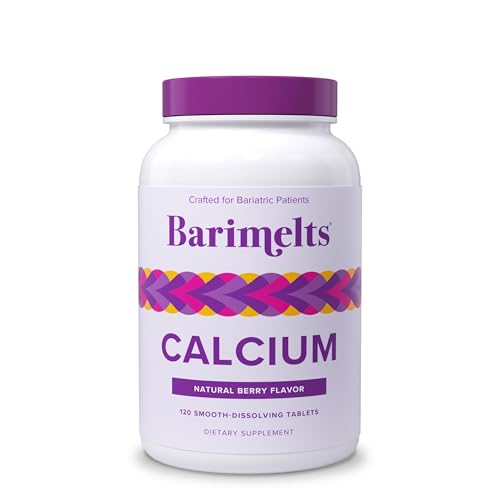


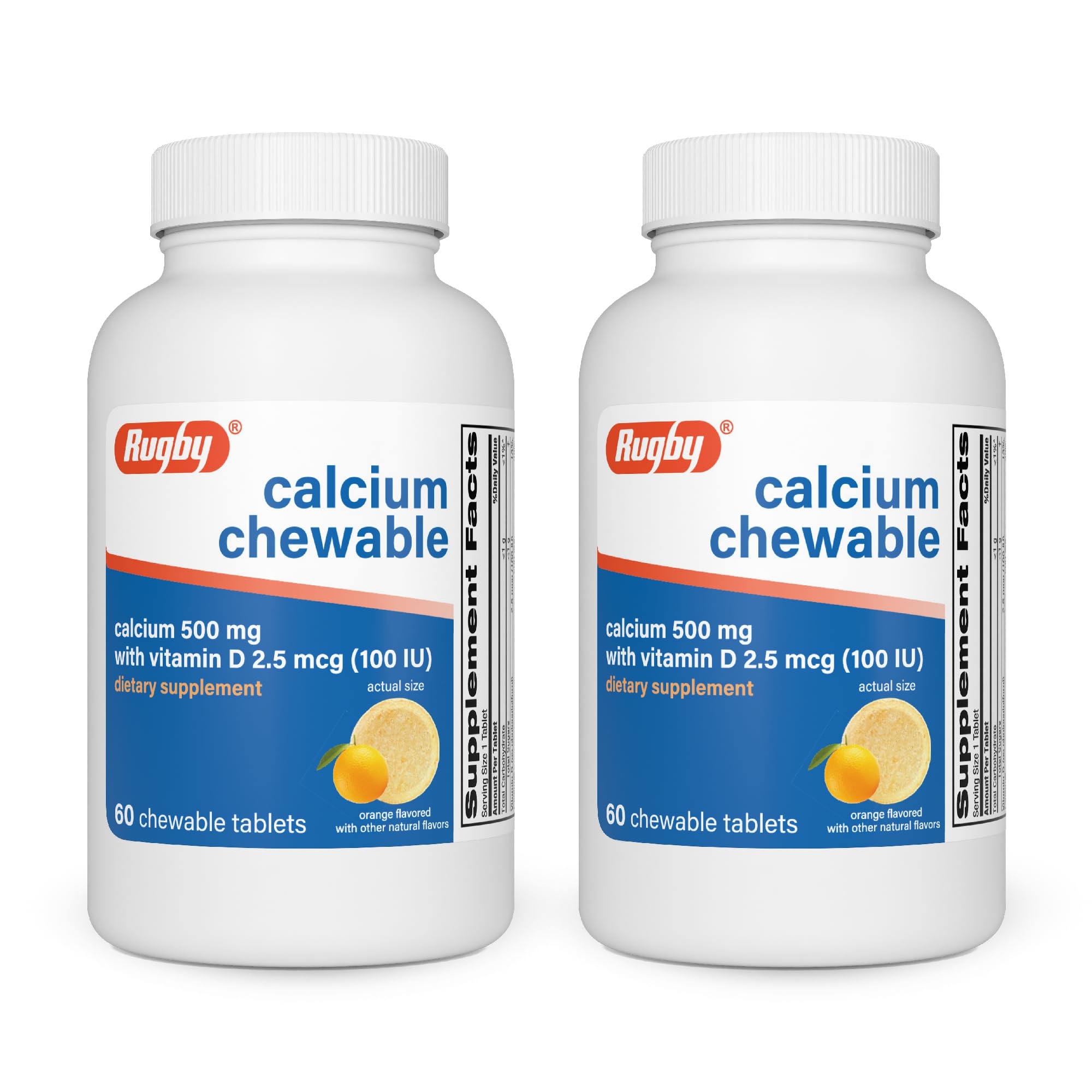

Who Might Consider a Chewable Tablet
Chewable calcium suits adults who struggle with large pills, older adults who prefer a softer format, and anyone who wants a tablet that can be taken without water. It can also suit people who need to split their calcium across the day, since smaller chewable doses are easier to space out than one very large pill.
It is less suited to people who dislike chalky textures or sweetened tablets, and to anyone whose clinician has advised a different calcium form or dose. If you take thyroid medicine, certain antibiotics, or iron, timing matters, so ask a pharmacist how to space calcium away from those medicines.
Calcium Carbonate and Calcium Citrate
Calcium carbonate holds a high share of elemental calcium per tablet, which means fewer tablets for the same calcium amount. It is usually best taken with food, since stomach acid helps it dissolve. Some people notice bloating or constipation with carbonate, and that side effect is worth noting if you have a sensitive stomach.
Calcium citrate holds less elemental calcium per tablet, so you may need more tablets, but it can be taken with or without food and is often gentler on digestion. People who take acid reducing medicines often discuss citrate with a clinician, since carbonate relies more on stomach acid. The label should state both the compound weight and the elemental calcium amount, and the elemental figure is the one to compare.
Vitamin D is often added to calcium tablets because it helps the body use calcium, but the amount varies widely. Check whether the tablet already covers vitamin D, so you do not double up unknowingly with a separate vitamin D product. Magnesium is sometimes added too, but it is not a substitute for a balanced diet.
Taste, Sweeteners, and Daily Routine
Taste and texture decide whether a chewable tablet becomes a habit or a chore. Citrus, berry, and chocolate flavors are common, and sugar free versions use sweeteners that suit some people better than others. If you have diabetes or dental concerns, check the sweetener and sugar content on the label and discuss it with a clinician or dentist.
Routine matters as well. Calcium is often better absorbed in smaller doses spread through the day rather than one very large dose at once. Keep tablets where you will see them at mealtimes if your product is best taken with food, and set a simple reminder until the habit feels natural.
Label Reading and Quality Checks
Read the supplement facts panel for elemental calcium per tablet, serving size, vitamin D amount, and other added ingredients. Look for independent verification marks where available, and buy from reputable sellers with clear lot and expiry information. Avoid products that promise to cure bone disease or rebuild bone quickly, since those claims go beyond what a supplement can honestly promise.
Check for allergens too, including milk, soy, and gluten, if those matter to you. Some chewable tablets contain colorings or flavorings that some people prefer to avoid. A short ingredient list is often easier to assess than a long one with many extras.
Safety Notes and When to Seek Advice
More calcium is not always better, and extra amounts do not suit everyone or every medicine, so stay with the label serving unless a clinician advises otherwise. Seek prompt medical advice for severe stomach pain, persistent vomiting, confusion, or signs of an allergic reaction such as swelling of the lips or difficulty breathing. People with kidney disease, high blood calcium, kidney stones, or certain hormone conditions should discuss calcium supplements with a clinician before starting.
Bring a list of all medicines and supplements to your appointment, including over the counter products. A clinician or pharmacist can check interactions, review your total calcium from food and supplements, and advise whether a chewable format suits your needs. That conversation matters more than any single product feature.
Related Guides to Compare
For a wider view of calcium formats, read best calcium tablets, which sets swallowable, effervescent and chewable options side by side. For life stages and dietary patterns that shape calcium needs, see best calcium tablets for ladies.
Living With Your Choice
Building a calcium routine works best when tablets fit naturally into meals you already eat. Keep the bottle near breakfast or dinner if the product is best taken with food, and pair it with a regular habit such as making tea. A visible bottle and a simple routine beat a complicated schedule that is easy to forget.
Diet still provides the foundation for calcium intake, even when supplements help fill gaps. Dairy foods, fortified plant drinks, leafy greens, almonds, and tinned fish with soft bones all contribute calcium in varying amounts. A clinician or dietitian can review your diet and advise whether food alone, food plus a supplement, or a different approach suits you best.
Travel with chewable tablets needs a little planning. Keep tablets in their original labeled container where possible, carry enough for the trip plus a few extra, and store them away from heat and moisture. A pill organizer can help for short trips, but keep the label information handy in case of questions at a pharmacy abroad.
Flavor fatigue is a real reason people stop taking chewable tablets. If taste becomes unpleasant, discuss a different flavor or format with a pharmacist rather than stopping silently. A format you tolerate consistently matters more than a theoretically ideal product that sits unused in a cupboard.
Review supplements at least once a year with a clinician or pharmacist, especially if medicines, diet, or health conditions change. What suited you last year may need adjustment after a new diagnosis, a new medicine, or a change in diet. Regular review keeps supplementation appropriate rather than automatic.
Final Thoughts
Compare elemental calcium, not just tablet weight, and choose a form and flavor you can take consistently. Check sweeteners, vitamin D, and interactions, and discuss the plan with a clinician or pharmacist. With those checks done, review the product table above and pick the best chewable calcium tablets option that fits your routine and your health needs.
Frequently Asked Questions
What is the difference between carbonate and citrate?
Carbonate holds more elemental calcium per tablet and is usually taken with food, while citrate holds less per tablet but can be taken with or without food. Citrate is often gentler on digestion and is sometimes discussed for people taking acid reducing medicines. Compare the elemental calcium figure on the label, not just the total tablet weight.
How many chewable tablets should I take?
The right amount depends on your diet, age, health conditions, and other supplements, so there is no single answer for everyone. Follow the label serving guidance and discuss your total calcium intake with a clinician or pharmacist. Spacing smaller doses through the day is often advised over one very large dose.
Can calcium tablets interact with medicines?
Yes, calcium can reduce absorption of thyroid medicine, certain antibiotics, and iron when taken too close together. A pharmacist can advise on spacing and timing for your specific medicines. Always bring a full list of medicines and supplements to that conversation.
Are sugar free chewable tablets better?
Sugar free versions suit people watching sugar intake or dental health, but sweeteners affect taste and tolerance differently. Check the label for sweetener type and total sugars, and discuss dental concerns with a dentist if you take chewable tablets long term. Taste still matters, since a tablet you dislike is easy to skip.
When should I seek medical advice about calcium?
Seek advice before starting if you have kidney disease, kidney stones, high blood calcium, or hormone conditions, and seek prompt care for severe pain, persistent vomiting, confusion, or allergic signs. A clinician can review your diet, medicines, and blood tests and advise whether supplementation is appropriate. Use that guidance alongside the product table above.


