Best Chemo Blankets: A Comfort Focused Buying Guide for 2026
Disclosure: We may earn a commission when you buy through links on this page, at no extra cost to you. As an Amazon Associate I earn from qualifying purchases. Learn more

Learn how to choose a soft, warm, washable blanket for treatment days, with guidance on weight, fabric, size, and comfort during long appointments.
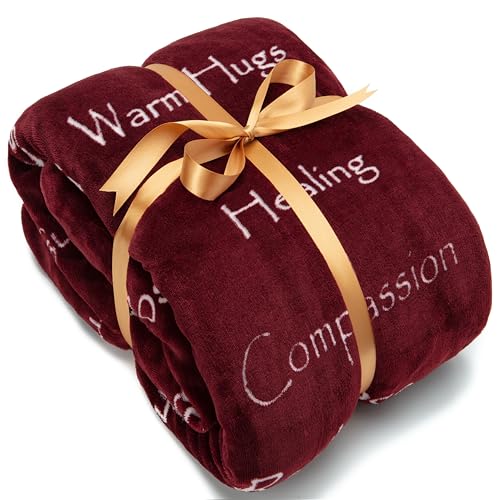
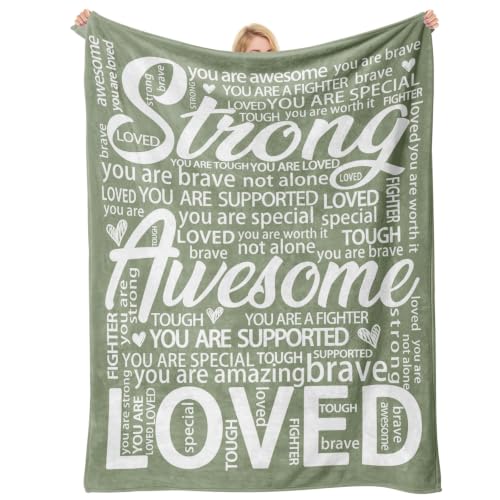
Treatment days can be long, cold, and tiring, so a good blanket becomes a small but real source of comfort. Best chemo blankets are chosen for softness, gentle warmth, easy washing, and a size that works in a treatment chair, on a sofa at home, and in the car on the way to appointments. The comparison table below gives a quick overview, while the rest of this guide explains what to look for in detail.
Comfort needs change during treatment, because skin can feel more sensitive and body temperature can shift from hour to hour. A blanket that feels cozy at home may feel too heavy or too warm in a clinic, so layers and breathable fabrics often matter more than a single thick blanket. This guide keeps the focus on practical comfort, simple care, and honest limits, so you can choose with confidence.



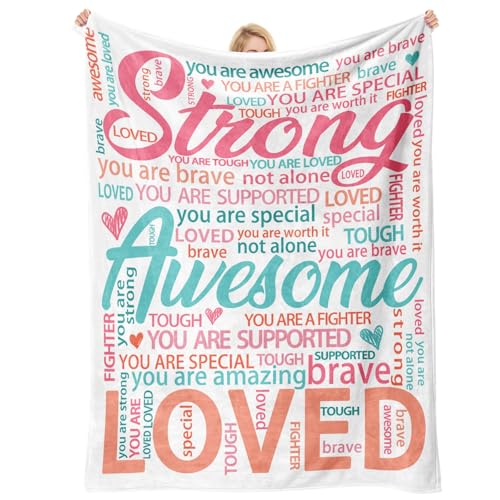
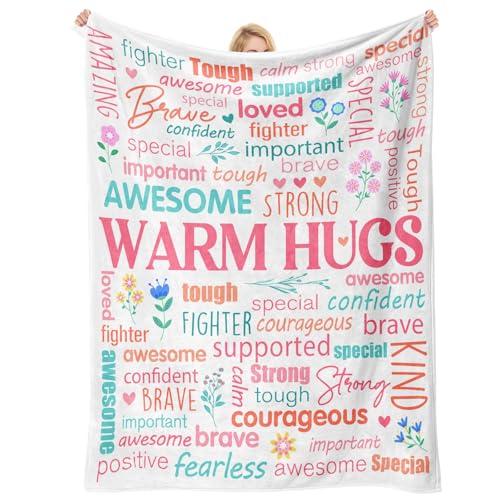
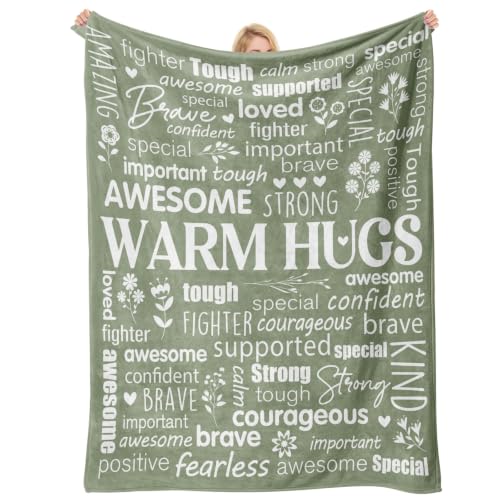
Who This Guide Helps
This guide helps patients, family members, and friends who want to choose a blanket that brings comfort during treatment and recovery at home. It is also useful for caregivers who pack a bag for appointment days and want something light, soft, and easy to wash after each visit. The advice here is about comfort and everyday use only, and it never replaces guidance from a care team.
Think about where the blanket will be used most. A treatment chair blanket needs to be compact enough to fold into a bag and long enough to cover legs and shoulders without trailing on the floor. A home blanket can be larger and plusher, since it stays on a bed or sofa. Many people end up with two blankets, one for appointments and one for home, and that split often works better than one blanket trying to do everything.
Key Features Worth Comparing
Softness and Skin Comfort
Softness matters most when skin feels tender or dry. Look for a smooth face fabric with no scratchy seams, rough tags, or stiff edging that could rub during a long sit. Fleece, brushed microfiber, and soft cotton blends are common choices, and a quick touch test in store tells you more than any label claim. If the blanket will be used against bare arms or legs, choose the softest option you can find.
Weight is the second comfort factor. A light to medium weight blanket feels comforting without pressing on sore areas or making movement hard when nurses need access to an arm. Very heavy blankets can feel reassuring at home but may be tiring to carry and awkward in a treatment chair. Aim for a weight you can fold, carry, and adjust with one hand.
Warmth Without Overheating
Warmth needs to be adjustable, because clinics can feel cool while a body under treatment may warm up quickly. A medium warmth blanket paired with a light extra layer gives more control than one very thick blanket. Breathable fabrics help here, since they let heat escape instead of trapping it, and they dry faster if the blanket gets damp.
Heated blankets need extra care during treatment, since skin sensitivity and reduced feeling can make heat harder to judge. Only consider a heated option after talking with the care team, and follow the maker guidance on settings and time limits exactly. For most people, a soft non heated blanket plus a warm layer is the simpler and safer choice.
Size, Portability, and Washing
A throw size blanket usually suits a chair, while a larger blanket suits a bed or sofa. Measure the chair or bed first, and remember that a blanket that pools on the floor in a clinic can be a trip hazard. A blanket with a matching carry bag or one that rolls up small is easier to bring to every appointment.
Washing matters more than many buyers expect. Treatment schedules, snacks, drinks, and everyday use mean the blanket will need frequent washing, so choose a fabric that survives a gentle machine wash and dries without losing softness. Check the care label before buying, and avoid fabrics that need dry cleaning or delicate handling, since they add work at a time when energy is low.
Types of Comfort Blankets Compared
Fleece throws are light, soft, and quick to dry, which makes them popular for appointment bags. Cotton waffle and jersey blankets breathe well and suit people who overheat easily, while plush sherpa style blankets feel warmer and suit cold rooms at home. Weighted blankets are a separate category and should only be used after checking with a clinician, since weight and pressure are not suitable for everyone.
If you are still comparing soft options, these guides cover related choices in more detail: best cozy blankets for chemo, best quality blankets, best heated blanket, and best throws and blankets. Each one looks at fabric, warmth, and care from a different angle, so you can match the blanket to the place and the moment where comfort matters most.
Practical Checks Before You Buy
Before ordering, check the blanket weight, the finished size, and the care label, and read the return policy in case the fabric feels different in person. If buying as a gift, consider a washable bag and a simple care card, so the recipient does not need to guess about washing. A soft color or pattern can also lift mood, and there is nothing wrong with choosing a blanket simply because it looks cheerful.
Keep expectations honest. A blanket cannot treat illness or ease every symptom, and any claim that it can should be treated with caution. What a good blanket can do is make long days more bearable, keep a person warm and settled, and give a small sense of care and control. That is a worthwhile goal on its own, and it is the right standard to judge a purchase by.
Comfort Through the Seasons
Warmth needs shift with the seasons, and a comfort blanket routine should shift with them. In cold months, layer a soft throw over a light blanket rather than buying one very heavy blanket, since layers adjust easily when a room warms up. In warm months, a single breathable throw often feels better, especially in clinics where air conditioning runs strong. Keeping two weights ready, one light and one medium, covers most days without fuss.
Travel comfort deserves its own small routine. Pack the appointment blanket in a washable bag with a spare layer, a water bottle, and any reading material for the wait. A blanket that folds small and shakes out easily suits travel best, while a larger plush blanket stays home for evenings. When the bag is always packed, appointment mornings feel calmer and nothing important gets left behind.
Laundry rhythm matters when energy is low. Wash the appointment blanket on a gentle cycle as soon as it needs it, and keep a spare ready so washing never leaves a gap. A simple care card in the bag reminds helpers which cycle to use, which avoids accidental hot washes that ruin softness. Softness fades slowly with good care, and a well kept blanket stays comforting for a long time.
Gifts of comfort work best when they are practical. A blanket paired with a washable bag, a soft pair of socks, and a short note feels thoughtful without overwhelming the recipient. Avoid heavily scented products, since treatment can heighten sensitivity to smell, and choose gentle unscented washing products for any blanket given as a gift. Small thoughtful details often mean more than an expensive present.
Comfort is personal, and needs change over time. Revisit the choice whenever warmth, weight, or skin sensitivity shifts, and do not hesitate to swap a blanket that no longer feels right. Talk with the care team about any new symptom or concern, and let comfort choices follow health guidance rather than guesswork. A blanket cannot solve everything, but the right one makes hard days a little softer.
Frequently Asked Questions
What size blanket works best in a treatment chair?
A throw size blanket usually works best in a treatment chair, because it covers shoulders and legs without trailing on the floor or getting caught on chair controls. Measure the chair if you can, and look for a finished size that folds neatly into a bag for travel. Larger blankets suit beds and sofas at home, so many people keep one smaller blanket for appointments and one larger blanket for home use.
Which fabric feels softest against sensitive skin?
Brushed fleece, soft microfiber, and smooth cotton blends usually feel softest against sensitive skin, because they have no rough texture or stiff seams. Avoid fabrics with scratchy edging, large raised patterns, or tags that rub during a long sit. A quick touch test tells you more than a label, so buy from a seller with a simple return policy if you cannot feel the fabric first.
Are heated blankets safe during treatment?
Heated blankets need care during treatment, because changes in skin sensitivity can make heat harder to judge and burns harder to notice. Talk with the care team before using any heated blanket, and follow the maker guidance on heat settings and time limits exactly. For most people, a soft non heated blanket with an extra light layer is simpler, safer, and easier to wash.
How often should a comfort blanket be washed?
A comfort blanket used for appointments should be washed often, since clinics, travel, and everyday use add dirt and germs quickly. Choose a fabric that survives a gentle machine wash and dries without losing softness, and wash the blanket as soon as it looks or smells less than fresh. Keep a spare blanket ready so washing never leaves a person without comfort on appointment day.
Is a weighted blanket a good choice?
A weighted blanket is not a good default choice during treatment, because weight and pressure are not suitable for everyone and can feel tiring or restrictive. Only consider one after talking with a clinician, and only if the person using it can move it easily and remove it without help. A light to medium weight blanket gives comfort without those concerns and suits far more people.
Final Thoughts
The right blanket is the one that feels soft, stays easy to wash, and fits the places where it will actually be used. Start with softness and weight, then check warmth, size, and care, and talk with the care team about any heated or weighted option before buying. The product table above gives a quick recap, but your own comfort test matters more than any feature list.
Choosing best chemo blankets with care is a kind and practical way to support someone through long days. Keep the choice simple, keep washing easy, and keep a spare ready, and the blanket will do its quiet job well. If comfort needs change during treatment, revisit the choice without hesitation, and ask the care team whenever a health question comes up.