
Best Chemistry Sets: Our 2026 Checklist and Buying Guide
Disclosure: We may earn a commission when you buy through links on this page, at no extra cost to you. As an Amazon Associate I earn from qualifying purchases. Learn more

Use our checklist for the best chemistry sets before you buy: safety gear, real glassware, experiment count, refill costs, and value for kids and adults.
Chemistry sets look similar on a shelf, yet the gap between a box of colored powder tricks and a set that teaches real lab skills is wide. A clear checklist helps you judge any box in minutes. This guide gives you that checklist for finding the best chemistry sets for your household, whether the chemist at your table is eight or eighteen.
Score sets on safety, materials, experiment quality, and long term value rather than on box art. Run every candidate through the criteria below, compare your shortlist with the comparison table below, and you will know exactly what your money buys.
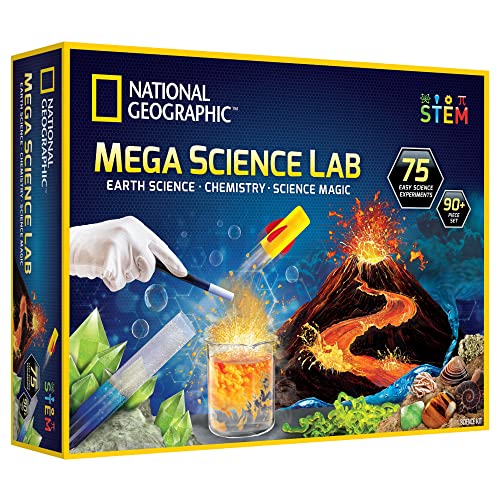


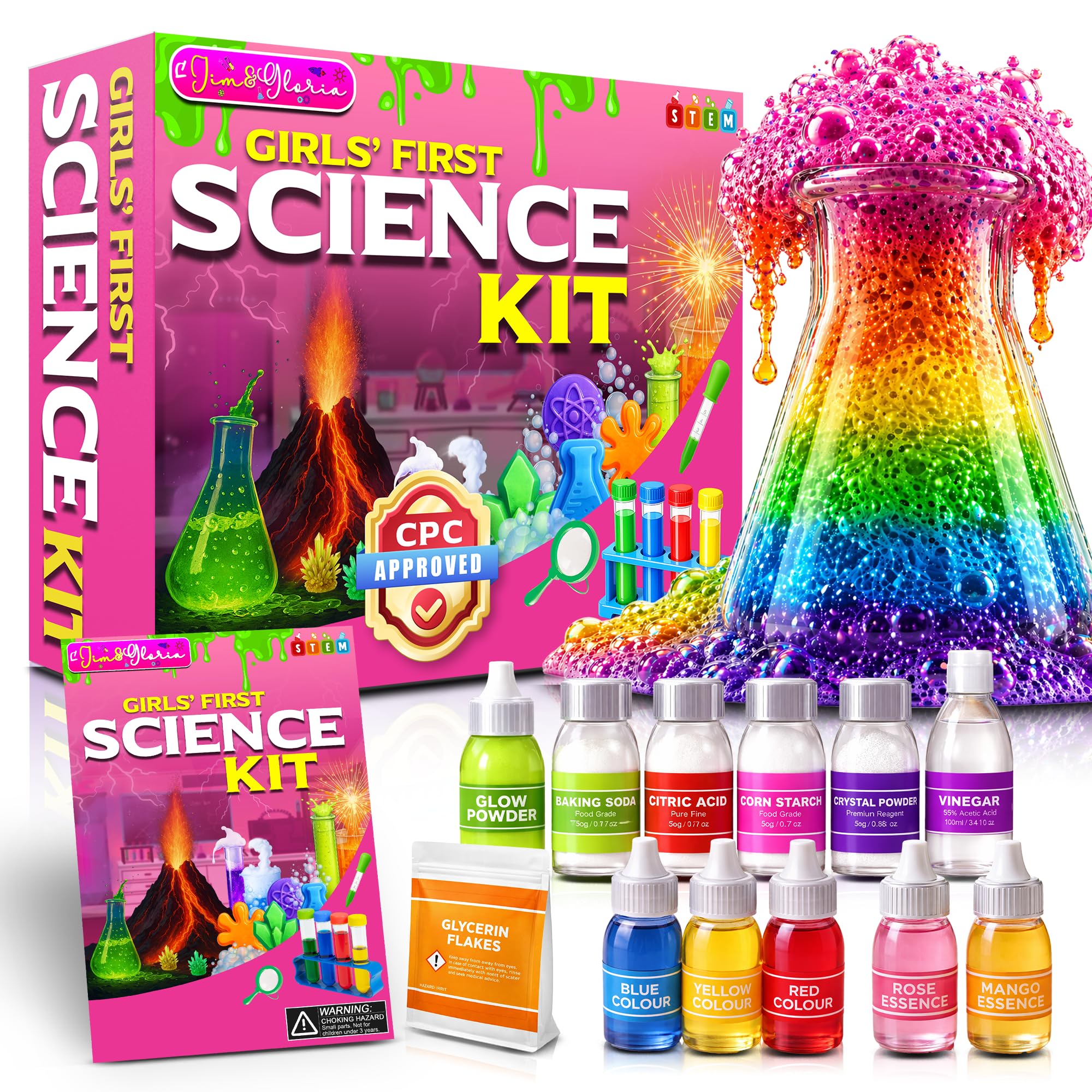
How to Evaluate Chemistry Sets
Each criterion below includes a simple good versus poor benchmark, so you can apply it while reading a product page or standing in a store aisle.
Intended Use and Who It Is For
Start with the user, because age and goals change everything. Younger children need cause and effect experiments with quick, colorful results and no heat or sharp tools. Older kids and teens can handle titration, crystal growing over several days, and basic acids and bases under supervision. A set that tries to serve every age usually serves none well. Good sets state a narrow age range and mean it, while vague sets hide behind a wide range that signals shallow content.
Build Quality and Materials
Real glass beakers and test tubes survive heat and clean up properly, while thin plastic tubes cloud, stain, and crack. Look for borosilicate glass or sturdy food grade plastic for young children, metal tongs rather than plastic ones, and a stand that holds tubes steady during heating. A storage case or tray matters more than it sounds, because loose powders and small vials get lost fast. If the kit ships chemicals in resealable labeled containers, that is a sign the maker thought about month six, not just day one.
Warranty and Customer Support
Chemistry sets rarely carry long warranties, but good makers replace missing pieces, publish lost manuals online, and answer safety questions by email. Check whether the experiment guide is available as a free download before you buy, because a lost booklet can end a set early. Responsive support also matters when a chemical packet arrives clumped or a tube arrives cracked. A maker that hides its contact details is telling you something about the product.
Price vs Value
Budget sets run under $30 and usually offer simple color change and fizzing experiments with mostly plastic tools. Mid range sets around $30 to $70 add real glassware, a spirit burner or safe heat source, and thirty or more documented experiments. Premium sets above $70 include broader chemical ranges, better balances and measuring tools, and refill programs. Judge value by cost per experiment you will actually run, not by the biggest number printed on the box.
Safety and Certifications
Safety is the one criterion you never trade away. Every set should include child sized safety goggles, not as an upsell but in the box. Chemicals should be individually labeled with names and warnings, and the manual should state which experiments need adult help. Look for compliance with ASTM F963 toy safety standards in the United States. Keep sets away from food preparation areas, store chemicals locked or up high, and stop and get medical advice if a child swallows anything or gets a chemical in an eye. When in doubt, call Poison Control or your clinician for guidance.
Ease of Use and Setup
A good manual explains each experiment in plain steps, lists the materials before you start, and tells you what should happen and why. Sets that need twenty minutes of adult setup for a two minute result lose children fast. Beginner friendly kits premeasure the trickiest chemicals and start with experiments that cannot really fail. A practical know how point: run the first experiment yourself the night before, so you know the timing and can guide without reading ahead of your child.
Key Performance Specs
The specs that predict satisfaction are the number of distinct experiments, the number of included chemicals, and whether those chemicals are refillable. Twenty to forty well documented experiments beat a claim of one hundred activities that counts every color mix as separate. A balance or graduated cylinder adds real measurement skill. For older students choosing the best chemistry sets for teenagers, look for sets that introduce mole concepts and record keeping in a lab notebook style.
What a Good Set Looks Like
Rather than naming models, use these three profiles as templates. Match any box in the product table above against the profile that fits your buyer.
Well Rounded Profile
The overall template balances safety, real equipment, and experiment depth. Expect borosilicate test tubes, included goggles and gloves, a clear manual with thirty or more experiments, and chemicals that a refill program supports. It suits a curious child around ages ten to fourteen who has finished a starter kit. The limitation of this profile is price: it sits in the upper mid range, around $50 to $70, and younger siblings will still need close supervision with the heating experiments.
Value Profile
The value template keeps glassware and safety gear but trims the chemical range and case quality. You might get twenty solid experiments, plastic storage instead of a case, and a downloadable manual. It suits families testing whether chemistry holds a child's interest before spending more. Around $30 to $45 is the fair zone. The trade off is faster consumption, since smaller chemical quantities run out sooner and refills become the real ongoing cost.
Compact Profile
The compact template packs a small set of reliable experiments into a tin or slim box for travel, gifts, and small homes. Expect ten to fifteen experiments, plastic tools, and no heat source. It suits grandparents, gift givers, and families short on storage. The strength is convenience; the weakness is depth, because compact sets rarely teach measurement or multi day observation. Treat it as an introduction, not a curriculum.
Quick Buyer Checklist
- Does the stated age range match your child within about two years?
- Are safety goggles included in the box, in the right size?
- Are the main tubes and beakers glass or sturdy plastic?
- Does the manual explain the science, not just the steps?
- Can you buy refill chemicals, and what do they cost?
- Do at least half the experiments avoid needing items from your kitchen?
- Is there a heat source, and are you comfortable supervising it?
- Does the maker publish the manual and support contact details?
Red Flags to Watch For
Walk away from sets with vague chemical labels such as magic powder instead of a real name, because you cannot judge safety without knowing contents. Be wary of huge experiment counts with no sample pages from the manual. Missing safety gear in the box is another stop sign. Very short or absent warranty and support information suggests a disposable product. Finally, prices far below every comparable set usually mean the chemicals are mostly baking soda and food coloring wearing a lab coat.
Choosing Chemistry Sets for Your Situation
Best Chemistry Sets for Kids
When you shop the best chemistry sets for kids aged roughly eight to twelve, prioritize quick results, washable materials, and experiments that finish in one sitting. Color changes, slime free crystal growing, and simple density towers build confidence. Avoid sets built around heat or strong acids at this age, and plan to supervise every session from start to cleanup.
Best Kid Chemistry Sets: What to Check
Parents searching for best kid chemistry sets for younger children, around five to seven, should look for kits that are closer to guided sensory science. Big tools that small hands can grip, premeasured packets, and no glass at all are the right calls. The science is simpler, and that is fine: careful pouring, observing, and recording drawings are real lab habits at this age.
Best Kids Chemistry Sets: What to Check
The best kids chemistry sets for a mixed age household split the difference: a shared core of safe experiments plus a locked section of advanced chemicals only an adult opens. Check that the manual sorts experiments by supervision level. Storage matters here too, because a set that packs away into one case is a set that survives between birthdays.
Best Adult Chemistry Sets
The best adult chemistry sets assume patience and precision. Adults and serious hobbyists should look for real analytical glassware, a wider reagent range, and experiments in synthesis and analysis rather than color tricks. Our companion guide to the best chemistry sets for adults goes deeper on ventilation, local rules for storing reagents, and when a home setup needs a dedicated workspace away from children and pets.
Care and Maintenance Tips
Read the manual fully before the first experiment, not during it. Wash glassware with warm soapy water right after each session, because dried residues stain and cross contaminate later experiments. Inspect tubes for chips before heating them, and store the whole set dry, upright, and out of reach of younger children. A simple log of which chemicals are running low prevents the disappointment of a half finished experiment.
Frequently Asked Questions
Are expensive chemistry sets worth it?
They are worth it when the extra money buys glassware, safety gear, and refill support rather than a bigger box. Premium sets cost less per experiment over a year of use. They are not worth it for a first trial of interest, where a mid range set tells you the same thing about your child's enthusiasm for a third of the price.
How do I maintain a chemistry set?
Clean every tube and beaker after use, dry pieces fully before storing them, and keep chemicals sealed in their labeled containers. Check goggles for scratches and replace cracked glassware promptly. Keep an inventory list inside the lid. Good maintenance is mostly habit: ten minutes of cleanup after each session keeps a set safe and usable for years.
How much should I spend on a chemistry set?
Most families do well around $30 to $70. Under $30 buys a trial run with basic materials, while above $70 you are paying for depth that only an already keen student will use. Add refill costs to your mental budget from the start, because a set that cannot be refilled is a one season purchase whatever the sticker says.
How long does a chemistry set last?
The glassware and tools last for years with normal care, while the chemicals are the consumable part and typically cover a few months of weekend use. Sets with refill programs stay useful far longer. Humidity is the silent killer of stored chemicals, so a dry cupboard extends life more than any other single storage choice.
What features matter most when buying chemistry sets?
Safety equipment, honest chemical labeling, and a manual that teaches the why behind each result matter most. After that, look at real experiment count, glass quality, and refill availability. Box size and activity counts are marketing. A smaller set with clear science and replaceable chemicals teaches more than a giant box of one time tricks.
Our Verdict
Judge every candidate by safety gear, material quality, and refill support before you look at price. Match the age range honestly, start mid range if interest is unproven, and upgrade depth once the habit sticks. The best chemistry sets are the ones still in use six months later, so compare your shortlist against the comparison table above and choose the set your family will actually open again.


