Best Chelsea Boots for Bunions by Budget: A Comfort Guide for 2026
Disclosure: We may earn a commission when you buy through links on this page, at no extra cost to you. As an Amazon Associate I earn from qualifying purchases. Learn more

Compare the best chelsea boots for bunions at every price point. Learn what you get at budget, midrange, and premium levels and where spending more pays off.
Chelsea boots can look polished while hiding a painful fit problem, since a tapered toe squeezes the big toe joint all day. The best chelsea boots for bunions solve that problem with room where you need it and support where you do not. Prices vary widely, so this guide shows what each price level buys you. Use the comparison table below to match shape, cushioning and cost.
Start with your bunion, not with a color. Note where the boot presses, how long you stay on your feet, and whether you need a dress finish or a walking sole. The sections below sort those needs by user group, feature and budget tier.


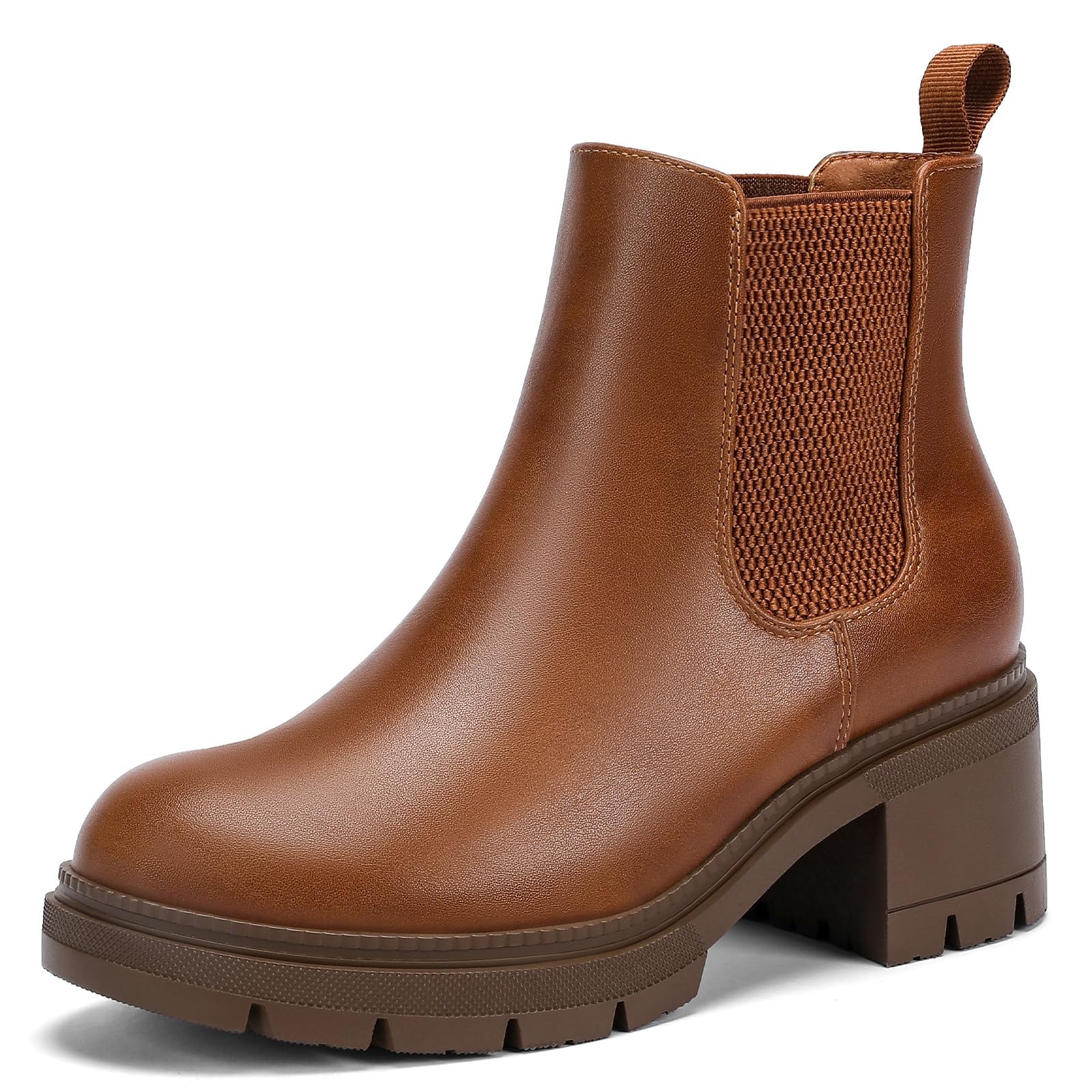
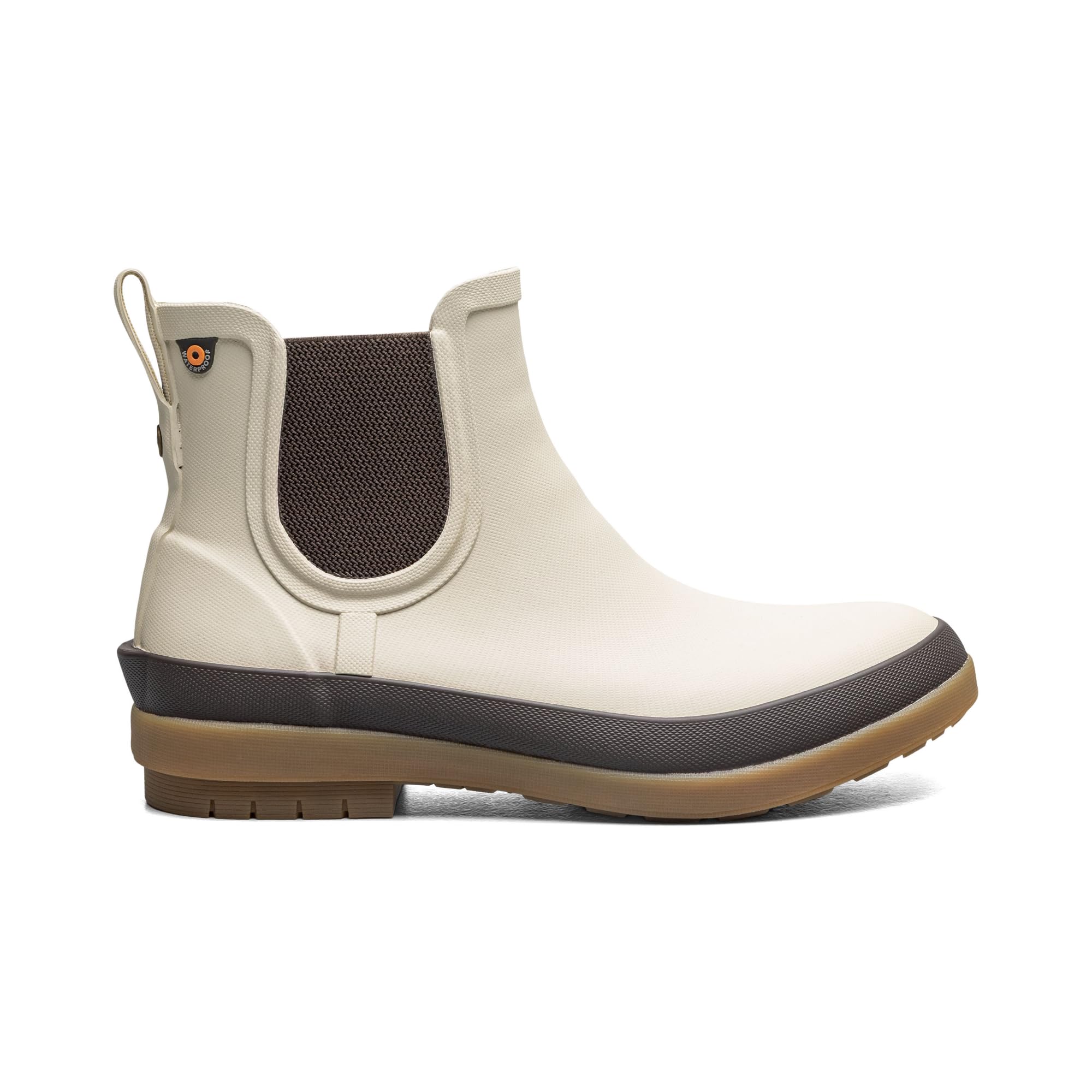

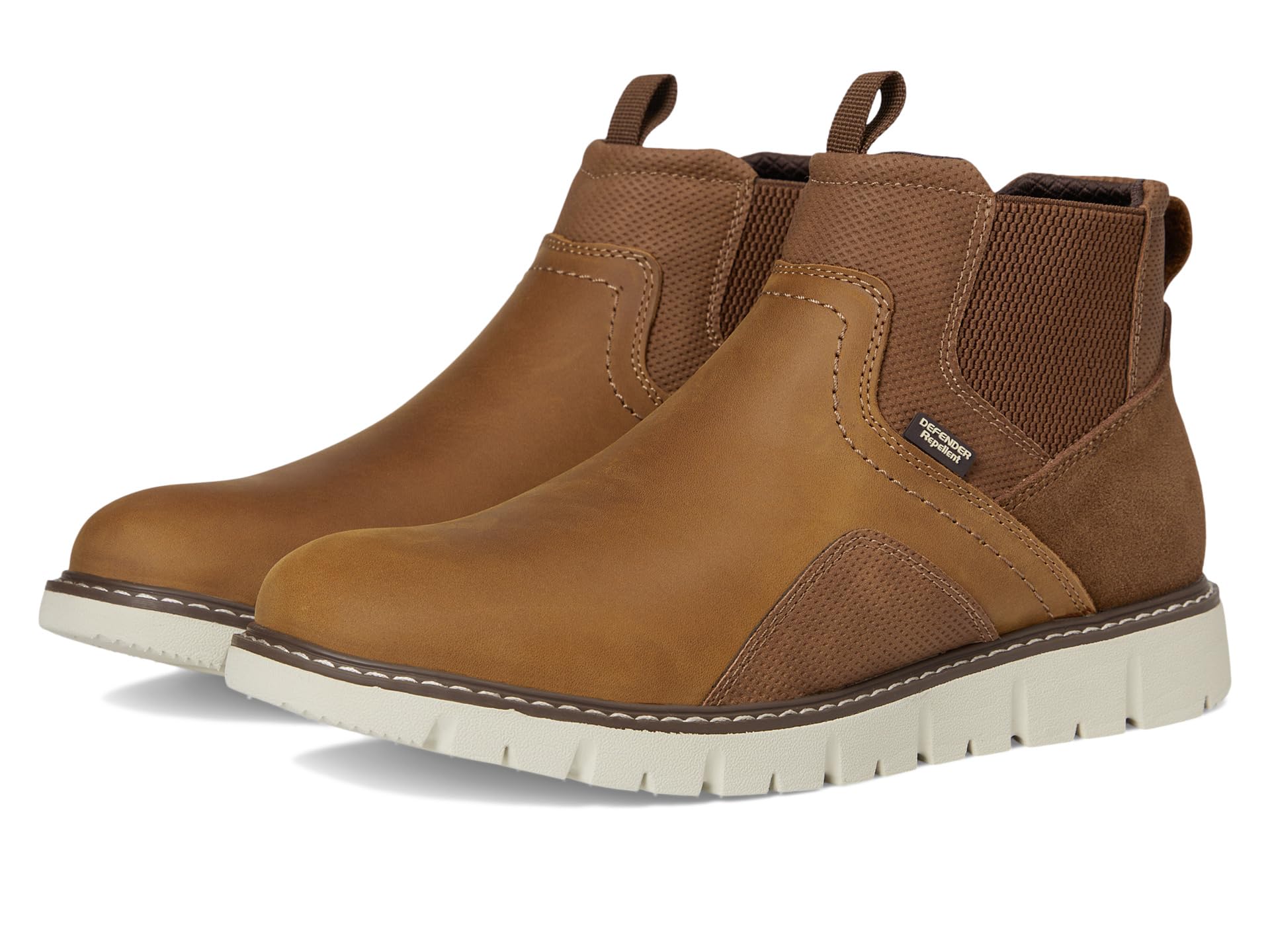
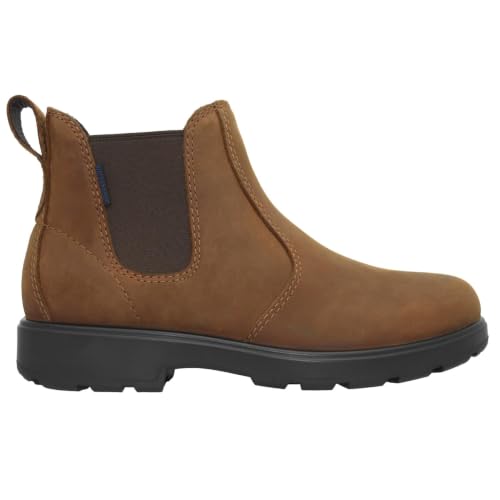

Who Should Buy Which Chelsea Boots for Bunions?
Your routine decides which trade offs make sense.
Office Workers With Mild Bunions
You need a clean silhouette that pairs with trousers, plus forefoot room that lasts through meetings and a commute. Look for a rounded toe, smooth leather and a low heel that keeps weight off the front of the foot. If your bunion only aches late in the day, a standard width with a soft lining may be enough, as long as the toe does not taper early.
Commuters and Walkers With Wider Forefeet
You cover real distance, so fit and sole design matter more than a sleek profile. Choose a true wide width, a cushioned insole and a rubber outsole with shallow lugs for wet pavement. If you are open to other styles beyond the slip on shape, see our guide to the best boots for bunions, which covers lace up options that adjust across the midfoot.
Shoppers With Sensitive Bunions Who Struggle With Laces
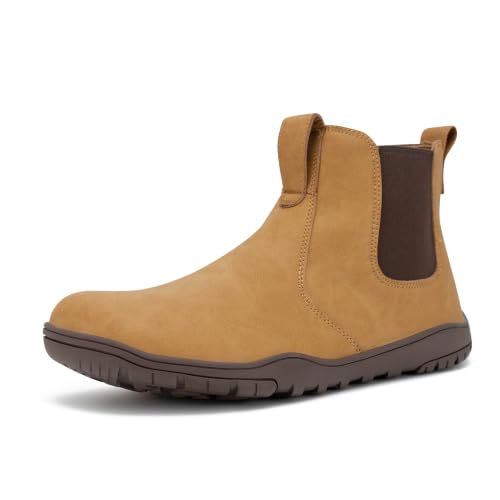
You want a boot you can pull on without bending for long or pressing sore joints while you fasten it. Chelsea boots suit you because elastic panels and a pull tab replace laces entirely. Choose soft panels that sit behind or above the bunion rather than across it.
Key Features to Compare
Compare shape first, then materials, then extras. A waterproof finish cannot rescue a toe box that squeezes, and a premium price cannot fix the wrong width.
Toe Box Width and Shape
The toe box is the space around your toes, and for a bunion it is the most important part of the boot. Choose a rounded or softly squared shape that follows the natural line of your forefoot. Your big toe should rest straight, not angled inward, and the upper should not press the raised joint. Growing pain, redness, swelling that does not settle, skin breakdown or numbness in the toes are signs to see a doctor promptly rather than rely on footwear changes. Talk with your clinician about your personal needs before choosing boots for a worsening bunion.
Soft Uppers and Elastic Side Panels
Upper material decides how the boot treats the bump at your big toe joint. Full grain leather softens and molds with wear, while suede gives sooner but marks more easily in rain. Stiff synthetic uppers keep their shape yet often keep pressing the same sore spot. Check the elastic panels too. Panels that end before the forefoot stretch for entry without pulling across the bunion, and a pull tab eases the boot on.
Cushioning, Arch Support and Removable Insoles
Cushioning spreads pressure under the forefoot, where a bunion often changes how you load each step. Look for a foam insole with gentle arch support that fills the midfoot without lifting it sharply. A removable insole matters because you can swap in a slimmer or fuller insert as comfort changes, and air the original out overnight. For long days on hard floors, deeper cushioning is worth real money.
Heel Height and Heel to Toe Drop
Heel to toe drop is the height difference between the heel and the forefoot, and a smaller difference keeps weight more evenly shared. A low heel of about 1 inch or less suits most bunion shoppers, because taller heels push the foot forward into the narrowest part of the boot. A slight rocker in the sole can help the foot roll without bending hard at the big toe joint.
Waterproofing, Breathability and Outsole Grip
A waterproof membrane such as Gore Tex keeps rain out, yet it also holds warmth in, so a breathable unlined boot can feel better indoors or in mild weather. For sealed seams and treated leather in one place, see our guide to the best waterproof chelsea boots, which focuses on wet weather builds. Underfoot, a rubber outsole with shallow tread grips pavement, and a lightweight build reduces effort over a full day of walking.
Price Tiers for Chelsea Boots That Spare Your Bunions
When you shop for the best chelsea boots for bunions across a wide price range, the differences that matter are width choice, leather quality and insole design. Use the tiers below as a map, and compare them with our guide to the best chelsea boots, which covers standard fits without the bunion focus.
Budget Tier: Basic Room and Simple Materials
Budget chelsea boots cost about $60 to $100. Expect synthetic or blended uppers, a fixed thin insole and one standard width. Some budget pairs still offer a kindly rounded toe, and that shape alone can beat a costly tapered boot. The trade offs are durability and consistency, since sizing can vary between colors of the same style.
Midrange Tier: Wider Lasts and Better Insoles
Midrange chelsea boots cost about $100 to $200, and this is where bunion shoppers usually gain the most per dollar. Wide widths appear more often, leather quality improves, and insoles get thicker with real arch shaping. Elastic panels tend to be sturdier, so entry stays easy after months of use. Replacement insoles add about $20 to $40 over the life of the boot. For daily wear, this tier balances comfort, finish and price.
Premium Tier: Finer Leather and Repairable Builds
Premium chelsea boots cost about $200 to $350. Spending more buys softer, thicker leather that molds closely to your forefoot, plus construction that a cobbler can resole when the outsole wears down. Fit ranges widen further, with half sizes and multiple widths in some lines. You do not automatically get a better toe shape, so check the toe shape from above before paying for the label. This tier pays off for daily wear over several years.
Common Mistakes to Avoid
- Buying a pointed or early tapering toe makes the big toe angle inward and leaves the bunion pressed against the upper all day.
- Sizing up in length instead of choosing a wider width leaves your heel slipping while the forefoot still feels tight.
- Trying boots on in the morning, when feet are smallest, leads to a pair that pinches by late afternoon.
- Choosing a tall fashion heel shifts your weight forward onto the bunion and shortens how long you can wear the boots.
- Ignoring the elastic panel position lets a stiff panel edge rub the joint until the skin turns sore.
- Paying for waterproofing you never use adds warmth and cost while a breathable boot would have felt better indoors.
How to Make Your Chelsea Boots Last Longer
Rotate your boots with a rest day between wears, so the insole foam recovers and the lining dries fully. Wipe leather with a damp cloth after wet or salty streets, then dry the boots at room temperature away from direct heat, which can crack leather and weaken elastic.
Condition smooth leather when it looks dry, and brush suede with a soft brush to lift dirt from the nap. A cobbler can often replace a worn heel cap or resole a stitched boot for far less than a new pair.
FAQ
What features matter most in chelsea boots for bunions?
A wide, rounded toe box matters most, followed by a soft upper and a low heel. One extra check helps at home. Stand on paper in your socks and trace your foot, then compare that tracing with the insole you pull from the boot. If your forefoot tracing spills past the insole edge near the big toe, the boot will likely press your bunion.
Are expensive chelsea boots for bunions worth the extra cost?
Expensive chelsea boots are worth it only when the extra money buys a wider fit range or a repairable build. One point the price tiers do not cover is cost per wear. A premium pair worn four days a week for three years can cost less per outing than a cheap pair that hurts and sits in the closet.
How should chelsea boots fit a foot with a bunion?
Chelsea boots should fit snugly at the heel and midfoot while leaving the forefoot free of pressure. Because there are no laces to adjust, the match has to be right at the store. Walk on a hard floor, not only carpet, and check that your heel lifts only slightly with each step. A heel that slides side to side signals the wrong size.
Can I wear chelsea boots with bunions all day?
Yes, you can wear well fitted chelsea boots with bunions all day, provided the toe box stays roomy and the heel stays low. Build up gradually if the pair is new, starting with a few hours at home. Carry a familiar backup pair on your first full workday. If pain builds steadily across several days rather than easing, share that pattern with your clinician.
Do chelsea boots for bunions need to be waterproof?
No, chelsea boots for bunions do not need to be waterproof unless your routine includes regular rain or wet ground. An option the waterproofing section does not cover is a water resistant spray on leather, which sheds light showers and can be renewed at home. That middle path keeps the boot more breathable for indoor days while still handling a damp walk.
Our Verdict
Match the toe box to your forefoot first, then choose cushioning and heel height for your longest typical day, and only then pick a price tier. Check the product table above for current widths, sizes and prices.
With those checks done, choosing the best chelsea boots for bunions becomes a calm, practical decision. Buy the pair that leaves your big toe straight and your heel secure, and the boots will earn their place in your weekly rotation.