
Best Chef Pants Made Simple: A Clear Buying Guide for 2026
Disclosure: We may earn a commission when you buy through links on this page, at no extra cost to you. As an Amazon Associate I earn from qualifying purchases. Learn more
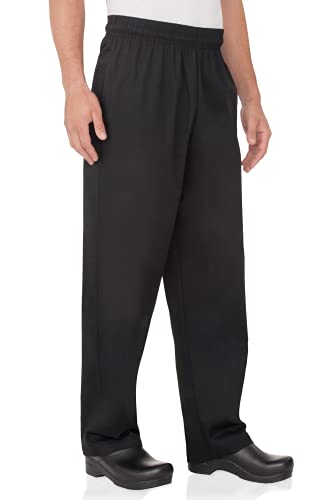
How to choose the best chef pants: fabric, stretch, fit and breathability for long, hot shifts.
If you are buying chef pants for the first time, the choice can feel confusing, because the options look similar but behave very differently in a hot kitchen. The best chef pants for you depend on fabric, fit, stretch and how much heat and movement your shift involves. Use the comparison table below to compare the main types side by side before you buy.
This guide starts with the basics, then explains each spec in plain English, so you can judge a pair without knowing trade jargon. It covers rookie mistakes, first use tips and common questions, and it focuses on comfort and durability rather than on fashion alone. By the end, you should be able to pick a pair that fits well, moves with you and survives regular washing.
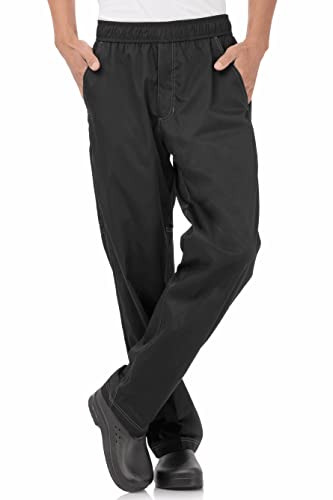
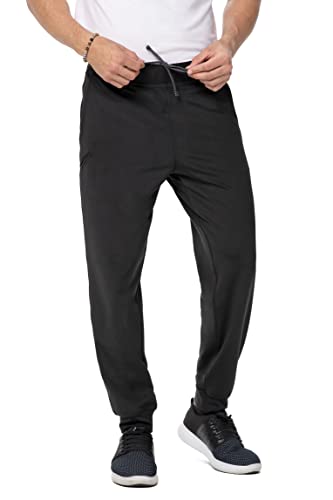
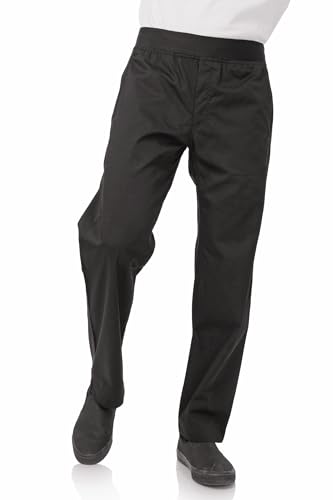

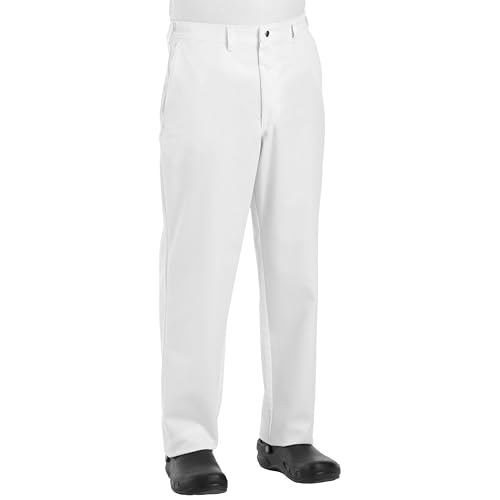
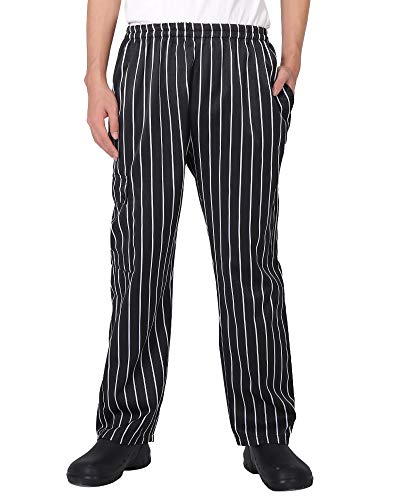
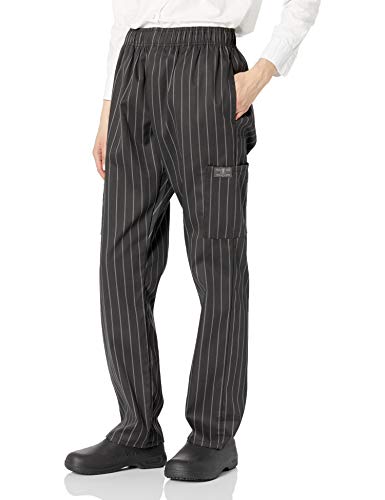

Chef Pants 101: The Basics
Chef pants are work trousers made for long shifts in hot, busy kitchens. They usually have a relaxed fit, an elastic or drawstring waist and a fabric that handles heat, spills and frequent washing better than ordinary trousers. Many pairs use a loose cut through the leg, which allows air to move and gives room to bend, crouch and move quickly. Pockets matter too, because a useful pair should hold small tools or a thermometer without getting in the way.
The basic terms are simple once you know them. Fabric describes what the pants are made from, such as cotton, polyester or a blend of the two. Stretch describes how much the fabric gives when you move, and breathability describes how well air passes through it. Moisture wicking means the fabric pulls sweat away from the skin, which helps you stay cooler during a long shift.
Knowing these terms makes the rest of the guide much easier to follow.
Key Specs Explained in Plain English
Each spec below affects comfort in a different way, so read them together when you compare the best chef pants rather than judging a pair by one feature alone. A light fabric with poor stretch can still restrict movement, and a stretchy fabric with poor breathability can still feel hot.
Fabric and Material
Fabric is the first choice to make, because it sets the feel, weight and care needs of the pants. Cotton feels soft and breathable, but it can absorb moisture and stay damp during a long shift. Polyester dries faster and resists wrinkles, but it can feel warmer if the weave is dense. A cotton polyester blend often balances these traits, giving softness plus faster drying and easier care.
Check the fabric mix on the label, and match it to your kitchen: hot kitchens favor light, breathable blends, while cooler prep areas allow heavier cotton.
Stretch and Freedom of Movement
Stretch decides how freely you can bend, squat and step quickly without the fabric pulling or binding. Pants with added spandex or elastane stretch more than pure cotton, and a gusseted crotch adds extra room where movement is greatest. Look for wording about four way stretch if you want give in every direction, and check whether the stretch holds up after washing. A pair that stretches well when new but loses shape quickly will fit worse over time.
Try bending and crouching when you first wear a pair, because a kitchen shift involves far more movement than standing still.
Fit and Sizing
Fit covers the waist, the rise and the leg shape, and it should suit your body rather than a fashion trend. Slim fits look neat but can restrict movement, regular fits suit most wearers, and relaxed fits give the most room for long shifts. Check the size chart for the maker, because sizes vary between makers and a size that fits in one pair may not fit in another. Measure your waist and inseam before you order, and note whether the waist uses elastic, a drawstring or both.
A good fit stays in place during movement without digging in, and it leaves room for an apron and a tucked shirt if you wear them.
Breathability and Moisture Wicking
Breathability matters most during high intensity work, when heat builds up quickly in a kitchen. A breathable fabric lets air move through the weave, which helps sweat evaporate and keeps you cooler. Moisture wicking works alongside breathability by pulling sweat away from the skin toward the outer surface of the fabric. Together, these features reduce the clammy feeling that makes a long shift harder.
Look for light weaves and vented details, and avoid heavy, dense fabrics if you work near ovens or grills. If you sweat heavily, prioritize these specs over a heavier fabric that looks more durable.
Heat, Splash and Stain Resistance
Kitchen pants face heat, grease splashes and spills rather than weather. A tightly woven blend resists stains better than a loose weave, and darker colors or small patterns hide marks between washes. Some pairs add a water-repellent finish that helps light splashes bead up, although it wears down with washing. Do not expect any standard pair to protect you from hot liquids, because no work trouser replaces good kitchen safety habits.
Rookie Mistakes to Avoid
- Choosing by looks alone, without checking fabric, stretch and breathability.
- Skipping the size chart and assuming your usual size will fit every maker.
- Buying a slim fit for a job that needs constant bending and crouching.
- Ignoring care labels, then shrinking or damaging the pants in the first wash.
- Using fabric softener on technical fabrics, which can reduce moisture wicking.
Each mistake is easy to avoid with a few minutes of checking before you buy. Read the size chart, read the care label and think about your actual shift rather than an ideal one. A pair that fits well and washes well will serve you far better than a pair that merely looks right.
Getting Started: Setup and First Use
When a new pair arrives, wash it before the first shift if the care label allows it, because washing removes finishing residues and lets you check the fit after a wash. Wash in cold water and air dry where possible, and skip fabric softener on technical fabrics to protect moisture wicking. Try the pants during a normal shift before you buy a second pair, and note any pulling, slipping or discomfort. Check the waist, the pockets and the leg length while you move, not just while you stand.
If the fit changes after washing, adjust your size choice before you commit to more pairs.
Break in the pants gradually if the fabric feels stiff at first, because many blends soften after a few washes. Keep a note of the size and fabric mix that worked, so reordering is simple when you need a replacement. Store clean pants folded or hung, away from damp areas, to avoid odors and creases. Good first use habits protect both comfort and durability over the life of the pants.
Chef Pants: Your Questions Answered
What fabric is best for hot weather?
A light, breathable blend is usually best for hot weather, because it allows air to move and dries faster than heavy cotton alone. Look for a cotton polyester blend with a light weave, and check for moisture wicking if you sweat heavily. Avoid dense, heavy fabrics near ovens and grills, because they trap heat and feel clammy. Fit matters too, since a relaxed leg allows more airflow than a tight fit.
Are premium brands worth it for chef pants?
Premium prices are worth it only when they buy a clear benefit, such as better fabric, stronger stitching or a fit that suits your work. A higher price does not guarantee comfort, so compare fabric mix, stretch and care needs before you judge value. A mid priced pair that fits well and washes well often beats an expensive pair that restricts movement. Judge by daily comfort and durability, not by price alone.
How do I wash technical clothing like chef pants?
Wash technical chef pants in cold water and air dry them where possible, and always follow the care label for the specific pair. Skip fabric softener on technical fabrics, because it can coat the fibers and reduce moisture wicking. Wash similar colors together, close drawstrings and turn the pants inside out if the label suggests it. Air drying protects elastic and stretch better than high heat, and it helps the pants keep their shape.
How should chef pants fit?
Chef pants should fit comfortably at the waist without digging in, with enough room to bend, squat and move quickly. The leg should fall without pulling at the knee, and the length should clear your shoes without dragging on the floor. A relaxed or regular fit suits most kitchen work, while a slim fit suits only wearers who do not need extra movement. Try bending and crouching when you first wear a pair, because standing still hides fit problems.
How many pairs of chef pants do I need?
Most kitchen workers need at least two pairs, so one can be washed while the other is in use. Three pairs give more flexibility for long weeks, frequent spills or slow drying, and they extend the life of each pair by reducing wash frequency. Start with one pair to confirm size and fabric, then add pairs in the same size once you are happy. Having spares also helps when a pair is stained or damaged during a shift.
The Bottom Line
Focus on three checks before you buy: a fabric that suits your kitchen heat, a fit that allows full movement, and care needs you can meet every week. A light, breathable blend with good stretch and a comfortable waist covers most kitchen work well. See the best chef shoes guide to complete your kitchen kit, and check the best chef knife sets guide if you are equipping a new station. For storage after a shift, the best pants hangers guide covers hanging options that keep trousers neat.
Remember that the best chef pants are the pair that fits well, moves with you and survives regular washing, and the product table above can help you compare those options side by side.


