
Best Chef Shoes 2026: Buying Guide
Disclosure: We may earn a commission when you buy through links on this page, at no extra cost to you. As an Amazon Associate I earn from qualifying purchases. Learn more

How to choose the best chef shoes: slip resistance, comfort, fit and care for long kitchen shifts.
Standing for eight hours on wet, greasy tile is hard on your feet and your balance, which is why the best chef shoes put grip first and comfort a very close second. A kitchen shoe has to shed spills, protect your toes from dropped pans and still feel supportive in the last hour of service. The product table below lines up the main styles so you can compare them quickly.
This guide explains what separates a real kitchen shoe from an ordinary sneaker, how clogs, lace-ups and slip-ons differ, and how to fit and care for a pair so it keeps gripping for months.

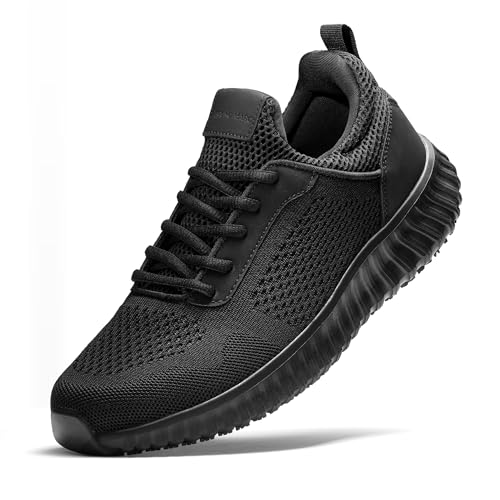
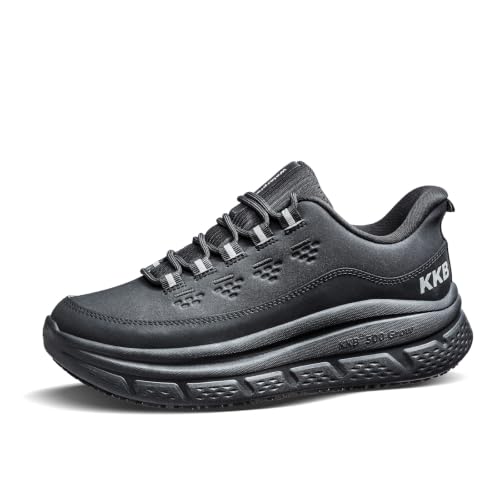


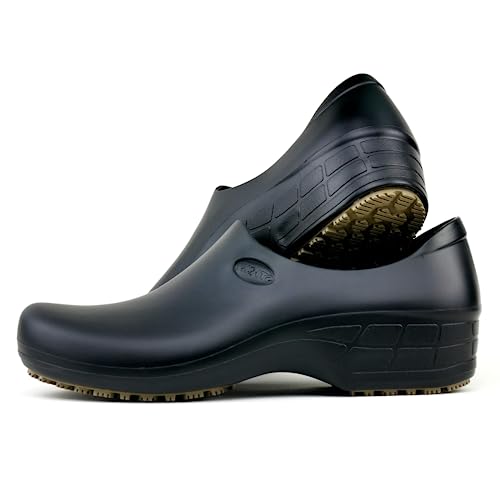
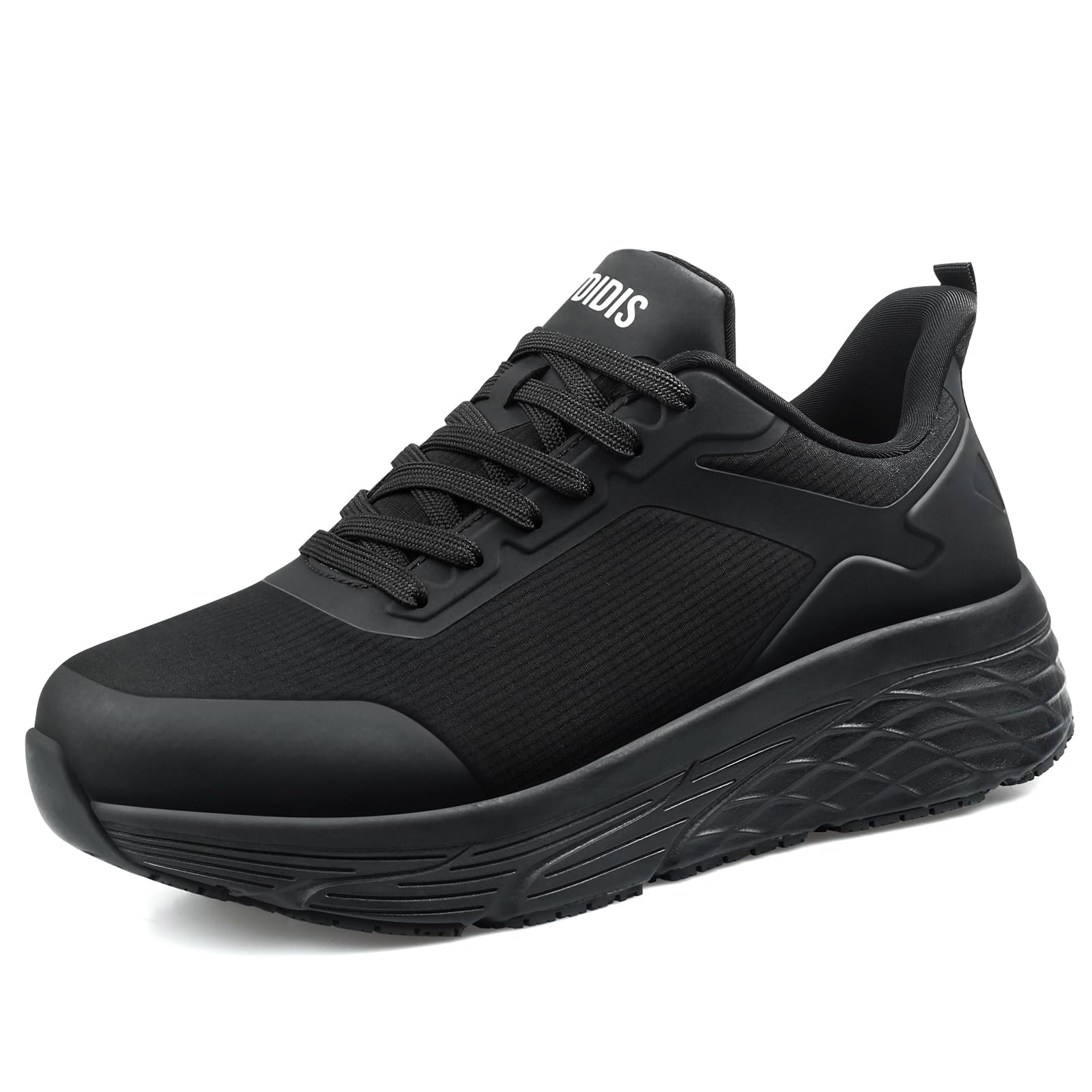



How to Choose the Best Chef Shoes
Slip Resistance Comes First
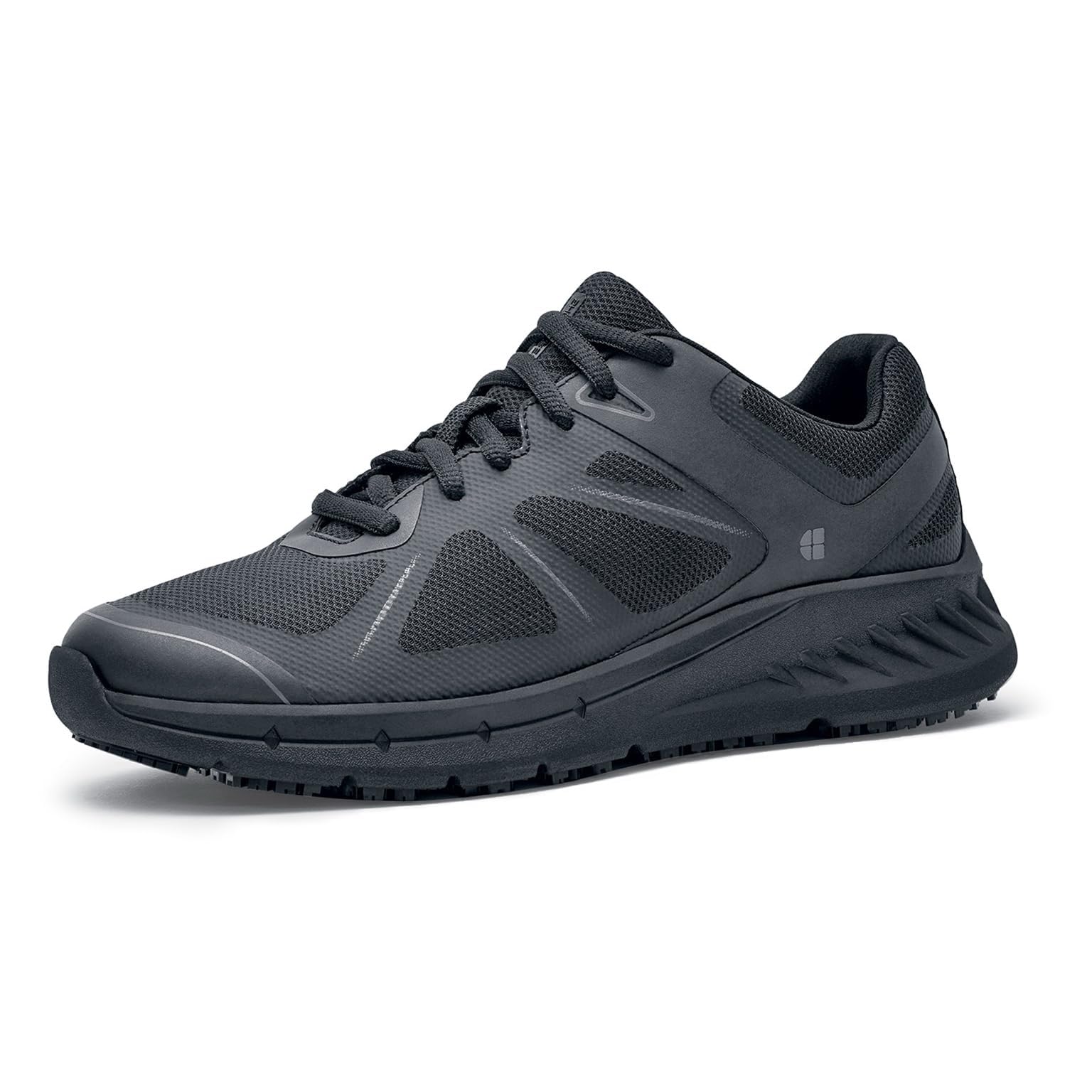
Kitchen floors collect water, oil and flour, so the outsole is the most important part of the shoe. Look for soft rubber with a fine, multi-directional tread that channels liquid away from the contact patch. Listings that mention oil resistance or slip resistance on wet surfaces are a good sign, while a smooth or shallow tread is a warning. Check the tread whenever you clean the shoes, because worn-smooth soles lose grip even when the upper still looks new.
Protection From Spills and Drops
A closed toe and a closed heel are standard in most professional kitchens, because hot liquids, knives and heavy pans do fall. A water-resistant upper that wipes clean keeps splashes off your socks, and a reinforced toe area adds a little more peace of mind. Check your workplace rules before you buy, since some kitchens specify closed backs, dark colors or a particular sole rating.
Cushioning and Support for Long Shifts
Hard floors send every step back into your heels, arches and lower back. A cushioned midsole absorbs some of that impact, and a supportive insole keeps your arch from collapsing as you tire. Firm, responsive cushioning usually serves you better than very soft foam that flattens by midday. A removable insole is useful because you can swap in your own insert if you prefer one.
Weight, Flexibility and Breathability
A light shoe saves your legs over a double shift, but it should still hold your heel and resist twisting through the middle. A hot kitchen also asks for breathability, so look for uppers that let heat escape without letting spills soak in. Full waterproof construction suits dish pits and wet roles, while a water-resistant upper is usually enough on the line.
Chef Shoe Types Compared
Clogs
Clogs are roomy, easy to slip on and off and stable on a hard floor. Many have a closed back or a heel strap, and they wipe clean quickly. They suit cooks who change shoes often or like extra toe room. Check how well the heel holds, because a loose clog can shift when you pivot fast.
Lace-Up Work Sneakers
Lace-ups give the most adjustable fit and hold the midfoot firmly while you move between stations. They suit cooks who stand and walk all day and want a locked-in feel. They take longer to put on, and long laces should be tucked away from burners.
Slip-On Work Shoes
Slip-ons look neat and go on in seconds, which suits front-of-house staff and cooks who move between kitchen and dining room. They need a snug fit so they stay put during busy service, and many have a lower profile than a clog.
Work Boots
Tall boots protect the ankle and keep water out in dish pits and wet prep rooms. They run warmer and heavier than shoes, so most line cooks save them for roles with constant standing water.
Fit and Sizing
Try shoes on late in the day, when your feet are at their largest, and wear the socks you work in. You want a thumb's width in front of your longest toe, a heel that stays put and no pinching across the widest part of the foot. If you use orthotic insoles, fit the shoe with them in place. Between sizes, choose the roomier one and adjust with lacing or a thicker sock.
Cleaning, Care and Replacement
Wipe the uppers and rinse the soles after each shift, then let the shoes dry fully before the next one. Rotating two pairs gives the cushioning time to recover and keeps odors down. Replace a pair when the tread wears smooth, the midsole feels flat or the upper cracks, which for full-time kitchen work is often within six to twelve months.
What Different Budgets Buy
Entry-level chef shoes cover the basics of grip and a wipeable upper, and they suit part-time cooks. Mid-priced pairs usually add better cushioning, firmer support and more durable outsoles, which is where most full-time cooks find the best balance. Premium pairs add longer-lasting foams, replaceable insoles and sturdier construction. Pay for grip and cushioning first, since those protect your safety and your energy.
For more options, see our guides to the best chef shoes for men and the best women's chef shoes, and complete the kit with the best chef pants.
Common Mistakes to Avoid
- Choosing by looks and ignoring the sole, which leaves you slipping on wet tile.
- Wearing a new pair for a double shift without breaking it in, which invites blisters.
- Keeping shoes until they fall apart, when the grip and cushioning faded months earlier.
- Buying a canvas or mesh sneaker that soaks up spills and offers no slip rating.
- Skipping the workplace dress code, then paying for a pair you cannot wear on shift.
Frequently Asked Questions
How important is slip resistance in chef shoes?
It is the most important feature, because kitchen floors are often wet or oily. A slip-resistant sole with a good tread pattern keeps your footing during fast movement. Check the tread often and replace the shoes once it wears smooth.
Should chef shoes have a closed toe?
Yes. Most kitchens require a closed toe and a closed heel, because hot liquids, knives and heavy pans can fall. Open sandals and open-back clogs without a strap may break kitchen safety rules, so check your workplace policy.
Are clogs or lace-ups better for chefs?
Clogs suit cooks who value room and quick changes, while lace-ups suit cooks who want a precise, secure fit. Both work well when they grip wet floors and support your feet. Choose the style that stays secure during a busy shift.
How do I clean chef shoes?
Wipe or wash them as the maker directs, usually after each shift, and let them dry fully before the next use. Take out the insoles to air them, and clear food or grease from the tread. Avoid harsh chemicals that can damage the sole or upper.
When should I replace chef shoes?
Replace them when the tread wears smooth, the cushioning feels flat, the upper cracks or the insole no longer supports your foot. Busy kitchen staff may need a new pair within six to twelve months.
Should chef shoes be waterproof?
Water-resistant uppers are enough for most cooks, because fully waterproof shoes can run hot on long shifts. Choose waterproof construction only if your role involves standing water, and dry the shoes fully between shifts.
Final Thoughts
Put slip resistance first, then all-day cushioning, then a style that fits your kitchen dress code. Compare the options in the product table above, check the fit with your work socks and pick the pair that keeps you steady to the end of service. The best chef shoes are the ones you stop thinking about halfway through the shift.


