
Best Checked Luggage Bags for 2026: A Buyer Checklist
Disclosure: We may earn a commission when you buy through links on this page, at no extra cost to you. As an Amazon Associate I earn from qualifying purchases. Learn more
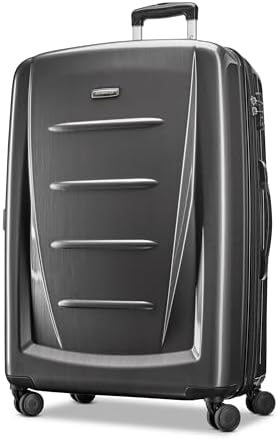
Compare checked luggage bags by size, weight, wheels, durability, and security. Use this checklist to find a bag that fits airline limits and your trips.
Checked bags take more abuse than any other bag you own, from conveyor belts to overhead bins in cargo holds. The best checked luggage bags balance size, weight, durability, and ease of handling, so your belongings arrive intact and the bag itself lasts for many trips. Use the comparison table below to compare the main types before you shop.
This guide works as a checklist rather than a set of product picks. Work through size limits, empty weight, wheels, handles, and security features, then match the bag to the trips you take most often. A frequent flyer needs different strengths than an occasional vacation traveler, and a family packing for a week needs different capacity than a solo traveler on a long weekend.


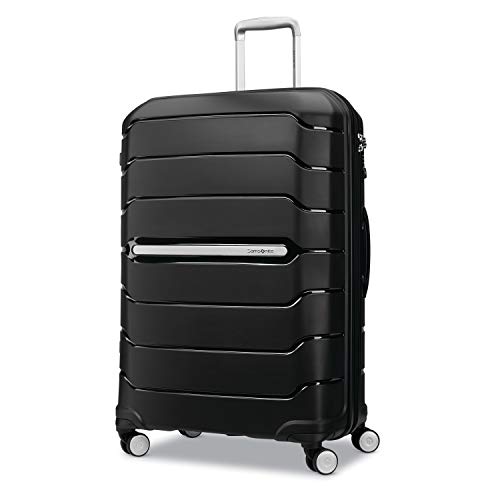


How to Judge Checked Luggage Bags
Judge a checked bag by how it performs on real trips, not by how it looks in a store. The criteria below cover the points that matter most once the bag leaves your hands at check in.
Capacity and Airline Size Limits
Capacity is usually measured in liters, and most medium checked bags hold about 60 to 80 liters, while large bags hold about 90 to 120 liters. Check your airline size and weight limits before you buy, since limits differ by carrier and route, and oversize bags draw extra fees. A bag that fits one airline may exceed another, so choose a size that works for the carriers you fly most. Packing cubes help you use the space well, and an expandable section adds flexibility for the trip home.
Empty Weight
Empty weight matters because every pound of bag is a pound you cannot pack. Hard shell bags often weigh more than soft shell bags of the same size, though they protect contents better against impacts. Aim for a bag that leaves you plenty of room under the airline weight limit after packing. If you often pack close to the limit, a lighter bag is worth more than an extra pocket or a heavier frame.
Organization and Packing
Good organization keeps clothes neat and fragile items safe through handling. Look for a divided main compartment, compression straps, and a mesh pocket for small items. A padded section for electronics helps when you pack a tablet or e reader in checked luggage, though valuables and laptops belong in your carry on whenever possible.
If you travel with a laptop in a separate bag, see our guide to the best laptops bag for carry options. For cameras and lenses, our guide to the best bags for cameras covers padded protection in more detail.
Security Features
Security features protect your belongings during handling and storage. Look for sturdy zippers that resist splitting, lockable zipper pulls, and a lock approved for airport screening. Hidden pockets suit passports and small valuables, though you should still keep documents and money in your carry on. Check that locks are easy to set and reset, and that zipper pulls feel solid rather than thin or flimsy.
Wheels and Handles
Wheels and handles decide how easy a heavy bag is to move through airports. Four spinner wheels roll smoothly in any direction and suit flat airport floors, while two larger wheels handle curbs and rough surfaces better. Test the telescoping handle for wobble at full extension, and check that side and top handles feel secure for lifting. A handle that locks at more than one height suits travelers of different heights sharing one bag.
Durability and Materials
Durability comes from shell material, zippers, wheels, and stitching working together. Hard shells resist crushing and water, while soft shells flex to fit tight spaces and often include exterior pockets. Look for reinforced corners, strong wheel housings, and seams that lie flat without loose threads.
A good warranty signals maker confidence, so read what it covers, how long it lasts, and how claims are handled before you buy.
How Much to Spend on Checked Luggage
Budget bags suit occasional travelers who pack light and fly a few times a year. They usually offer basic wheels, simple organization, and shorter warranties, yet they can serve well for short trips. Midrange bags suit regular travelers who want stronger wheels, better zippers, and more thoughtful packing features.
Premium bags suit frequent flyers who need top durability, smooth handling, and longer warranty coverage. Spend more when you fly often, pack heavy, or need a bag that survives years of rough handling.
Quick Buyer Checklist
Run through these questions to find the best checked luggage bags for the trips you actually take.
- Does the bag fit the size and weight limits of the airlines you fly most?
- Is the empty weight low enough to leave room for your belongings?
- Do the wheels roll smoothly and the handle lock firmly at full extension?
- Are the zippers sturdy, lockable, and easy to operate when the bag is full?
- Does the interior layout suit how you pack, with straps and useful pockets?
- Is the shell material right for your trips, hard for protection or soft for flexibility?
- Does the warranty cover wheels, handles, and zippers for a reasonable period?
- Can you lift the packed bag comfortably by its side and top handles?
Red Flags to Watch For
- Vague size or weight specs that do not match airline limits or real measurements.
- Thin zippers, loose stitching, or wheel housings that flex under light pressure.
- No warranty details, or a warranty that excludes wheels and handles.
- Handles that wobble badly or collapse under the weight of a packed bag.
- Reviews that look copied or extreme, with no detail about real trips.
Care and Maintenance Tips
Pack heavy items near the wheels so the bag balances and rolls straight. Wipe the shell clean after each trip, spot clean fabric panels instead of machine washing, and let the bag dry fully before storage. Check wheels, handles, and zippers after rough trips, tighten loose screws if the maker allows it, and store the bag unzipped in a dry place so odors do not build up. Following maker care guidance keeps the bag rolling smoothly for years.
Frequently Asked Questions
What size checked luggage bag do I need?
Most travelers do fine with a medium checked bag of about 60 to 80 liters for trips of one week. Shorter trips may need less, while family trips or cold weather packing call for a large bag of about 90 to 120 liters. Check your airline size limits first, since a bag that is too large draws fees even when it is not full. When in doubt, choose the smaller bag that still fits your packing list, since it is easier to lift and move.
How much can a checked luggage bag weigh?
Weight limits differ by airline, route, and ticket class, so check your carrier rules before you pack. Many airlines set a standard limit near 50 pounds for economy checked bags, with higher limits for premium cabins. Weigh your packed bag at home with a luggage scale to avoid surprise fees at the airport. If you pack close to the limit often, choose a lighter bag and move heavy items to your carry on where rules allow.
Should I choose a hard shell or soft shell checked bag?
Hard shell bags protect fragile items better and resist water and crushing during handling. Soft shell bags flex to fit tight spaces, weigh less in many cases, and often add exterior pockets for quick access items. Choose hard shell when you pack breakables or travel in wet conditions, and soft shell when you value light weight and extra pockets. Either type works well when zippers, wheels, and handles are strong.
Are spinner wheels better than two wheels on checked luggage?
Spinner wheels roll in any direction and make a heavy bag easy to push beside you through airports. Two larger wheels handle curbs, cracks, and rough surfaces better and often last longer under heavy loads. Spinners suit smooth airport floors and travelers who push rather than pull, while two wheel bags suit rougher ground and heavier packing. Try both styles with a loaded bag if you can, since handling feel matters more than the wheel count alone.
What should I do if my checked bag is damaged by an airline?
Report damage at the airport before you leave, since claims are easier when the airline records the problem on the spot. Take photos of the damage, keep your baggage claim tag, and file a claim within the airline deadline stated in its policy. Keep receipts for repairs, and check whether the bag maker warranty covers the same damage. Acting quickly and keeping records gives you the best chance of a repair or replacement.
Final Thoughts
Size, empty weight, wheels, and durability matter more than looks or extra features. Choose a bag that fits your airline limits, rolls smoothly when full, and protects what you pack. Check the warranty, test the handles, and pack with the checklist above in mind. The best checked luggage bags are the ones that make travel easier trip after trip, and the product table above can help you compare the main types one final time.


