Best Charger for Tablets in 2026: Which Type Is Right for You?
Disclosure: We may earn a commission when you buy through links on this page, at no extra cost to you. As an Amazon Associate I earn from qualifying purchases. Learn more

Compare the best charger for tablets by type, pros and cons, ideal users and price range to choose the right style.
Tablet chargers look interchangeable until one takes all afternoon to fill your battery or gets too hot to hold. Finding the best charger for tablets starts with the type, because wall, car, portable, wireless, and solar chargers each solve a different problem.
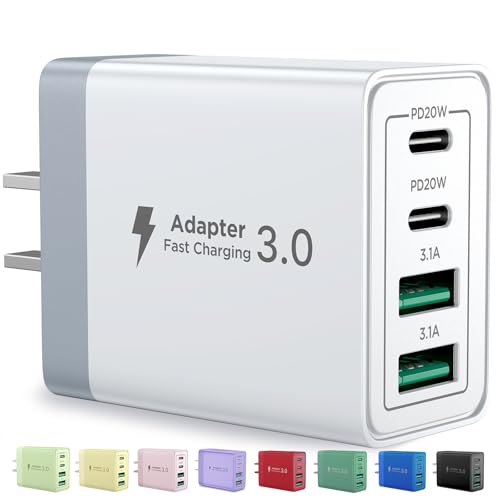
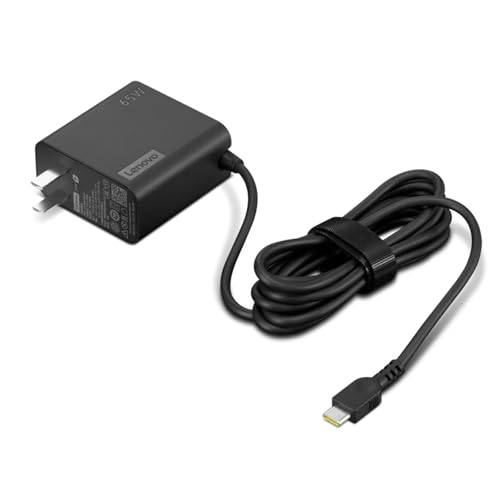
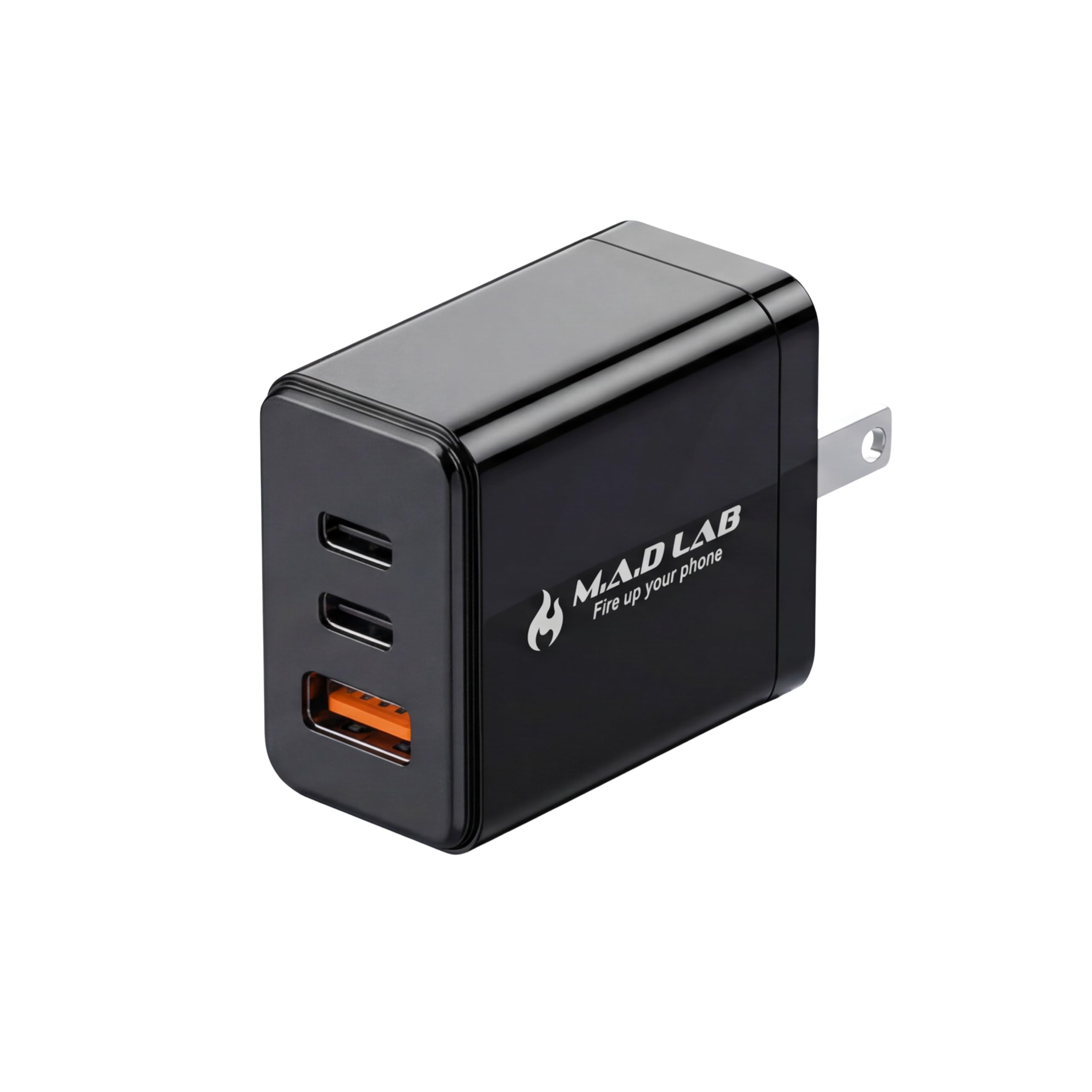
This guide compares those types honestly, including where each one disappoints, then explains the specs that decide charging speed. Use the comparison table below for a quick overview of the best chargers for tablets by type, and read on to match a style to your routine.

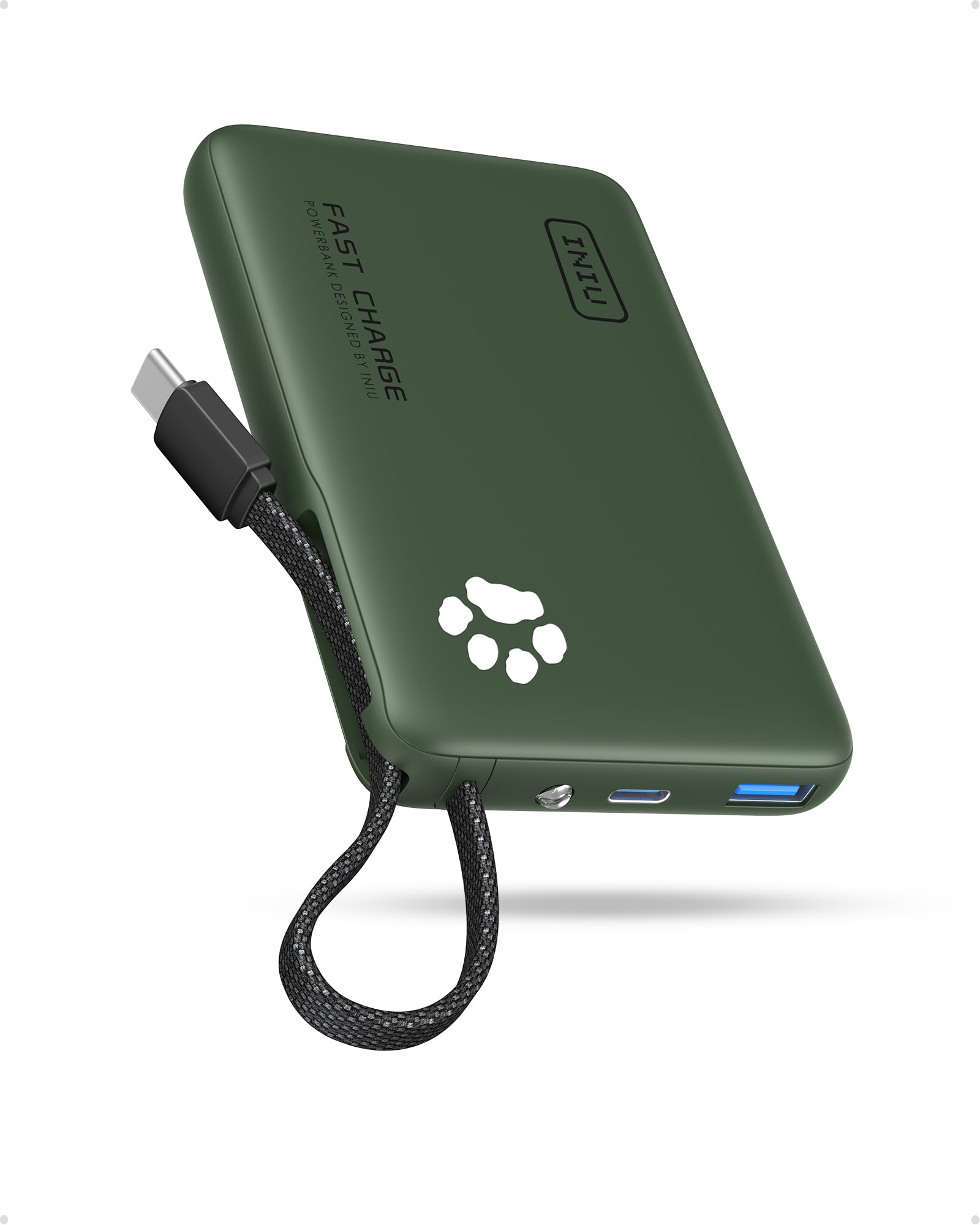

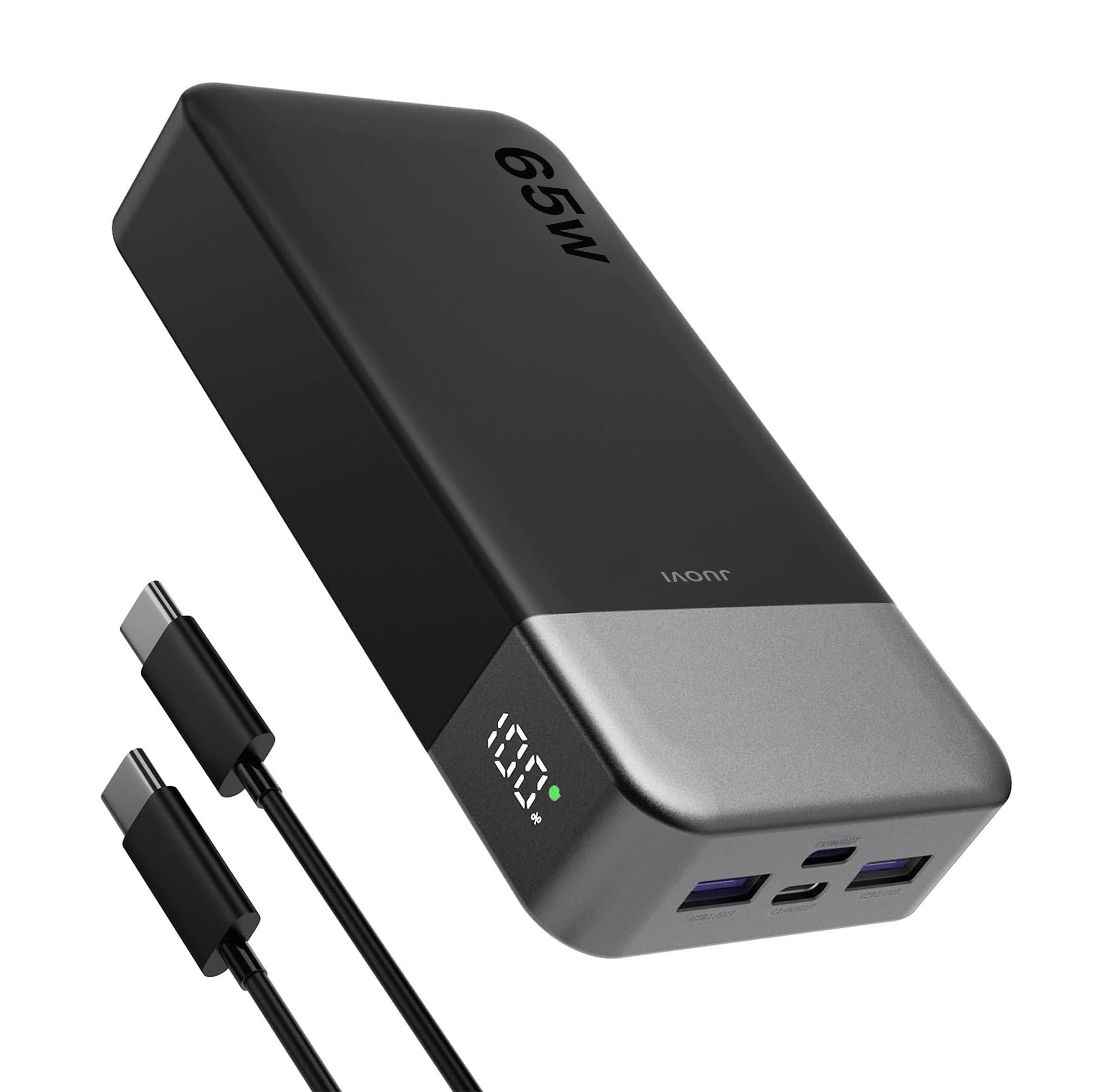
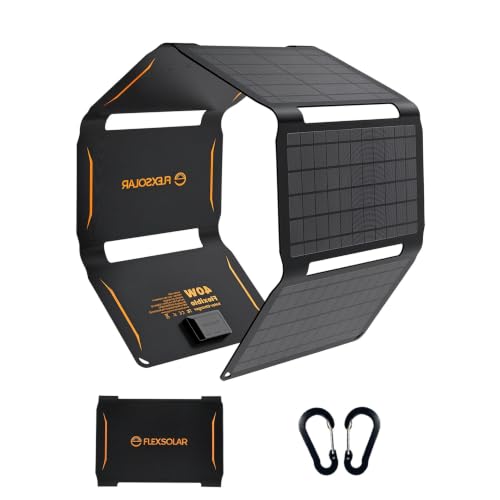
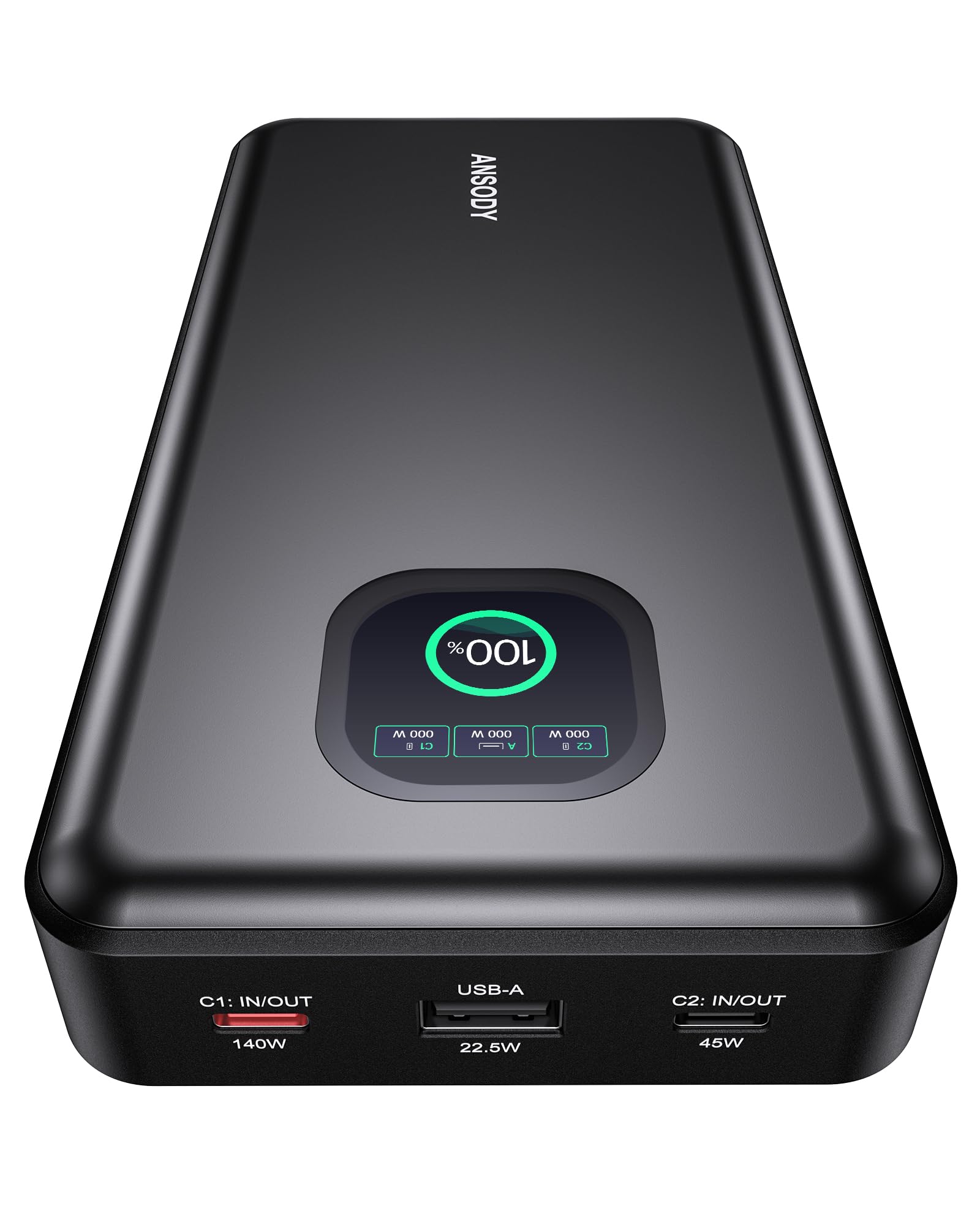
How Charger Types Compare
Wall Chargers vs Portable Power Banks
A wall charger is the fastest and cheapest way to charge at home, drawing full power from an outlet for around $15 to $30. Its weakness is obvious: it only works near a socket. A power bank carries its own stored energy, so it works on trains, in parks, and during outages, but it costs more, adds weight, and needs recharging itself. Most owners end up with a wall charger as the daily default and a power bank as the travel backup.
Wired Chargers vs Wireless Chargers
Wired charging is faster, cooler, and more efficient, and it lets you use the tablet while it fills. Wireless charging trades speed for convenience: you drop the tablet on a pad and pick it up without cables, but many tablets do not support it at all, and those that do usually charge at half the wired rate or slower. Alignment also matters, since a tablet resting slightly off center on a pad can charge slowly or not at all. Our dedicated guide to the best wireless charger for tablets covers pad types and placement in detail.
Car Chargers vs Solar Chargers
A car charger pulls power from the vehicle while you drive, which is ideal for navigation tablets and family road trips. Output on basic models can be modest, so check the wattage per port if your tablet is large. A solar charger works anywhere the sun shines, which suits camping and emergency kits, but it is slow and weather dependent, often delivering a partial charge over a full sunny day. The roundup of the best solar chargers for tablets explains realistic expectations for panel size and charge times.
Who Should Choose Which Charger Type?
Home and office users should default to a good wall charger with two ports, one for the tablet and one for a phone. Frequent travelers and commuters get the most from a power bank sized around 10000 to 20000 mAh, which refills a typical tablet once or twice. Drivers who rely on a tablet for navigation need a car charger with enough wattage to gain charge while the screen and GPS run. Outdoor users and anyone building an emergency kit can add solar as a backup, but not as the only plan. If you mainly read and browse at home, one quality wall charger honestly covers your life.
How to Choose the Right Charger
Features That Matter for Tablets
Tablets have much larger batteries than phones, so wattage is the feature that matters most. Most modern tablets accept about 18 to 45 watts, and a charger below that range still works but charges slowly. Check the tablet maker page for its maximum charging rate, then buy a charger that meets or slightly exceeds it. Extra wattage does not harm the tablet, because the tablet controls how much power it draws. A compact heat safe design and foldable prongs are practical bonuses for daily carrying.
Ports and Connectivity
USB C is now the standard port on most tablets, and modern chargers use it to deliver the fast charging protocols tablets expect. A charger with two ports helps households, but the headline wattage is usually shared, so two devices plugged in together each get less. If you also charge older gear, one USB A port adds flexibility. Cable choice matters as much as the brick: a worn or very thin cable can cap charging speed no matter how powerful the charger is, so use the cable that came with the tablet or a quality rated replacement.
Charging Speed and Power Delivery
Look for USB Power Delivery, often shortened to PD, on the charger specification. This is the common fast charging standard most Android tablets and recent iPads use. Some brands add their own fast protocols, and a charger without that specific protocol will still charge those tablets, just at standard speed. Real world timing helps you judge claims: a suitable fast charger typically takes a large tablet from empty to about half full in under an hour, while a basic 10 watt charger can need four hours or more for a full charge.
Compatibility With Your Tablet and Ecosystem
Compatibility is broader than the plug fitting. Confirm the charger supports your tablet voltage range, which any USB C PD charger does, and think about the rest of your bag. If you carry a laptop that charges over USB C, one higher wattage charger around 65 watts can serve both devices and cut the gear you pack. Families with tablets from several brands benefit from multi port chargers, while a single brand household can safely use that brand charger and still keep a universal spare.
Safety, Heat, and Build Quality
A charger handles mains electricity, so safety certification is not a detail to skip. Look for recognized safety listings on the charger body, and avoid unbranded chargers with no markings at all. Warm during fast charging is normal; too hot to touch comfortably is not, and it is a reason to unplug and replace the unit. Solid strain relief where the cable meets the plug, a casing without flex or rattle, and prongs that sit firmly in the outlet all point to a charger built to last.
Brand support connects here as well. If you are also shopping for the tablet itself, our guide to the best pc tablets clarifies which models charge over USB C, which makes standardizing your chargers much simpler.
Choosing Chargers for Your Situation
Best Car Charger for Tablets: Which Type Works Best
The best car charger for tablets delivers at least 30 watts from one port, so the tablet gains battery while running navigation with the screen on. Dual port models let a passenger charge a phone at the same time, though total output is shared. Choose a compact metal bodied unit that sits flush and stays seated over bumps, and keep a quality cable in the car so the setup is always ready.
Best Wall Charger for Tablets
The best wall charger for tablets for most homes has two USB C ports, total output around 45 to 65 watts, and foldable prongs for travel. That combination fast charges one tablet alone and still handles a tablet plus phone together at reasonable speed. A second charger for the bedroom or office is a cheap quality of life upgrade, because it ends the nightly hunt for the one good brick.
Best USB Chargers for Tablets
The best usb chargers for tablets in a shared space are multi port desktop units that sit on a counter or desk with short cables for each device. They end outlet wars in kitchens and family rooms and keep cables off the floor. Add up the wattage your devices want at once, then pick a unit whose total output covers it, remembering that per port limits still apply to the largest tablet.
Tips to Get the Most From Your Charger
Charge in a cool, ventilated spot and remove a thick case if the tablet gets warm, because heat slows charging and ages the battery. For battery health, you do not need to hover over the percentage, but unplugging around full and avoiding overnight charging on a hot surface are easy habits. Keep one cable and charger together as a travel set so you never pack the slow spare by mistake, and replace frayed cables promptly, since a damaged cable is both slow and a safety risk. For off grid trips, pair a power bank from the list of the best portable charger for tablets with your wall charger for the fastest recovery each evening.
Chargers: Your Questions Answered
What features matter most in chargers for tablets?
Wattage, the USB Power Delivery standard, and safety certification matter most. Match the charger wattage to the fastest rate your tablet accepts, keep a quality cable in the pairing, and treat unknown no name chargers as false economy. If several of the best chargers for tablets meet those three points, choose on port count and size, because performance will be effectively identical.
How many watts does my tablet actually need?
Most tablets charge fastest somewhere between about 18 and 45 watts, and the maker support page states the exact ceiling for your model. A charger above that ceiling is safe and future proof, it simply will not charge that tablet any faster. A charger below it still works, which is handy in a pinch, but expect noticeably longer sessions, especially on large screened models with big batteries.
Can I use a laptop USB C charger for my tablet?
Yes, in nearly all cases. USB C Power Delivery chargers negotiate the voltage and current the tablet requests, so a 65 watt laptop charger safely charges a tablet that wants 30 watts. This is the easiest way to carry one charger for everything on a trip. The reverse also works but slowly: a small tablet charger will take a very long time to fill a laptop.
How long should a charger last?
A quality charger should last several years of daily use. The cable usually fails first, through fraying near the ends, while the brick itself often outlives the tablet it came with. Retire any charger that buzzes, smells of hot plastic, sparks at the outlet, or charges intermittently when the cable moves. Those are end of life signs, not quirks to tolerate.
Is wireless charging a good main option for a tablet?
For most people, no. Many tablets lack wireless charging entirely, and those that support it charge slowly and generate more heat than a cable. Wireless pads shine as a bedside top up for phones and earbuds rather than as the main way to refill a large tablet battery. If your tablet does support it, treat the pad as a convenience extra and keep a wired fast charger as your primary.
Should I buy a charger with more ports or more power?
Buy power first if you own one large tablet, and ports first if your household charges everything in one spot. The common trap is a four port charger whose low total wattage leaves every device sipping. Read the total output figure, not just the per port headline, and make sure the number covers your busiest charging moment, such as an evening with two tablets and two phones.
Final Thoughts
Pick the type by where you charge, then buy enough wattage with USB Power Delivery and a proper safety listing. One good wall charger, the right portable or car option for your travel pattern, and a sound cable will cover nearly every situation without clutter. Compare your finalists in the product table above, and you will have the best charger for tablets for your home, bag, and car.