Best Charcoal Grill Under $300 (2026): Size, Type and Budget Guide
Disclosure: We may earn a commission when you buy through links on this page, at no extra cost to you. As an Amazon Associate I earn from qualifying purchases. Learn more

A plain guide to the best charcoal grill under 300 dollars: grill types, sizes, running costs and care for your patio and household.
A Saturday cookout can turn stressful when the grill is too small for your family, too wide for your patio, or too fussy to clean on a weeknight. Finding the best charcoal grill under 300 dollars is less about chasing extra parts and more about matching size, control, and upkeep to your home. This guide walks you through space, household size, and daily routine first.
Use the comparison table below to see how the main types differ at a glance, then read on for the details that matter at home. If you want the wider category view first, see our guide to the best charcoal grill before you narrow your budget.
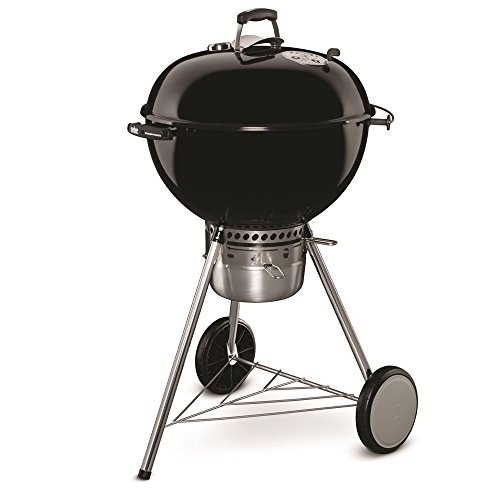


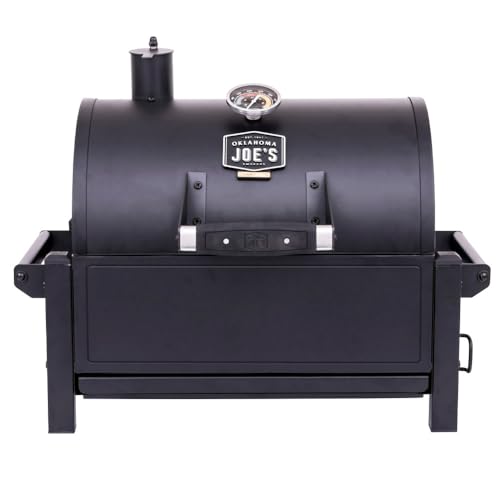

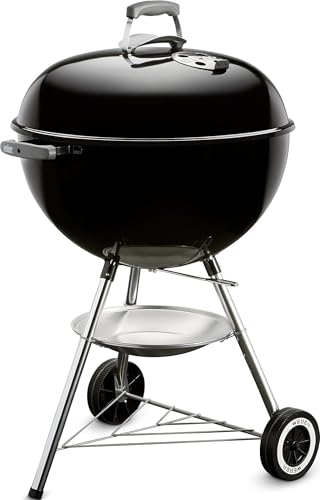


Quick Answer: Which Type Fits Your Home
For most houses with a yard and four to six people at the table, a 22 inch kettle gives you the best balance of cooking room, simple vents, and easy storage. It handles burgers, chicken pieces, and a modest amount of vegetables at once without taking over the patio.
For a small balcony, a narrow deck, or a household of one or two, a compact kettle or a tabletop model saves floor space and uses less charcoal per cook. If that sounds like your home, compare the options in our guide to the best small charcoal grill alongside the sizes below.
For campers and renters who move often, a portable model with folding legs and a locking lid matters more than raw cooking area.
Before You Buy: A Quick Checklist for Choosing a Charcoal Grill
Work through these points in order. Space and household size narrow the field fast, and the remaining choices become much simpler once those two facts are settled.
Size: Match It to Your Space
Measure the spot where the grill will sit and where it will be stored, then leave room to walk around it while it is hot. An 18 inch grate suits one or two people and tight corners. A 22 inch grate is the common family size and fits most patios. A 26 inch grate helps when you cook for guests often, but it needs more floor space and more charcoal. Choosing by measured space prevents a grill that blocks a door or a walkway in daily use.
Which Type Fits Your Routine
Kettle grills are the most flexible choice for direct grilling and for indirect cooking with the lid on, and their round shape is simple to learn. Barrel grills give you a long grate that suits rows of food, though they take more patio depth. Portable and tabletop models trade cooking area for a small footprint and easy transport, which is why many apartment and camping cooks start with the best portable charcoal grill format. Full kamado and offset styles usually sit above this budget, so check any low price version closely.
Features Worth It (and Ones to Skip)
Pay for an ash catcher that removes without spilling, vents that move smoothly, and a hinged grate that lets you add charcoal during a long cook. A side table helps if you have no nearby counter, and a lid thermometer gives a rough guide to heat. Skip add ons you will rarely use, such as a rotisserie kit for a cook who only grills burgers, because each extra part adds cost, cleaning, and storage needs.
Fuel Type and Running Cost
All of these grills burn charcoal, but the cost per cook varies with grate size and how well the lid seals. Briquettes burn in a steady way and suit longer cooks, while lump charcoal lights fast and leaves less ash. A large grill lit for two portions wastes fuel, so size affects monthly cost as much as bag price does. If you are still deciding between fuel types, our charcoal vs pellet grill comparison explains the trade off in flavor and control.
Cooking Area and Heat Control
Cooking area is listed in square inches, and usable area is a bit less than the headline number because food should not crowd the edge. For most families, about 350 to 450 square inches covers a full meal without a second batch. Heat control comes from bottom and lid vents plus the height of the charcoal grate on some models. Look for vents that open in small steps and stay where you set them, since loose vents make it hard to hold a steady temperature.
Build Materials and Rust Resistance
Most grills under this budget use steel with a porcelain enamel coating on the bowl and lid, and that coating protects the metal as long as it is not chipped. Thicker steel holds heat in a steadier way and resists dents. Check the legs and wheels as well, because wobbly legs are a safety issue when the grate is full and hot. Handles should be fixed with solid hardware, and stainless steel grates or hardware can help at points that see the most moisture.
Realistic Budget Ranges
Under about $100, expect a basic portable or a small kettle with simple vents and a light build. About $100 to $200 buys a full size kettle with a better ash system and sturdier legs. About $200 to $300 is where you see larger grates, hinged cooking grates, side tables, and stronger wheels. Spending near the top makes sense when you grill several times a week, because easier cleaning saves time on every cook.
Types Compared: Where Your Money Works Hardest Under $300
Rather than naming individual models, compare the three routes most buyers in this budget actually choose between. A standard 22 inch kettle is the all round route, with the widest choice of covers and replacement grates. A compact or portable grill is the space saving route, with lower fuel use and faster cleanup, but a grate that fills up quickly when guests arrive. A larger barrel or an upgraded kettle is the capacity route, with room for two zone cooking and bigger gatherings, at the cost of more storage space and more charcoal per session.
Think about your most common cook, not your biggest one. If you grill for four people twice a week and for ten people twice a year, buy for the weekly pattern and handle the rare big cook in batches. That logic keeps the best charcoal grill under 300 dollars feeling right long after the first cookout, instead of feeling oversized and wasteful on ordinary nights. Learning the basics from our guide on how to start a charcoal grill will also help you judge how much vent control you really need.
How to Compare Grills in This Price Range
Compare cooking area, vent design, ash handling, build quality, and fuel use, in that order, and use maker specifications for sizes and materials. Read buyer reviews for patterns about legs, wheels, and parts that arrive bent or fail early, rather than for single opinions about flavor. A grill with many spare parts available, such as grates and ash pans, will usually serve you longer than one with no listed replacements.
What You Get (and Give Up) Under $300
Under this budget you get honest charcoal flavor, simple parts you can replace, and enough heat for searing as well as slower lid on cooking. You also get manual control, with no motor, no power cord, and no control board to fail. Assembly is usually a one person job with basic tools.
What you give up is refinement. You will not get the thick ceramic walls of a premium kamado or powered draft control. Lids may lose more heat, and thermometers may read roughly rather than precisely. For most homes those trade offs are fair, because the food depends far more on your charcoal layout and vent use than on luxury parts.
Common Buying Mistakes to Avoid
- Buying a 26 inch grill for a small patio, which leaves no safe room to move around it while it is hot.
- Choosing by headline cooking area alone, which can lead you to a wide but shallow grate that crowds thick food.
- Ignoring ash cleanup, which makes weeknight grilling feel slow and pushes the grill into storage unused.
- Forgetting the cost of a cover, a chimney starter, and replacement grates, which can add about $50 to $100 to your first year cost.
- Placing a charcoal grill under a low roof or near siding, which creates a fire and smoke risk for your home.
Cost of Ownership and Care
Ongoing cost is mostly charcoal, plus a cover and the odd replacement grate or ash pan. Store the grill dry, empty the ash once it is fully cold, and oil the cooking grate lightly after cleaning to limit rust. Brush the grate while it is warm and check bolts on the legs and wheels each season. Our guide on how to use a charcoal grill covers safe lighting, heat zones, and shutdown for new owners.
Never leave ash in the bowl for weeks, because damp ash holds moisture against the metal and speeds up corrosion. Keep spare charcoal in a sealed dry container so it lights well and burns evenly.
Your Questions, Answered
How do you clean a charcoal grill after a cookout with guests?
Let the coals burn down and cool fully, ideally overnight, before you touch the ash. Scoop the ash into a metal container, brush the grate, and wipe the bowl with a damp cloth once it is cold. Before guests arrive next time, check the vents move freely and clear any old ash from the bottom, because blocked vents are the main reason a grill struggles to reach high heat at the start of a busy cook.
Is a charcoal grill worth it for a small household?
Yes, if you grill at least a few times a month and you enjoy the flavor that charcoal gives to simple foods like chicken thighs, corn, and sausages. A small household benefits most from a compact grate, since it uses less fuel per cook and heats faster. It is less worth it if your building bans charcoal or if you need dinner ready in minutes every night, because lighting and preheating take real time that a gas or electric option does not.
How long does a charcoal grill under $300 last?
With a cover, dry storage, and regular ash removal, many grills in this range serve a home for about five to ten years. The cooking grate and ash pan usually wear first and can be replaced at modest cost, which extends the life of the bowl and lid. A grill left uncovered in rain, with ash sitting in the bowl, can rust through far sooner. Your climate matters too, since coastal air and winter road salt both speed up corrosion on exposed metal.
Can you get a good charcoal grill for under $300?
Yes, and this is the price range where most home cooks find the best balance of size, control, and build. You can expect a family size grate, usable vents, and an ash system that makes cleanup simple. What separates a good choice from a poor one at this price is not a long feature list. It is steady legs, a lid that fits well, and parts you can replace later, all of which you can check before you buy.
What size charcoal grill does a family of five need?
A 22 inch kettle is the practical starting point for five people, because it fits a full load of burgers or chicken pieces in one batch with a small area left for vegetables. If your family often cooks two foods at very different heats at the same time, a larger grate or a barrel shape gives you more room to separate them. Measure your storage space first, since a bigger grill that must live outside without shelter will age faster than a smaller one stored under cover.
Final Thoughts
Start with your space and your household size, then choose the simplest grill that gives you clean ash handling, steady vents, and a grate you can replace. That approach will lead you to the best charcoal grill under 300 dollars for your home far more reliably than any long feature list. Look back at the product table above, match one type to your weekly routine, and budget a little extra for a cover and a chimney starter so your first cook goes smoothly.