Best Charcoal Grill Under $200 (2026): Size, Type and Budget Guide
Disclosure: We may earn a commission when you buy through links on this page, at no extra cost to you. As an Amazon Associate I earn from qualifying purchases. Learn more
A plain guide to the best charcoal grill under 200 dollars: grill types, sizes, running costs and care for your patio and household.
A charcoal grill sounds simple until you picture it in your actual yard. It has to fit the patio corner you have, feed the people who really show up for dinner, and stay easy enough that you still use it on a plain Tuesday. That is why the best charcoal grill under 200 is rarely the biggest one on the shelf. It is the one that matches your space, your household size, and your patience for tending a fire. The comparison table below lines up the main options side by side.
This guide judges every grill the way a home cook lives with it: how much room it takes, how many mouths it feeds, how much cleanup each cook costs you, and how the body holds up outdoors. If you want the wider category picture first, our guide to the best charcoal grill covers budgets above this one. Here, everything stays under $200, and the goal is a grill that earns its spot instead of becoming patio clutter.




Quick Answer: What Fits Most Homes
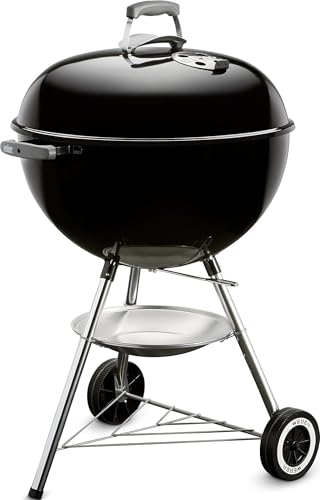
For most households, a 22 inch kettle is the safest shape in this budget. It fits a small patio, feeds four to six people, and gives you real heat control through its lid and bowl vents. Smaller homes do better with an 18 inch kettle or a compact barrel, while campers should look at portable models. Use the product table above to compare cooking area and vent style first, because those specs decide your daily experience.
Before You Buy: A Quick Checklist for Choosing a Charcoal Grill
Size: Match It to Your Space
Start with the footprint, not the grate. Measure the spot where the grill will live, then leave clear space around it for the lid swing, hot tools, and safe distance from siding and fences. An 18 inch kettle suits one or two people and tucks into a balcony corner. A 22 inch kettle is the middle ground most families land on, and a 26 inch model only makes sense if you cook for crowds and have the patio depth to park it. If floor space is tight but you still cook for a family, look at the options in our guide to the best small charcoal grill.
Which Type Fits Your Routine
Kettle grills are the all rounders: a round bowl, a domed lid, and vents top and bottom, so you can sear burgers one night and roast a whole chicken the next. Barrel grills give you a long rectangular grate that suits ribs and large batches, though heat can run uneven from end to end. Portable and tabletop models trade cooking area for storage ease and travel. Kamado style grills hold heat beautifully, but true ceramic bodies almost never appear under $200. Pick the type that matches your weekly routine, not your biggest party of the year.
Features Worth It (and Ones to Skip)
Pay for an ash catcher that removes in one piece, because loose ash pans spill and rust fast. An adjustable charcoal tray is worth it if you cook both thin fish and thick steaks, since raising the coals changes searing power without adding fuel. Hinged cooking grates earn their cost too, letting you add charcoal during a long cook without lifting food off. Skip rotisserie kits and elaborate add ons at this price, since the money serves you better in thicker steel. If low and slow cooking matters to you, see how the best charcoal grill with smoker options handle smoke control before you stretch this budget.
Fuel Type and Running Cost
Charcoal is your main running cost, and the type changes both flavor and your grocery bill. Briquettes burn longer and more evenly, cost less per cook, and suit beginners who want predictable heat. Lump charcoal lights faster, burns hotter, and leaves less ash, but the bag costs more and piece sizes vary. A family grilling twice a week through summer might use a large bag every few weeks, so add roughly the price of a bag or two per month to your ownership math.
Cooking Area and Heat Output
Charcoal grills rarely carry a BTU rating, because output depends on how much fuel you load and how you set the vents. Judge capacity by grate size instead. An 18 inch round grate offers about 240 square inches, a 22 inch about 363 square inches, and a 26 inch about 508 square inches. Those numbers decide how many burgers fit without crowding, and crowding matters, since packed food steams instead of searing.
Build Materials and Rust Resistance
Most grills in this range use steel with a porcelain enamel coating, which resists rust well if the coating stays intact. Thinner steel feels light and heats fast, but it flexes, loses heat in wind, and dents when a lid drops. Stainless steel parts, usually grates or hardware, resist corrosion better than plain plated steel. Check leg joints and wheel axles before you buy, because wobble at the base is the first failure point on budget grills. A snug lid fit matters too, since gaps leak heat and make low temperature control frustrating.
Realistic Budget Ranges
Under $100, expect small kettles and simple barrel grills with thin steel, basic vents, and minimal ash handling. They cook fine and suit occasional use. Between about $100 and $200, you gain thicker bowls, better vent control, hinged grates, removable ash catchers, and sturdier legs, and this is where a grill starts to feel like a long term appliance rather than a seasonal purchase. Above $200, money mostly buys larger areas, carts, and premium finishes. For a home that grills weekly, the upper half of this budget usually delivers the best value per year of use.
Charcoal Grill Types Compared Under $200
Kettle Grills: The Default for Most Homes
The kettle shape dominates this price range for good reason. The round bowl funnels heat evenly, the domed lid allows roasting and indirect cooking, and parts like grates and covers are easy to find years later. An 18 inch kettle suits couples and small balconies, while the 22 inch size handles family dinners without crowding your patio. If one grill must do everything at your house, start here.
Barrel Grills: More Grate, Less Finesse
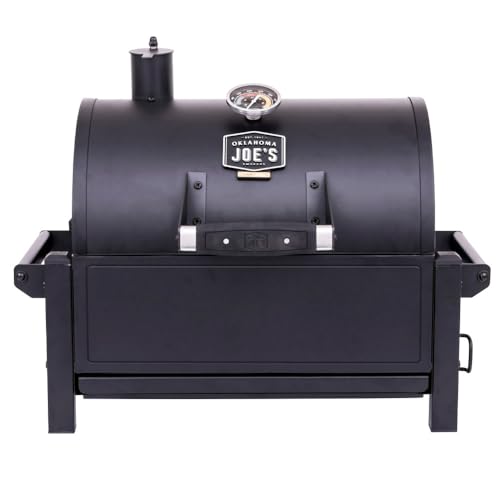
Barrel grills stretch the cooking surface into a rectangle, which suits long cuts like ribs and full racks, plus big batches of wings. Many include a front shelf and a warming rack, handy when you cook for a group. The trade off is heat control: long bodies can run hotter at one end, and budget lids often seal loosely. Choose this type if your typical cook is a crowd batch rather than a careful roast.
Portable and Tabletop Grills: Small Homes, Big Weekends
Portable models fold, latch, or shrink down for car trunks, campsite tables, and apartment balconies where storage rules the decision. Cooking areas run small, often enough for two to four servings at a time, and heat control is simpler, with fewer vents. Our guide to the best portable charcoal grill explains which designs travel well. For a small home that grills mostly for two, a portable can honestly be the main grill, not just a spare.
How This Guide Narrows the Field
We judged options on the criteria that shape daily home use: cooking area against household size, vent and lid control, build quality of the bowl, legs, and grates, fuel efficiency per cook, and how assembly and cleaning feel after the first month. Specs come from manufacturer listings, and owner feedback patterns helped flag weak points like wobbly legs and rust prone ash pans.
What You Get (and Give Up) Under $200
Under $200, you get honest grilling: real charcoal flavor, high searing heat, and enough grate space for family meals. You give up the thick insulation of premium ceramic, the tight lid seals of top tier kettles, and extras like gas ignition, heavy carts, and built in work surfaces. Steel runs thinner, so wind steals more heat and you will manage vents more actively on cold days. Parts support also varies, so a grill from a maker with widely stocked grates and covers is easier to keep running. None of these trade offs stop great food; they simply trade convenience for a price that fits a normal household budget.
Common Buying Mistakes to Avoid
- Buying for your largest party instead of your weekly dinner, so the grill overwhelms your patio the other 51 weeks of the year.
- Measuring only the grate and forgetting the full footprint, including the lid swing and the space you need to stand and work.
- Ignoring ash handling, then dreading cleanup so much that the grill sits unused by midsummer.
- Spending on add on features while the base grill has thin steel and loose legs that will fail first.
- Forgetting the cost of a cover, charcoal, and a chimney starter on top of the sticker price.
- Placing the grill under an overhang or against vinyl siding, where heat can damage surfaces and create a fire risk.
Cost of Ownership and Care
Beyond charcoal, budget for a fitted cover, replacement cooking grates every few seasons, and occasional hardware like wheels or vent discs. A cover is the single cheapest lifespan booster, since standing water in the bowl is what rusts budget grills from the inside out. Store the grill under shelter when you can, and keep the ash catcher empty, because damp ash is mildly corrosive against steel. Before your first cook, read a walkthrough of how to start a charcoal grill so your early meals are not lost to uneven fires.
Your Questions, Answered
Can you get a good charcoal grill for under $200?
Yes, and the deciding factor is not size. Look at grate quality, vent range, and lid fit first, because those decide your results every cook. A modest 22 inch kettle with thick plated grates and a snug lid outperforms a larger, flimsier barrel at the same price. Spend the top of the budget on build, not on extra racks or novelty add ons.
How long does a charcoal grill under $200 last?
With a cover and sheltered storage, most steel kettles in this range last about five to ten years of regular use. Grates usually wear out first and are cheap to replace. Garage storage over winter adds life, while leaving the grill uncovered in rain is the fastest way to cut that span in half. A rusted ash pan is usually your earliest warning sign.
How do you clean a charcoal grill after cooking?
Brush the hot grate with a stiff grill brush right after cooking, while residue is still soft. Once the coals are fully cold, usually the next day, scoop ash into a metal container and store it away from anything flammable for at least 48 hours before disposal, since hidden embers can linger. Wipe the bowl interior monthly, and wash grates with hot soapy water a few times each season.
Is a charcoal grill worth it over other fuel types?
Charcoal asks more of you: lighting time, ash cleanup, and active vent management. In return you get higher searing heat than most small gas grills and a smoke flavor gas cannot match. If weeknight speed matters most, other fuels win, and our comparison of charcoal vs pellet grill shows how pellet cooking changes the routine. If flavor and low purchase price lead your list, charcoal stays worth it.
What size charcoal grill suits a family of four?
A 22 inch kettle is the sweet spot, since about 363 square inches holds roughly eight to ten burgers at once, or a whole chicken with room for vegetables around the edges. An 18 inch model works if you cook in batches and mostly grill for two. Measure your storage spot before ordering, because the bowl plus legs needs more floor space than the grate number suggests.
Final Thoughts
The right choice comes back to your home: the space you can give it, the people you feed most weeks, and the cleanup you will actually do. For most readers, the best charcoal grill under 200 is a 22 inch kettle with a removable ash catcher and a hinged grate, bought near the top of the budget where steel and legs get sturdier. Smaller homes should weigh the compact and portable types in the product table above. Match the grill to your real routine, and it will earn its place on your patio.