Best Charcoal Grill Under $1000 (2026): Size, Type and Budget Guide
Disclosure: We may earn a commission when you buy through links on this page, at no extra cost to you. As an Amazon Associate I earn from qualifying purchases. Learn more

A plain guide to the best charcoal grill under 1000 dollars: grill types, sizes, running costs and care for your patio and household.
A Saturday cookout can go sideways fast when the grill is too small for the crowd, too big for the patio, or too fiddly for a weeknight dinner. Finding the best charcoal grill under 1000 dollars is less about spending the full budget and more about matching size, type, and upkeep to your home.
The comparison table below sums up the main grill types at a glance. The sections that follow explain what each size and feature means in daily use, what the budget tiers buy, and which costs continue after purchase day.





Quick Answer: Three Grill Types That Fit Most Homes
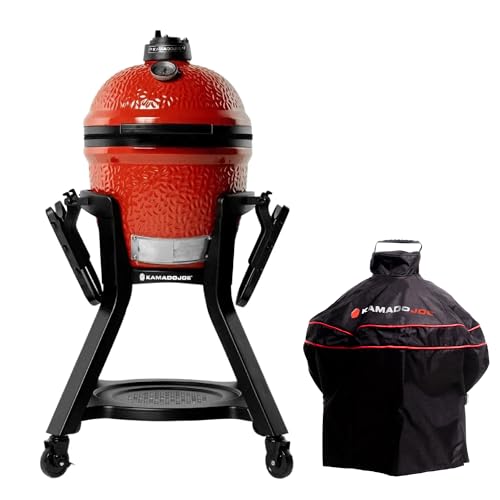
If you want one answer in under a minute, start with a 22 inch kettle. It suits most patios, handles burgers and whole chickens, and keeps fuel and parts costs low. Choose a kamado if you plan to smoke often and want steady heat for long cooks. Choose a barrel or cart style grill if you host larger groups.
None of these choices requires spending near the full budget. Many households shopping for the best charcoal grill under 1000 will land between about $200 and $600 and still get sturdy construction, useful vents, and simple ash cleanup. Spend more only for a specific gain, such as thicker walls for winter cooking or a larger grate.
Before You Buy: A Quick Checklist for Choosing a Charcoal Grill
Size: Match It to Your Space
Measure the spot where the grill will live before you fall for a large model. An 18 inch grill fits a small balcony or a couple, while a 22 inch grate is the flexible middle ground for most families. A 26 inch grill earns its floor space only if you regularly cook for eight or more people. Leave clear space around the grill for safe movement, and check that the lid can open fully.
Think about storage as well as cooking space. A compact model that tucks into a garage corner gets used more than a wide cart that blocks a walkway. If your space is truly tight, our guide to the best small charcoal grill covers footprints. For camping days, the best portable charcoal grill options beat hauling your main grill.
Which Type Fits Your Routine
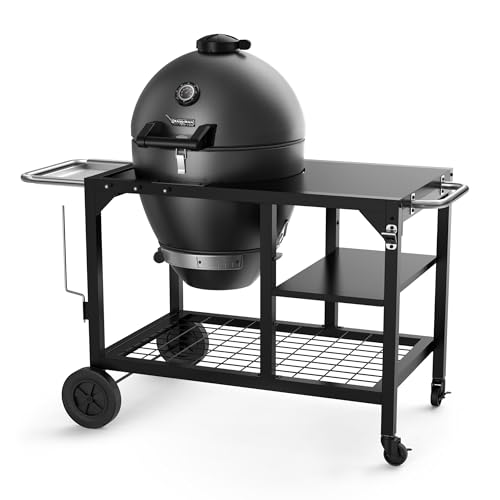
Kettle grills are the simple default. The round bowl, domed lid, and adjustable vents cover direct grilling, indirect roasting, and light smoking without a steep learning curve. Barrel and cart grills give you a long rectangular grate, which suits ribs and mixed loads spread in rows. They take more floor space and use more charcoal per cook.
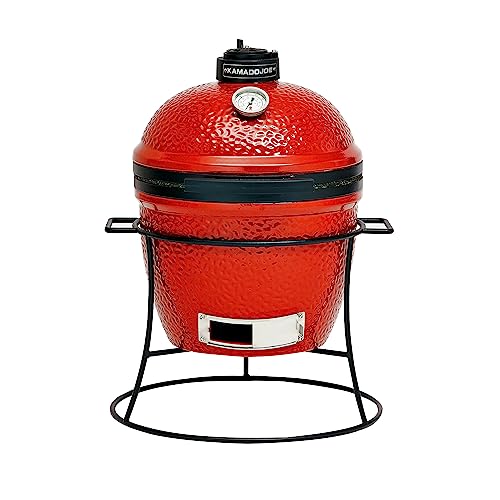
Kamado grills use thick ceramic walls to hold heat with very little fuel, and they shine at both low smoking temperatures and very hot searing. The trade off is weight, since most kamados are heavy to move. Hibachi styles cook small amounts over direct heat and suit skewers, but they offer little lid control. Offset models suit dedicated smoking, yet they demand frequent fire tending.
Features Worth It (and Ones to Skip)
Pay for features that change your cooking or your cleanup. An adjustable charcoal tray lets you raise coals for searing or lower them for gentler heat. A hinged grate makes it easy to add charcoal during a long cook, and a removable ash catcher saves you from scooping loose ash out of the bowl. Sturdy wheels and a side shelf also earn their keep.
Skip features you will rarely touch. Built in rotisserie kits, extra warming racks, and decorative trim add price and cleaning work without improving a burger. If smoking is a core goal, compare dedicated designs in our guide to the best charcoal grill with smoker before paying for add ons here.
Fuel Type and Running Cost
Lump charcoal burns hot and leaves little ash, which suits steaks and quick cooks, while briquettes burn at a steadier pace and cost less per bag, which suits longer sessions. Either fuel works in nearly every grill here, so choose by the cooking you do most. Budget for a chimney starter and heat resistant gloves as well, since fuel is the one cost that never stops.
If you are new to charcoal, read our walkthrough on how to start a charcoal grill before your first cook, since a chimney starter removes the need for lighter fluid and gives you evenly lit coals in about 20 minutes.
Cooking Area and Heat Output
Cooking area is listed in square inches, and the number tells you how much food fits in one layer without crowding. Around 250 to 350 square inches suits couples and small families, while 350 to 500 square inches covers most family dinners and small parties. Crowded food steams instead of searing, so a modest grate used in batches often beats a packed large one.
Charcoal grills rarely advertise BTU ratings, since heat depends on how much charcoal you light and how you set the vents. What matters more is control, meaning vents that move smoothly and a lid that seals well. A grill that holds low heat for ribs and still gets ripping hot for steaks covers nearly every recipe.
Build Materials and Rust Resistance
Porcelain enameled steel is the common choice at this budget, and it resists rust well if the coating stays intact and the grill stays covered. Stainless steel parts handle heat and weather better than plain steel, though thin stainless can still discolor. Cast iron grates hold heat and leave strong sear marks, but they need seasoning and dry storage.
Ceramic kamado bodies shrug off rust entirely, yet the glaze can crack if the grill is dropped. Whatever material you choose, check leg stability and lid fit in person when you can. Wobble in the store usually means wobble on your patio.
Realistic Budget Ranges
At under $100, expect simple kettle or tabletop grills with thin steel and basic vents. In the about $100 to $250 range, you gain thicker bowls, better grates, and ash catchers that make weekly cooking pleasant. Between about $250 and $500, grills add carts with shelves, hinged grates, and improved vent control. From about $500 to $1000, the money goes to ceramic kamados, heavy gauge steel, and gasket sealed lids. Nothing in this top tier cooks a simple burger better by default, so tie the extra spend to a clear use, such as frequent smoking.
Types Compared: What Your Money Buys Under $1000
Kettle Grills for Most Homes
The kettle is the safest recommendation for a first or only charcoal grill. It grills, roasts, and handles light smoking with banked coals, and parts are cheap and easy to find. Most kettles cost well under the budget cap, leaving room for a cover, a chimney starter, and quality charcoal. Its limits are a modest cooking area and temperature control that relies on your vent adjustments rather than insulation.
Kamado Grills for Grilling and Smoking
A kamado suits cooks who split their time between weeknight grilling and weekend smoking. The insulated body holds low temperatures for hours on a small load of charcoal and still reaches searing heat fast. That range comes at the highest prices in this guide, and the weight means you should plan a permanent spot. If you mostly cook burgers and dogs, a kettle serves you better for far less money.
Barrel and Cart Grills for Larger Groups
Barrel and cart grills suit hosts who cook in volume. The wide grate fits long ribs and big batches of wings without stacking, and many models add a height adjustable charcoal bed that changes searing power in seconds. The larger chamber uses more fuel per cook, so match this type to genuine crowd cooking. Couples may find it more grill than their routine needs.
Selection Criteria Used in This Guide
This guide weighs cooking area against household size, heat control, build quality, fuel efficiency, and ease of cleaning, using maker specifications and patterns in verified buyer feedback. The right choice depends on your space and routine, which the product table above compares side by side. For broader context, see our guide to the best charcoal grill.
What You Get (and Give Up) Under $1000
Under this cap you can get nearly everything that matters: solid heat control, durable materials, comfortable working height, and room for a family meal. What you give up sits at the extremes, such as very large cooking chambers, automated fan control systems, and premium finishes that are mostly cosmetic. For most homes those extras are wants, not needs.
Compared with gas and pellet grills, charcoal asks for more start up time and cleanup, and in return gives deeper smoke flavor, higher searing heat, and a lower purchase price.
Common Buying Mistakes to Avoid
- Buying the largest grate on sale, then struggling to store a grill that crowds the patio and burns extra charcoal for small meals.
- Ignoring ash handling, so cleanup means scooping ash by hand and the grill gets used less each season.
- Spending the whole budget on the grill and leaving nothing for a cover, a chimney starter, and charcoal.
- Choosing a heavy kamado where the grill must move often, since weight turns every move into a two person chore.
- Forgetting to check lid clearance and door widths, so the assembled grill cannot reach its planned spot.
Cost of Ownership and Care
Ownership costs stay modest. Charcoal runs about $15 to $30 per bag, and an active season may use six to ten bags. Replacement grates, kamado gaskets, and a fresh cover every few years are the main upkeep items. A grill at about $400 often serves a household better than one at about $900 once supplies are counted.
Care is simple. Brush the grate while it is warm, empty ash after it has fully cooled, and store the grill under a cover in a dry spot. Oil cast iron grates lightly after cleaning. For a full routine on fire management and temperature control, our guide on how to use a charcoal grill covers the basics step by step.
Your Questions, Answered
How do you clean a charcoal grill without damaging the grate?
Heat the grill for about 10 minutes, then brush the hot grate with a brass or nylon brush suited to your grate coating, since stiff steel bristles can scratch porcelain. Once the grill cools, empty the ash, wash the grate with warm soapy water if buildup remains, and dry it fully before a thin coat of cooking oil.
Is a charcoal grill worth it if you already own a gas grill?
It can be, if flavor is what your gas grill lacks. Charcoal adds smoke character and stronger sears for steaks, burgers, and skin on chicken. The value shrinks if your weeknight routine leaves no room for a longer start up, since charcoal needs about 20 to 30 minutes before cooking. Many households keep gas for speed and charcoal for weekends.
How long does a charcoal grill last with regular outdoor storage?
A porcelain enameled kettle kept covered outdoors often lasts around 10 years, with grates replaced along the way. Thinner budget grills may show rust within three to five seasons, especially near the coast where salt air speeds corrosion. Storing the grill under a roof edge and touching up chips in the coating both extend its life.
Can you get a good charcoal grill for well under $1000?
Yes, and most households should. The about $150 to $350 range already buys solid kettles with good vents, sturdy grates, and clean ash systems. Spending more adds insulation, size, or convenience rather than better basic cooking. Put the savings toward charcoal, a reliable thermometer, and a cover instead.
What size charcoal grill suits a family of five?
A 22 inch kettle, or about 350 to 450 square inches of cooking area, fits a family of five comfortably. That space holds a full load of burgers, a whole chicken with vegetables, or two racks of ribs laid flat. Choose the 26 inch class only if you often add guests, since the bigger bowl uses more charcoal.
Final Thoughts
The right grill fits your patio, your headcount, and your patience for tending a fire. Review the product table above, weigh kettle simplicity against kamado range and barrel capacity, and remember that the best charcoal grill under 1000 dollars for your home is the one you will use every week, not the one with the longest feature list. Buy the size you need and keep a little budget back for fuel and a cover.