Best Charcoal Grill for Tailgating (2026): Size, Type and Buying Guide
Disclosure: We may earn a commission when you buy through links on this page, at no extra cost to you. As an Amazon Associate I earn from qualifying purchases. Learn more
A plain guide to the best charcoal grill for tailgating: grill types, sizes, running costs and care for your space and household.
The lot fills up fast, the cooler takes half your trunk, and your friends expect burgers before kickoff, not after it. That is the real challenge for the best charcoal grill for tailgating. It has to ride well, set up in minutes on flat asphalt, cook for your whole group, and cool down safely before the drive home.
This guide helps you choose by trunk space, group size, and budget. The comparison table below sums up the main types side by side, and if you are weighing a yard model against a lot model, our guide to the best charcoal grill covers the broader home options.

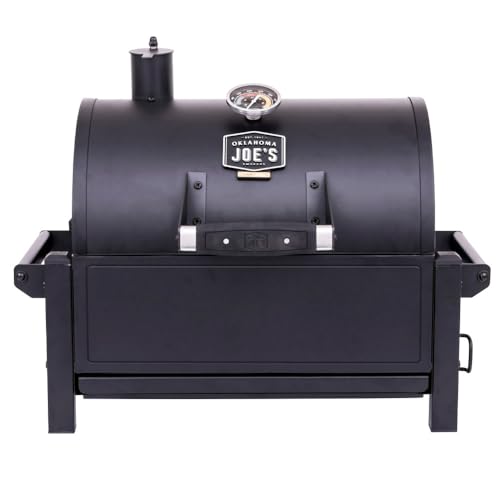
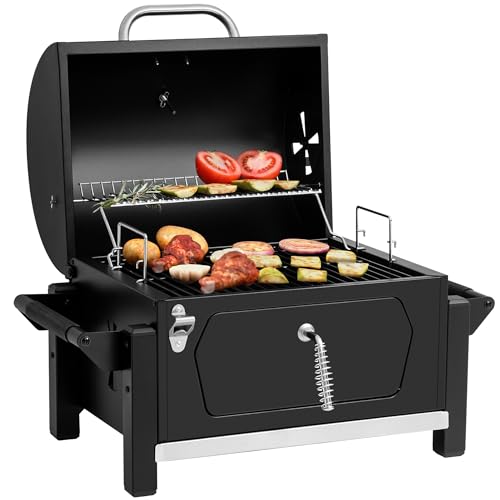
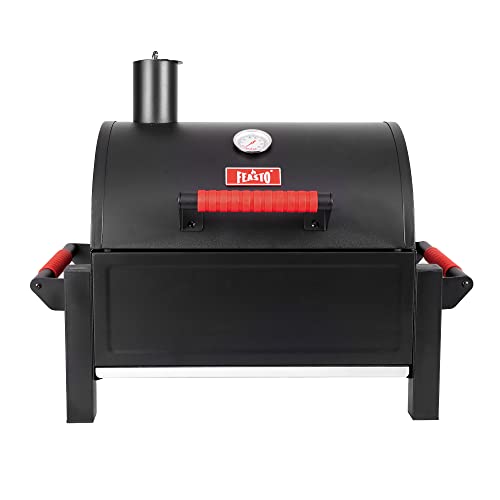
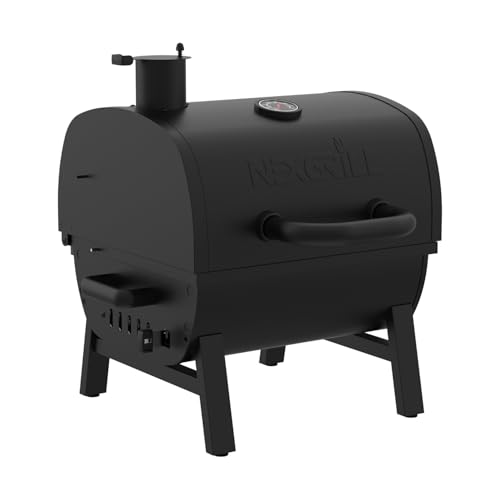


Quick Answer: Three Types That Work in a Parking Lot
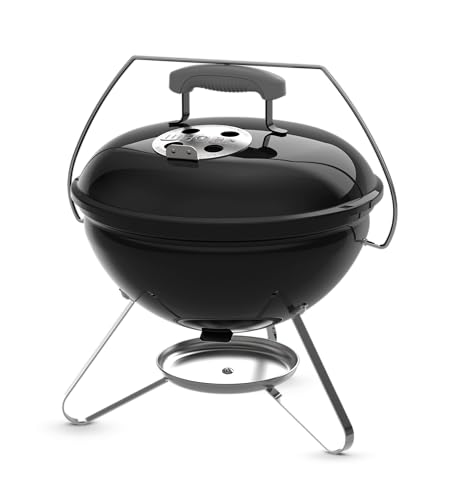
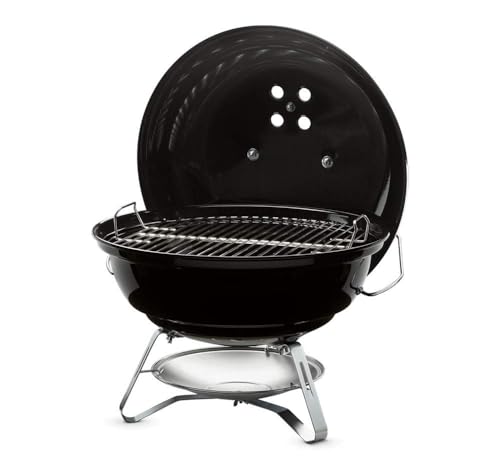
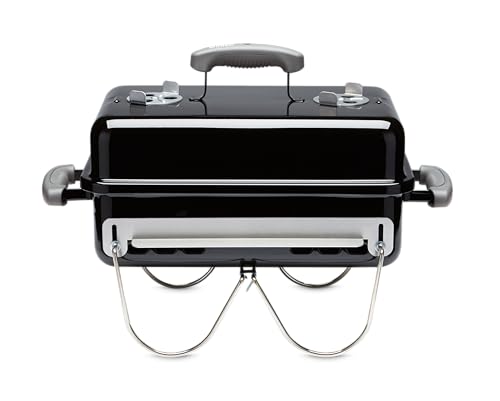
Most tailgaters end up with one of three styles. A compact kettle gives you a lid, steady heat, and room for a full round of burgers. A tabletop grill packs smallest and suits two to four people. A larger portable grill with folding legs feeds a bigger crew but needs more trunk room and a longer cool down. For most fans, the best charcoal grill for tailgating is a compact kettle, and the sections below explain when the other two styles make more sense.
Before You Buy: A Quick Checklist for Choosing a Charcoal Grill for Tailgating
Size: Match It to Your Space and Your Trunk
Measure your trunk or truck bed with the cooler and chairs already in place, because the grill rarely travels alone. An 18 inch kettle fits most trunks and cooks for about four to six people in batches. A 22 inch model feeds a larger group at once but may need a seat folded down. Legs that fold, lock, or come off without tools matter as much as diameter, since a grill that stores flat is the one you will bring every week. When you compare a best portable charcoal grill, check the packed size, not just the cooking size.
Which Type Fits Your Routine
Kettle grills are the flexible default, with a deep bowl, a lid for thicker cuts, and simple vent control. Tabletop and hibachi styles sit low, pack tight, and cook fast foods such as sausages and skewers well, but they offer little wind protection and no lid cooking. Small barrel and folding portable models add grate space for ribs or wings, though they take longer to set up at the lot. Kamado and offset styles are usually poor tailgate choices, because weight and fragile parts make transport risky. Pick the type that matches the food you cook most often.
Features Worth Paying For and Ones to Skip
Pay for a lid latch or leg lock that keeps ash inside during transport, vents you can adjust with one gloved hand, and sturdy handles. A removable ash pan speeds cleanup in the lot and matters more than a built in thermometer, which often reads lid air rather than grate heat. Side tables help only if they fold flat for the ride. Skip rotisserie kits and large prep shelves you will never set up on asphalt, because each added part is one more thing to pack, clean, and lose.
Fuel Type and Running Cost
Lump charcoal lights fast and burns hot, which suits a short pregame window, while briquettes burn longer and more evenly for back to back batches. Budget for a chimney starter, since it lights coals without lighter fluid taste and works in a breezy lot. If you are weighing fuel styles more broadly, our comparison of charcoal vs pellet grill explains why pellet models, which need power and weigh more, rarely travel as easily. One tailgate cook usually uses one chimney of coals, so fuel cost per game stays modest.
Cooking Area and Heat Output
Cooking area in square inches tells you how much food fits at once, but layout matters as much. A grate of about 150 to 250 square inches handles burgers for a small group, while larger groups do better near 300 square inches or with a warming rack. Charcoal grills do not use BTU ratings the way gas grills do, so judge heat by coal depth, vent range, and grate height above the coals. Learning how to use a charcoal grill with two heat zones lets you sear on one side and hold finished food on the other.
Build Materials and Rust Resistance
Porcelain coated steel is the common sweet spot, since it resists rust, wipes clean, and stays light enough to lift into a trunk. Thicker steel holds heat more steadily on a windy day but adds pounds you feel at load out. Stainless steel grates and ash pans resist corrosion well, while thin painted steel tends to chip where legs fold and lids latch. Check hinges, leg pivots, and vent discs closely, because those moving parts take the most abuse from weekly loading and unloading.
Realistic Budget Ranges
Under about $100, expect simple tabletop and small kettle grills with basic vents and thinner steel, still fine for occasional games. About $100 to $250 buys sturdier legs, better ash control, and lids that seal more evenly. About $250 to $500 adds thicker materials, larger grates, and hardware built for frequent travel. Spending more mainly makes sense if the grill also works hard at home.
Types Compared: Choosing a Style for Game Day
The three styles below cover nearly every tailgate setup. The right choice follows from your group size, your vehicle, and how long you cook before the game, not from a brand name.
Compact Kettle Grills
A compact kettle is the safest all round choice for most fans. The lid lets you finish chicken and thick burgers with indirect heat, the round bowl handles wind better than open styles, and replacement grates are easy to find. Look for legs that lock to the bowl so the whole unit lifts as one piece. If your group is small, compare this style against a best small charcoal grill, since a smaller kettle may cook in two quick batches and still pack far better.
Tabletop Grills
Tabletop models win on packed size and price. They sit on a tailgate or a sturdy portable table, light quickly, and suit hot dogs, sausages, and vegetables for a few people. The trade offs are real, though. You get little room for two zone cooking, no lid on many designs, and a low height that can mean crouching over the heat. Choose this style when you travel light and cook simple food.
Larger Portable Grills With Folding Legs
When you feed eight or more people, a larger portable grill earns its trunk space. A wide rectangular grate fits rows of wings, ribs, and burgers at once, and folding or wheeled legs keep setup manageable. The costs are weight, a longer cool down, and more ash to contain before you leave. Measure the folded length before you buy, because some models fit a truck bed easily yet will not clear a sedan trunk opening. This style suits a regular crew with a vehicle that can carry it.
Our Selection Process for Tailgating Grills
We compare grills for this use on packed size, weight, grate area, vent control, ash containment, and how the legs and lid secure for transport. We also weigh build quality, fuel use per cook, and cleaning away from home. Our sources are maker specifications and patterns in verified buyer feedback, not on product claims.
Living With It: What Really Matters on Game Day
Wind is the quiet problem in an open lot. A lidded grill with adjustable vents holds temperature far better than an open bowl, and parking so your vehicle blocks the breeze helps more than extra charcoal. Set the grill on flat asphalt away from foot traffic, with a metal ash bucket within reach.
Timing shapes the whole cook. Light coals as soon as you park, cook slow items first, and hold finished food on the cool side while the last batch sears. Our guide on how to start a charcoal grill covers chimney lighting step by step, the most reliable method in a breezy lot. Check stadium and local rules before game day, since some lots limit charcoal use or require ash to leave with you in a sealed metal container.
Common Mistakes to Avoid
- Buying by grate size alone, then finding the grill will not fit the trunk with your cooler and chairs inside.
- Choosing a heavy or fragile style that cooks well at home but chips, bends, or cracks after a few trips.
- Ignoring ash containment, so hot coals and loose ash make the drive home unsafe and messy.
- Skipping a practice cook at home, then learning vent settings and coal amounts with hungry friends waiting.
- Packing up too soon, because coals that look gray on top can still hold enough heat to damage a trunk liner.
- Forgetting to check lot rules, since some venues ban charcoal or open flames on certain game days.
Cost of Ownership and Care
Running costs stay simple with charcoal. Your repeat spending is charcoal itself, replacement grates every few seasons, and the odd vent disc or handle over the life of the grill. Store charcoal dry in a sealed bin, because damp coals light slowly and burn unevenly. After each game, brush the grate while it is warm, empty ash once it is fully cold, and wipe the bowl dry before storage. Drying the grill after a rainy lot day matters most for tailgaters, since wet folding joints and leg pivots rust quickly in a closed trunk.
FAQ
How much charcoal does one tailgate cook need?
One full chimney, roughly 80 to 100 briquettes, covers most tailgate cooks of one to two batches. Bring a second chimney worth of coals in a dry bin if you plan to cook again after the game, because fresh coals restart faster than a spent fire revives. Lump charcoal fills a chimney with fewer, larger pieces, so judge it by volume rather than by piece count.
Can I use a charcoal grill at every stadium parking lot?
No, and the rules change by venue, city, and event. Some lots allow charcoal only in marked areas, some require a metal container for ash disposal, and some ban open flames entirely on high wind days. Check the venue policy during the week before the game and pack a lidded metal bucket either way, so a late rule check does not end your cook before it starts.
How long does a charcoal grill need to cool before I can pack it up?
Plan on at least one to two hours with the lid on and the vents closed, and longer for a large load of briquettes. The bowl feeling warm outside is not a safe sign, since ash insulates coals that are still live inside. A safer routine is to plan your last batch early, then move ash to a sealed metal bucket once the game ends.
Is a charcoal grill worth it for tailgating instead of a small gas grill?
For many fans, yes, because charcoal gives stronger searing and the smoky flavor people expect at a tailgate, and the grill costs less with no tank or hose to pack. Gas wins on instant starts and faster cool down. If flavor leads and you arrive early, charcoal earns its place.
How do you clean a charcoal grill when there is no water at the lot?
Brush the grate while it is still warm, using a coil style brush or a ball of foil held with tongs, then scrape loose bits into the bowl once it cools. Line the bowl with foil before you cook and cleanup becomes lifting the foil and ash out together into your metal bucket. Save the deeper wash with soapy water for home, and dry every part fully before storage.
Final Thoughts
Start with your vehicle and your group, then let size, ash control, and leg design narrow the field. A compact kettle suits most fans, a tabletop model suits light travelers, and a larger folding grill suits a regular crew. Whichever style you choose, the best charcoal grill for tailgating is the one that packs safely, cooks calmly in the wind, and cools on schedule. Use the product table above to compare the styles side by side before you order, and do a full practice cook at home before the first game.