Best Charcoal Grill for Steak (2026): Size, Type and Buying Guide
Disclosure: We may earn a commission when you buy through links on this page, at no extra cost to you. As an Amazon Associate I earn from qualifying purchases. Learn more
A plain guide to the best charcoal grill for steak: grill types, sizes, running costs and care for your space and household.
Picture a Saturday evening when four steaks need to go on at once, the patio table is already crowded, and nobody wants a long cleanup afterward. That everyday scene is the right yardstick for choosing the best charcoal grill for steak for your home. This guide matches grill size to your space, head count, and budget, and the comparison table below puts the main styles side by side. For the wider category view, see our guide to the best charcoal grill options.



Quick Answer: The Styles That Work Best for Steak at Home
For most homes, a 22 inch kettle gives you a hot zone and a cooler zone on the same grate, which is what steak cooking needs. Small households do better with an 18 inch kettle or a compact tabletop style. Households that grill steak several times a week should look at kamado and barrel styles. Size, vent control, and grate material matter more than novelty extras.
Before You Buy: A Quick Checklist for Steak Grilling at Home
Work through these points in order. Space and routine come first, because a grill that fits your patio and your weeknight habits will get used far more than a larger one that is awkward to store.
Size: Match It to Your Space
An 18 inch grate suits one or two people and fits a small balcony, while a 22 inch grate handles four to six steaks with room left for a cooler zone. A 26 inch model helps larger families but needs a wide patio corner and more storage. Measure your spot before ordering, and leave clear space on all sides for safe airflow and movement. If floor space is tight, compare a best small charcoal grill before you size up.
Which Type Fits Your Routine
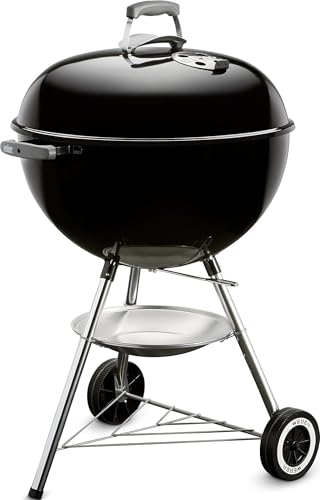
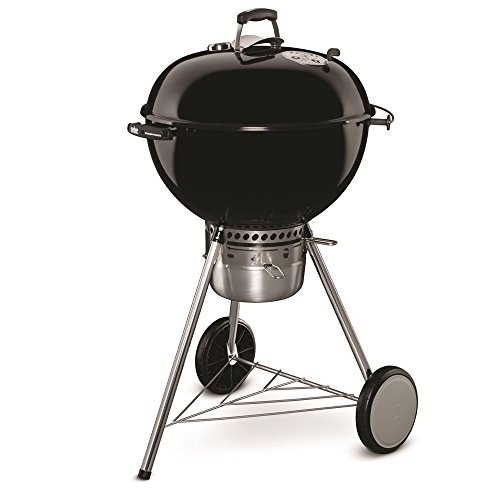
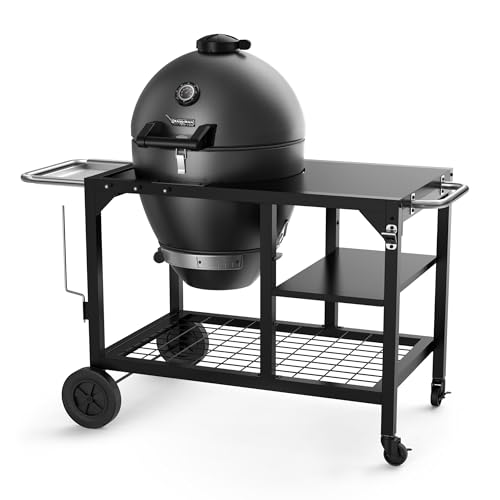
Kettle grills are the simple all round choice for most homes, easy to light, move, and store. Barrel grills give a long grate that suits several steaks in a row. Kamado grills hold heat very well and suit cooks who also smoke or roast, but they are heavy and cost more. Hibachi and tabletop styles cook fast for one or two people and pack away small. Offset and Argentine styles serve enthusiasts with space to spare.
Features Worth Paying For and Ones to Skip
Pay for an adjustable charcoal tray or a grate that raises and lowers, because distance from the coals is your main heat control for steak. A hinged grate lets you add coals without lifting food off, and a solid ash catcher speeds cleanup. A lid thermometer and a sturdy side table also earn their keep. Skip a rotisserie kit, extra warming racks, and side burners if steak is your main use, since they add cost and cleaning without improving the sear.
Fuel Type and Running Cost
Lump charcoal burns hotter and leaves less ash, which helps when you want a strong sear, while briquettes burn more evenly and cost less per cook. A chimney starter removes the need for lighter fluid and gives you lit coals in about 20 minutes. Budget for charcoal every few weeks in grilling season, plus starters and grate brushes. Keep a dry storage bin near the grill, because damp charcoal lights poorly and produces weak, uneven heat.
Cooking Area and Heat Output
Look at cooking area in square inches rather than headline power claims, because charcoal grills are not rated the way gas grills are. About 360 square inches suits most families, while about 260 square inches is enough for couples cooking two steaks and a side. What matters is whether steaks fit in one layer without crowding, since crowded meat steams instead of searing. Also check that the bowl is deep enough to bank coals on one side for two zone cooking.
Build Materials and Rust Resistance
Porcelain coated steel bowls and lids resist rust well and clean up with a brush and warm water. Cast iron grates hold heat and leave strong sear marks, but they need seasoning and dry storage to stay rust free. Stainless steel grates are lighter and resist corrosion, though they hold less heat than cast iron. Ceramic kamado bodies resist rust entirely but can crack if dropped. Check leg joints, wheels, and handles, because those parts decide how steady the grill feels.
Realistic Budget Ranges
Under $100 usually buys a small portable or basic kettle with thin steel and few extras. About $100 to $250 is where most families should shop, with sturdier kettles, ash catchers, and hinged grates. About $250 to $500 adds larger grates, carts, and better vent control. Up to about $1000, you are paying for ceramic bodies, heavy grates, and long warranties. Spend first on grate size and vent quality, and only then on carts and tables.
Three Grill Styles Compared for Real Homes
Instead of chasing a single winner, match the style to your household. These three styles cover nearly every home situation, from a small balcony to a busy family patio.
Kettle Grills for Most Family Patios
The kettle is the default choice for good reason. Its round bowl makes banking coals simple, its lid lets you finish thick steaks gently after searing, and parts like grates and dampers stay easy to find years later. It rolls into a garage corner, lights with a chimney, and cleans in minutes. For a family of four to six that grills steak weekly, this style balances space, control, and ownership cost best.
Compact and Portable Grills for Small Spaces
Compact kettles, hibachi styles, and tabletop models suit apartments, small decks, and couples who cook two steaks at a time. They use less charcoal per cook and store in a closet or storage box. The trade off is grate space, so steaks for guests may need cooking in batches. If you also want a grill for park trips, look at a best portable charcoal grill with a lid and working vents.
Kamado and Barrel Grills for Frequent Steak Nights
Kamado grills seal tightly and hold a steady temperature with little charcoal, which suits households that grill often and also roast or smoke. Barrel grills give a wide rectangular grate that keeps many steaks in one neat row, handy for larger families. Both styles cost more and take more floor space than a kettle. Choose them when steak night is a weekly routine and you value steady heat and capacity over simple storage.
How to Judge Heat Control Before You Buy
Steak needs two things from a grill: fierce direct heat for the sear and a cooler area where thick cuts finish without burning. Judge any model by how well it supports that setup. Look for vents on both the lid and the bowl, because intake and exhaust together control temperature. Check that dampers move smoothly and hold their setting, and that the bowl leaves room to pile coals high on one side.
Lighting method matters too. A chimney starter gives even coals without chemical taste, and a hinged grate lets you spread them into zones. If you are new to charcoal, read our walkthrough on how to start a charcoal grill before your first cook. Plan on preheating the grate for several minutes, because a hot grate releases steak cleanly and marks it well.
Living With It: What Really Matters Day to Day
Day to day happiness comes down to lighting, real cooking space, and cleanup. A grill that lights with one chimney load and reaches cooking heat while you season the steaks will get used on weeknights, not just weekends. Think about where ash goes, where the hot lid rests while you turn steaks, and whether you can wheel the grill under cover when rain arrives.
Charcoal also asks a little patience compared with gas or pellets. If you are weighing that trade off, our charcoal vs pellet grill comparison explains the flavor, effort, and cost differences. For technique basics such as vent settings and coal placement, see our guide on how to use a charcoal grill. Households that enjoy the ritual usually stay with charcoal for its sear and flavor.
Common Buying Mistakes to Avoid
- Buying a 26 inch grill for a small patio, so it crowds the space and rarely gets used.
- Choosing a grill with no lid vents, which leaves you almost no way to control heat for thick steaks.
- Paying for rotisserie kits and side tables you will not use, instead of a better grate.
- Ignoring ash removal, so cleanup takes longer than cooking and the grill sits dirty.
- Forgetting storage, then leaving the grill uncovered where rain rusts the bowl and grates.
- Judging by headline size alone, without checking that steaks fit in one layer with a cooler zone.
Cost of Ownership and Care
Ongoing costs are modest but real. Expect regular spending on charcoal, fire starters, and a grate brush, plus a new cooking grate every few years depending on material and care. A fitted cover is a small one time cost that protects the bowl, legs, and wheels. Store charcoal indoors in a sealed bin, keep the grill under cover, and oil cast iron grates lightly after cooking while they are still warm.
Once a season, check bolts, wheels, and damper movement, and touch up small rust spots before they spread. Empty ash after every cook once it is fully cold, because old ash absorbs moisture and speeds corrosion inside the bowl. With that routine, a mid priced kettle stays sound for many seasons. Treat ash as household trash only when it is completely cold and free of embers.
Your Questions, Answered
What is the most reliable charcoal grill brand?
Reliability depends more on build details than on a name. Look for a thick bowl, a warranty covering rust and burn through, and a maker that sells replacement grates, dampers, and legs for older models. Makers with long running kettle lines tend to keep parts available longest. Check recent buyer reviews for bent legs or peeling coating, and favor designs in production for years.
How do you clean a charcoal grill after cooking steak?
Brush the grate while it is still hot, right after the steaks come off, when residue releases most easily. Once the grill is cold, lift out the ash and wipe the bowl with a damp cloth. For heavy buildup, soak the grate in hot soapy water and scrub with a stiff brush. Dry everything fully before covering, because trapped moisture is the main cause of rust between cooks.
Is a charcoal grill worth it for steak at home?
Yes, if you value sear quality and flavor and can allow about 30 minutes from lighting to eating. Charcoal reaches higher surface heat than most home gas grills, which builds the crust steak lovers want. It is less worthwhile if you need instant heat on busy weeknights or your building limits open flame cooking. Many households keep charcoal for weekends and a faster option for weeknights.
How long does a charcoal grill last with regular use?
A basic thin steel grill may last about 3 to 5 years outdoors, while a well kept porcelain coated kettle often lasts 10 years or more. Ceramic kamado bodies can last far longer, with gaskets replaced along the way. The biggest factors are cover use, dry storage, and prompt ash removal. Grates and dampers wear first, so easy access to spare parts extends useful life.
What should I look for in a charcoal grill for steak besides size?
Look at grate thickness, vent range, and how close the coals can sit to the food. A thick grate stores heat and recovers fast when cold steaks go on. Wide vent adjustment lets you calm the fire for thick cuts after searing. Also check handle placement and lid weight, because you will lift that lid several times per cook. A stable base matters when you lean on the grate to turn heavy steaks.
Final Thoughts
The right choice fits your patio, feeds your household in one layer, and cleans up without fuss. For most homes that means a 22 inch kettle, while small spaces point to a compact model and frequent grillers may prefer a kamado or barrel. Compare your shortlist against the product table above, weigh grate material and vent control first, and the best charcoal grill for steak for your home will be an easy call.