Best Charcoal Grill for Searing (2026): Size, Type and Buying Guide
Disclosure: We may earn a commission when you buy through links on this page, at no extra cost to you. As an Amazon Associate I earn from qualifying purchases. Learn more

A plain guide to the best charcoal grill for searing: grill types, sizes, running costs and care for your space and household.
Saturday dinner is on the line, the steaks are seasoned, and the coals look ready, yet the crust comes out pale instead of deep brown. That gap usually comes down to the grill itself, not your timing. Choosing the best charcoal grill for searing means finding one that gets the grate truly hot, holds that heat when cold meat lands on it, and fits your space and routine.
This guide helps you choose by patio size, the number of people you cook for, and your budget. It explains which styles sear best, which features earn their cost, and which ones you can skip. Use the comparison table below to compare styles side by side, then read our broader guide to the best charcoal grill if you want options beyond searing.




Quick Answer: Three Styles in 30 Seconds
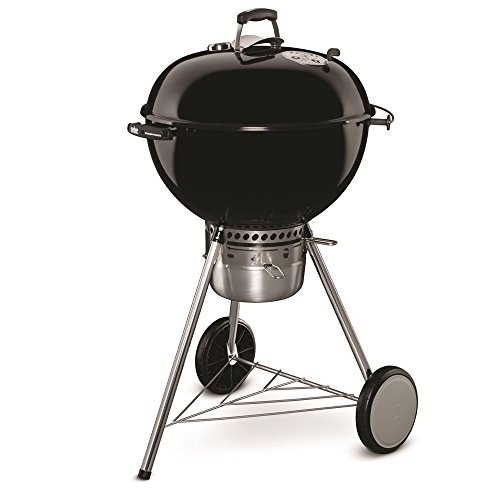
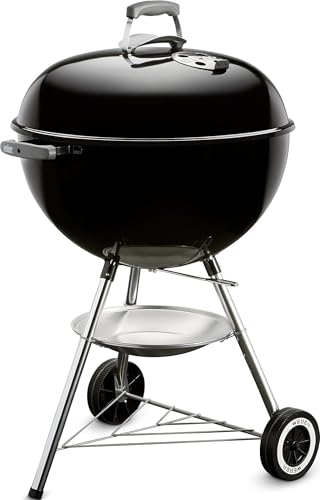
If you want one answer fast, a kettle grill with a heavy grate suits most homes because it piles coals close to the food and handles both searing and gentler cooking. A compact hibachi style grill puts food very near the coals and sears small batches with little charcoal, which suits balconies and couples. A ceramic kamado holds heat the longest, which suits keen cooks who sear often.
Before You Buy: A Quick Checklist for Choosing a Charcoal Grill for Searing
Searing asks more of a grill than basic cooking does. You need high heat at the grate, steady heat when food goes on, and a cooler spot to move food to once the crust forms. The points below walk through size, style, features, fuel, and cost.
Size: Match It to Your Space
Start with where the grill will live and how many people you feed at once. An 18 inch grill gives you about 240 square inches of cooking space, enough for two steaks with room to shift them off direct heat. A 22 inch grill offers about 360 square inches and handles family dinners plus a vegetable basket. A 26 inch model suits big gatherings but needs more charcoal per cook. If floor space is tight, look at our guide to the best small charcoal grill before you size up.
Which Type Fits Your Routine
Kettle grills are the flexible default, with a deep bowl that holds a tall pile of coals and a lid for finishing thicker cuts. Barrel grills give a long surface for searing many chops at once, though heat can vary along the length. Kamado grills use thick ceramic walls that store heat and recover fast between batches. Hibachi and tabletop styles sit the grate close to a small coal bed, which suits quick weeknight searing. Santa Maria styles raise and lower the grate over the fire, giving you direct control of searing intensity.
Features Worth Paying For, and Ones to Skip
An adjustable charcoal tray or a grate you can raise and lower is worth paying for, since distance to the coals is your main heat control. A cast iron cooking grate is also worth it, because thick metal stores heat and keeps searing when food lands on it. A removable ash catcher speeds cleanup. You can usually skip rotisserie kits, built in side burners, and large side tables, since none of them raise grate temperature.
Fuel Type and Running Cost
Lump charcoal burns hotter and leaves less ash than briquettes, which makes it a strong choice for searing, though it costs more per bag and varies in piece size. Briquettes burn more evenly, and a tall pile of them still sears well. Plan on roughly one full chimney of fuel for a hot sear session. If you are new to lighting coals, our guide on how to start a charcoal grill covers chimney lighting and coal placement step by step.
Cooking Area and Heat Output
Charcoal grills do not carry a useful BTU rating the way gas grills do, so ignore that number if a listing shows one. What matters is the temperature at the grate and how much of the grate sits over the coals. You want most of the cooking area able to sit above a deep coal bed, with a smaller area left coal free for resting and finishing. A grill that spreads a thin layer of coals across a wide bowl will steam food more than sear it.
Build Materials and Rust Resistance
Porcelain coated steel is the common kettle material and resists rust well if the coating stays intact, so avoid metal tools that chip it. Stainless steel costs more and handles weather better, though thin stainless can warp under repeated high heat. Cast iron grates need light oiling after cooks to stay protected. Ceramic kamado bodies shrug off rust entirely but are heavy and can crack if dropped. A fitted cover and dry storage do more for lifespan than any single material.
Realistic Budget Ranges
Under $100 usually buys a small portable or basic kettle with a thin grate, fine for occasional searing for two people. About $100 to $250 is where sturdier kettles with better grates and ash systems appear, and this range suits most homes. About $250 to $500 adds adjustable trays, heavier grates, and carts. Above about $500 you are mostly paying for ceramic kamado bodies or large stainless builds that hold heat longer and last for many seasons.
Types Compared: Which Grill Style Sears Best in Your Space
The product table above lays out current models. This section compares the three styles that matter for searing, so you can match a style to your home first and a model second.
Best for Most Homes: The Kettle Grill
A 22 inch kettle is the style most families should start with. Its round bowl lets you bank coals on one side for a fierce searing zone and leave the other side empty for finishing, all in one cook. Parts and replacement grates are easy to find. The main limit is heat recovery: a thin steel bowl loses heat faster than ceramic, so several batches in a row may need fresh coals partway through.
Best Value for Small Spaces: Compact and Hibachi Styles
Compact grills earn their place when you cook for one to three people on a balcony, a small patio, or at a campsite. The grate sits close to the coals, so even a modest fire produces a strong crust on steaks, chops, and skewers. Fuel use is low and storage is simple. The trade off is batch size, since you will cook in rounds for a group. If you also want a grill that travels, see our guide to the best portable charcoal grill.
Best Long Term Investment: The Ceramic Kamado
A kamado costs the most and weighs the most, but its thick walls store heat like an oven and return to searing temperature quickly after the lid opens. That stability helps when you sear several batches in a row or cook thick cuts that need high heat followed by a gentle finish. The trade offs are price, weight, and a cooking area often smaller than a kettle of similar cost.
Our Selection Process for the Best Charcoal Grills for Searing
We compared styles and models on the factors that change searing results at home: how close the grate sits to the coals, grate weight and material, vent control, cooking area, and ease of cleaning. We used manufacturer specifications and patterns in verified buyer reviews, with attention to comments about rust and grate warping. This guide ranks design traits and reported owner experience.
Living With It: What Really Matters Day to Day
The best searing setup on paper only helps if you will use it on a Tuesday night. Kettle and hibachi styles light fast and cool down within a few hours, which fits spontaneous dinners. A kamado takes longer to heat fully because the ceramic must warm through, but it stays ready for a second round of cooking. Grills with a sealed ash catcher can sit on a deck with less mess, while open designs need a metal bin nearby for safe disposal.
Searing also means smoke, and lots of it when fat drips onto hot coals. Place the grill where smoke drifts away from open windows and seating. If you are weighing fuel types more broadly, our comparison of charcoal vs pellet grill explains the flavor, cost, and effort differences that shape daily use. For most homes, the deciding factor ends up being cleanup time, not peak temperature.
Common Buying Mistakes to Avoid
- Buying the largest grill for a small patio, so it crowds the space and rarely gets lit for small meals.
- Choosing a wide, shallow bowl that spreads coals thin, which gives weak searing no matter how much fuel you add.
- Paying for extras like a rotisserie while accepting a thin wire grate that cannot hold searing heat.
- Ignoring vent design, so you cannot cut airflow quickly when flare ups scorch food.
- Forgetting the cost of a cover, a chimney starter, and replacement grates in your total budget.
Cost of Ownership and Care
Beyond the purchase price, budget for charcoal, which is the main running cost, plus a chimney starter and heat safe gloves if you do not own them. Cooking grates are the part most likely to need replacement, and cast iron grates last longer when you oil them lightly while still warm after cooking. Empty ash only when it is fully cold, and store ash in a metal container away from walls and deck boards. Keep the grill covered between uses.
Your Questions, Answered
What should I look for in a charcoal grill for searing?
Look first at how the grill manages distance between the coals and the food, since that gap sets your searing heat more than any other trait. An adjustable tray, a grate with height settings, or a deep bowl that allows a tall coal pile all work. Next, check that the lid fits snugly and the vents open fully, because a searing fire needs strong airflow at the start.
How do you clean a charcoal grill after searing?
Let the grate stay over the dying coals for a few minutes so stuck residue chars, then brush it firmly while it is still warm. Once everything is cold, scoop ash into a metal container and wipe the bowl if grease has pooled. Once or twice a season, wash the grate with hot soapy water, dry it fully, and coat cast iron lightly with cooking oil before storage.
Is a charcoal grill worth it if I mostly sear steaks?
For many home cooks, yes, because charcoal reaches higher grate temperatures than most home gas burners and gives a crust and flavor that are hard to match indoors. The cost is time: you will wait about 20 to 30 minutes for coals to be ready and deal with ash afterward. If you sear only a few times a year, a heavy pan on a stove burner may suit you better.
How long does a charcoal grill last?
A basic steel kettle often serves well for about 5 to 10 years, and a ceramic kamado can last far longer because the body does not rust. The grate and the ash system usually wear out first, and both are replaceable on most designs. Lifespan drops fast when a grill sits uncovered in rain, since standing water in the bowl rusts steel from the inside.
What is the best charcoal grill for searing?
There is no single answer, because the right choice depends on your batch size and how often you cook. For most homes, a 22 inch kettle with a heavy grate covers searing and everyday grilling in one unit. Judge by the thickest cut you cook often, since thick steaks benefit most from a grill that can finish with the lid on after the crust forms.
The Bottom Line
Start with the style that fits your space and your usual batch, then confirm the grate is heavy and the coals can sit close to the food. On that basis, the best charcoal grill for searing for most homes is a mid size kettle, with a compact style for small spaces and a kamado for keen cooks who sear often. Compare your finalists in the product table above, and once your grill arrives, our guide on how to use a charcoal grill will help you get the first cook right.