Best Charcoal Grill for Balcony (2026): Size, Type and Buying Guide
Disclosure: We may earn a commission when you buy through links on this page, at no extra cost to you. As an Amazon Associate I earn from qualifying purchases. Learn more
A plain guide to the best charcoal grill for balcony: grill types, sizes, running costs and care for your space and household.
A balcony cookout sounds simple until you picture the reality. The railing is close, the neighbors are closer, and the grill shares space with chairs, planters, and a door that still needs to swing open. The best charcoal grill for balcony use is not the biggest grill you can squeeze out there. It is the one your building allows, your space fits, and your routine can handle week after week. This guide covers size, type, safety, and cost, and the comparison table below sums up the main types.
Start with permission, not products. Many leases, condo rules, and local fire codes limit or ban charcoal on balconies, especially on upper floors and near wood siding. Check your lease and ask your building manager before you spend anything. If charcoal is allowed, the sections below match the grill to your household and cooking style. If charcoal is off the table, our guide to the best charcoal grill covers the full size options built for patios and yards.


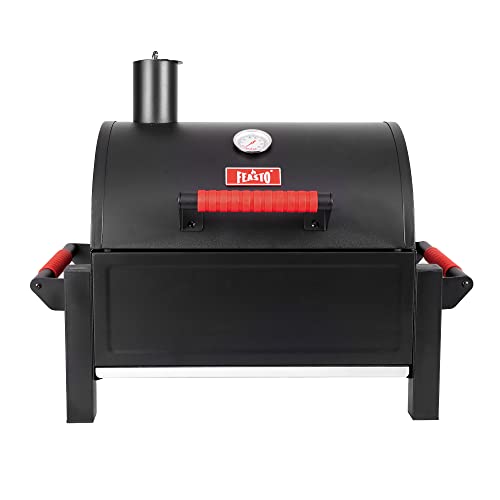
Quick Answer: The Three Types That Suit a Balcony
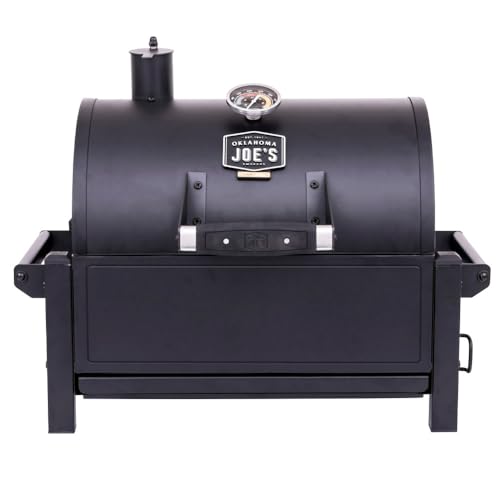
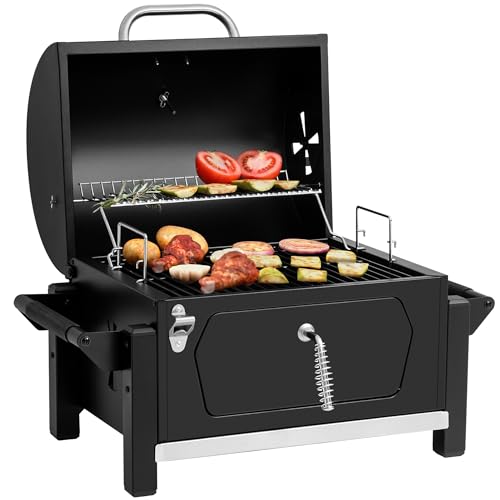
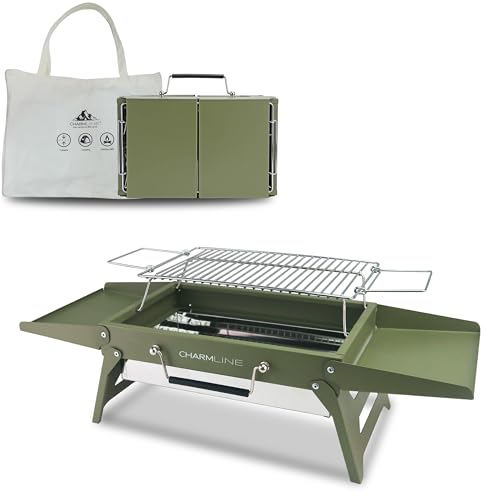
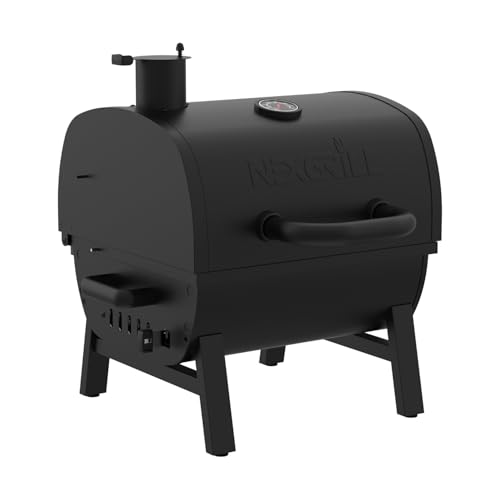
Three types cover nearly every balcony that allows charcoal. Tabletop grills serve one or two people and store in a closet. Compact kettles give you a lid, vents, and room for indirect heat in a modest footprint. Compact kamado and small barrel grills hold heat well for slow cooks, but weigh more and cost more. Tabletop models overlap with the best portable charcoal grill category, so they also travel well to parks and campsites.
Before You Buy: A Quick Checklist for Choosing a Charcoal Grill for Balcony
Size: Match It to Your Space
Measure the balcony before you look at a single grill. Note the floor area the grill can claim, the room you need to stand and turn, and the clearance your building or the grill maker requires from railings and walls. A tabletop grill needs about the footprint of a large serving tray. An 18 inch kettle fits most small balconies and cooks for two to four people. A 22 inch kettle cooks for four to six, but claims far more floor space. If room is tight, see our guide to the best small charcoal grill for the compact end of the range.
Which Type Fits Your Routine
Kettles are the flexible default. The lid and two vents let you sear burgers one night and cook chicken pieces with indirect heat the next. Barrel grills give a long grate that suits ribs and mixed loads, though small barrels are less common. Kamado grills use thick walls to hold steady heat for hours, but the weight makes moving them harder. Hibachi and tabletop grills light fast and suit quick weeknight meals, yet most lack a lid, so thick cuts are harder to manage.
Features Worth Paying For and Ones to Skip
Worth paying for: a lid that fits tightly, vents that open and close smoothly, a removable ash catcher, and legs or a stand that does not wobble. An adjustable charcoal tray helps you raise coals for searing and lower them for gentler heat. Skip oversized side tables on a small balcony, since they eat floor space you need for safe movement. Skip a rotisserie unless you plan to use it often, and skip cabinets that belong on full size patio grills.
Fuel Choice and Running Cost
Lump charcoal lights fast, burns hot, and leaves little ash, which matters when you carry ash through your home. Briquettes burn longer and more evenly, cost less per cook, and suit longer sessions. Either way, a chimney starter beats lighter fluid for taste and control. Budget for charcoal as a steady cost, since frequent grilling can use a bag or two each month in summer.
Cooking Area and Heat Control
Gas grills advertise BTU ratings, but charcoal grills rarely do, because heat comes from the coal bed you build. Judge a balcony grill by grate area instead. About 150 to 200 square inches suits two people, while 250 to 360 square inches handles family meals and guests. Heat control depends on vent range, lid fit, and how far the grate sits from the coals.
Build Materials and Rust Resistance
Thin painted steel costs the least and weighs the least, but it chips and rusts fastest outdoors. Porcelain enameled steel resists rust better and wipes clean with less effort, so it suits balconies that get rain. Cast iron grates hold heat and mark food well, yet they need seasoning and dry storage. Stainless steel parts resist corrosion but vary widely in grade, so thickness and warranty length tell you more than the label alone.
Realistic Budget Ranges
Price tracks size, wall thickness, and how well the grill controls ash and air. Use these ranges as planning guides, since prices shift with sales and season.
- For under $100, expect simple tabletop and hibachi grills for one or two people, with basic vents and light steel.
- For about $100 to $250, expect compact kettles with ash catchers, better fitting lids, and grates that feel solid in daily use.
- For about $250 to $500, expect heavier kettles and small kamado or barrel grills with thicker walls and longer warranties.
- For over $500, expect premium compact kamado grills and large kettles that strain most balcony space and storage limits.
Three Grill Types Compared for Balcony Life
Compare the three types below against your space, your household, and your building rules.
Tabletop and Hibachi Style Grills
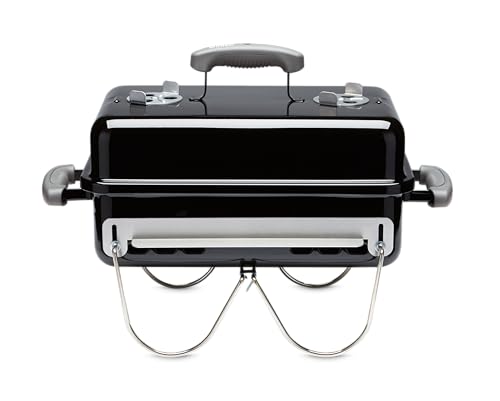
These are the smallest and lightest option, with enough grate room for two servings at a time and often no lid or only a simple flat lid. They shine for quick meals, and they store on a shelf between cooks. Heat control is basic, so plan on direct heat cooking like skewers, burgers, and thin steaks. The open design also sends more sparks and smoke upward, so keep extra distance from railings and never leave one unattended.
Compact Kettle Grills
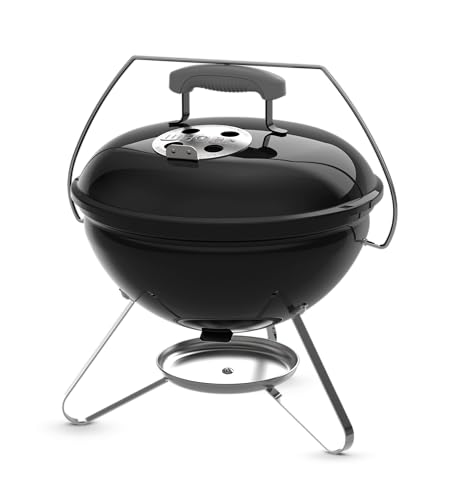
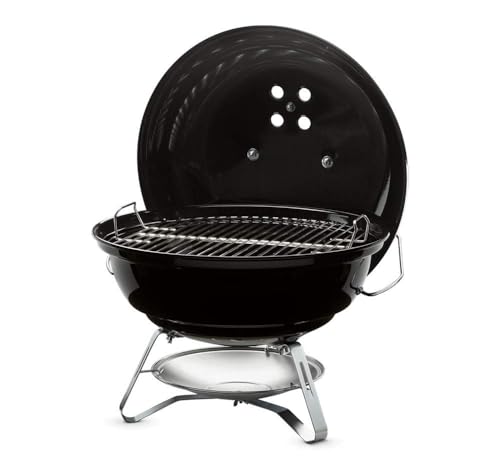
The kettle is the balanced choice for most balconies. A compact bowl with a fitted lid gives you direct and indirect zones, steady vent control, and an ash catcher that keeps cleanup contained. Kettles cook almost anything a small household eats, from vegetables to whole chickens. If you are new to charcoal, our walkthrough on how to use a charcoal grill covers vent settings and two zone fires in plain steps.
Compact Kamado and Small Barrel Grills
Thick ceramic or insulated steel walls hold heat for hours on a small load of charcoal, which suits ribs, pork shoulder, and winter cooking. That insulation comes with real weight, so confirm your balcony can bear the load and plan a fixed spot. Small barrels offer a wide grate, but they vent more smoke sideways toward neighbors. If smoking is your main goal, our guide to the best charcoal grill with smoker compares larger setups built for that job.
Our Selection Process for Balcony Charcoal Grills
The types in this guide were compared on five points that matter most on a balcony: footprint and storage size, cooking area, vent and lid control, ash handling, and build quality for outdoor storage. The comparison draws on maker specifications and patterns in verified owner reviews.
Living With It: What Really Matters on a Balcony
Daily life with charcoal on a balcony is mostly about smoke, ash, and courtesy. Light the coals with a chimney starter and keep the lid on once food goes on, since an open grill sends far more smoke toward the units above you. Our guide on how to start a charcoal grill shows a lighting routine with less smoke that suits tight spaces. Warn close neighbors if smoke tends to drift their way.
Safety carries the same weight as cooking skill here. Keep the grill on a stable, level surface away from railings, siding, and anything that can burn, and never grill under a low ceiling or inside a screened enclosure unless your building and local code clearly allow it. Never leave a lit grill alone, and keep children and pets inside while coals are hot. If your building bans charcoal outright, a small electric grill is the usual allowed fallback, and it keeps the cookout habit alive without open flame.
Common Buying Mistakes to Avoid
- Buying by grate size alone, so the grill fits but leaves you no safe room to stand, turn, or set down a hot tray.
- Skipping the rules check, so a new grill ends up banned by your lease or fire code after the first smoky cook.
- Choosing an open hibachi for thick cuts, so the outside chars before the center cooks through.
- Ignoring ash handling, so loose ash blows across the balcony and tracks through your home.
- Storing the grill uncovered outdoors, so rain rusts the bowl and vents long before the grate wears out.
Cost of Ownership and Care
Charcoal is the main running cost, and a chimney starter, heat resistant gloves, and a cover are the only extras most balcony cooks need. Replacement grates, ash pans, and vent parts are cheap for common kettle shapes and harder to find for odd shapes, so favor designs with standard round grates. A cover and a dry storage corner cut replacement costs more than any accessory.
After each cook, close the vents to starve the coals, let everything cool fully, and move the ash to a metal container with a tight lid on a surface that cannot burn. Brush the grate while it is still warm and wipe the outside once it cools. Empty the ash catcher often, since damp ash speeds rust inside the bowl. Store charcoal indoors in a sealed bin so it lights fast on your next cook.
Your Questions, Answered
What should I look for in a charcoal grill for balcony use?
Start with the fit checks no spec sheet shows. Measure the path from your door to the balcony, since a wide kettle that cannot pass the doorway will never reach its spot. Check that the open lid clears your railing height and any wall light above it. Then confirm the stand feels steady on your exact floor surface, because a slight slope changes how safe a tall kettle feels.
How do you clean a charcoal grill on a balcony without making a mess?
Work only when the ash is fully cold, at least 48 hours after cooking, and scoop it into a metal container with a lid rather than a bag or a plastic bin. Lay an old towel or a washable mat under the grill before you brush the grate, so loose bits land where you can shake them into the trash indoors. Rinse nothing on the balcony itself, since ash water stains decking and clogs small drains.
Is a charcoal grill worth it on a small balcony?
It is worth it if you grill at least a few times a month and your building allows it, because the flavor and the ritual are the whole point of choosing charcoal over gas or electric. It is harder to justify if you cook for one, grill rarely, or must carry everything through the home for storage, since setup and cleanup time can outweigh the taste gain.
How long does a balcony charcoal grill last?
A light steel grill stored outdoors with no cover often lasts about three to five years before rust claims the bowl or legs. A heavier enameled or ceramic grill that stays covered and dry can serve for a decade or more. The parts that fail first are usually grates and ash pans, and replacing those small parts on time adds years to the grill.
What is the best charcoal grill for balcony cooking?
The honest answer is the grill that passes your building rules, fits your measured space with safe clearance, and matches the number of people you feed most weeks. For most households that points to a compact kettle, since it balances size, control, and cleanup best. If storage is your tightest limit, a tabletop model wins instead, even with simpler heat control.
Final Thoughts
Balcony grilling rewards the buyer who measures twice and checks the rules once. Pick the type that fits your space and routine, spend on lid fit, vents, and ash control, and let the best charcoal grill for balcony be the one you will actually use every week. Before you order, glance back at the product table above to confirm the type and size you settled on.