Best Charcoal for Weber Grills of 2026: Complete Buying Guide
Disclosure: We may earn a commission when you buy through links on this page, at no extra cost to you. As an Amazon Associate I earn from qualifying purchases. Learn more

Compare charcoal types, burn time, and heat for the best charcoal for weber grills, and learn how to match fuel to your cooking style and budget.
Choosing fuel shapes how your grill heats, how long it cooks, and how your food tastes, so a small bag choice can change a whole cookout. The best charcoal for weber grills is the fuel that matches your grill size, your cooking time, and the flavor you want, not the largest bag on the shelf. This guide compares fuel types, sizes, and price levels in plain terms, so you can pick with confidence.
Use the comparison table below as a quick reference while you read, then work through the factors that matter most for short sessions and longer slow cooks. You will learn how lump charcoal differs from briquettes, why piece size matters, and when a premium bag is worth the extra cost.


Choosing by Budget: What Each Level Offers
Price tells only part of the story. A cheap bag that burns fast can cost more per cook than a denser bag that lasts longer, so compare burn time and usable heat rather than weight alone.
Budget Friendly Charcoal
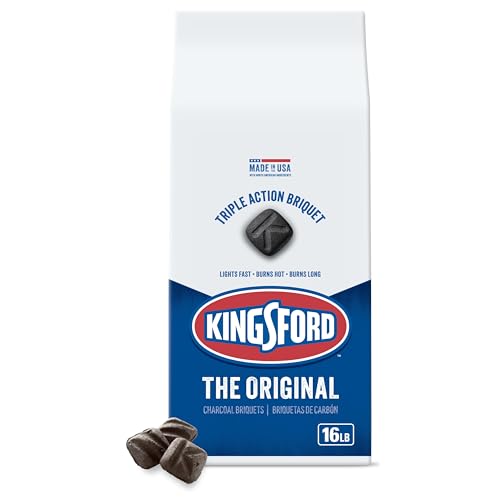
Budget charcoal usually means standard briquettes made from compressed charcoal dust and a binder. These pieces are uniform, light easily, and hold steady heat for burgers, sausages, and chicken pieces. Expect some ash and a shorter burn than denser options, so plan to add fuel for longer cooks. Prices are often about $10 to $20 for a common bag size.
Mid Range Charcoal
Mid range charcoal often includes larger briquettes or good quality lump charcoal with fewer very small pieces. These fuels tend to burn hotter and cleaner than the cheapest options, with less ash to block airflow. They work well for direct and indirect cooking, and they give more control for roasts or whole chickens. Prices are often about $20 to $35 for a common bag size.
Premium Charcoal
Premium charcoal usually means dense lump charcoal or long burning briquettes made from hardwood with very little filler. These fuels reach high heat for searing, hold temperature for a long time, and leave less ash. They suit long slow cooks and large cuts. Prices are often about $35 to $60 for a common bag size.
How to Choose Charcoal: Buying Guide
The right fuel depends on how you cook, not on a single rating. Start with your usual session length, then match heat, burn time, and flavor to that session.
Fuel Type: Lump, Briquettes, and Specialty Charcoal
Lump charcoal is charred hardwood in natural pieces, and it lights fast, burns hot, and leaves little ash. Briquettes are pressed pieces with a uniform shape, and they burn more evenly for a predictable time, which helps when you need steady heat. Specialty charcoal can burn longer and cleaner, but it often costs more. For short high heat cooking, lump charcoal is often easiest, while briquettes suit longer controlled cooks.
Piece Size and Density
Piece size affects how fast fuel lights and how long it burns. Large dense pieces take longer to light, but they burn longer and hold heat better. Small pieces and dust light fast, but they burn out quickly and can fall through the grate. Look for bags with mostly medium to large pieces and little dust at the bottom.
Heat and Burn Time
Heat and burn time work together, and the best balance depends on the food. Burgers and steaks need high direct heat for a short time, while ribs and roasts need lower steady heat for hours. Dense charcoal holds heat longer and suits slow cooking, while lighter charcoal reaches high heat fast but may need refueling. Treat maker burn time figures as a rough guide, since wind, grill size, and vent settings change the result.
Flavor and Smoke
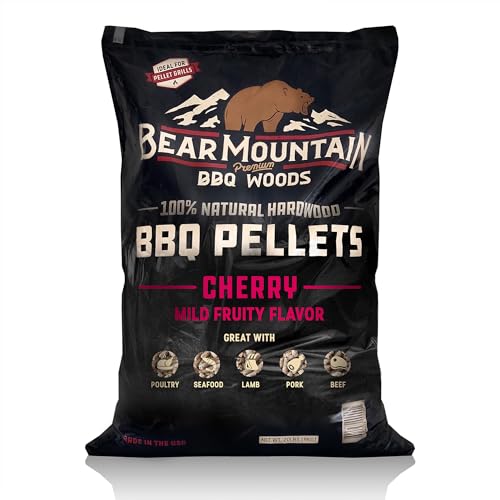
Charcoal adds a wood fired flavor that gas and electric cooking do not match, but the strength varies by fuel. Lump charcoal made from hardwood gives a clean wood smoke taste that suits most grilled food. Briquettes give a milder and more even flavor, which works well when you want seasoning to stand out. Avoid charcoal with lighter fluid already added, since it can leave a chemical taste.
Fit for Your Grill
Fit matters because a small grill needs less fuel than a large grill, and too much fuel can make temperature hard to control. Measure your cooking grate and think about how much food you usually cook at once, then choose a bag size that matches that pattern. Keep charcoal dry at all times, since damp fuel lights poorly and burns unevenly.
Weber kettles, from the 18 inch Original Kettle to the 22 inch Master-Touch, are round lidded bowls with a vent in the lid and one in the base, so they handle briquettes and lump charcoal equally well. When you choose the best charcoal for weber grills, remember that a kettle rewards a simple routine: light a chimney starter, pour the coals onto one side of the charcoal grate for two zone cooking, and set the lid vent above the food so smoke passes over it.
For more context, see our guide to best quality charcoal grills for grate size and airflow, our guide to best weber grills for sizes and layouts, and our guide to best charcoal barbecue grills for a wider look at shapes.
Charcoal Compared With Other Cooking Options
Charcoal is not the only way to cook outdoors, and each alternative suits a different kind of cook. The choice often comes down to flavor, convenience, and how much time you want to spend managing a fire.
Electric and Indoor Grills
Electric and indoor grills heat with an element rather than a live fire, so they are easy to start and control in small spaces. They suit apartments and balconies where open flame is not allowed, and cooks who want a quick meal without smoke. They do not give the same wood fired flavor as charcoal. Choose this option when convenience matters more than smoke flavor.
Kamado Style Grills
Kamado style grills are thick walled ceramic cookers that hold heat very well and suit both high heat searing and very long slow cooks. They use lump charcoal and need careful vent control, but they can hold steady temperature for many hours once you learn the settings. They are heavier and cost more than a basic grill. Choose this option when you want long heat retention.
Gas Grills
Gas grills light at the push of a button and reach cooking temperature fast, which makes them ideal for weeknight meals and large groups. They give steady heat and easy control, but they do not add wood smoke flavor unless you add a smoker box. Choose gas when speed and control matter most, and charcoal when flavor matters most.
Setup and Care Tips
- Preheat for 10 to 15 minutes before cooking, so the grate is hot and food sears rather than sticks.
- Clean grates while warm with a grill brush, since food and grease come off more easily before they harden.
- Cover the grill after it cools fully, and check for rust often, especially after rain or damp weather.
- Store charcoal in a dry sealed container, and keep bags off damp ground to stop moisture damage.
- Use a chimney starter when you can, since it lights fuel evenly without lighter fluid taste.
- Let ash cool fully before disposal, and follow maker guidance and local rules for ash handling.
Charcoal and fire products are for outdoor use only, so never use a charcoal grill indoors, in a garage, or in any enclosed space. Keep the grill away from dry leaves and anything that can catch fire, and keep children and pets at a safe distance while the grill is hot. Follow maker guidance and check local rules before cooking in shared outdoor spaces.
Frequently Asked Questions
What features matter most in charcoal for weber grills?
The most important features are fuel type, piece size, density, and burn time, since these decide heat, control, and flavor. Lump charcoal suits high heat and short cooks, while briquettes suit steady heat and longer cooks. Look for mostly large pieces with little dust, and a bag size that matches how often you grill.
Can I use charcoal on a balcony?
You can use charcoal on a balcony only when local rules, building rules, and maker guidance allow it, and many balconies do not allow open flame at all. Check your lease, building policy, and local fire rules before you buy fuel. If open flame is not allowed, an electric grill is a safer choice for that space.
How often should I clean my grill after charcoal cooking?
Clean the grate after every cook while it is still warm, and remove ash after every one or two cooks. Ash buildup blocks airflow and can lower heat on the next cook, so a clean firebox gives a more even result. Wipe the outside and check vents once a month during grilling season, and cover the grill after it cools.
How long should a good charcoal burn last?
A good charcoal burn can last about one to two hours for standard briquettes and longer for dense lump charcoal, but wind, vent settings, and grill size change the result. High heat searing uses fuel faster than low indirect cooking, so plan extra fuel for long sessions. Always let ash cool fully before disposal.
What type of charcoal gives the best flavor?
Hardwood lump charcoal usually gives the cleanest wood fired flavor, since it contains little filler and burns with natural wood smoke. Briquettes give a milder and more even flavor, which suits cooks who want seasoning to stand out. Avoid charcoal soaked in lighter fluid, since it can add a chemical taste to food.
Our Verdict
Start with your cooking style, then match fuel type, piece size, and burn time to that style. For most home cooks, a good briquette suits everyday grilling, while dense lump charcoal suits searing and long cooks. Check the product table above for a quick recap, and store your fuel dry. The best charcoal for weber grills is the one that gives steady heat, a flavor you enjoy, and a price per cook that fits your budget.