Best Chandeliers for Staircase in 2026: Buying Guide
Disclosure: We may earn a commission when you buy through links on this page, at no extra cost to you. As an Amazon Associate I earn from qualifying purchases. Learn more

A staircase chandelier guide covering size, hanging height, step lighting, sloped ceilings and cleaning access.
A staircase asks more of a light fixture than most rooms do. You see it from below in the entry, from the side on the landing, and from above on the upper floor, and it has to light steps safely without blocking headroom. Choosing the best chandelier for staircase use means balancing scale, hanging height, brightness, and cleaning access all at once. The comparison table below lays out the main types side by side so you can match a style to your ceiling and layout.
Start by measuring before you fall for a look. Note your ceiling height, the width of the stairwell, and where people walk under the fixture on both floors. Those three facts rule out more options than style does.


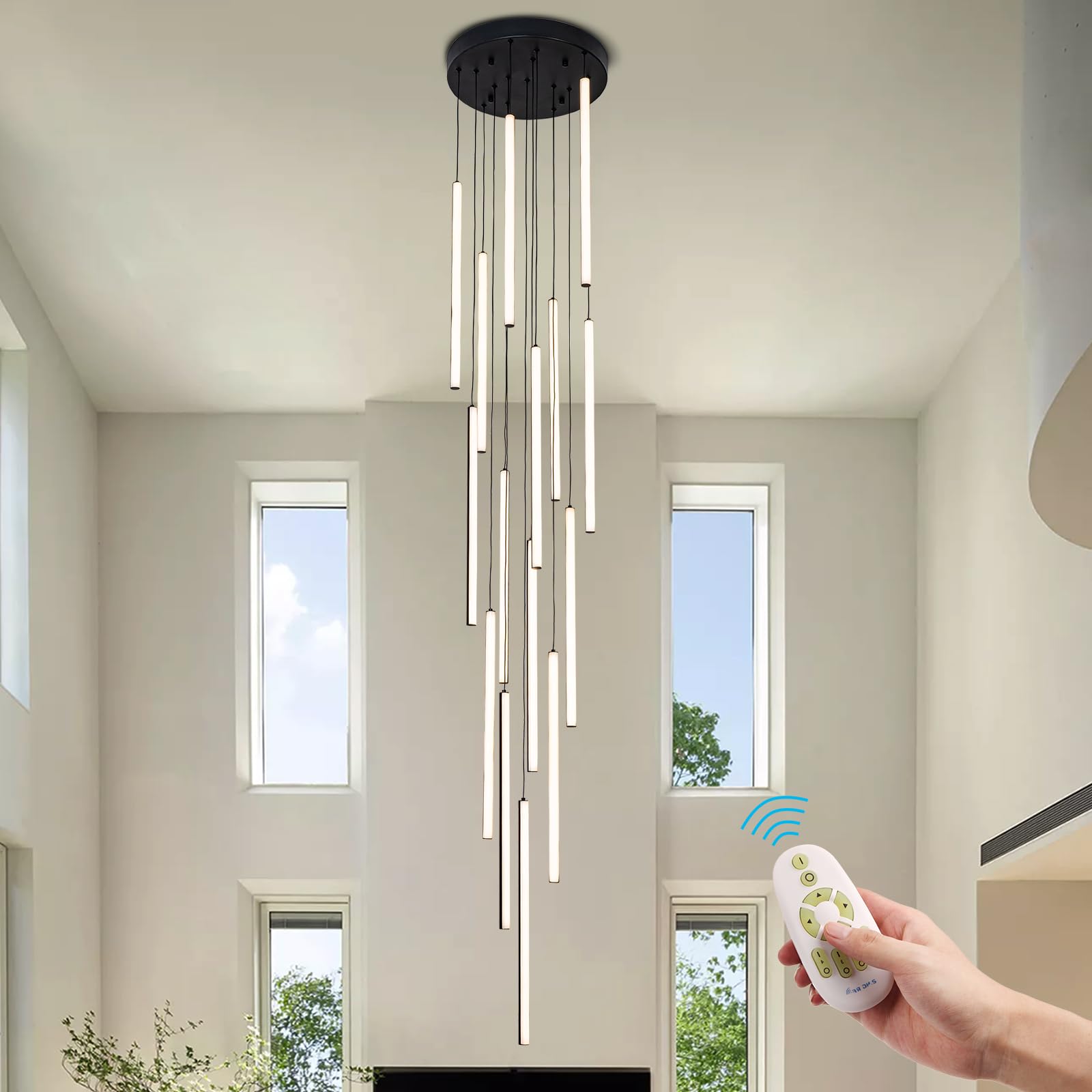

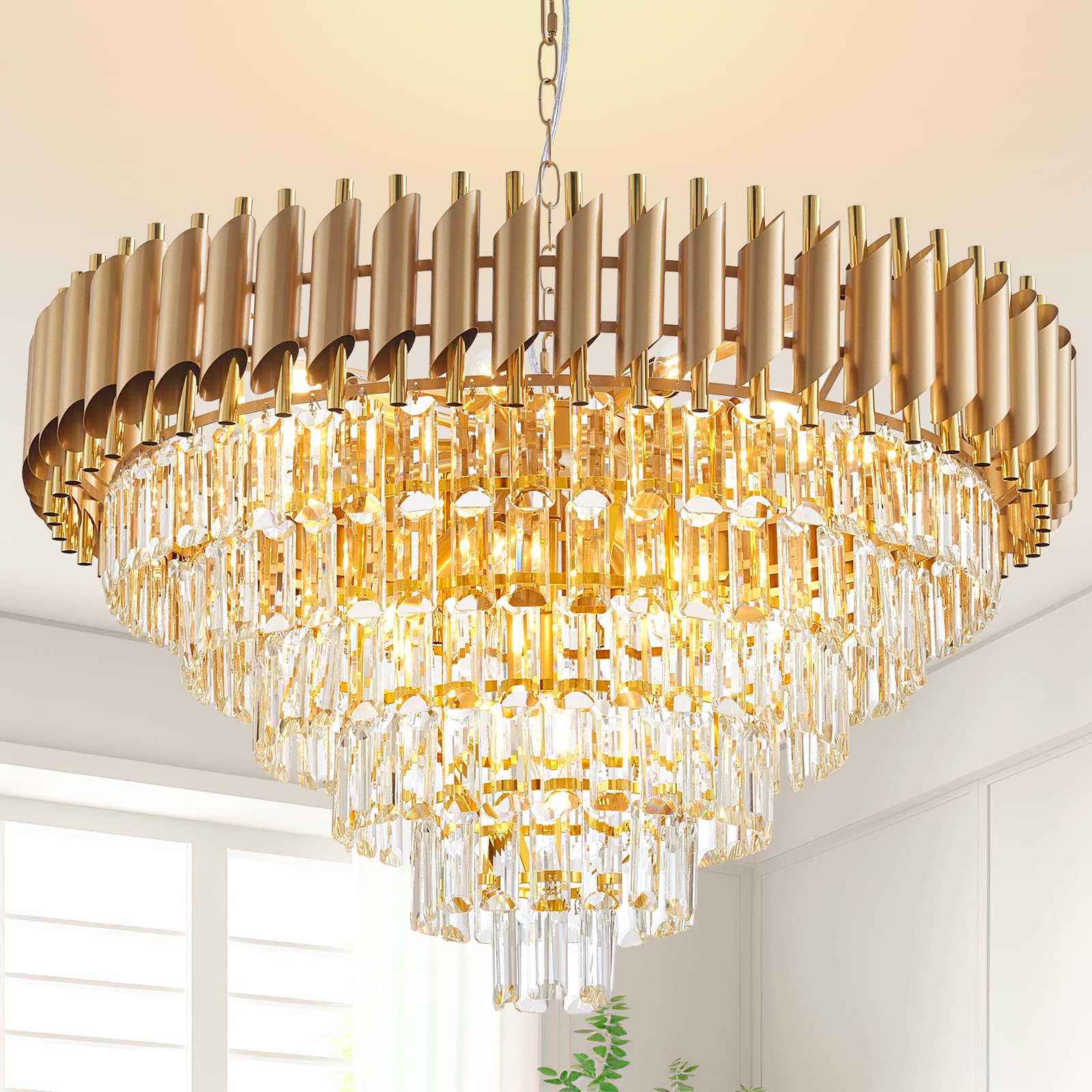


Staircase Chandelier Types Compared
Instead of naming individual models, this guide compares the three families that suit stairs best. Pick the family first, then narrow by size and light output within it.
Classic Tiered and Crystal Styles
Tiered and crystal designs spread light in every direction, which suits a tall entry where the fixture is the focal point from the front door. The trade off is upkeep, since dust shows quickly and each tier adds pieces to clean. Choose this family when your stairwell is wide, your ceilings are formal in style, and you can reach the fixture safely for regular care.
Modern Geometric and Sputnik Styles
Geometric frames and sputnik forms use open arms and exposed bulbs to fill a tall vertical space without heavy visual weight. If this direction appeals to you, our guide to the best modern chandelier covers the wider style range. Watch bulb glare closely, since exposed bulbs sit at eye level for people descending, and pick frosted bulbs if the arms point outward.
Rustic, Farmhouse, and Linear Styles
Wood tones, dark metal, and wagon wheel or linear frames fit stairs that run along a wall or turn at a landing in a more casual home. Linear frames work well over a straight run, because their length follows the direction of the steps. Rustic finishes hide dust better than polished crystal. Choose this family when your stairs share space with a hall or an open living area and you want the fixture to feel calm rather than grand.
Who Should Buy a Staircase Chandelier?
Owners of Tall Two Story Entries
If your stairs rise through a tall open entry, you need a fixture with real vertical presence and enough light to reach the entry floor and the upper landing at once. A tiered or large geometric design fills that volume so the space does not feel empty. Plan for professional help with mounting and with future bulb changes at that height.
Households With a Sloped Stair Ceiling
Many stairs run under a ceiling that follows the slope of the steps, and a rigid fixed rod fixture will hang at an awkward angle there. Look for a canopy and suspension that can mount on a slope, such as a chain or cable system that lets the fixture hang level. Clearance matters most at the lowest point of the slope, where taller family members pass closest to the fixture.
Owners of Compact or Enclosed Stairwells
A narrow enclosed stairwell needs restraint. A wide fixture can crowd the walls and make the stairs feel tighter than they are. A compact design with a modest diameter and enclosed or upward facing light often serves you better than a dramatic piece. In a tight stairwell, safe headroom and even step lighting matter more than presence, so treat diameter and drop length as your first filters.
How to Choose the Right Chandelier for Your Stairs
Work through the factors below in order, from light output to budget. If you want the broader framework behind these steps, see our guide on how to choose a chandelier after you have your stair measurements in hand.
Lumens and Color Temperature
Stairs need enough light for each tread edge to stay visible, without glare for people walking down toward the fixture. As a starting point, plan on about 200 to 300 lumens per step run section, then adjust for wall color and natural light from any stair window. Warm light at about 2700 to 3000 kelvin feels welcoming in an entry and flatters wood and skin tones, while cooler light near 4000 kelvin can feel stark at night.
Fixture Size and Placement
A common sizing method adds the length and width of the entry area in feet and uses that sum in inches as a guide for fixture diameter. Keep the bottom of the fixture at least 7 feet above the step or floor surface directly below it, and higher where the stairs pass beneath it at an angle. Center the fixture over the open well of the stairs when there is one, rather than over a single flight, so light reaches both levels evenly.
Dimmable and Smart Options
A dimmer earns its place on a staircase because the right level at dusk is far brighter than what you want for a late night trip downstairs. Look for bulbs and drivers that the maker lists as dimmer compatible, and confirm your wall control type before ordering. Smart bulbs or a smart switch can add schedules and low level night settings, which helps on stairs used by children and older adults.
Installation, Hardwired or Plug In
Most staircase chandeliers are hardwired, since the ceiling box sits high and a cord across a stair ceiling looks unfinished and can raise safety concerns. A plug in design only makes sense where no ceiling box exists and local rules allow it, and even then the cord path needs care. High or sloped ceilings, heavy fixtures, and boxes that need added support are jobs for a licensed electrician. Our walkthrough on how to install a chandelier explains the general steps so you can judge what your ceiling will require.
How Much Should You Spend?
Simple compact designs often cost under $100, and they suit enclosed stairwells where size stays small. The middle ground of about $100 to $250 brings sturdier frames, better finishes, and dimmer ready designs in most families. At about $250 to $500 you gain larger scale, slope ready mounting, and more refined materials for tall entries. Above about $500, you are mostly paying for size, crystal, and finish quality rather than more light.
What Matters Most in a Chandelier for Staircase Use
Three needs separate a staircase from other rooms. First, the fixture is seen from above as well as below, so the top view and the canopy finish deserve the same attention as the underside. Second, light must fall on treads without casting your own shadow onto the steps as you descend, which favors wide, even spread over a single bright center point. Third, access drives long term satisfaction, because a fixture you cannot reach safely will slowly grow dim and dusty. For a wider view of the category, the overview at best chandelier shows how staircase needs compare with other rooms.
Neighboring rooms matter too. Warm, dimmable light suits a landing that opens toward sleeping rooms, a point covered in our guide to the best chandelier for bedroom. Where stairs overlook a dining space, matching finish and light color keeps the view unified, as discussed in our guide to the best chandelier for dining room.
Common Mistakes to Avoid
- Hanging the fixture too low over a flight, which cuts headroom for tall users and for anyone carrying laundry or luggage upstairs.
- Sizing by ceiling height alone and ignoring stairwell width, which leaves a wide fixture crowding the walls of a narrow shaft.
- Choosing exposed bulbs at landing eye level, which creates glare exactly where people look while descending.
- Mounting a level only fixture on a sloped ceiling without a slope rated canopy, which leaves the design tilted and the light uneven.
- Forgetting bulb access, which turns a simple bulb change into a scaffold rental once the fixture hangs over an open well.
- Skipping a dimmer, which forces a choice between light that is too bright at night and light that is too weak at dusk.
How to Clean and Maintain a Staircase Chandelier
Dust the fixture on a regular schedule from the safest reach point, usually the upper landing, using a dry or slightly damp cloth as the maker directs. Turn power off at the switch and let bulbs cool fully before you touch anything. Never stand on a ladder placed on the steps themselves, since stairs are an unstable base. If the fixture hangs beyond safe reach, hire a cleaning service with the right equipment.
Once a year, check that the canopy sits tight and that chain links, cables, and sockets show no wear. Call an electrician if you see flicker that new bulbs do not fix, since that can point to a loose connection inside the box.
FAQ
What is the best chandelier for staircase lighting in a tall entry?
For a tall entry, the strongest choice is usually a tiered or large geometric design with an adjustable drop, sized to the entry using the diameter method in the sizing section above. One point worth adding is viewing distance. A fixture that looks full from the front door can look sparse from the upper landing, so favor designs with detail on the upper tiers as well as the lower ones.
What should I look for first in a staircase chandelier?
Start with clearance and mounting, not style. Confirm the headroom below the fixture, whether your ceiling is flat or sloped, and whether the ceiling box can carry the weight. A useful extra check is the switch layout. Stairs should have a switch at both the top and the bottom, wired as a three way setup, so no one has to cross a dark flight to reach the light.
How long does a staircase chandelier last?
The frame and wiring of a sound fixture can serve for decades, while bulbs are the part you will replace on a cycle. LED bulbs in a chandelier often run for years of normal entry use before output fades. Heat speeds that fading, so enclosed shades in a warm upper stairwell can shorten bulb life. When several bulbs dim together, suspect age and heat before you suspect the fixture wiring.
Is a chandelier worth it for a staircase?
It is worth it when the stairs sit in open view, because no other single fixture shapes how an entry feels from both floors at once. It is harder to justify in an enclosed stairwell that guests rarely see, where a simpler ceiling light gives the same safe step lighting for less money and far easier cleaning. Let visibility and ceiling height make the call, not habit.
How do you clean a chandelier that hangs over an open stairwell?
The safest method is to work from the upper landing with a reaching tool made for high fixtures, rather than cleaning piece by piece at close range. If your design allows it, some fixtures can be lowered on their chain or cable by an electrician for a full clean every few years. Between deep cleans, a light dusting on a steady schedule keeps buildup from hardening, which is what makes later cleaning slow.
How can you judge if a chandelier brand is reliable for staircase use?
Look for safety certification marks such as UL or ETL listing, a clear weight rating for the mounting hardware, and a warranty that covers electrical parts as well as finish. Brands that sell replacement crystals, shades, and sockets years later are easier to live with over an open stairwell. Published slope mounting guidance is another good sign, since it shows the maker has considered stair ceilings rather than only flat dining room ceilings.
Final Thoughts
Measure your ceiling, your stairwell width, and your lowest clearance point first, then choose a family, size, and light level that respect those numbers. When you compare the product table above with your notes, the best chandelier for staircase use in your home is the one you can hang level, light evenly, and clean safely for years. Get those three things right, and the style choice becomes the easy part.