
Best Chairs with Footrest by Budget: How to Spend Well for 2026
Disclosure: We may earn a commission when you buy through links on this page, at no extra cost to you. As an Amazon Associate I earn from qualifying purchases. Learn more
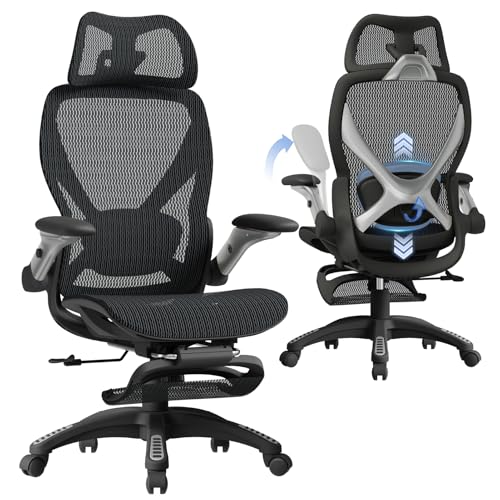
Chairs with a footrest range from basic to premium. See what each price tier buys and which footrest features are worth paying for.
Prices for a chair with a footrest stretch from under $100 to about $500 or more, and the gap is not always explained by comfort alone. This guide shows where the money actually goes, which upgrades change how a chair feels day after day, and which extras you can skip. Start with best chairs with footrest in the comparison table below, then use the budget tiers here to judge whether a model earns its price.
A footrest sounds simple, yet designs vary a lot. Some slide out from under the seat, some fold down, and some are separate ottomans. The right style depends on your room and your sitting habits.
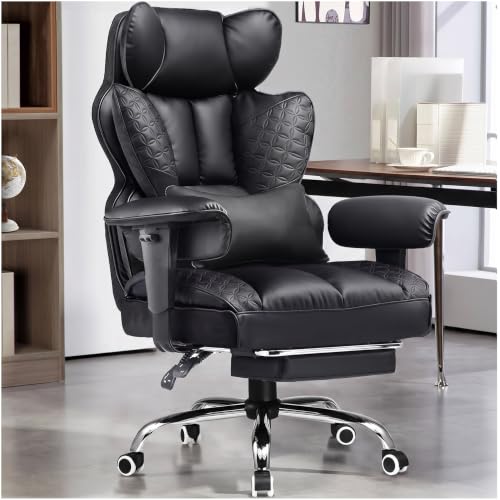


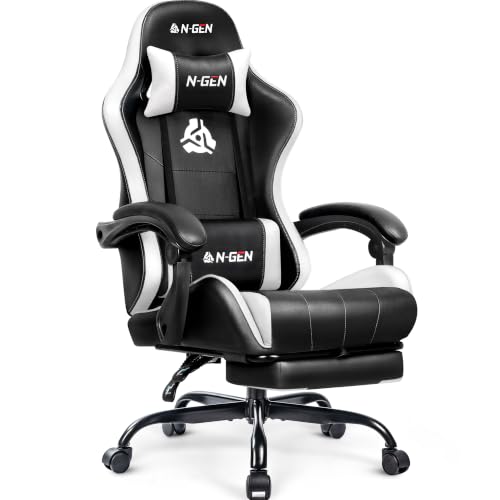
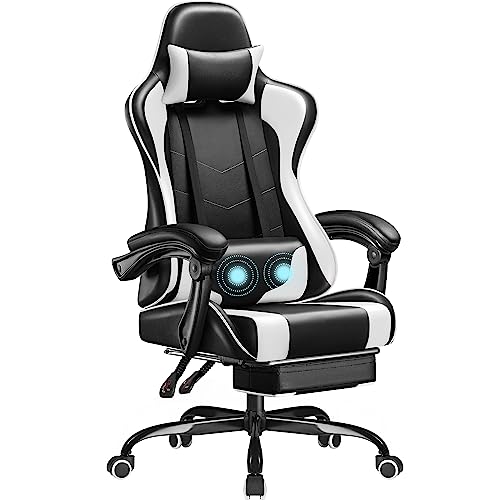


Setting Your Budget Before You Shop
Decide your budget by starting with use, not with a number. A chair used for an hour of reading each evening does not need the same frame, foam, or warranty as one that carries you through full workdays. Hours of daily use, your body size, and how often you recline should set the tier you shop in.
Shopping the Budget Tier With Clear Eyes
Budget models around $80 suit occasional use, guest rooms, and dorm rooms where a chair sees a few hours a day. Expect a steel or plywood frame, basic foam padding, and a simple pull out footrest on rails. Read the weight capacity carefully and stay well under the limit for a longer service life.
Shopping the Midrange Tier for Daily Use
Midrange models at about $180 and above are where most daily users should look first. Frames feel sturdier, foam holds its shape longer, and the footrest usually glides more smoothly and locks with less wobble. You also start to see better lumbar support, wider seats, and adjustable armrests that move up and down.
Shopping the Premium Tier for Long Sessions
Premium models above about $350 earn their price through materials and refinement rather than through longer feature lists. Look for high density foam that resists flattening, a reinforced frame, smooth tilt action, and a footrest that supports your calves without sagging. Upholstery should feel dense and tightly stitched.
What Your Money Gets You at Each Price Tier
Comparing tiers helps you spot the tradeoffs hiding behind a low price. The product table above lists current options, so use the notes below to read those listings with a sharper eye. Frame material, foam type, warranty length, and footrest design explain most of the price spread. The best chairs with footrest tend to get all four right at once.
Budget Tier: What to Expect
At the budget level, footrests are usually thin padded boards that slide out on metal rails. Recline angles are modest, tilt lock settings may be limited to one or two positions, and casters are basic plastic. None of that rules these chairs out for light use, but check the seat dimensions closely and plan on gentler use.
Midrange Tier: Where Value Usually Peaks
Midrange chairs add thicker padding, a mesh back option for airflow, and tilt tension you can dial in for your weight. Footrests gain padding and width, so your legs rest on a surface rather than on a narrow edge. Gas lifts and bases meet higher load ratings more often.
Premium Tier: When Spending More Pays Off
Premium pricing buys durability you can feel. Recline motion is smoother, armrests may adjust in several directions, and the footrest often supports more weight without flexing. Longer warranties on the frame and lift are common, which matters if the chair will be used daily for years.
Features Worth Paying For, and Ones to Skip
Feature lists grow quickly at higher prices, but only a few features change how a footrest chair feels after the first month. This section sorts the upgrades that repay their cost from the extras that mostly dress up a listing.
Warranty and Return Policy
A warranty tells you how much confidence the maker has in the frame and the lift. Look for coverage of at least a year on parts, and longer on the frame at higher prices. Read what counts as normal wear, since foam softening and fabric wear are often excluded. A generous return window also matters because footrest comfort is hard to judge from photos.
Why Choose a Chair With a Footrest
Raising your legs changes how your weight spreads across the seat, and many people find it eases the restless shifting that comes with sitting upright for hours. A footrest also turns one chair into a reading, gaming, and napping spot, which can save buying a separate recliner. The tradeoff is space and one more moving part to maintain.
Ergonomics and Adjustability
Ergonomic value comes from adjustments you will actually use. Seat height should let your feet rest flat with the footrest tucked away, and lumbar support should meet the curve of your lower back without pushing you forward. A tilt lock lets you hold a reclined angle instead of fighting spring tension with your legs. Adjustable armrests help your shoulders relax while typing. A mesh back suits warm rooms, while padded upholstery feels softer and quieter.
Assembly and Delivery
Most chairs in this category arrive in one large box and assemble in about 20 to 40 minutes with a hex key included in the carton. The base, lift, and seat usually go together first, then the back and footrest hardware. Before ordering, measure your doorway and check the box weight if you need to carry it up stairs alone.
Picking the Right Chair for Different Uses
The best use for a footrest chair shapes every other choice, from fabric to frame. A desk chair needs upright support and casters that suit your floor. A lounge chair can be wider and softer. An outdoor chair needs to fold, drain, and resist weather.
For a home office corner, start with task seating designed around a desk, since footrest placement must clear your desk underside when extended. If that is your setup, see our guide to the best desk chairs with footrest for models shaped around keyboard work.
Gaming sessions reward a different mix: a taller back, a footrest that stays put during long reclines, and armrests that clear a controller or wheel setup. Readers comparing racing style seats can see our guide to the best gaming chairs with footrest for that narrower category.
Traditional office buyers who want a more formal look often compare executive style seating before deciding. Our guide to the best officer chairs covers that high back, boardroom friendly direction if appearance leads your shortlist.
If your days are mostly typing, meetings, and short breaks, a lighter task chair with a simple footrest may be all you need. See our guide to the best office task chairs when compact frames and easy movement between desks matter more than deep recline.
Best Camp Chairs with Footrest
The phrase best camp chairs with footrest points to a different product family than indoor seating. Camp versions fold flat, use quick drying fabric over a steel or aluminum frame, and rest your legs on a fabric sling or a small fold out panel. Prioritize low packed weight, a carry bag, and a frame that will not sink into soft ground.
Beach days add sand, salt, and sun to the same portability puzzle. Low seating height and wide feet help on soft sand, and fabrics should shrug off spray and dry fast. If your trips lean toward the shore rather than the woods, see our guide to the best beach chairs with footrest for designs built around those conditions.
Long Term Costs to Factor In
The purchase price is only part of what a footrest chair costs you over its life. Casters wear out and can be replaced for a modest sum, while a failed gas lift usually costs more and may need basic tools to swap. Fabric cleaners, a floor mat for hard floors, and replacement arm pads add small ongoing costs.
Warranty length changes the math as well. A slightly pricier chair with several years of parts coverage can cost less over time than a bargain model replaced after two years. Think in cost per year of comfortable use rather than in sticker price alone.
Care and Maintenance for a Footrest Chair
Care centers on the moving parts that other chairs do not have. Wipe the footrest rails or hinges monthly and remove dust and grit before it wears the finish. Tighten the bolts under the seat and at the footrest pivots every few months, since reclining loads loosen them gradually. Stop and inspect right away if the footrest starts to sag, squeak, or move unevenly.
For the rest of the chair, vacuum fabric weekly, clean spills quickly, and keep upholstery out of strong direct sun to slow fading. Roll the chair rather than dragging it, and lift by the frame instead of by the footrest when moving rooms. Avoid standing on the extended footrest, because it is built for resting legs, not for body weight.
Common Mistakes to Avoid
- Buying by price alone and ignoring weight capacity, which leads to a strained lift, a flexing frame, and a footrest that sags early.
- Skipping room measurements, which leaves an extended footrest bumping walls, desks, or coffee tables every time you recline.
- Choosing a footrest style that fights your habits, such as a fixed ottoman in a room where you constantly move the chair.
- Ignoring seat depth, which leaves shorter legs dangling or pushes taller sitters into a cramped, knees high posture.
- Paying for decorative extras like pillows and stitched logos while the base model has thin foam and a short warranty.
- Extending the footrest on thick carpet without checking clearance, which strains the rails as the panel drags.
Chairs With a Footrest: Your Questions Answered
How do you choose the right size chair with a footrest?
Choose size by seat width, seat depth, and the length of the extended footrest together. Your back should reach the backrest while your calves rest fully on the footrest without the edge pressing behind your knees. One extra check many buyers miss is doorway width for delivery and the reclined footprint, since a chair that fits upright may need about a foot more space when open.
Is an expensive chair with a footrest worth the money?
An expensive model is worth it when you sit daily and the upgrades target durability, such as denser foam, a stronger frame, and longer parts coverage. It is not worth it for spare rooms or short term housing. A useful test is cost per year: divide the price by the years you realistically expect to keep the chair, then compare that figure across tiers in the product table above.
How long should a good chair with a footrest last?
A good chair should last about five to eight years of regular use, with the footrest hardware and casters usually needing attention first. Lifespan drops when the chair carries loads near its limit every day or when rails go uncleaned and grit wears the joints. Rotating use between two chairs in a shared space can stretch that life further, since foam gets recovery time between sessions.
What features matter most for long hours in a chair with a footrest?
For long hours, lumbar support, seat foam quality, and a footrest that locks at a comfortable angle matter most. Beyond the body of this guide, pay attention to seat edge shape: a gently sloped front edge reduces pressure under your thighs when the footrest is tucked away. Stand up and move every hour or so as well, because no chair feature replaces regular movement during a long day.
Final Thoughts
Set your tier by daily hours and body size, then spend inside that tier on foam quality, a sturdy footrest mechanism, and warranty coverage instead of decoration. Measure your room for the fully reclined footprint, check the weight capacity with headroom to spare, and confirm the return window before you order. When those basics line up, best chairs with footrest shopping becomes straightforward, and the comparison table above can help you confirm the final details.


