
Best Chairs Upholstered Glider: The Buyer Checklist We Use for 2026
Disclosure: We may earn a commission when you buy through links on this page, at no extra cost to you. As an Amazon Associate I earn from qualifying purchases. Learn more

Run this buyer checklist for the best chairs upholstered glider: frame, foam, fabric, sizing, safety checks and warranty points to compare before you buy.
An upholstered glider hides most of its quality under fabric. The frame, foam, and glide mechanism decide how it will feel in three years, yet listings lead with colors and staged photos. That is why a checklist beats first impressions. Choosing the best chairs upholstered glider gets much easier when you score every candidate against the same points, in the same order, before you look at the price.
This article lays out that checklist in full: what good looks like for each criterion, what poor looks like, and which numbers to write down as you shop. Keep the comparison table below open while you read, and score each chair you like against the sections that follow.
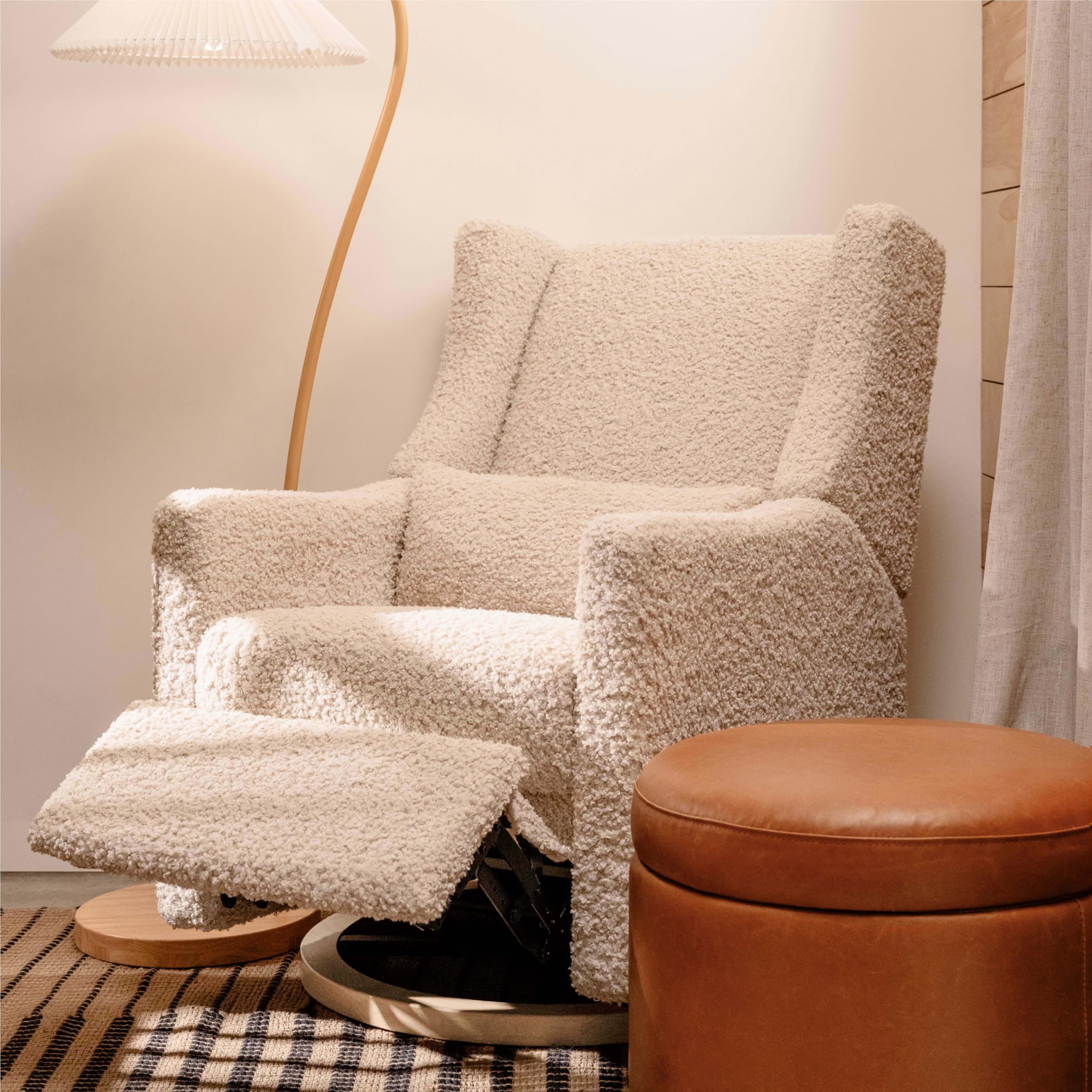


How We Evaluate Chairs Upholstered Gliders
Ergonomics and Adjustability
Good: seat height lets your feet rest flat, seat depth supports your thighs with a small gap behind your knees, and the backrest meets your lower back without pushing you upright. Arm height should let your elbows rest without shrugging. Poor: a seat so deep that short users need a pillow behind them every time, or arms set so low they are decoration.
Since these chairs rarely adjust, a listing that publishes full seat measurements is already a good sign. Write down seat height, depth, and width for every candidate and compare them against a chair you already find comfortable at home.
Assembly and Delivery
Good: a small parts count, a base that arrives assembled or attaches with a few large bolts, and a realistic stated build time of about 20 to 40 minutes. Poor: vague instructions, many similar looking screws, and no spare hardware. Assembly quality affects safety, because a backrest bolted loosely will work looser with every glide.
Check the boxed weight and dimensions against your stairs and doorways before ordering. A chair you cannot get into the room fails the checklist no matter how comfortable it is.
Size, Dimensions, and Weight Capacity
Good: an overall width that leaves walking space once glide clearance is added, and a stated weight capacity with clear margin above the heaviest regular user. Poor: capacity listed right at your household weight, or dimensions that omit the base footprint. Measure your floor spot, the doorway path, and the turn at the top of any stairs.
Taller users should check backrest height so the top supports the shoulders. Keep in mind that upholstered arms add several inches beyond the seat width, and that hidden width is where most size mistakes happen.
Comfort and Cushioning
Good: high density seat foam that feels supportive after an hour, a softer top layer for the first sit, and back cushioning that holds its loft. Poor: foam described only as soft or plush with no density or construction detail, which often means thin foam that flattens within a year. Match firmness to your longest sit.
Short feeding or reading sessions forgive softer foam, while evening long use needs resilience. If a listing mentions removable cushions, count that as a plus, because a replaceable seat cushion can restore comfort years later at small cost.
Build Quality and Frame
Good: a kiln dried hardwood or reinforced plywood frame, corner blocks at the joints, and a steel glide mechanism that moves evenly without a catch at either end. Poor: thin particle board, exposed staples as the main fastener, and a glide that grinds or drifts sideways. The mechanism is the heart of the chair, so favor makers who describe its bearings and offer replacement parts.
Sit and glide slowly during your first day with the chair. Clicks, creaks, or a lean in the motion are checklist failures you can still fix through the return window. For one well known frame style, see our guide to the best chairs charlotte upholstered glider.
Style and Room Fit
Good: a fabric color and texture that sit calmly with your rug, curtains, and lighting, and a silhouette whose visual weight suits the room size. Poor: a trendy color you will tire of on a chair built to last a decade, or a wide executive shape squeezed into a nursery corner. Upholstery is the one part you see constantly, so order a fabric swatch when one is offered.
Light fabrics brighten small rooms but show soil sooner, while mid tones hide the daily evidence of family life. Compare your shortlist against the wider field in our guide to the best glider chairs to see how styles differ.
Warranty and Return Policy
Good: separate stated terms for frame, mechanism, foam, and fabric, with the frame covered longest, plus a return window that allows several weeks of real sits. Poor: a single short warranty for the whole chair and no clear route to spare parts. Warranty length is a useful proxy for build confidence, since makers price coverage against expected failures.
Save your order confirmation, the hardware packet, and photos of the chair on delivery day. Those three habits turn any later claim from an argument into a formality.
Three Price Tiers That Pass Our Checklist
Middle Tier
The middle tier, often about $300 to $600, is where checklist scores peak for most homes. Frames use real hardwood or quality plywood, foam is dense enough for daily sits, and the glide mechanism runs on proper bearings. Fabric choice widens to include performance weaves that resist stains. If a chair in this tier publishes full measurements and separate warranty terms, it is usually the sensible buy for a nursery or living room that will see the chair every day.
Lower Tier
Value models, often under $300, pass the checklist when they keep the frame and mechanism honest and simplify only the extras. Expect thinner foam suited to shorter sits, simpler fabrics that are often easy to clean, and fewer color choices. This tier suits guest rooms, first homes, and secondary corners.
Apply the checklist strictly here: a value chair with a vague capacity rating or a one line warranty fails, while one with clear specifications can serve well for years. The related Sutton style in our guide to the best chairs sutton upholstered swivel glider models shows how value and mid tier builds differ.
Heavy Use Tier
Heavy use tiers, often above $600, buy endurance: reinforced frames with higher weight capacity, denser foam that resists daily compression, and mechanisms rated for constant motion. Upholstery tends toward abrasion resistant weaves, and replacement parts are easier to order. This tier fits shared family chairs, rental properties, and anyone whose glider will work through multiple children or daily long reading. The checklist point that matters most here is the warranty on the mechanism, since that is the part heavy use wears first.
Quick Buyer Checklist
- Does the seat height let your feet rest flat on the floor?
- Is the stated weight capacity comfortably above your heaviest regular user?
- Does the overall width, plus glide clearance, fit your floor spot and doorway path?
- Is the foam described by density or firm construction rather than softness words alone?
- Is the frame hardwood or reinforced plywood rather than thin particle board?
- Can the upholstery be spot cleaned, and is a swatch available before you order?
- Are warranty terms listed separately for frame, mechanism, and fabric?
- Does the return window allow at least a few weeks of real evening sits?
Red Flags to Watch For
- Vague specifications. Missing seat depth, capacity, or frame material usually means the numbers would not help the sale.
- Unrealistic comfort claims. Promises that one fixed shape fits every body ignore basic ergonomics.
- A very short warranty. Brief coverage on a moving mechanism signals low confidence from the maker.
- Review patterns that look off. Waves of similar glowing comments with no detail about assembly or daily use deserve skepticism.
- No spare parts route. A glider without available bolts, glides, or cushions becomes disposable when one small part fails.
Shoppers furnishing a whole room sometimes compare these chairs with fixed seating too, and our guide to the best upholstered dining chairs covers the stationary side of the family.
How to Make Your Chairs Upholstered Glider Last Longer
Three habits do most of the work. Set the chair up so your feet rest flat and your weight lands evenly, which keeps the mechanism tracking straight. Tighten every bolt every few months, because glide motion slowly loosens hardware and small play becomes worn joints.
Vacuum or wipe the upholstery weekly so grit never grinds into the weave, and blot spills the day they happen. Keep the chair out of strong direct sun to protect both fabric color and foam resilience.
Frequently Asked Questions
How do I choose the right size upholstered glider?
Compare three numbers against your body and room: seat depth against your thigh length, seat width against your hips with room to shift, and overall width against your floor spot and doorways. The best chairs upholstered gliders for your home are the ones whose backrest meets your shoulders while your feet rest flat. When two sizes qualify, pick the one that leaves walking space, since a crowded glider loses its relaxing point.
What features matter most for long hours in an upholstered glider?
Seat foam density and backrest shape matter most, because they govern pressure and posture at hour two. Arm height follows, since well placed arms carry the weight of a book or a sleeping baby. A smooth, even glide keeps you making small movements that prevent stiffness. If your sits run long every day, score these three points double on the checklist and let fabric choice come second.
How long should a good chairs upholstered glider last?
A well built chair should deliver five to eight years of daily comfort, with the frame and mechanism often outlasting the foam. You will usually notice cushion softening first, which is why replaceable cushions extend useful life so well. Regular bolt checks, weekly vacuuming, and shade from harsh sun push a good chair toward the top of that range without any special products or skills.
Is an expensive chairs upholstered glider worth it?
It is worth it when the extra money buys frame strength, mechanism quality, and foam that survives daily compression, because those are the parts you cannot upgrade later. It is not worth it when the premium buys only a fashion fabric over standard construction. Run both tiers through the checklist above. If the expensive chair scores higher on frame, mechanism, and warranty, heavy daily users will feel that difference for years.
The Bottom Line
Score before you style. Frame, mechanism, and foam decide how a glider ages, while fabric and color only decide how it photographs. Use the checklist on every candidate, watch for the red flags, and the right best chairs upholstered glider will stand out on paper before it ever reaches your room. Compare your top scoring finalists in the product table above, confirm the warranty terms one last time, and buy the chair that passes on evidence rather than charm.


