Best Chairs Under 100 in 2026: Which Type Is Right for You?
Disclosure: We may earn a commission when you buy through links on this page, at no extra cost to you. As an Amazon Associate I earn from qualifying purchases. Learn more

A clear guide to the best chairs under 100: budget, executive, ergonomic and compact types compared, with sizing and comfort checks.
Sorting through the best chairs under 100 can feel confusing because so many different chairs share the same price ceiling. A simple task chair, a padded executive style chair, and a small dining chair may all cost about the same, yet they suit very different rooms and habits. Choosing by looks alone often leads to a chair that feels wrong within a week.
This guide compares chairs by type first, so you can narrow the field before you look at details. You will learn what each type does well and which features are realistic at this price. Use the comparison table below to match each type with your room and the way you actually sit.


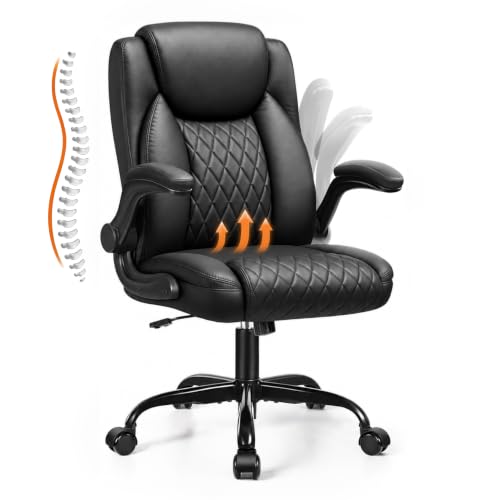
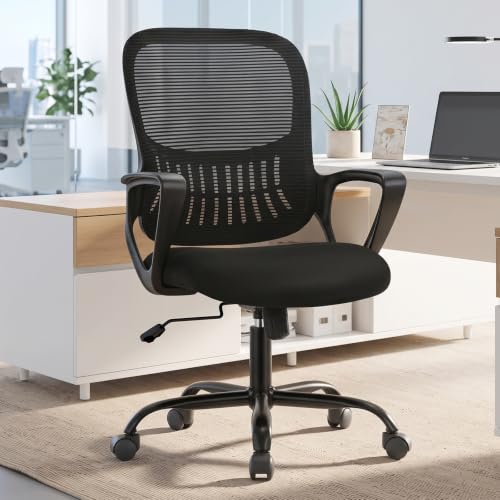
Types of Chairs Compared
At this price, the type of chair matters more than any single feature. Use the product table above to compare types side by side, then read the notes below on who each type serves best.
Budget Models
Budget models are the simplest chairs in this group, usually with a fixed back, basic padding, and few adjustments beyond seat height. Most cost around $40 and stay under $70, because plain frames, thinner foam, and simple covers keep the price down. For occasional use, such as a spare seat for guests, that simplicity is often enough.
The trade off is comfort over time, because a fixed back cannot follow your posture and thin padding can feel flat during longer sessions. If your main use is a study corner or a small home desk, see our guide to the best desk chairs under 100 for designs shaped around desk height. Match budget models to short sitting periods rather than full workdays.
Premium and Executive Models
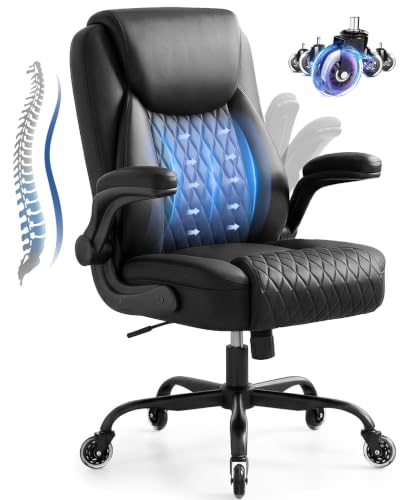
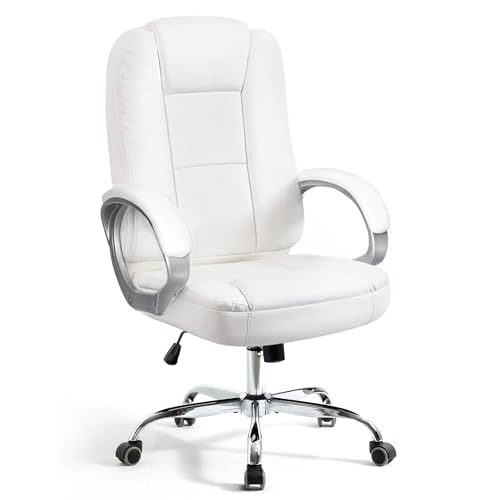
Premium and executive models spend the budget on appearance and padding instead of adjustments. They usually have a high back, a wide seat, padded armrests, and covers that imitate leather, and prices often reach about $90 near the top of this range. They look at home in a front office or a living room corner where the chair is part of the decor.
The padding feels plush at first, but support depends on foam quality, and many of these chairs offer little real lumbar support. Tilt is often limited to a simple recline with a tilt lock. Choose this type when looks matter most and sitting sessions stay moderate.
Ergonomic Models
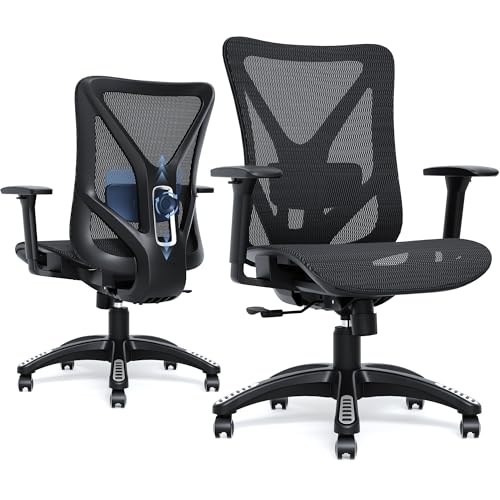
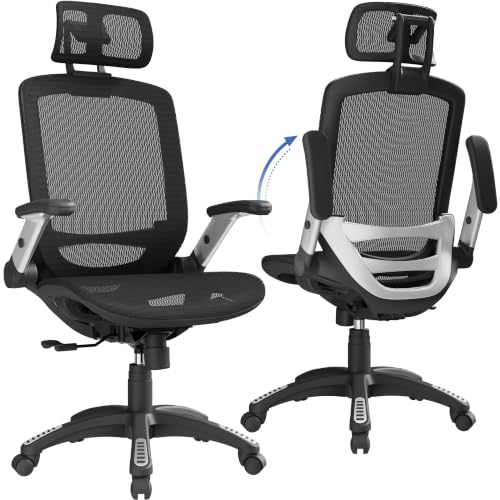
Ergonomic models put the money into adjustments and back support rather than looks. A typical ergonomic chair at this price has a mesh back that lets air move through, a shaped backrest with lumbar support, and adjustable armrests. The mesh back also flexes slightly as you shift, which spreads pressure more evenly than a flat padded back.
These chairs suit people who sit for long stretches at a computer, because small adjustments help you change position through the day. If you spend most hours at a screen, see our guide to the best computer chairs under 100 for designs built around screen work.
Compact and Space Saving Models
Compact and space saving models are built for small rooms, dorms, and apartments. They have narrower seats, lower backs, and sometimes folding frames or armless designs that slide fully under a desk. Saving floor space is the whole point, so every dimension shrinks, including seat width and back height.
That smaller size limits who can sit comfortably. Broader adults may find the seat tight, and the lower backrest gives less support for leaning back. These models work well as a second chair or a vanity seat, so measure your space first.
Budget Models vs Premium and Executive Models: Which Should You Choose?
These two types cost nearly the same, so the choice comes down to how you sit. Budget models win on price and simplicity. Premium and executive models win on padding and presence, with a softer seat and a more formal look. Neither type offers much adjustment, so neither is ideal for long daily sitting.
For an hour or two at a time, either type can work, and style may decide it. For longer sessions, plush padding can compress and feel less supportive over time, while a plain budget chair simply stays basic. Readers setting up a gaming corner in a bedroom weigh these same trade offs, so see our guide to the best pc gaming chairs under 100 if your chair will double as a gaming seat.
How to Choose the Right Chair
When you compare the best chairs under 100, work through the five checks below in order, from room fit and realistic expectations to comfort, adjustability, and size.
Style and Room Fit
Start with the room, because a chair that clashes with its setting will bother you daily. Note the dominant colors and materials around the spot where the chair will live, then choose a cover and frame finish that blend with them. In a small room, lighter colors and open backs make the space feel less crowded. Rolling casters suit hard floors, while fixed legs are steadier on thick carpet.
What You Can Realistically Get for Under $100
A budget under $100 buys a sound frame, basic foam, and one or two useful adjustments, but it rarely buys everything at once. Makers usually cut costs on foam quality, cover durability, and small hardware such as casters and bolts. Spend first on the parts you cannot upgrade later, above all the frame, the seat foam, and the back support. Be wary of long feature lists at low prices, since each added feature takes money from those basics.
Comfort and Cushioning
Comfort over a full day depends mostly on the seat foam. High density foam holds its shape and supports your weight evenly, while low density foam feels soft at first and then flattens, so you end up sitting on the hard seat pan. If a listing states foam density, treat it as a real clue rather than marketing. A gentle waterfall front edge also reduces pressure behind your knees.
Ergonomics and Adjustability
Ergonomic value comes from how well the chair adjusts to your body. Seat height should let your feet rest flat with your knees near a right angle. Lumbar support should meet the curve of your lower back.
A tilt lock lets you hold a slight recline, and adjustable armrests help your shoulders relax while typing. For a deeper look at posture focused designs, see our guide to the best ergonomic chairs under 100.
Size, Dimensions, and Weight Capacity
Check three numbers before ordering: seat height, seat width, and weight capacity. Seat height must suit both your legs and your desk, so compare it with the height of your desk underside. Seat width should leave a little room on each side of your hips. Weight capacity tells you how strong the frame and lift are, so stay comfortably below the limit rather than right at it.
Common Mistakes to Avoid
Most regrets at this price come from a few repeat errors.
- Buying by looks alone, so the chair matches the room but hurts your back within an hour.
- Ignoring weight capacity, so the lift and frame wear out far sooner than they should.
- Skipping the seat height check, so your feet dangle or your knees press against the desk.
- Choosing plush padding for long workdays, so the foam flattens and support fades fast.
- Forgetting to measure the room, so the chair blocks a drawer, a door, or a walkway.
Choosing Chairs for Your Situation
The right type also depends on the job the chair must do, and gaming adds its own needs. Readers who mainly want a chair for play can see our guide to the best chairs for gaming under 100 for that setup. The three situations below each reward different details than a standard desk chair.
Best Dining Chairs under 100: Which Type Works Best
When you shop the best dining chairs under 100, seat height and cleaning matter more than adjustments. The seat should slide under your table with room for your legs, and the back should be low enough to keep the table line clean. Choose covers you can wipe after meals. Dining chairs are often sold in pairs or sets of four, so check whether the price covers one chair or a set.
Best Leather Chairs under 100: Which Type Works Best
Shoppers looking at the best leather chairs under 100 should know that genuine leather is rare at this price. Most options use faux leather or bonded leather. Faux leather wipes clean and resists stains, yet it can crack or peel after a few years, especially in heat or strong sunlight.
Bonded leather feels softer but is usually less durable. Judge these chairs by stitching quality, foam firmness, and frame strength instead.
Best Patio Chairs under 100: Which Type Works Best
For the best patio chairs under 100, weather resistance comes first. Look for frames that resist rust, such as powder coated steel or aluminum, and fabrics made for outdoor use that dry quickly after rain. Cushions should have covers you can remove and wash.
Weight matters too, since you will move the chairs often. A chair that is perfect indoors can fail in one season outside.
How to Make Your Chair Last Longer
Small habits protect a budget chair better than any single feature. Set the seat height so your feet rest flat, because uneven loading wears the lift and base faster. Tighten the bolts every few months, since loose bolts let joints flex and squeak, and that flexing slowly damages the frame. Vacuum or wipe the upholstery regularly so grit does not grind into the surface.
Mesh backs need only dusting, while padded covers benefit from quick attention to spills before stains set. Keep any chair out of constant direct sunlight, which fades covers and makes faux leather brittle. Roll the chair instead of dragging it, and replace a worn caster or bolt promptly so the rest of the chair is not strained.
Frequently Asked Questions
Can you get a good chair for under $100?
Yes, you can get a good chair for under $100 if your expectations match the price. A well chosen model handles daily desk work, study, or dining without trouble. One point many buyers miss is the return policy. Because you cannot sit in the chair before it ships, a fair return window and a clear warranty matter more at this price than any single feature.
What chair features matter most for long hours?
Supportive foam, lumbar support, and correct seat height matter most for long hours in a chair, because those three decide whether your back and legs feel fine at the end of the day. Adjustable armrests and a tilt lock help, but they rank below basic support. One habit adds more than any feature: stand up and move for a few minutes each hour. If your feet still dangle at the lowest setting, add a simple footrest.
How long should a chair under $100 last?
A chair under $100 should last about two to four years with daily use, and longer with light use. The seat lift is often the first part to fail, shown by a chair that slowly sinks after you set the height. Foam flattening is the other common end point, felt as a hard seat pan under you. Once the frame loosens at several joints, replacement is usually the safer and cheaper choice.
Is a more expensive chair worth it compared with a budget chair?
A more expensive chair is worth it when you sit for many hours daily or share the chair with another person. Higher prices usually buy denser foam, stronger frames, and wider adjustment ranges that fit more body types. Think in cost per year rather than price alone, because a chair that lasts twice as long can cost less over time.
How do you choose the right chair size for your body and room?
Choose chair size by matching seat height to your lower leg length and seat width to your hips, then confirm the chair fits your desk and floor space. Your feet should rest flat, and the seat edge should not press behind your knees. One check buyers forget is delivery access. Measure your narrowest doorway or stair turn and compare it with the boxed size, because a chair that fits the room is useless if it cannot reach the room.
Final Thoughts
Choosing well at this price means picking the right type first, then checking foam, support, and size before style. The product table above can help you compare types quickly. Whether you lean toward a simple budget model, a plush executive style, or an adjustable ergonomic design, the best chairs under 100 are the ones matched to your longest day of sitting.