
Best Chairs Glider Cushions: Which One Fits the Way You Use It for 2026
Disclosure: We may earn a commission when you buy through links on this page, at no extra cost to you. As an Amazon Associate I earn from qualifying purchases. Learn more

Discover the best chairs glider cushions for your needs. We match features to real use cases so you avoid overpaying and get the right fit the first time.
A worn glider cushion changes the whole feel of the chair. The seat goes flat, your lower back starts to ache, and a chair you once loved sits unused in the corner. The good news is that fresh cushions can bring that chair back for far less than the cost of a new glider, and the best chairs glider cushions for you depend on how you actually sit in it, whether that is feeding a baby at night, reading on the porch, or rocking in the living room every evening.
There is no single set that suits every chair and every sitter. Fit comes first, because a cushion that slides or bunches will annoy you no matter how plush it feels. After that, firmness, fill, and fabric decide comfort and how long the set lasts. Use the comparison table below to narrow your shortlist, then match a set to your chair, your room, and your habits.
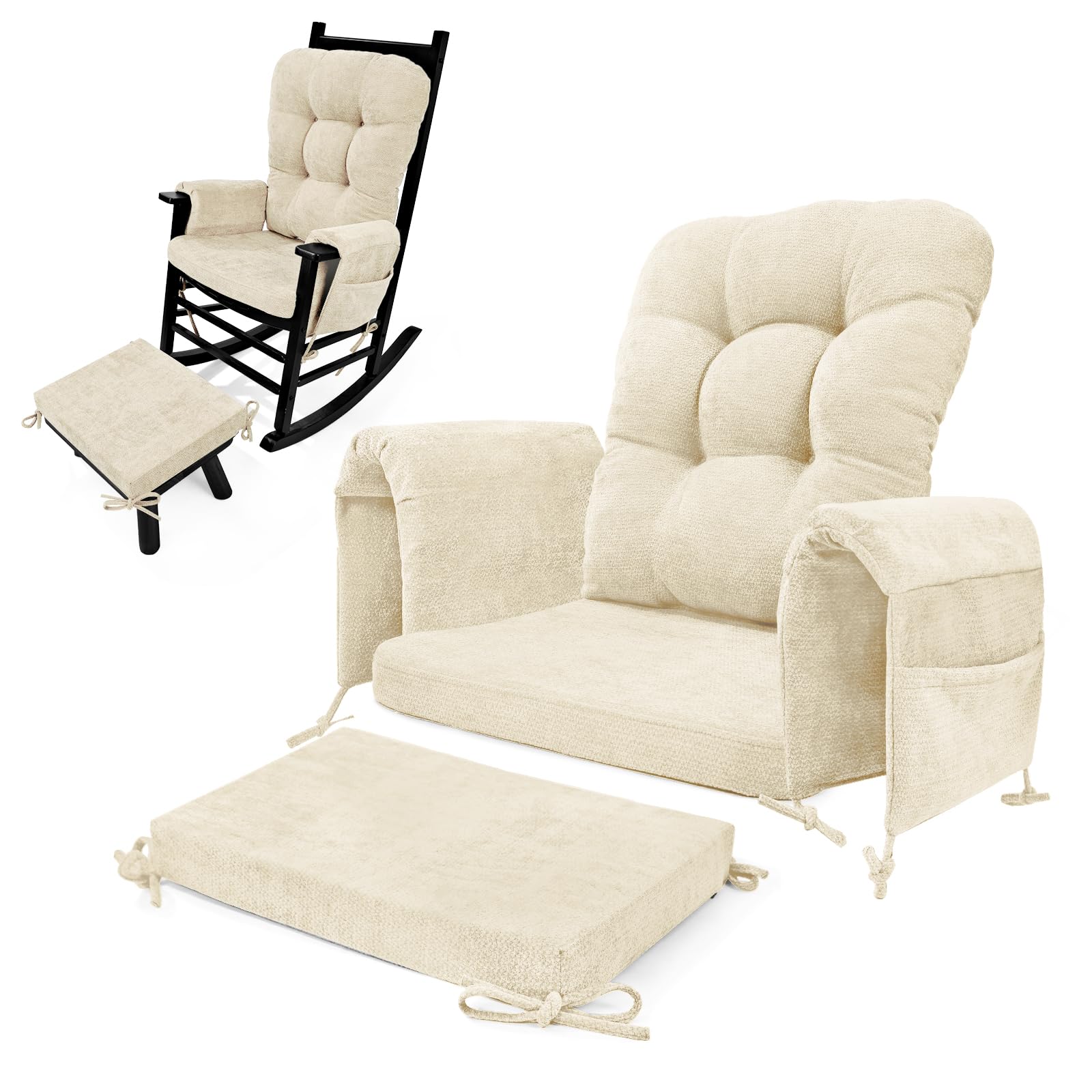
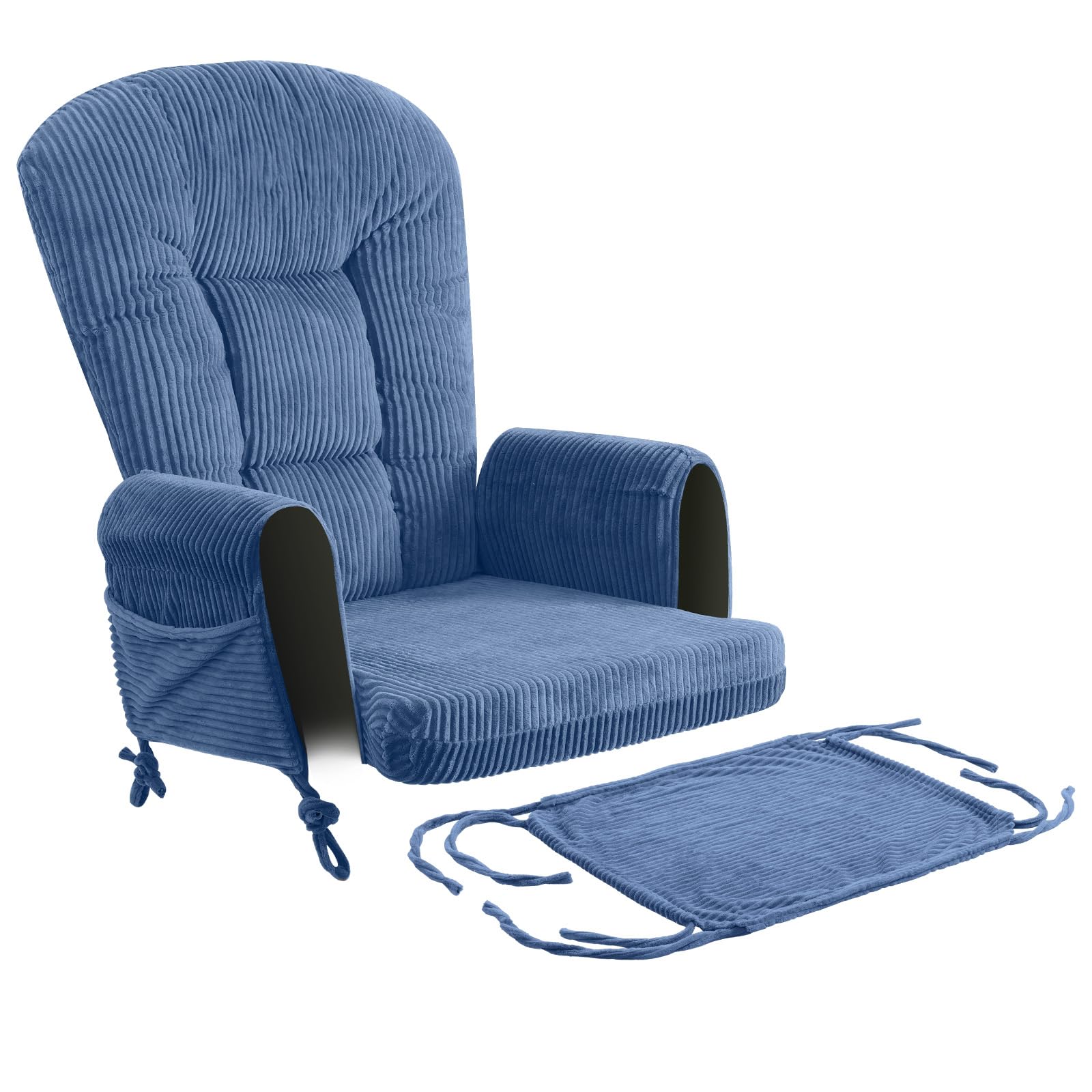
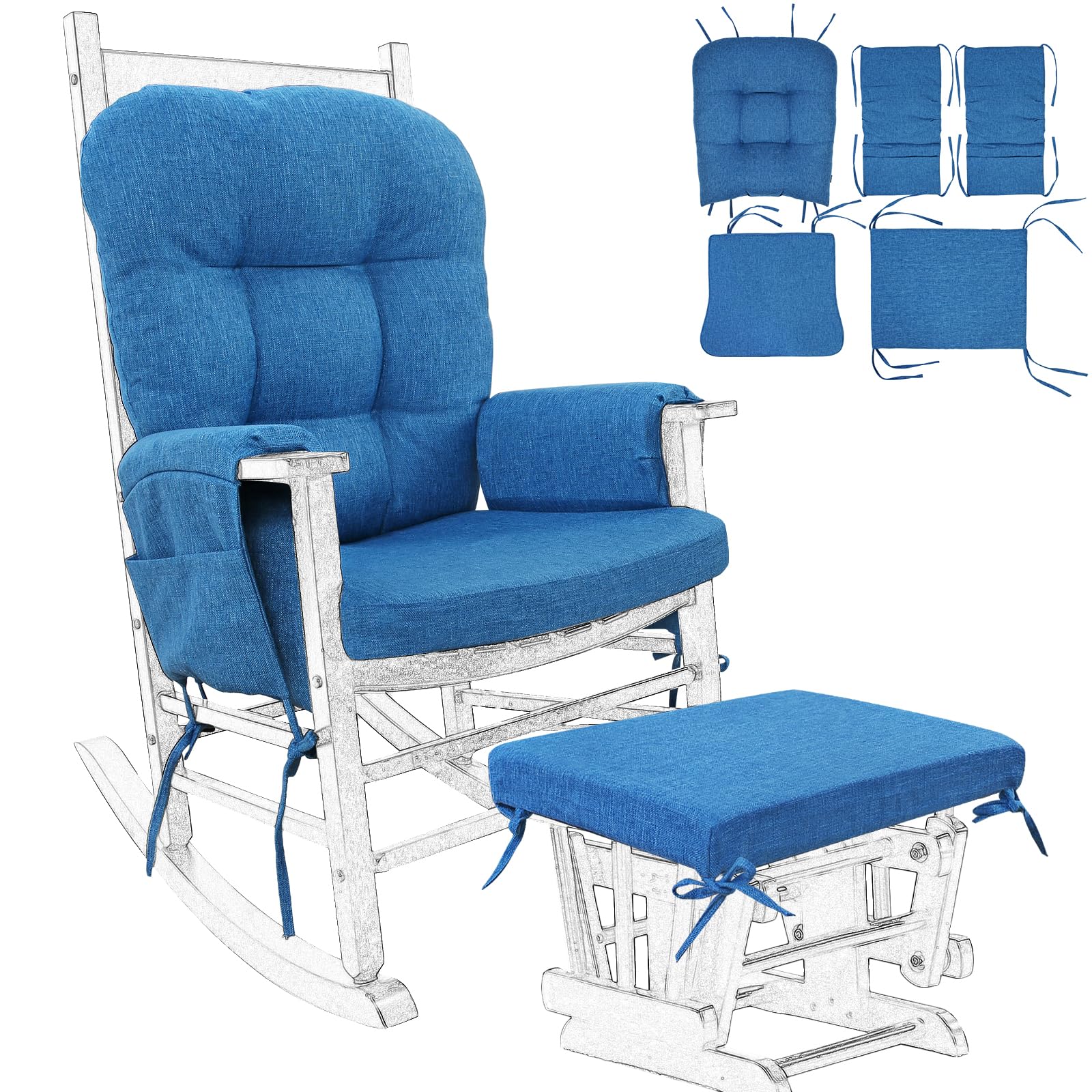

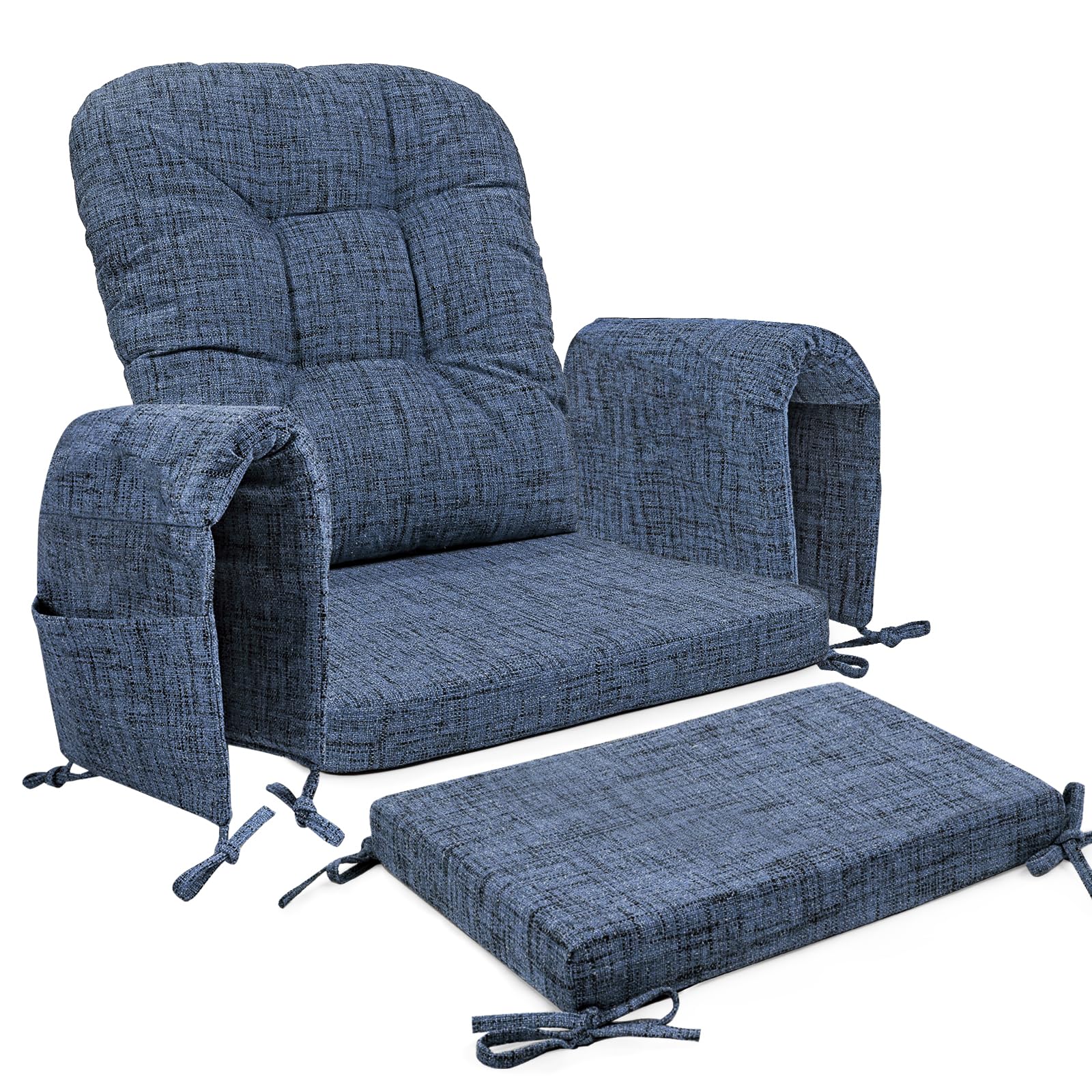


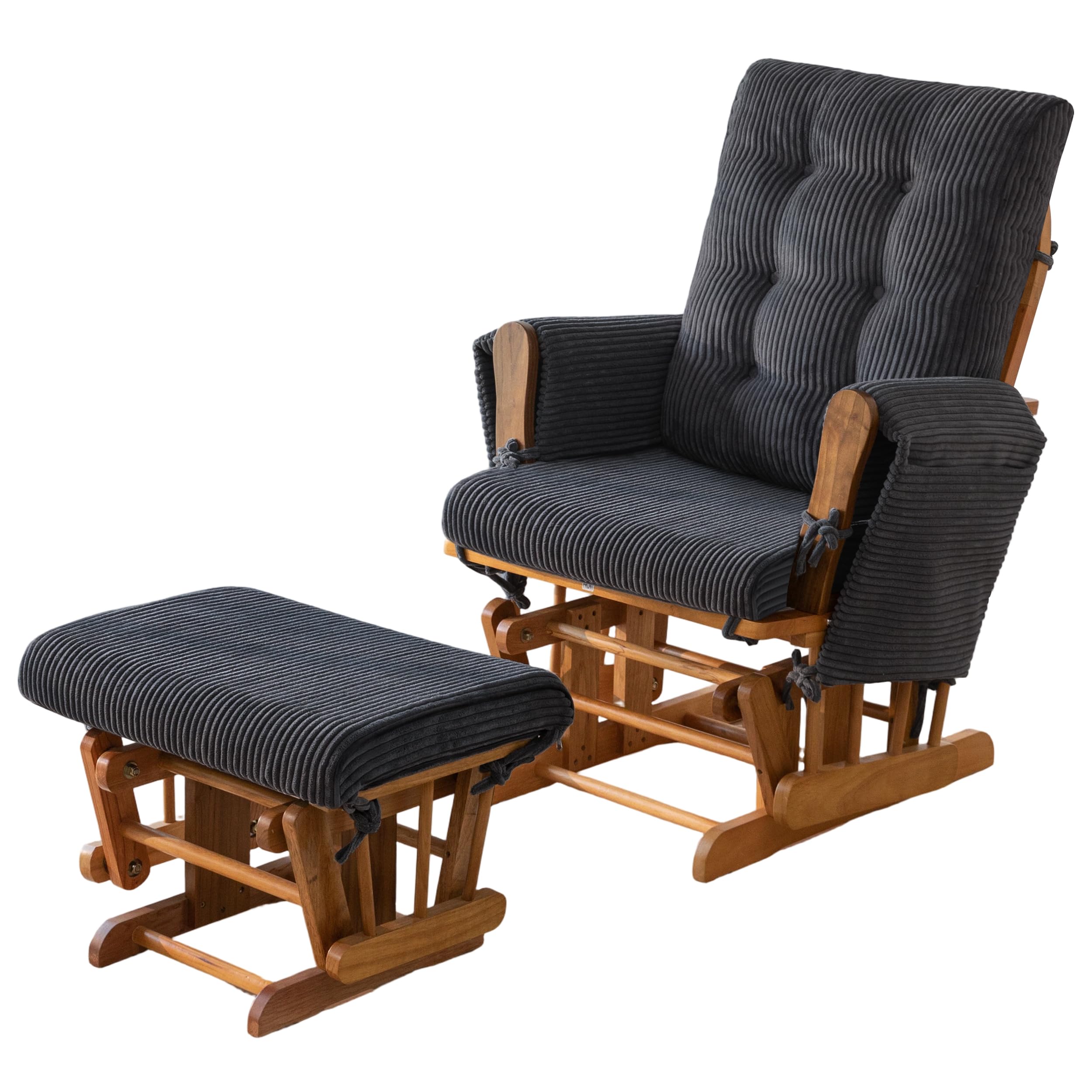
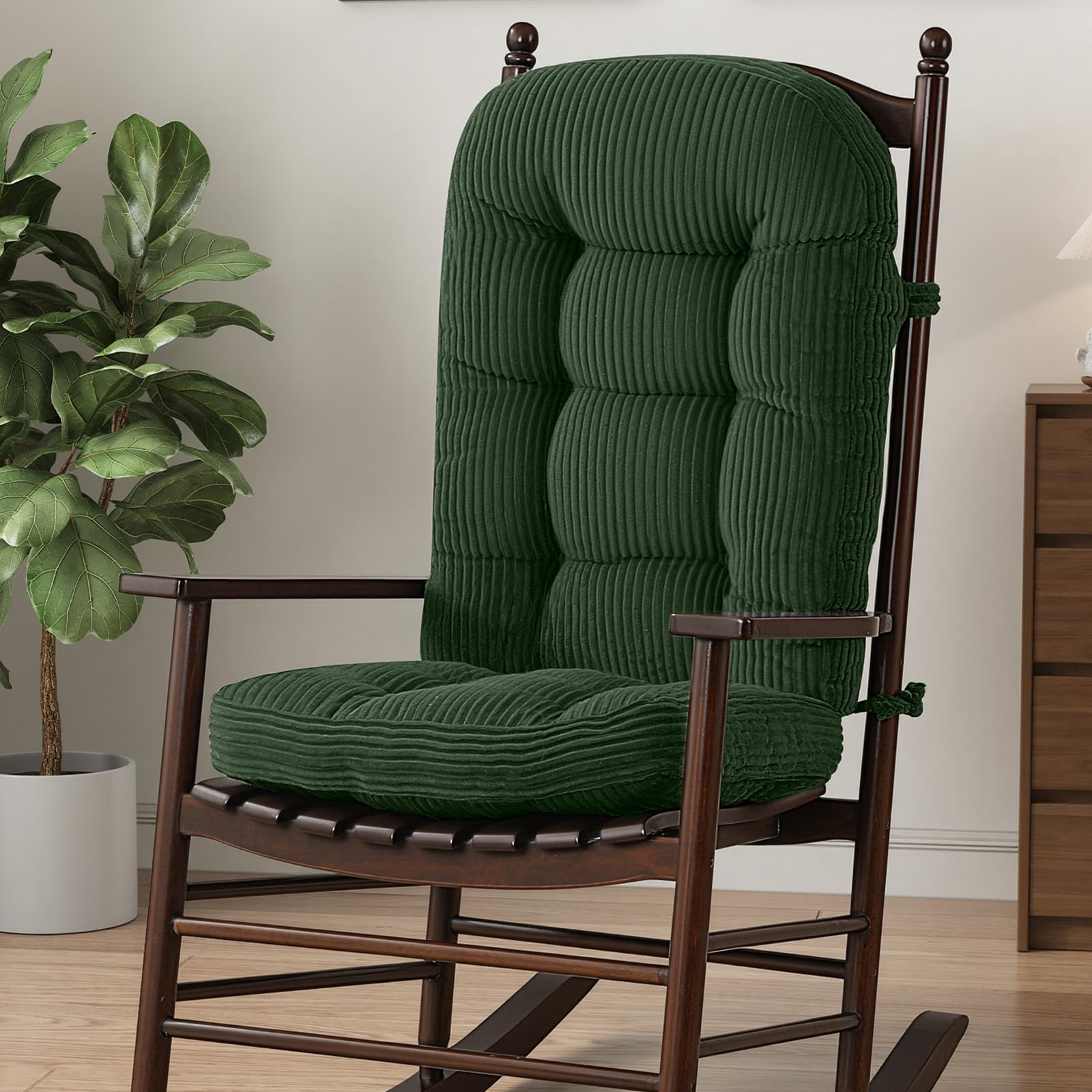
Who Should Buy Which Chairs Glider Cushions?
Start with your situation rather than with fabric colors. The three groups below cover most buyers, and each one points to a different balance of fit, support, and price. If you are also wondering whether the chair itself is worth keeping, see our guide to the best glider chairs to judge frame quality and glide motion before you spend money on cushions for a frame that is near the end of its life.
For Gift Shoppers
A cushion set makes a thoughtful gift for new parents setting up a nursery or for anyone restoring a handed down glider. Choose a widely compatible size, a neutral fabric that suits most rooms, and a fill that feels welcoming on the first sit, such as plump polyester fiberfill over a foam core. Removable covers that go in the wash are a kind extra, because the recipient will deal with spills sooner or later. Include the gift receipt, since fit varies by chair and an exchange may be needed. A full set at around $100 keeps the gift generous without overspending on features the recipient may never use.
For People Who Want the Best Support and Durability
If you rock for an hour or more at a time, support matters more than first sit softness. Look for high density foam in the seat, a firm lumbar section in the back cushion, and sturdy stitching at the seams and tuft buttons. Denser fill resists the flattening that makes cheaper sets feel tired within a year. A thicker seat, around 4 to 6 inches before compression, spreads your weight and gives real pressure relief at the hips and tailbone. Expect to pay about $200 for a set built this way, and check the warranty length, because makers who stand behind dense foam and strong fabric usually say so in writing.
For First Time Buyers
If this is your first cushion purchase, keep it simple. Measure your chair, pick a standard size set in a washable fabric, and choose medium firmness, which suits the widest range of sitters and postures. Avoid custom orders until you know your exact model and dimensions, because custom sets often cannot be returned. Once you have lived with a basic set for a season, you will know whether you want more firmness, more loft, or a different fabric next time, and that knowledge makes the second purchase much easier.
Key Features to Compare
With your group in mind, compare the sets in the product table above on the factors below. Each one affects daily comfort in a concrete way, and together they explain most of the price gap between a budget set and a premium one. In practice, the best chairs glider cushions tend to get the basics right in the same order: fit, support, fill, fabric, and secure attachment.
Fit and Dimensions Come First
Glider cushions are not one size fits all. Seat width, seat depth, and back height differ between nursery gliders, living room gliders, and older wooden frames, and a set that is even an inch too wide will wrinkle and creep as you rock. Match the listed dimensions to your chair rather than to the set you are replacing, because old cushions compress with age and can mislead you. If your chair came from a known maker and the model is still sold, a set shaped for that model usually fits better than a universal set. When your chair doubles as a rocker, our guide to the best chair glider rocker replacement cushions covers the deeper seats and taller backs those frames often need.
Firmness and Support for Sitting
Firmness describes how much a cushion gives under your weight, and the right choice depends on how long you sit and how your back feels. A soft seat feels cozy for a short rock, but it lets your hips sink, which tilts the pelvis and strains the lower back during long feeding or reading sessions. A medium firm or firm seat keeps your hips level and makes standing up easier, a detail that matters for older sitters and for parents holding a sleeping baby. Back cushions should support the curve of your spine without pushing your head forward.
Fill Materials and What They Feel Like
Most glider cushions use one of three fills. Polyester fiberfill feels soft and lofty, costs the least, and is easy to fluff back into shape, but it packs down fastest. Solid foam, including high density foam and memory foam, holds its shape longer and supports weight more evenly. Memory foam softens with body heat and molds to your shape, which many sitters love, though it can feel warm in summer. Blended designs pair a foam core with a fiberfill wrap for a balance of support and surface softness. For a wider look at fill choices across seating, see our guide to the best cushion for chairs, which explains how fill density changes feel in everyday chairs as well.
Fabrics, Certifications, and Easy Cleaning
The cover fabric decides how the set looks, how it handles spills, and how it feels against bare arms in summer. Cotton and cotton blends breathe well and suit nurseries. Microfiber resists stains, wipes clean easily, and holds up to pets and kids. Linen look weaves give a relaxed texture but can wrinkle. For porch gliders, choose solution dyed outdoor fabric that resists fading and sheds light rain. Certifications add reassurance where babies and toddlers spend time. CertiPUR US means the foam was checked for content and emissions, and OEKO TEX Standard 100 means the fabric was tested for substances that can irritate skin. Cooling fabrics with a smooth, cool touch finish can help in a sunny room, though they matter less than fit and fill do.
Ties, Tufting, and Staying in Place
A cushion that migrates as you glide will undo all your careful measuring. Fabric ties at the back corners of the seat and along the back cushion hold the set to the frame, and longer ties suit thicker wooden rails. Some sets add a nonslip backing on the seat instead, which works well on smooth wood but can bunch on upholstered frames. Tufting, the stitched pulls that create dimples in the cushion, keeps fill from shifting into lumps. Check that tuft buttons sit deep enough that you do not feel them when you lean back.
How to Measure Your Glider Before You Order
Measuring takes five minutes and prevents most returns. Remove the old cushions first, because you need the bare frame dimensions, not the squashed size of a worn set. Measure the seat width between the armrests, then the seat depth from the front edge to the back post. Measure the back height from the seat frame to the top rail, and the back width at its widest point. Note the thickness you want as well, since a thicker seat raises your sitting height.
If your glider is a Best Chairs model, check the tag under the seat for the model name before ordering, because that brand sells shaped sets for its own frames and a generic set may leave gaps at the corners. Our guide to the best chairs inc glider replacement cushions explains how to match model names to the right cushion shape. If your frame came from another maker or has no tag at all, a universal set with ties gives you the most adjustment room, and our overview of best chairs glider replacement cushions walks through the standard sizes most brands use.
Common Mistakes to Avoid
- Ordering by the size of your old, compressed cushions instead of the bare frame, so the new set arrives too small and slides around.
- Choosing the softest fill for long sitting sessions, which lets your hips sink and leaves your lower back sore.
- Skipping certifications on nursery cushions, so you miss a simple check on foam emissions and fabric safety.
- Buying a fixed position set with no ties for a smooth wooden frame, so the seat creeps forward every time you rock.
- Ignoring the return policy on custom and model specific sets, which often cannot be sent back if the fit is wrong.
- Picking a delicate fabric for a high spill room, so the set looks stained within the first month of daily use.
Care and Maintenance for Glider Cushions
Good care keeps a cushion set supportive for years. Fluff fiberfill cushions by hand once a week, working the fill back toward the corners where it migrates during use. Vacuum the fabric with an upholstery attachment every couple of weeks to lift dust and crumbs before they grind into the weave.
For covers with zippers, wash them on a gentle cycle in cold water and air dry them, because dryer heat can shrink fabric enough to make refitting a struggle. Spot clean fixed covers promptly with a mild soap solution, blotting rather than rubbing so the stain does not spread. Keep foam inserts out of the wash entirely, since soaking breaks down the cell structure and ruins support. If a cushion smells stale, a few hours of fresh air on a dry, shaded porch usually clears it.
Frequently Asked Questions
How often should glider chair cushions be replaced?
Most glider chair cushions last about three to five years of daily use before the fill loses support. Replace the set when the seat stays flattened after fluffing, when you can feel the frame through the cushion, or when your back aches after short sits that used to feel fine. Replacing cushions on a sound frame costs far less than buying a new glider and restores the chair in an afternoon.
How do you wash glider chair cushions safely?
Start by checking the care tag, because methods differ by fill and fabric. Removable covers usually wash on a gentle cycle in cold water and should air dry to prevent shrinking. Fixed covers respond best to spot cleaning with diluted mild soap and a soft cloth. Never soak foam inserts, since water breaks down foam and invites mildew deep inside the cushion. For fiberfill cushions without removable covers, a fabric safe spray cleaner and thorough air drying on a breezy day is the safer route.
What cushion thickness is best for a glider chair?
A seat thickness of about 3 to 5 inches suits most glider chairs and most sitters. Thinner seats around 2 to 3 inches keep a low sitting height, which helps shorter sitters rest their feet flat and rock with control. Thicker seats add cushioning for heavier sitters and long sessions, but they raise you up and can leave your feet dangling if the chair already sits high. Match the back cushion thickness to the seat so your posture stays balanced rather than tipped forward or back.
Are thick foam glider cushions better than fiberfill cushions?
Neither fill is better for everyone, because they serve different priorities. Foam cushions hold their shape, support weight evenly, and suit long daily sitting, but they cost more and can feel firm at first. Fiberfill cushions feel softer on day one, cost less, and fluff easily, yet they compress sooner and need regular reshaping. Many buyers land on a foam core wrapped in fiberfill, which pairs lasting support with a softer surface. Choose by how many hours a day the chair gets used, not by first impressions in a photo.
Can glider chair cushions be used outdoors on a porch?
Only cushions made with outdoor rated fabric and quick drying fill belong on a porch. Standard indoor fabrics fade in sunlight, absorb rain, and can mildew when they stay damp inside a thick fill. Outdoor sets use solution dyed fibers that resist fading and fills that shed water instead of holding it. Even then, store the cushions under cover during heavy rain and winter months. For occasional porch use, bringing indoor cushions outside for an afternoon and back in at night is a workable compromise.
Final Thoughts
Choosing well comes down to three checks. Measure the bare frame so the fit is right, pick a firmness and fill that match how long you sit, and choose a fabric that suits the room and the people using it. Certifications, ties, and a sensible return policy then separate the strong options from the rest. The best chairs glider cushions are simply the set that passes those checks for your chair, and the product table above is a good place to compare your finalists side by side before you order.


