
Best Chair Cushions: A First Time Buyer's Guide for 2026
Disclosure: We may earn a commission when you buy through links on this page, at no extra cost to you. As an Amazon Associate I earn from qualifying purchases. Learn more

Learn how to choose the best chair cushions for comfort and support, from foam density and thickness to covers, fit, and care, with first time buyer guidance.
If you are shopping for best chair cushions for the first time, the choices can look confusing, because cushions differ in shape, thickness, firmness, cover fabric, and attachment style. This guide explains each point in plain language, so you can compare options by how you sit, how long you sit, and which chair you will use. The comparison table below gives a quick side by side view of the main types, and the sections that follow explain what each detail means in everyday use.
A good cushion should change how your chair feels without making you slide forward, perch too high, or fight with a cover that bunches up. Start with your chair and your sitting habits, then narrow the list by size, shape, and support. Price matters, but a cushion that fits poorly will feel wrong at any price, so fit and firmness should come before color or extra features.


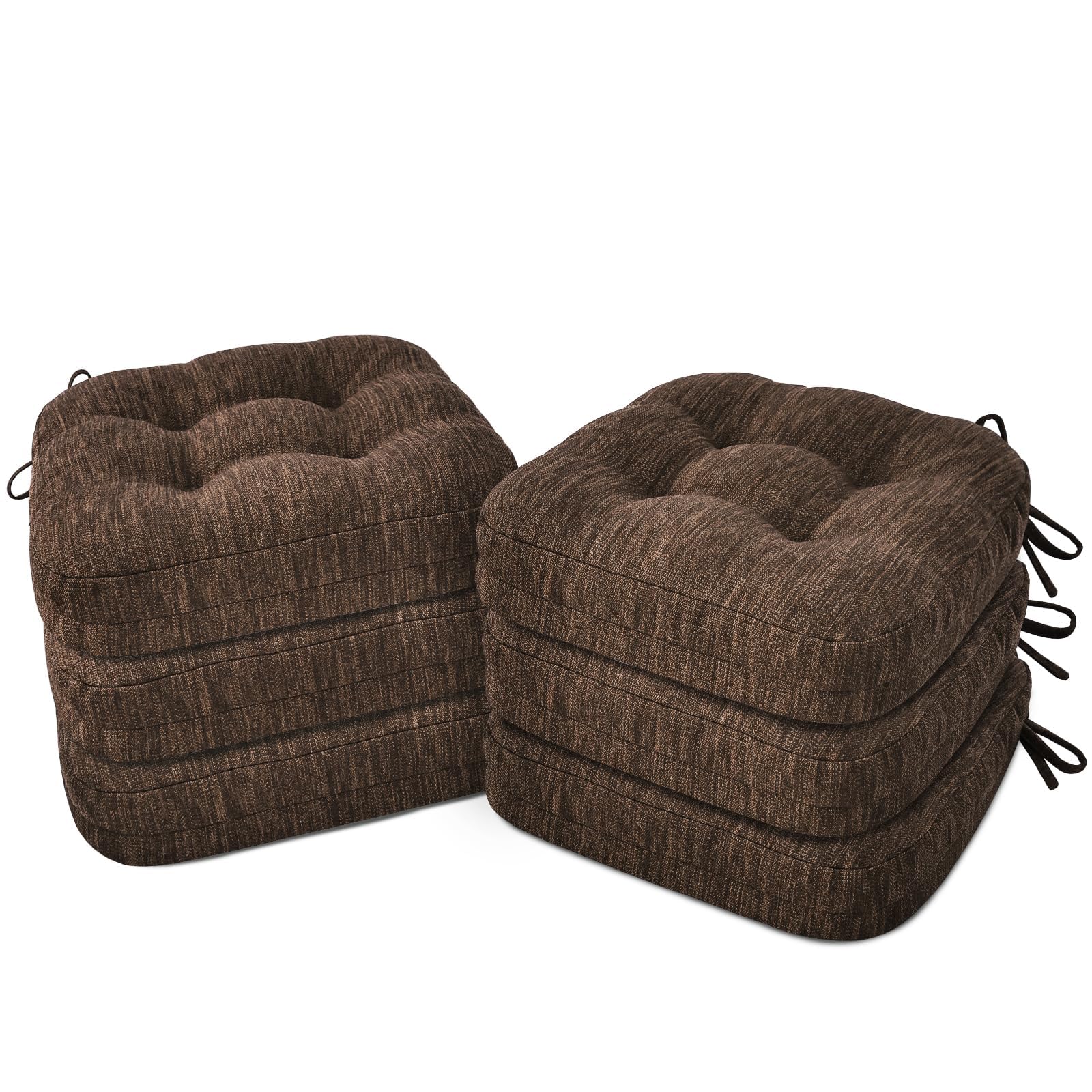


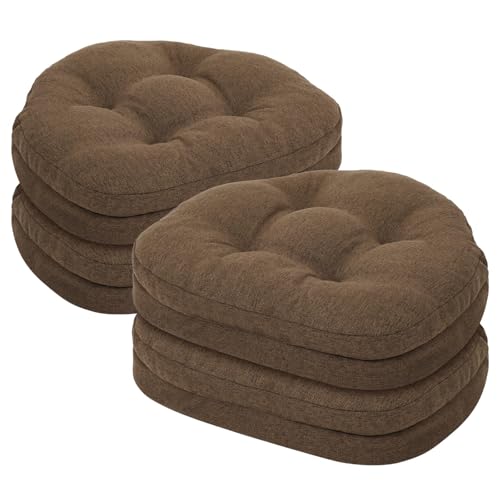

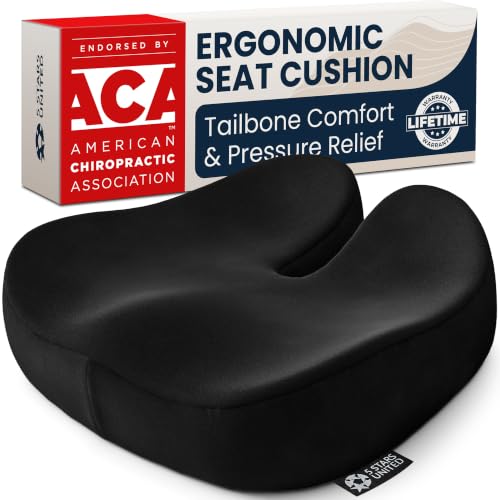

Chair Cushions 101: The Basics
A chair cushion is a shaped pad that sits on a chair seat, and sometimes on the backrest, to spread pressure and add comfort. Seat cushions are the most common type, and they range from flat pads to contoured shapes with a raised front edge or a cutout at the back. Back cushions add support behind your lower back or along the full back, and some sets pair a seat pad with a matching back pad.
The main job of a seat cushion is to spread your weight across a wider area, so no single point carries all the pressure. A cushion that is too soft can bottom out, which means you feel the hard chair through the pad after a short time. A cushion that is too firm can feel hard from the first minute, even if it holds its shape well. Thickness, density, and shape work together, so no single number tells the whole story.
Chair cushions are made for many seats, and the right shape depends on the chair. Dining chairs usually suit thinner pads that keep you at table height, and ties or a nonslip base help the pad stay put on a smooth wooden seat. Office chairs often suit thicker contoured pads, since the seat is wider and you may sit for hours at a desk.
Outdoor chairs need covers that resist moisture and sun, and a pad that dries well after rain. For ideas on pads made for the table, see our guide to best dining chair cushions before you settle on a thickness.
Key Specs Explained in Plain English
Spec sheets use terms that sound technical, but most of them describe simple ideas. This section translates the main specs, so you can tell which numbers matter for your chair and which ones you can ignore.
Material and Fill
Memory foam softens with body heat and molds around your shape, which can feel gentle at first and supportive over time. Standard foam holds a more even shape and often feels firmer, while high density foam resists flattening better than low density foam. Gel layers and gel infused foam aim to feel cooler, and latex foam feels springy and holds its shape well, though it can cost more. Fiberfill pads feel light and soft, but they tend to flatten faster than foam, so they suit short sits better than all day use.
Support, Pressure Relief, and Edge Support
Support means the cushion holds you up without letting you sink to the chair frame, and pressure relief means it spreads weight so your hips and thighs feel less strain. Contoured cushions often have a thicker rear section and a sloped front edge, which can ease pressure at the back of the thighs. Edge support matters when you sit near the front of the chair or shift position often, because a pad with weak edges can feel like it rolls away under you. For desk seating, a pad that keeps your hips level and your feet flat on the floor usually feels better than a very thick pad that raises you too high, and our guide to best desk chair cushions covers desk specific fit in more detail.
Certifications
Certifications tell you something about how a foam or fabric was checked, but they do not prove that a cushion will feel right for you. CertiPUR US applies to flexible polyurethane foam and covers content, emissions, and durability testing by an independent program. OEKO TEX applies to textiles and covers testing for harmful substances in the fabric.
A cushion can carry one, both, or neither, and the absence of a label does not automatically mean the product is unsafe. Treat certifications as a helpful check, not as a substitute for checking size, density, and return terms.
Firmness, Thickness, and Body Weight
Firmness describes how much the cushion resists compression, while thickness describes how much material sits between you and the chair. Heavier sitters usually need denser foam or a thicker pad to avoid bottoming out, while lighter sitters may find a very firm pad feels hard. A pad around two inches thick suits many dining and desk chairs, while a pad around three to four inches thick suits deeper seats and longer sits. If a pad raises you so much that your knees sit higher than your hips, the thickness is working against your posture, and a thinner option will usually feel better.
Cooling and Breathability
Cooling depends on airflow through the foam and cover, not on a single feature name. Open cell foam, mesh covers, and vented designs allow more air movement than dense closed foam under a heavy cover. Gel layers can feel cool at first touch, but they do not keep working if heat builds up with no airflow.
A removable mesh or cotton blend cover that you can wash will often matter more for long term comfort than a cooling label. If you tend to feel warm while seated, look for a breathable cover and a foam structure that does not trap heat.
Stability, Noise, and Staying in Place
A cushion should stay where you put it, even when you shift, stand, and sit again. A nonslip base, straps, or ties can help, and the right choice depends on your chair. Ties work well on dining chairs with open backs or legs to anchor to, while a nonslip base suits smooth office chair seats.
Some foam pads squeak or rustle when you move, which can be annoying in a quiet office, so a soft cover and a snug fit help reduce noise. Check that the pad covers the seat without overhanging the front edge, because overhang can curl down and push against the back of your legs.
Choosing Chair Cushions for Your Situation
Your sitting routine should shape the cushion you choose, because a pad for short meals and a pad for long desk work face different demands. The two situations below cover the most common first time buyer needs, and the same logic applies to other chairs.
Best Computer Chair Cushions
Best computer chair cushions should focus on long sits, posture, and staying in place during a workday. Look for a contoured seat pad with dense foam, a sloped front edge, and a cover that breathes, because those traits help during hours at a keyboard. Measure the seat width and depth first, and choose a pad that covers most of the seat without lifting you so high that your feet dangle. If you work in a shared office, a quiet cover and a nonslip base matter as much as softness, and our guide to best office chair cushions explains office fit in more detail.
Best Lawn Chair Cushions: Tips for First Time Buyers
Best lawn chair cushions need to handle outdoor use, so weather resistance and drying time matter more than plush softness. Look for a cover that sheds light rain, resists fading, and comes off for washing, and check whether the pad ties securely to a folding or sling style frame. Outdoor pads often sit on sloped or flexible seats, so a pad with ties or straps will stay put better than a loose pad. For covered porches and patios, a thicker pad can work well, and our guide to best patio chair cushions covers outdoor cover fabrics and care in more detail.
Rookie Mistakes to Avoid
- Buying by softness alone: a very soft pad can bottom out quickly and leave you sitting on the hard chair underneath.
- Skipping measurements: a pad that is too wide overhangs the seat, while a pad that is too short leaves the front of the seat hard and uncomfortable.
- Ignoring seat height: a thick pad raises you, which can make a dining table feel too low or a desk feel too high.
- Choosing a cover you cannot clean: spills, dust, and outdoor dirt build up fast, so a removable washable cover saves trouble later.
- Forgetting attachment: a pad with no ties or nonslip base can slide on smooth chairs, which forces you to adjust it all day.
Getting Started: Setup and First Use
Start by placing the pad on the chair and sitting as you normally would, rather than judging it by pressing it with your hands. Check that your feet rest flat, your knees sit near a right angle, and the front edge does not press hard behind your knees. If the pad has ties, fasten them snugly but not so tight that they pull the pad out of shape, and if it has a nonslip base, press it flat so the full base contacts the seat.
Give a new foam pad a day or two to air out and expand fully, especially if it arrived compressed in packaging. Foam can feel firmer at first and soften slightly with use, so judge comfort after a few sits rather than after a single minute. Wash the cover before first use if the care label allows it, and keep the care label handy so you know whether to machine wash or spot clean later. If the pad still feels wrong after a fair trial, check the return terms early, because size and firmness problems rarely fix themselves.
Chair Cushions: Your Questions Answered
How often should I replace my chair cushion?
Replace a chair cushion when it no longer springs back, feels lumpy, or lets you feel the chair frame through the pad. Foam pads used daily often last about one to three years, while occasional use pads can last longer. Check the pad every few months by pressing the center and edges, and look for flat spots, cracks in the foam, or a loose cover. A pad that has lost its support will not improve with more use, so replacing it is better than adding a second thin pad on top.
What firmness is best for back pain?
No single firmness suits every person with back pain, because body weight, chair shape, and sitting posture all change what feels supportive. A medium firm pad with dense foam often works well as a starting point, since it holds its shape without feeling hard, and a contoured shape can help keep your hips level. Try the pad at your normal desk height, and notice whether your lower back feels supported after an hour. If pain persists, worsens, or comes with numbness or weakness, talk with a doctor about your seating and posture rather than relying on a cushion alone.
How do I wash chair cushions safely?
Wash a chair cushion by following its care label, because foam and covers need different treatment. Most removable covers can be machine washed on a gentle cycle and air dried, while foam inserts usually need spot cleaning with a damp cloth and mild soap. Never soak foam unless the label says you can, because trapped moisture can lead to odor and slow drying. Air dry the foam fully before putting the cover back on, and vacuum the pad now and then to remove dust and crumbs from seams and ties.
What cover fabric is best for a chair cushion?
Weave, fiber, and finish decide how a cover feels and wears. A tightly woven cotton blend or sturdy polyester feels smooth and holds up to daily friction, while very dense or coated fabrics can trap heat. Look for a fabric that feels sturdy, breathes well, and washes without shrinking or pilling. A removable cover matters most, since you can wash it and replace it if it wears out.
Are cooling chair cushions worth it for hot sitters?
Cooling chair cushions can be worth it if you often feel warm after sitting for a while, but only when the design allows real airflow. A mesh cover, vented foam, or open cell structure helps more than a cooling label on a sealed pad, because trapped heat will build up either way. Try the pad in your normal room and clothing, and notice whether it still feels cool after an hour, not just at first touch. If you already sit near airflow or in a cool room, a breathable standard pad may feel just as comfortable for less money.
Our Verdict
The best choice comes down to three points: a shape that fits your chair, a density that holds you up without bottoming out, and a cover you can clean and keep in place. Start with measurements and your longest typical sit, then compare firmness and thickness within that frame. A first time buyer does not need the thickest or softest pad, just one that keeps hips level, feet flat, and pressure spread evenly. Use the product table above to compare types side by side, and remember that best chair cushions are the ones that fit your chair and your routine, not the ones with the longest feature list.


