Best Chairs for Your Posture: Every Type Explained Side by Side for 2026
Disclosure: We may earn a commission when you buy through links on this page, at no extra cost to you. As an Amazon Associate I earn from qualifying purchases. Learn more
Compare the best chairs for your posture by type, fit, and support features to find a comfortable seat for work, study, and long hours at home.
Choosing a chair for posture can feel confusing because budget, executive, and ergonomic models all promise better support in different ways. This guide sorts the best chairs for your posture by type first, so you can see what each style does well and where it falls short. The comparison table below gives you a quick overview.
Once you know which type fits your room, routine, and budget, the details become much easier to judge. You will learn how seat shape, back support, and adjustability affect the way you sit.


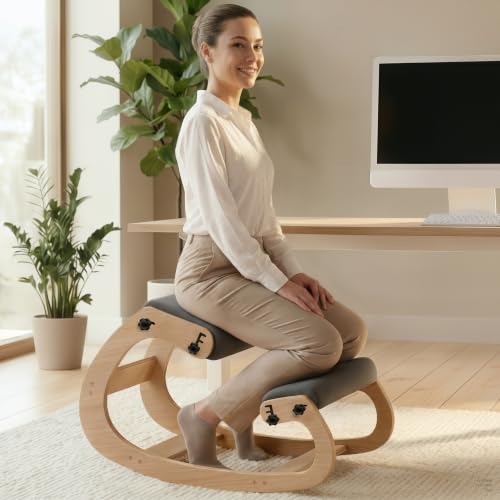
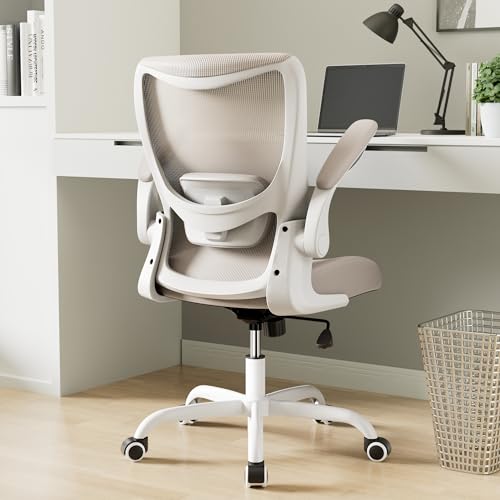


Types of Chairs Compared
Chair types differ less in how they look than in how they support you through a full day. Budget models cover the basics with limited adjustments, premium and executive models add padding, size, and finish, and ergonomic models focus on adjustments that shape the chair around your body. Compare each type against the product table above.
Budget Models
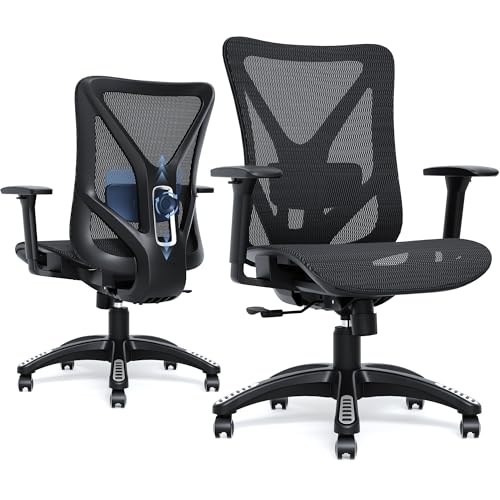
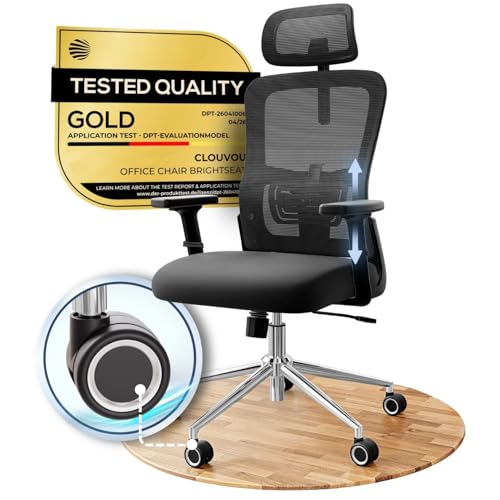
Budget models usually give you a padded or mesh seat, a simple gas lift for height, and a basic tilt function with few other adjustments. Many have fixed armrests and a fixed lumbar curve, so support depends on whether the factory shape happens to match your back. Prices are often under $150, which suits a spare room, a student desk, or occasional use.
The tradeoff shows up during long sessions. Foam tends to be thinner, weight capacity is often lower, and casters and lifts wear sooner than on costlier chairs. If you sit for only a few hours at a time and the fixed shape fits you well, a budget model can feel fine.
Premium and Executive Models
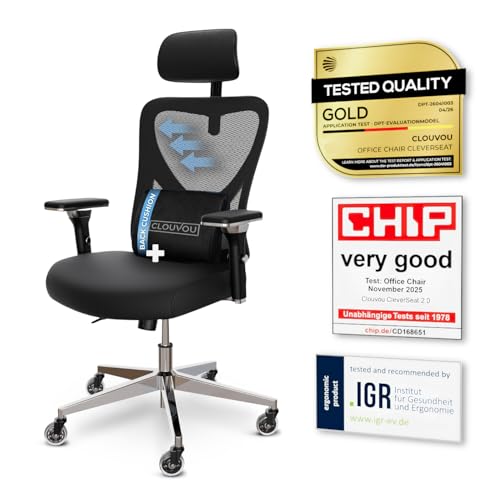
Premium and executive models are built larger, with wider seats, taller backs, and thicker cushions in finishes such as bonded leather or dense fabric over high density foam. They suit bigger frames and formal rooms, and many people choose them for a manager office look. If that setting sounds like yours, see our guide to the best officer chairs for sizing and finish advice.
Plush padding alone does not guarantee good posture support. Many executive chairs have limited lumbar adjustment and armrests that move only up and down, so a tall or short user can still end up reaching or slouching. You pay for size, materials, and appearance as much as for support, so check the adjustment list carefully before you buy.
Ergonomic Models
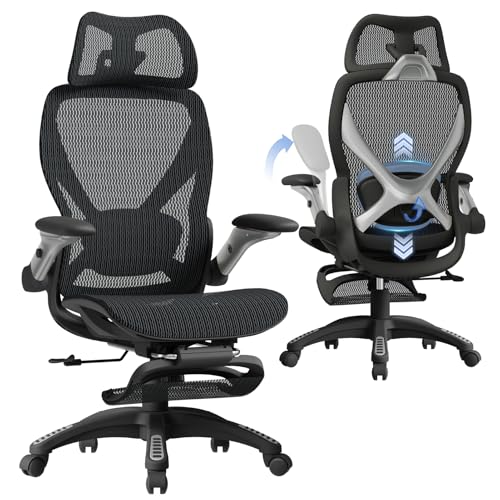
Ergonomic models put adjustability first. A typical ergonomic chair lets you change seat height and depth, backrest angle, and lumbar support height or depth, plus armrest position, so the chair adapts to you instead of the other way around. A mesh back is common because it flexes with your spine and lets air move during long computer sessions.
This type rewards a few minutes of careful setup, because a chair left at its factory settings can feel no better than a basic one. Readers who spend most of the day at a screen can also see our guide to the best computer chairs for posture for screen height and desk advice. For most full time desk workers, this type supports posture best.
Budget Models Versus Premium and Executive Models: Which Should You Choose?
Start with hours of use, because a budget chair used for two hours a day asks far less of its foam, lift, and frame than a premium chair used for ten. Next, compare adjustability, since a low cost chair with adjustable lumbar support can fit your back better than a costly chair with a fixed curve. Then weigh warranty length, because a chair you replace twice costs more than one solid chair.
Comfort feel differs too. Budget cushions often feel firm at first and soften fast, while premium cushions feel plush right away but can let you sink into a slouched shape if the backrest gives little support. For shared workspaces, see our guide to the best work chairs for posture for points on sharing adjustments between users.
How to Choose the Right Chair
The right choice comes from matching measurements and features to your body, not from picking the largest or softest chair in the list. The factors below will help you judge the best chairs for your posture without relying on looks or price alone. Work through them in order, and use the product table above to check each candidate. For a wider starting point, see our guide to the best chairs for posture as well.
Features That Matter for Your Posture
Three features do most of the work for posture. Lumbar support should meet the inward curve of your lower back and hold it there without pushing you forward, and adjustable support does this far more reliably than a fixed bump. Seat depth should leave about two or three fingers of space between the seat edge and the back of your knees. A backrest reaching at least to your shoulder blades helps your upper back share the load.
Pay attention to warning signs as you shop and after you buy. New or worsening back pain, numbness or tingling in your legs, or pain that wakes you at night are reasons to talk with a doctor or physical therapist rather than to keep swapping chairs. A chair can support comfortable sitting, but it cannot treat a medical problem, so discuss personal needs with your clinician if pain persists.
Build Quality and Frame
The frame decides how long the support you paid for actually lasts. A steel or reinforced nylon base with five casters spreads your weight and resists tipping, while a class 4 gas lift is the sturdier lift grade found on better chairs. Check the stated weight capacity and choose a chair rated comfortably above your weight, since running a chair near its limit speeds up wear on the lift, base, and foam.
Small details reveal build quality quickly. Casters should roll without wobbling, the lift should rise smoothly without jerking, and bolts should seat firmly without stripping. A chair that rocks side to side on a flat floor or creaks under normal shifting often has loose tolerances that will only grow worse.
Materials and Upholstery
Each covering trades comfort, cooling, and upkeep differently. A mesh back breathes well and flexes with your back, which suits warm rooms, though mesh seats can feel firm to lighter users. Fabric feels soft in any season but holds dust and stains more than other options. Leather wipes clean and looks formal, yet it can feel warm in summer and lower grades may crack within a few years. Whatever the cover, firm foam that holds its shape supports you far longer than soft foam that packs down.
Warranty and Return Policy
Warranties on chairs are split by part, so read them by part rather than by headline. Frame and base coverage of five years or more is a good sign, while lifts, casters, and upholstery often carry shorter terms of one or two years. A long frame warranty with a very short lift warranty still leaves you paying for the part most likely to fail first.
Return terms matter because posture fit is personal and hard to judge from photos. A trial window of at least 30 days lets you notice pressure points a quick showroom sit would miss. Keep the box until you are sure, and confirm who pays for return shipping, since a bulky chair can be costly to send back.
Ergonomics and Adjustability
Adjustability turns a decent chair into the right chair for your body. Seat height should let your feet rest flat on the floor with your knees near a right angle, and adjustable armrests should support your forearms without lifting your shoulders. A tilt lock lets you fix the backrest at a slight recline, and a recline of about 100 to 110 degrees eases pressure on your lower back.
Set the chair in a fixed order so each step builds on the last. Set the seat height first, then position lumbar support against your lower back, then adjust the armrests, and only then choose your tilt angle. If you mainly work at a single desk, see our guide to the best desk chairs for posture for desk height and monitor tips.
Chairs for Specific Needs
Most posture advice assumes a formal office, yet many people sit at kitchen tables, spare room desks, and shared family spaces. Your room changes what matters, from chair size and caster type to how the chair looks beside other furniture. The guidance below focuses on the home setting, where one chair often serves work, study, and relaxing in the same week.
Best Home Chairs for Posture
When you shop the best home chairs for posture, three home specific points stand out. First, measure your doorway, desk clearance, and floor type, since hard floors need softer casters and thick rugs need larger wheels. Second, favor a chair that looks at home outside an office, with fabric or wood tone finishes. Third, pick adjustments you can reset quickly, because family members of different sizes may share the chair.
A compact ergonomic model often fits this role best, since it gives real lumbar support without the bulk of an executive chair. Homes also mean more dust and spills, so a cover you can wipe or vacuum in minutes will stay pleasant far longer than a delicate finish.
How to Make Your Chair Last Longer
Simple habits protect the parts that wear out first. Keep your seat height set so your feet rest flat, which reduces the twisting that strains the lift as you sit and stand. Tighten the base and armrest bolts every few months, since small looseness grows into wobble. Vacuum or wipe the upholstery regularly, following the care notes for your material.
- Roll casters over a chair mat on thick carpet to reduce drag and strain on the base.
- Keep the chair out of direct sunlight for long periods to slow fading and cracking.
- Avoid sitting on the front edge only, which wears the front foam faster than the rest.
- Replace worn casters promptly so the base stays level and stable.
Listen for early signs of wear. A lift that slowly sinks, a backrest that will not hold its angle, or foam that stays compressed after you stand all point to parts near the end of their life. Lifts and casters can often be replaced on their own for far less than a new chair. If the frame itself cracks or bends, replace the chair, because a failed frame is a safety risk.
FAQs
What features matter most in chairs for your posture?
Adjustable lumbar support, correct seat depth, and a backrest tall enough to support your shoulder blades matter most in chairs for your posture. Together they keep your spine in its natural curve without forcing you to hold the position with muscle effort alone. One extra point worth checking is the seat edge shape. A gently curved front edge reduces pressure under your thighs during long sits.
What features matter most in a posture chair for long hours of sitting?
For long hours, a posture chair needs firm and even seat foam, breathable materials, and a tilt function you can lock at a slight recline. These features spread pressure, limit heat buildup, and let you shift position without standing every few minutes. Standing and walking briefly each hour still matters just as much as the chair itself, so pair good support with regular movement breaks.
Is an expensive posture chair worth the cost?
An expensive posture chair is worth the cost only when the extra money buys adjustments, stronger parts, and longer warranty coverage that fit your needs. Paying more for thicker padding or a famous finish alone rarely improves posture. A useful test is cost per year. A chair at around $400 with five years of coverage can cost less per year than one at around $150 replaced every two years.
How long should a good posture chair last?
A good posture chair should last about five to ten years with daily use, depending on build quality, your weight, and how well you maintain it. Budget models often land at the lower end of that range, while chairs with steel frames and replaceable lifts reach the upper end. Foam usually wears out before the frame does. If the structure stays solid but comfort fades, new foam can extend chair life.
How do you choose the right size posture chair?
You choose the right size posture chair by matching three measurements to your body: seat width wider than your hips, seat depth slightly shorter than your thigh length, and backrest height reaching at least your shoulder blades. Measure yourself while wearing the shoes you normally sit in, since footwear changes the seat height you need. If you fall between sizes, pick the larger width but the shorter depth.
The Bottom Line
Type, fit, and adjustability are the three decisions that matter most. Budget models serve light use, premium and executive models add size and finish, and ergonomic models give you the control that posture support depends on. Use the product table above to compare your shortlist against the lumbar support, seat depth, weight capacity, and warranty points covered here.
Take your time with measurements, set the chair up in the order described earlier, and give your body a week to judge the fit during real workdays. Chosen with care, the best chairs for your posture will support comfortable and upright sitting through years of work, study, and time at home. Prices and availability can change, so check the product page before ordering.