
Best Chairs for Your Back Living Room: Support, Sizes, and Styles for 2026
Disclosure: We may earn a commission when you buy through links on this page, at no extra cost to you. As an Amazon Associate I earn from qualifying purchases. Learn more
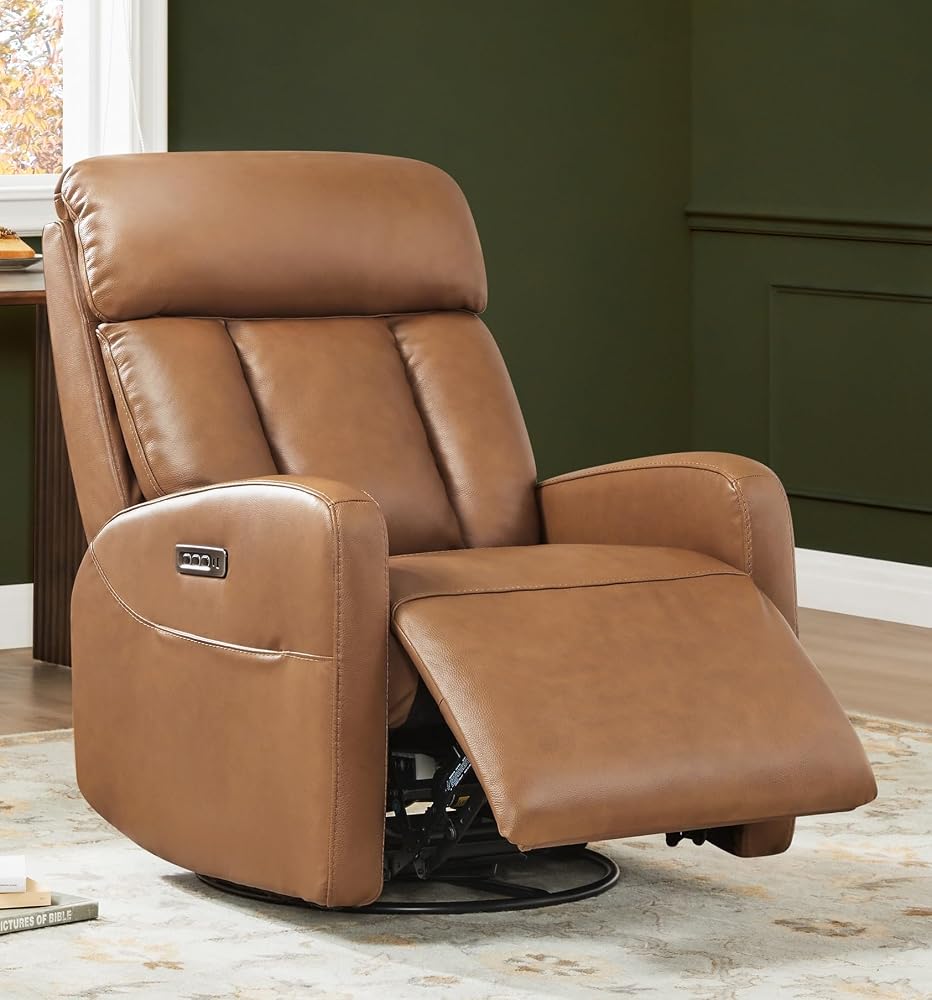
Compare the best chairs for your back living room by lumbar support, seat depth, and cushion firmness, and learn how to pick a size that fits your body well.
A living room chair asks more of your back than almost any other seat in the house. You might read in it for twenty minutes, watch a full movie, nap on a Sunday afternoon, or talk with guests for hours, and each of those uses loads your spine in a different way. That is why there is no single winner among the best chairs for your back living room shoppers can choose from. The right chair is the one that matches how you actually sit, how long you stay seated, and how much support your lower back needs.
This guide walks through the decisions in the order that matters: who the chair is for, the support features worth comparing, the sizing checks most people skip, and the care habits that keep a cushion supportive for years. Use the comparison table below to line up the options side by side, then read the sections that match your situation.





Who Should Buy Which Chairs?
Start with the person and the routine, not the fabric or the price. A chair that feels wonderful for a quick morning coffee can leave you stiff after a long film, and a chair built for tall readers can swallow a shorter guest. The groups below cover the most common living room situations, and each one points to a different set of priorities.
For People Who Want the Best Performance
If you sit for long stretches and want the strongest support you can get, look toward premium and executive models with structured frames, firm high density foam, and a backrest shaped to hold the natural curve of your lower spine. Adjustable features matter most at this level: a recline you can set and hold, armrests that move to meet your arms, and a seat depth that suits your leg length. You pay more, but you gain a chair that still feels supportive after years of daily use rather than one that sags within a season.
For Readers With an Aching or Sensitive Back
If your back already complains after an hour on the sofa, support comes before style. Prioritize a backrest that reaches at least to your shoulder blades, a seat that keeps your hips level with or slightly above your knees, and cushioning that feels firm at first rather than plush. A separate lumbar pillow can help, but a backrest with built in lumbar support usually holds its shape better over a long evening. If ongoing pain is part of your life, our guide to the best living room chairs for back pain goes deeper on daily comfort strategies.
For Gift Shoppers
Buying a supportive chair for someone else is generous but tricky, since comfort depends on body size and habits you may not know well. Choose a middle path: a seat height near the common range, a medium firm cushion, and a backrest tall enough for most adults. Neutral colors blend into more rooms, and a clear warranty plus an easy return policy protect you if the fit is wrong. Avoid very deep seats and very low lounge styles, because both are love or hate choices that are hard to predict for another person.
For First Time Buyers
If this is your first supportive living room chair, keep the decision simple. A classic armchair shape with a firm seat, a backrest that supports your lower back, and armrests at a comfortable height covers most needs without a long feature list to decode. Measure your space and your doorway before ordering, sit in similar chairs at a store if you can, and favor models with clear assembly instructions. You can always add a footrest or a small lumbar cushion later once you learn how you like to sit.
For Value Seekers
Budget models can support your back well if you spend on the right things. Put your money into the seat cushion and the frame, since those decide how the chair feels in year three, and accept simpler fabrics and fewer adjustments. A fixed backrest with a good shape often beats a cheap recline mechanism that loosens over time. Check the stated weight capacity and choose a chair rated comfortably above your weight, because a frame working near its limit flexes more and wears faster.
Key Features to Compare
The product table above lists the headline specs, but specs only help when you know what each one changes in daily use. The factors below translate the numbers into sitting experience, so you can weigh a taller backrest against a deeper seat and decide which trade off favors your back. One caution before you shop: a chair can improve posture and comfort, but it cannot treat a medical condition. Pain that travels down a leg, numbness or weakness in a leg or foot, or any change in bladder or bowel control needs prompt medical care, and persistent back pain deserves a conversation with your clinician about what your body needs.
Support Features That Matter Most
Lumbar support is the headline feature, and its job is to fill the small inward curve above your belt line so your lower back muscles can relax instead of holding you upright. Fixed support molded into the backrest suits most people, while an adjustable pad or pillow helps if you share the chair with someone of a different build. Also check the backrest height: mid back designs support the lower spine only, while tall backrests add shoulder and head support for reclining. If tall support appeals to you, see our guide to the best high back living room chairs for the trade offs in room presence and headroom.
Style and Room Fit
A supportive chair still has to live in your room. Measure the footprint, then leave walking space around it, because a chair you have to squeeze past will annoy you daily. Swivel and glider bases help in conversation areas where you turn toward other seats, while fixed legs suit a quiet reading corner. Match the visual weight of the chair to the room: slim arms and raised legs feel lighter in a small space, and broad cushioned arms anchor a large open plan room. For a wider look at shapes and layouts, browse our overview of the best living room chairs after you settle your support needs.
Materials and Upholstery
Upholstery changes both comfort and upkeep. A mesh back breathes well and suits warm rooms or anyone who runs hot, though mesh offers a firmer, more suspended feel that not everyone loves for lounging. Fabric gives a soft, grippy surface that keeps you from sliding forward, which quietly helps posture. Leather and faux leather wipe clean and look sharp, but they can feel warm in summer and may encourage slipping on a deep seat. Under the cover, a solid wood or metal frame outlasts one built mainly from MDF panels, especially at the joints that carry your weight as you sit down and stand up.
Ergonomics and Adjustability
Ergonomic design in a living room chair is quieter than in an office chair, but the same principles apply. Seat height should let your feet rest flat with your knees near a right angle. Seat depth should leave a small gap behind your knees so the edge never presses into your calves. On reclining models, a tilt lock lets you hold a chosen angle instead of fighting spring tension with your legs, which keeps your back relaxed. Adjustable armrests help your shoulders drop, and even fixed arms should sit low enough that you never shrug to use them. Readers comparing dedicated support designs can also see our guide to the best chairs for your back.
Comfort and Cushioning
Cushion feel misleads many buyers, because the softest chair in a showroom often becomes the most tiring at home. High density foam holds its shape under your weight, spreading pressure across your hips instead of letting you sink to the frame. A medium firm seat with a softer top layer gives the best mix for most people: welcoming when you sit down, still supportive two hours later. If you tend to shift and fidget, a slightly wider seat with room to change position beats a narrow sculpted one. Shoppers who already manage a diagnosed condition may want the extra detail in our guide to the best living room chairs for bad backs.
Common Mistakes to Avoid When Buying Chairs
- Choosing by price or looks alone, because a pretty chair with a flat backrest leaves your lower back unsupported every single evening.
- Buying a seat that is too deep for your legs, because you end up perched on the edge or slumped back with your feet dangling.
- Ignoring the stated weight capacity, because an overloaded frame loosens, creaks, and lets the cushion bottom out sooner.
- Skipping the doorway and hallway measurements, because a fully assembled armchair that cannot enter the room helps no one.
- Assuming a soft showroom cushion means comfort, because very soft foam often loses support fastest during long sits.
- Forgetting to check the warranty and return terms, because fit is personal and a chair you cannot return is a costly guess.
Setup and Care Tips
Assembly sets the tone for the chair's whole life. Tighten every bolt snugly, then recheck them after the first week of use, because new joints settle as the frame takes weight. Set the chair on a level floor so it never rocks, and if it reclines, test the full range of motion before pushing it against a wall so the backrest clears the paint. Adjust seat height on models that allow it so your feet rest flat, and position a footrest only if your lower legs can rest without lifting your knees too high.
Care is mostly small habits done often. Vacuum fabric weekly with an upholstery tool so grit never grinds into the fibers, and wipe leather or faux leather with a slightly damp cloth before dust turns sticky. Rotate or flip loose cushions every few weeks so the foam wears evenly on both sides. Keep the chair out of harsh direct sun, which fades fabric and dries out leather. Every few months, tip the chair gently and tighten the leg and arm bolts again, since a wobble left alone strains the frame joints.
Frequently Asked Questions
What features matter most in a living room chair for back support?
Lumbar support, seat depth, and cushion firmness matter most in a living room chair for back support. Together they decide whether your lower spine stays in its natural curve and whether your hips carry weight evenly. After those three, check backrest height and arm position. One extra point many guides skip: the front edge of the seat should slope down slightly, often called a waterfall edge, so it never presses into the backs of your thighs during long sits.
How do I choose the right size living room chair for my back?
Choose the size by measuring your own body first, then matching the chair to those numbers. Sit against a wall and measure from the wall to the back of your knees; the seat depth should be a little less than that. Your feet should rest flat at the listed seat height. A practical trick: if two sizes seem close, the one that keeps your hips level with your knees usually supports your back better than the deeper lounge option.
Which chair features help most during long hours of sitting in the living room?
A tilt lock, firm high density foam, and a backrest tall enough for your shoulders help most during long hours of sitting. They let you settle into a reclined angle without muscle effort and keep the cushion supportive late in the evening. Breathable upholstery such as a mesh back also helps on long movie nights. Whatever you choose, stand up and walk for a few minutes every hour or so, because no chair fully replaces movement.
Is an expensive living room chair for back support worth the money?
An expensive chair is worth it when the extra cost buys a stronger frame, denser foam, and adjustments you will actually use. Premium and executive models often hold their support for many years, while very cheap cushions can soften within months. That said, price alone proves nothing: a mid priced chair with the right seat depth for your legs will serve your back better than a costly one that fits you poorly. Spend on fit first, then on durability.
How long should a good living room chair for back support last?
A good living room chair for back support should last about seven to ten years of regular use. The frame usually outlives the cushion, so expect the seat to feel less supportive first. You can extend that span by rotating cushions and keeping bolts tight, as covered in the care section above. A useful early warning sign is new morning stiffness after evenings in the chair, which often means the foam has compressed and stopped doing its job.
The Bottom Line
Support comes down to three checks: a backrest that fills the curve of your lower back, a seat depth and height that match your legs, and foam firm enough to hold you for hours. Match those to your main use, whether that is reading, films, conversation, or rest, and the style choices get much easier. Compare your shortlist against the product table above, measure your space and your body once more, and you will land on one of the best chairs for your back living room options with confidence. Prices and availability can change, so check the product page before ordering.


