Best Camp Chairs for Bad Backs: Buying Guide for 2026
Disclosure: We may earn a commission when you buy through links on this page, at no extra cost to you. As an Amazon Associate I earn from qualifying purchases. Learn more

Compare camp chairs for bad backs by lumbar support, seat height and frame strength, with sizing tips and care advice to help you sit longer outdoors.
Sitting outdoors should not leave you stiff for the rest of the day. Many camp chairs sit low, sag in the middle and offer nothing to support your lower back, so a relaxed evening can end with an awkward climb to your feet. The best camp chairs for bad backs solve those problems with a higher seat, a shaped back and firm support. Use the comparison table below to check height, support and folded size.
This guide asks how a chair treats a sore back away from home. You will learn which seat shapes keep your posture upright, which features only add weight, and how to test a chair before a weekend trip.



Who Should Buy Camp Chairs Built for Bad Backs?
Start with the way your back complains, not with color or price. A camper who stiffens in a low seat needs a different chair from one who mainly struggles to stand up again.
Campers Whose Lower Backs Stiffen in Low Seats
You do well at a table but ache in a deep, low camp seat. Choose an upright model with a seat about 18 to 20 inches high and a back that meets your lower back instead of curving away from it. A firm base matters, because a soft sling lets your hips sink below your knees and forces your lower back to round.
Older Campers Who Need Help Standing Up Again
Your main test is the exit, not the first sit. Choose solid arms you can push down on with both hands, a seat that stays level as you shift forward, and a frame that does not rock on grass. Avoid light chairs with fabric arms, because they give you nothing firm to press when your knees and back already work hard.
Long Sitting Campers at Fires, Lakes and Sidelines
You may sit for two hours or more while you fish, watch a game or talk by the fire. Choose a taller back that supports your shoulders, padding that stays firm, and a slight recline you can change to shift position.
Key Features to Compare
Compare support before extras, since a cup holder cannot fix a sagging seat. If your pain is new, getting worse, follows a fall, or comes with leg weakness, numbness in both legs, fever, or loss of bladder or bowel control, see a doctor promptly rather than shopping for a chair. Talk with your clinician about what sitting position suits your personal needs.
Lumbar Support That Holds Your Lower Back
Good lumbar support fills the small curve above your hips so your back can rest upright. Look for a shaped panel, a firm band across the lower back, or an adjustable strap that moves support up or down by an inch or two. Flat fabric cannot do this work, because it stretches away under your weight. If you also sit for work, see our guide to the best office chairs for bad backs, but judge camp models outdoors.
Seat Height and Seat Depth for Easier Standing
Seat height decides how hard your back and knees work each time you stand. Most supportive camp chairs sit about 18 to 21 inches high, and your feet should rest flat with your knees near level with your hips. Depth matters too, because a very deep seat pushes you to slouch or perch on the edge. A depth of about 18 to 20 inches suits most adults.
Firm Padding and a Seat Base That Does Not Sag
A supportive seat feels firm at first and stays firm after an hour. High density foam over a solid base holds your hips level, while thin fabric between rails dips in the middle and tilts your pelvis back. That tilt rounds the lower back, so a chair can feel fine for ten minutes and poor after dinner. Press the center hard, and reject a base you can push down several inches.
Back Height, Recline Angle and Mesh Ventilation
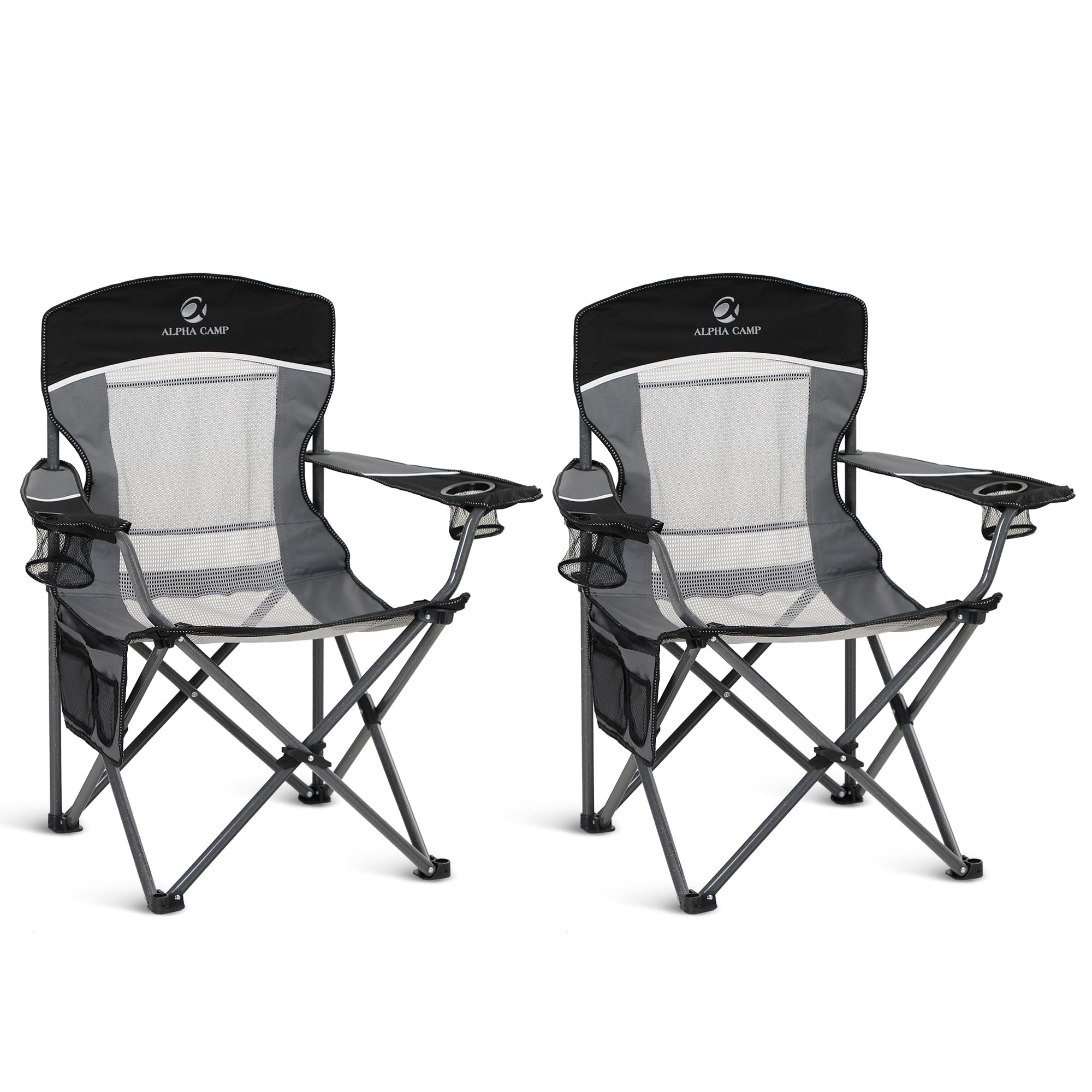
A taller back spreads support to your shoulders, which helps when you sit upright for meals and conversation. A gentle recline suits reading, but a deep lounge angle pulls most sitters into a slouch, so choose a modest angle you can leave easily. A mesh back panel lets air move on warm nights and dries faster after dew. Solid fabric feels warmer in wind, but can feel hot on summer afternoons.
Firm Armrests, Frame Strength and Weight Capacity
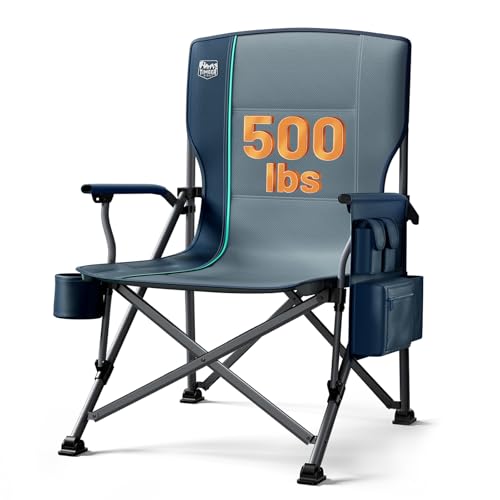
Armrests are a standing aid first and a resting place second. Firm, wide arms let you push up with your arms sharing the load, and adjustable armrests on some models let you set that height for your shoulders. Check the stated weight capacity and stay well under it, because a frame near its limit flexes more on uneven ground. Steel frames feel solid and cost less, while aluminum frames weigh less and resist rust.
Types of Camp Chairs for Bad Backs Compared
When you shop for best camp chairs for bad backs by type rather than by brand, the trade offs become clearer. Each type favors a different mix of posture, weight and price.
Upright High Back Models for Strong Posture Support
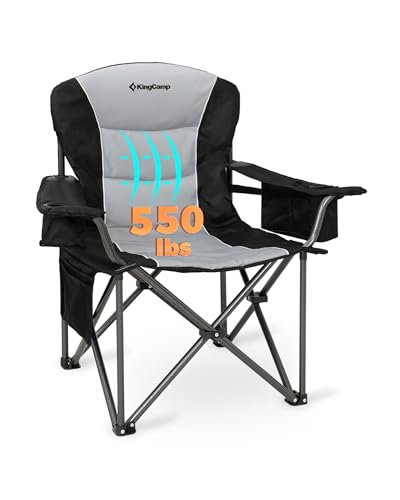
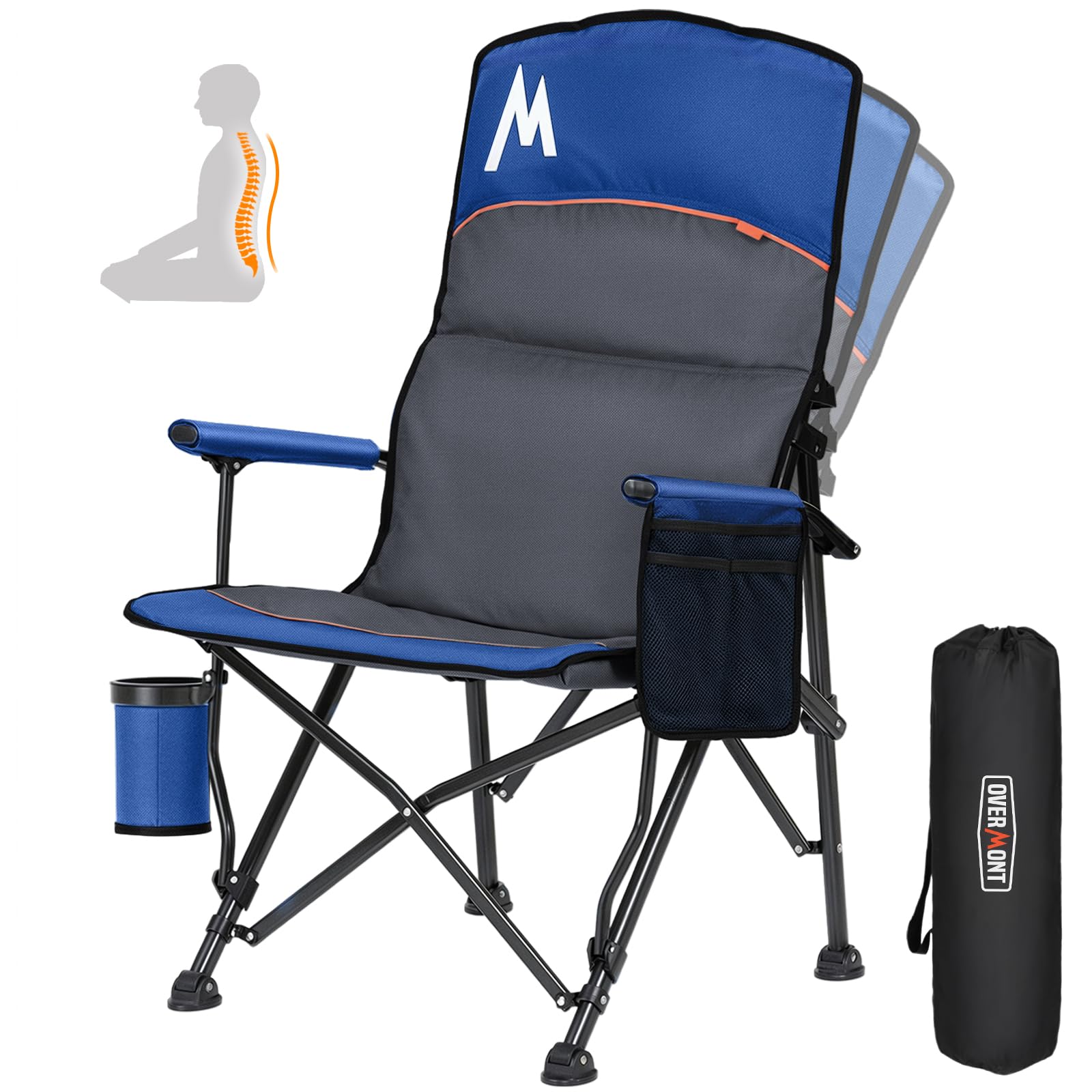
These chairs hold you tall, with a high back, a firm seat and arms built for pushing up. They suit campers who eat, read and talk at camp and want support the whole time. Premium models here add thicker foam and stronger frames, and cost about $90 to $180. They weigh more, so they suit car camping best.
Padded Lounge Models for Short Relaxed Sits
Lounge models lean you back and spread your weight, which can feel restful for a short rest. Use them with care, because the soft seat and deep angle make upright posture hard to keep. For indoor lounging instead, see our guide to the best recliner chairs for bad backs, and for a broader overview, see our guide to the best chairs for bad backs.
Compact Lightweight Models for Short Walks and Small Cars
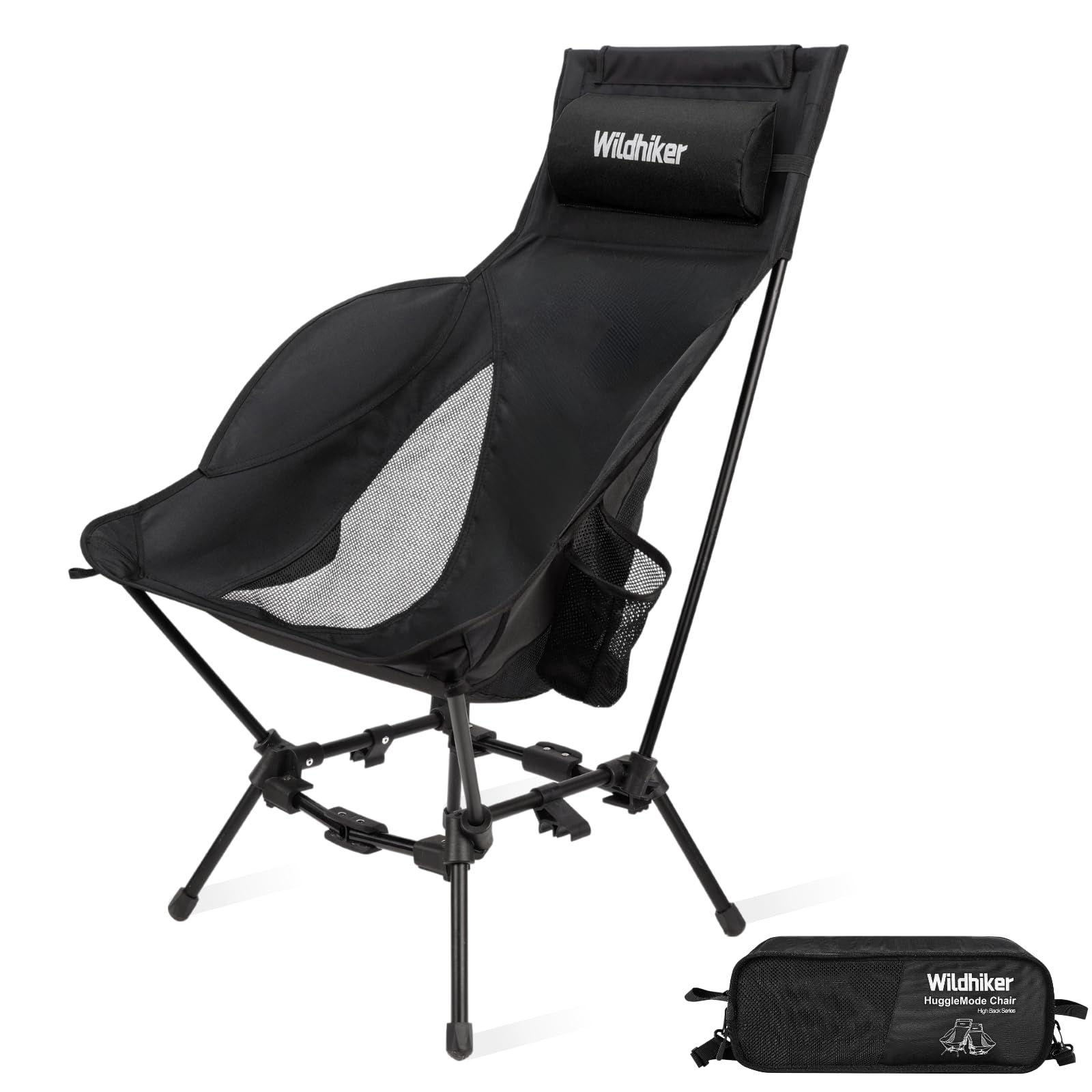
Compact models fold small and often weigh about 6 to 9 pounds, which matters when a sore back makes lifting awkward. Budget models here cost about $40 to $80, but check seat height first, because many compact chairs sit low. If your trips center on sand, see our guide to the best beach chairs for bad backs for chairs built for shorelines.
Common Mistakes to Avoid
These errors are easy to make in a store and hard to forgive at a campsite.
- Buying a low lounge chair for long sits leaves your hips below your knees and your lower back rounded for hours.
- Choosing soft fabric arms removes the firm push point you need to stand on uneven ground.
- Ignoring the stated weight capacity lets the frame flex and the seat sag early.
- Picking a heavy chair can strain your back before you even sit down.
- Trying a chair for only a few seconds hides sag that appears after twenty minutes.
Setup and Care Tips for Camp Chairs
Set the chair on the firmest, most level patch you can find, and press each foot down before you sit. On soft ground, turn the chair until all four feet share the load, because a rocking frame makes your back muscles work to keep you balanced. Sit slowly, shift your hips to the back of the seat, and place your feet flat.
After a trip, open the chair fully and let fabric and foam dry in shade before you fold it away. Brush grit from joints, wipe the frame, and check rivets and cross bars for looseness or cracks. Store it indoors out of direct sun, because heat and light age fabric and foam. Stop using a chair with a bent leg or torn seat seam.
FAQ
What features matter most in camp chairs for bad backs?
The features that matter most are lumbar support, a seat height that lets your feet rest flat, and a firm seat base. After those three, check how the chair handles damp ground, because a chair that dries slowly often stays home. A carry handle at the balance point also helps you carry it without twisting.
What camp chair seat height suits a bad back?
Choose a camp chair seat height that lets you stand in one smooth move during a store test. Sit, place both hands on the arms, lean forward a little, and stand without rocking. If you need two or three attempts, the seat is too low or too deep. Test in the shoes you camp in for a truer result.
Can a reclining camp chair hurt a bad back?
A reclining camp chair can help for short rests, but it can hurt during long sits if the angle is deep and the seat is soft. A modest recline with firm lower back support lets you change position without slouching. Stand and walk for a few minutes each half hour, because position changes often matter more than any single perfect angle.
Is an expensive camp chair for bad backs worth the extra cost?
An expensive camp chair is worth the cost only when the extra money buys support you can feel, such as a shaped back panel, thicker foam or a stronger frame. Price alone proves nothing, and some costly chairs spend the budget on coolers and trays. Spend first on height and support, then decide whether extras earn their added weight.
How long should a supportive camp chair last with regular camping use?
A supportive camp chair used on regular weekend trips often lasts about three to five seasons before foam softens or fabric fades. The seat base usually ages first, so sit in the chair at the start of each season and check whether your hips still stay level. Storing it dry and indoors helps you reach the longer end of that range.
Final Thoughts
Put height, lumbar support and a firm seat ahead of extras, and test the stand up move first. Match the type to your trip, upright for long sits, compact for short walks, and lounge styles only for brief rests. Use the product table above to confirm seat height, weight capacity and folded size.
Chosen with those checks, the best camp chairs for bad backs let you stay at the fire, the lake and the table longer, and stand up ready for the rest of your trip.