
Best Chairs for Therapy Office in 2026: Which Type Is Right for You?
Disclosure: We may earn a commission when you buy through links on this page, at no extra cost to you. As an Amazon Associate I earn from qualifying purchases. Learn more

Compare the best chairs for therapy office by type, from budget to premium, with clear guidance on cushioning, fit, cleaning, and lasting comfort.
If you furnish a therapy room, you quickly learn that one chair has to do two jobs at once. It must support you through a full day of listening, and it must help a client feel settled within the first minute. The best chairs for therapy office setups balance support, calm looks, quiet movement, and easy cleaning. This guide compares chair types side by side so you can match each seat in the room to the person who will use it most.
You will usually buy for two roles, your own chair and the client chair, and the right answer is often different for each. Use the comparison table below as a quick map of types, price bands, and strengths. Then read the sections that follow for the fit details, the trade offs, and the small features that matter in a quiet room where every squeak feels loud.

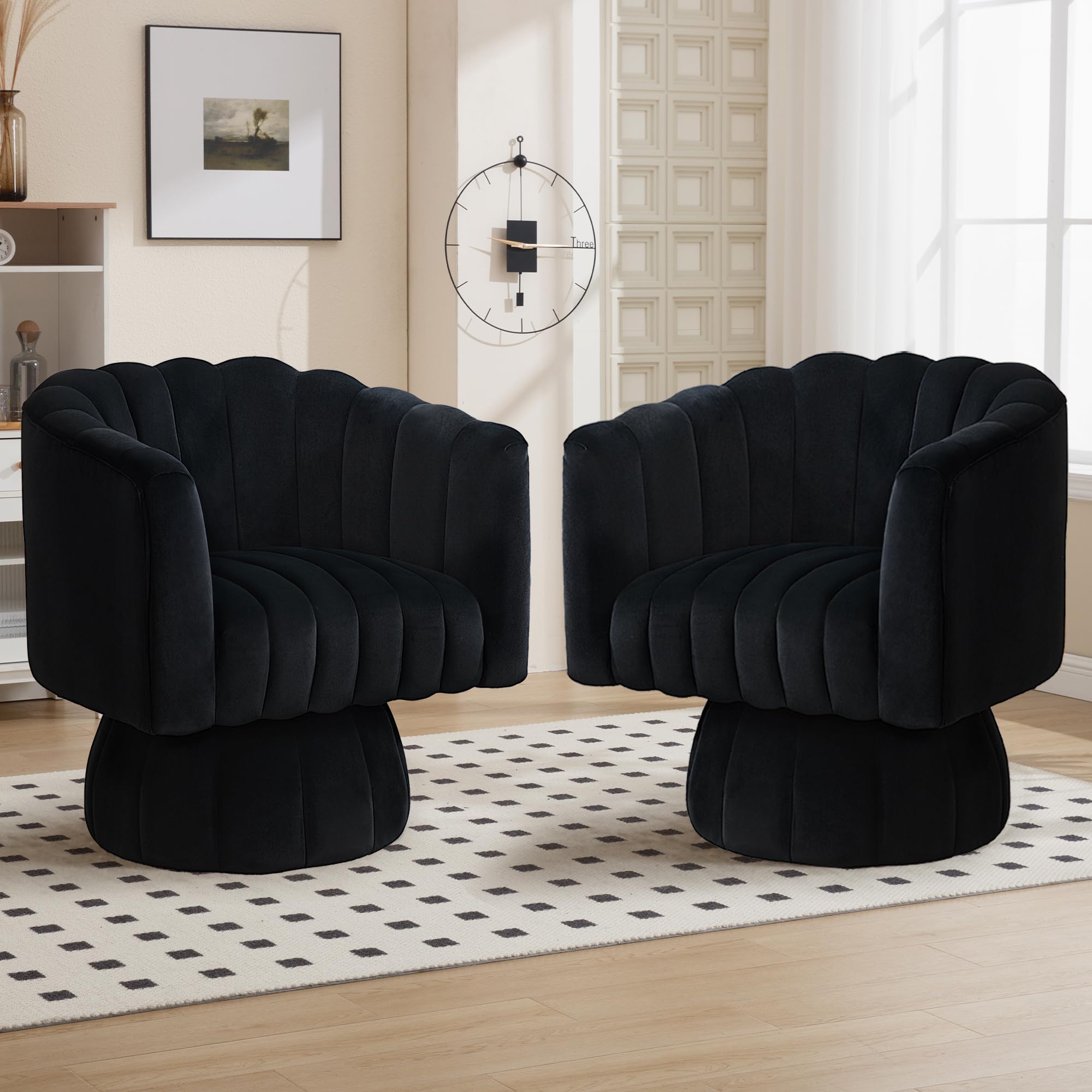

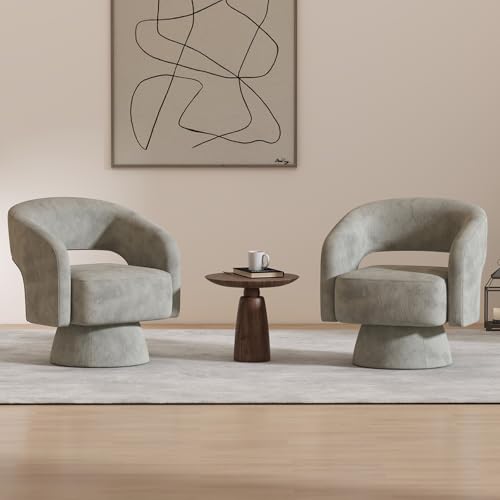

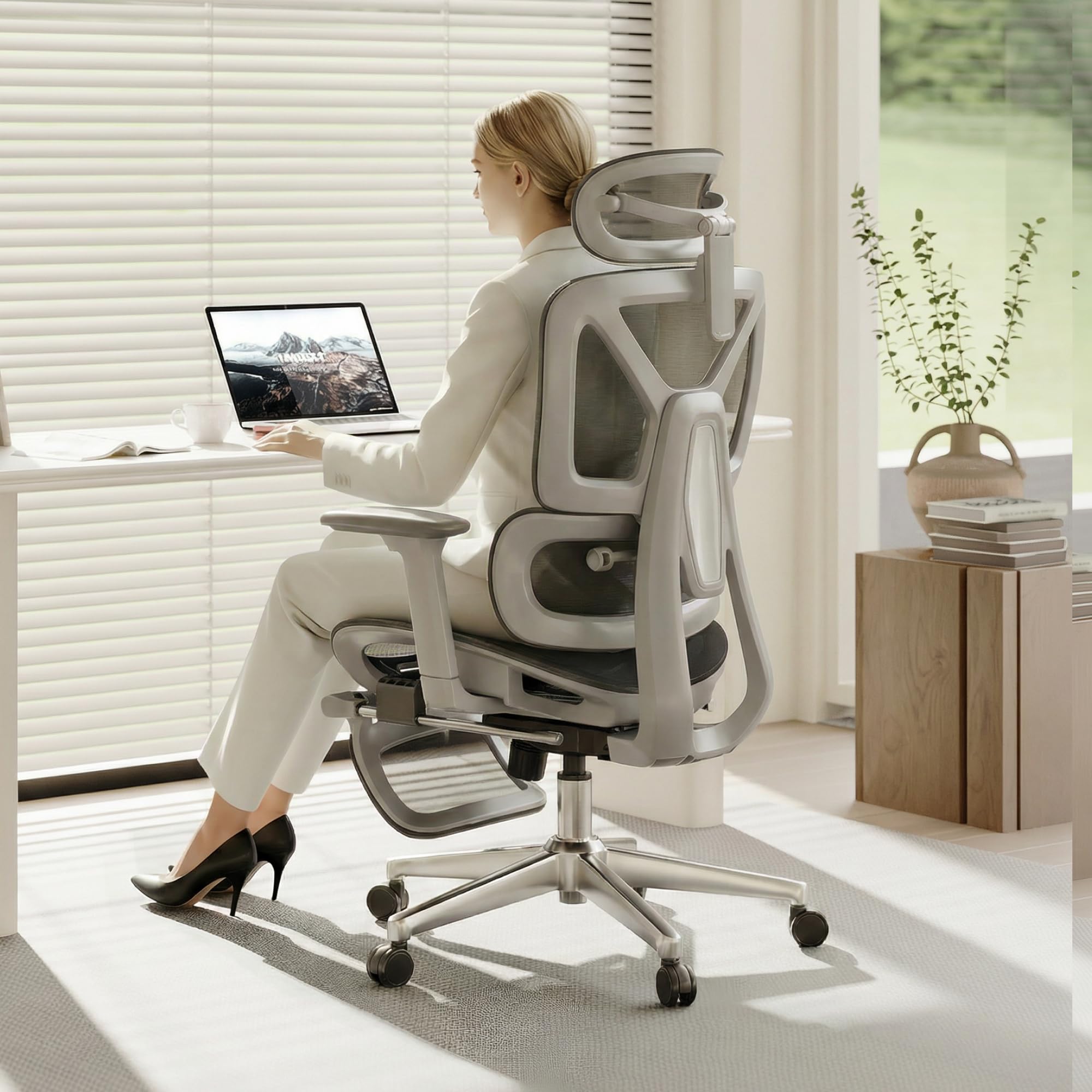
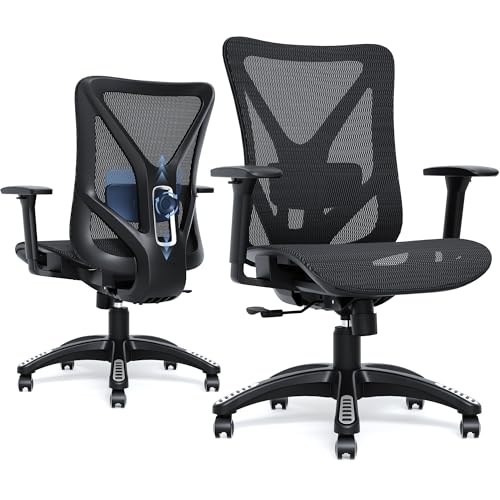
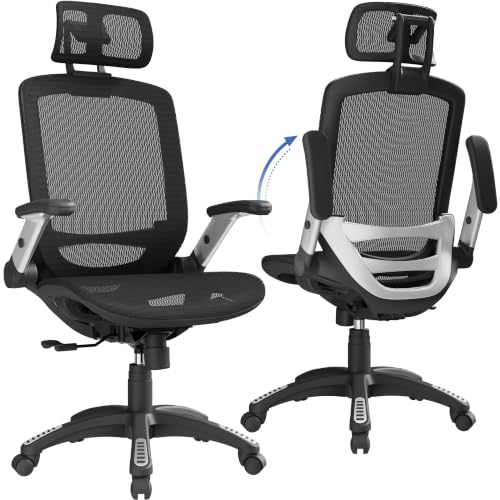

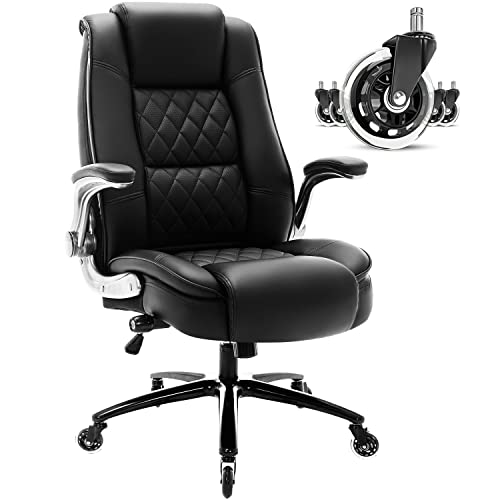
Types of Chairs Compared
Chairs for therapy office use fall into four broad types, and the price gap between them mostly buys adjustability, denser cushioning, and stronger parts. No type is right for every seat in the room. Many practices pair an ergonomic model at the therapist spot with a simpler and steadier chair for clients. As you read, check the product table above for current styles in each type, and note which features you would actually adjust each week.
Budget Models
Budget models are simple office chairs with basic foam padding, a fixed or lightly padded back, and limited adjustments beyond seat height. Prices often sit under $150, and many land around $100 for a straightforward design. They work well as client chairs or guest chairs, where the sitter stays for under an hour and never touches the controls. A plain look can also help a small practice feel calm rather than corporate.
The main trade off is cushion life. Thinner foam can feel fine at first and then pack down with daily use, so clients may shift around during longer sessions. If cost is the deciding factor right now, see our guide to the best office chairs affordable for ways to stretch a small furnishing budget. Choose a budget chair with a firm seat, a stable base, and upholstery you can wipe clean between appointments.
Ergonomic Models
Ergonomic models add the adjustments that matter during long sitting hours. Look for lumbar support that moves up and down, adjustable armrests, a tilt lock that holds a gentle recline, and a seat you can raise or lower to match your legs. A mesh back suits warm rooms and people who dislike feeling hot, while a padded back can look softer in a counseling setting. Either style can work well when the fit is right.
These chairs suit the therapist seat best, because you sit the longest and benefit from small changes in posture across the day. Expect to pay about $200 for a solid option with a metal base and a smooth recline, and about $450 at the top of this type. If you want to compare adjustment styles in more depth, see our guide to the best ergo office chairs before you decide which controls you truly need.
Compact Space Saving Models
Compact models use a smaller footprint, a narrower seat, and often a lower profile back. Some fold or stack, and others simply take up less floor space while still offering a padded seat. They help in small rooms where you need a client chair, a spare chair for a family member, and walking space around a rug and side table. A compact chair also leaves sight lines open, which can make a tight room feel less crowded.
The smaller scale is both the strength and the limit of this type. Check seat width with extra care, because a narrow chair can feel unwelcoming to larger clients. A compact design should still feel stable when a client shifts weight or uses the arms to stand. If a model feels unsteady during a simple sit test at home during the return window, send it back and size up.
Premium Executive Models
Premium and executive models focus on presence and padding. Expect thick cushions, tall backs, wide seats, and rich looking upholstery that reads more like lounge furniture than office gear. In a therapy room, that look can support a sense of privacy and calm, especially in practices that meet with couples or business clients. Prices commonly start around $400, and larger designs with richer materials can reach about $900.
The risks are heat and bulk. Deep padding can feel warm during long sessions, and a tall wide chair can crowd a modest room or block a doorway swing. Premium chairs also tend to be heavy, so moving them for cleaning takes real effort. Choose this type when the room is large enough and the look of the practice is part of what clients value.
Budget Models vs Ergonomic Models: Which Should You Choose?
These two types solve different problems. A budget chair keeps cost low and setup simple, but it gives you one fixed shape and foam that ages faster under daily use. An ergonomic chair costs more at the start, yet it lets you change seat height, back angle, and arm position as your body and caseload change through the week. For a seat used one hour a day, that flexibility may never pay off.
A practical rule is to spend first where the sitting hours are longest. Put the ergonomic chair at your seat, especially if you also write notes and handle scheduling at the same desk between sessions. In that mixed role, see our guide to the best office task chairs for chairs built around desk work. Then choose a simpler and steadier model for clients, who gain more from a firm seat and easy entry than from controls they will never use.
How to Choose the Right Chair
The type sets the budget, but fit decides whether a chair earns its place. Work through the five checks below for each seat in the room, and judge the client chair and your own chair separately. A feature that helps you for six hours may confuse a client who sits for one session and expects the chair to feel instantly familiar.
Comfort and Cushioning
Cushioning decides how a chair feels at minute forty of a session, not minute four. High density foam holds its shape longer and spreads pressure more evenly than soft low density foam, which can bottom out against the seat pan. A seat that feels plush in a quick sit can leave a client fidgeting by the end of a long conversation. Look for firm support with a soft top layer, and a front edge that curves down so it does not press behind the knees.
Ergonomics and Adjustability
Start with seat height, since it drives the rest of your posture. Your feet should rest flat, your knees near a right angle, and your hips level with or slightly above your knees. Lumbar support should meet the curve of your lower back without pushing you forward, and armrests should support your forearms without lifting your shoulders. For a deeper look at fit ranges and controls, see our guide to the best ergonomic office chair and compare the adjustment lists side by side.
Features That Matter for Therapy Office
Therapy rooms add needs that a normal office does not have. Quiet comes first, so favor chairs with smooth casters or fixed glides and joints that stay silent when a client shifts. Cleanability comes next, because upholstery should wipe down quickly between clients, and seams should not trap dust. Clients also arrive in many body sizes and mobility levels, so a stated weight capacity with a firm margin, often 250 to 300 pounds or more, protects both comfort and safety. Arms that help a client push up to stand matter more here than in most offices.
Build Quality and Frame
The parts you cannot see decide how long a chair stays quiet and stable. A steel or reinforced nylon base resists flex, and a class 4 gas lift is the stronger cylinder grade commonly used in chairs built for daily use. Check that the seat pan feels rigid, that caster stems sit tight in the base, and that bolts thread into metal inserts rather than bare plastic. A chair that rocks slightly from side to side when new will rarely improve with time.
Warranty and Return Policy
Warranty terms reveal what a maker expects to wear out first. Longer cover for the frame and cylinder, often five to ten years, matters more than a short promise on fabric. Because comfort is personal, a return window of at least thirty days lets you and a few clients sit through full sessions before you commit. Reading owner feedback helps too, so see our guide to the best reviewed office chairs for patterns in long term owner reports before you order.
Care and Maintenance Tips
Care for these chairs is simple, and most of it protects quiet and stability. Set the seat height so the main sitter rests with feet flat, then leave client chairs at a middle height that suits most people. Tighten the base and arm bolts every few months, since small looseness is the usual source of new squeaks and wobble.
Vacuum fabric seats each week and wipe vinyl or leather look surfaces with a damp cloth and mild soap, then dry them fully before the next client sits down. Keep casters free of hair and grit by turning the chair over once a month and clearing the wheels by hand. If a cylinder starts to sink, replace it rather than adding clamps or tape, which can damage the column and void the warranty.
Frequently Asked Questions
These answers cover the questions practice owners ask most often when they furnish a first room or replace worn seating. If you are comparing the best chairs for therapy office options for the first time, start with the size and cost answers below.
What features matter most in therapy office chairs?
Conversation balance matters most, a point buyers often miss. Choose therapist and client seats with similar seat heights, so neither person sits far above the other during a session. After that, prioritize a firm and quiet seat, arms that support standing up, and upholstery you can clean fast. Matching heights also keep eye contact natural, which supports the calm and equal tone most therapy rooms aim for.
What features matter most in therapy office chairs for long hours of sitting?
Change matters more than any single perfect position. A chair that lets you shift the tilt angle and arm height between clients helps your back and shoulders reset through the day. Stand, walk, and stretch during gaps instead of staying seated to write notes. Small posture changes across many sessions protect comfort far better than one ideal setting held for hours without a break.
How do I choose the right size therapy office chair?
Measure the sitter and the room together, not the chair alone. Seat depth should leave a small gap behind the knees, and seat width should allow a natural sitting posture without squeezing the hips. Then check the doorway, the rug edge, and the space a client needs to turn and sit down safely. A chair that fits the body but blocks movement in a small room is still the wrong size.
Is an expensive therapy office chair worth the cost?
It can be, when you spread the price across years of daily sessions. A costly chair that stays supportive for eight years often costs less per year than a cheap chair replaced three times. Ask whether replacement cushions and cylinders are sold for the model, since one fresh seat pad can extend useful life. If the chair will see only light guest use, that math rarely favors the premium end.
How long should a good therapy office chair last?
Daily use hours decide lifespan more than age alone. A chair used for one client a day can feel sound for a decade, while the same chair in a full practice may tire in half that time. Retire a chair when wobble returns soon after tightening, when the base cracks, or when the seat stays sunk after you stand. Foam that no longer rebounds overnight is another clear sign to replace it.
Wrapping Up
Start with the role of each seat, then match the type to the hours it will serve. Your own chair deserves the strongest case for adjustability and firm foam, while the client chair earns its place through stability, quiet, and easy cleaning. Shortlist two or three types, test each one through a full session at home during the return window, and compare your notes with the comparison table above. Chosen that way, the best chairs for therapy office seating supports both sides of the conversation, session after session.

