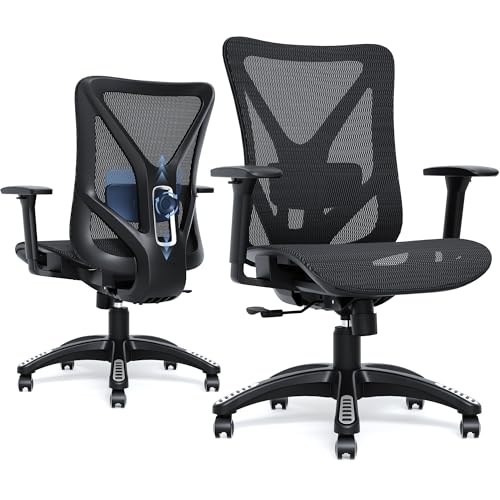
Best Chairs for Tall Guys: Matching the Right Model to Your Routine for 2026
Disclosure: We may earn a commission when you buy through links on this page, at no extra cost to you. As an Amazon Associate I earn from qualifying purchases. Learn more
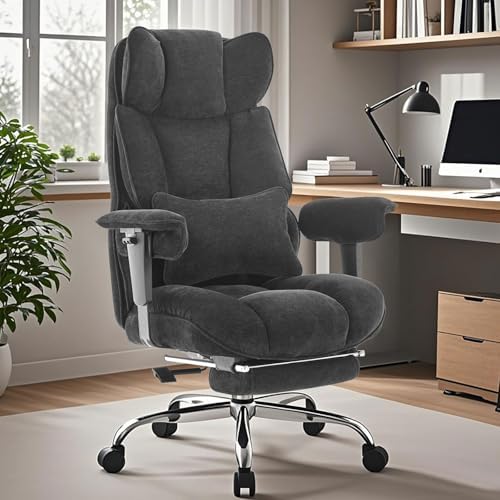
Tall buyers need extra seat height and a taller back. See how to choose the best chairs for tall guys by fit, depth, and adjustment range.
There is no single chair that suits every tall man, because a desk routine, a gaming routine, and a relaxed evening routine ask for different shapes of support. The right starting point is fit, and the best chairs for tall guys share a taller seat, a deeper cushion, and a back that reaches high enough to support your shoulders. Use the comparison table below to compare those basics first, then match details to your seated hours.
Standard chairs are often built around average leg length and torso height, so tall buyers feel the gaps first. Your knees may sit above your hips, your thighs may hang past the cushion edge, and the headrest may land at your neck. This guide walks through the measurements, adjustments, and materials that prevent those problems without pushing you toward features you will never use.


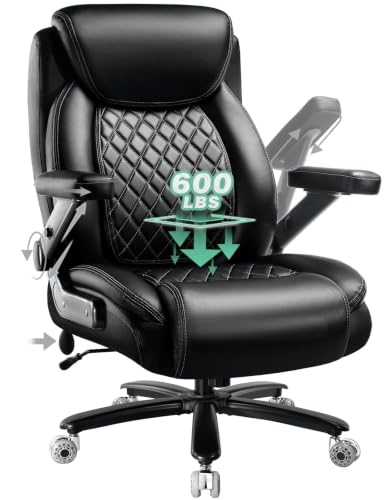


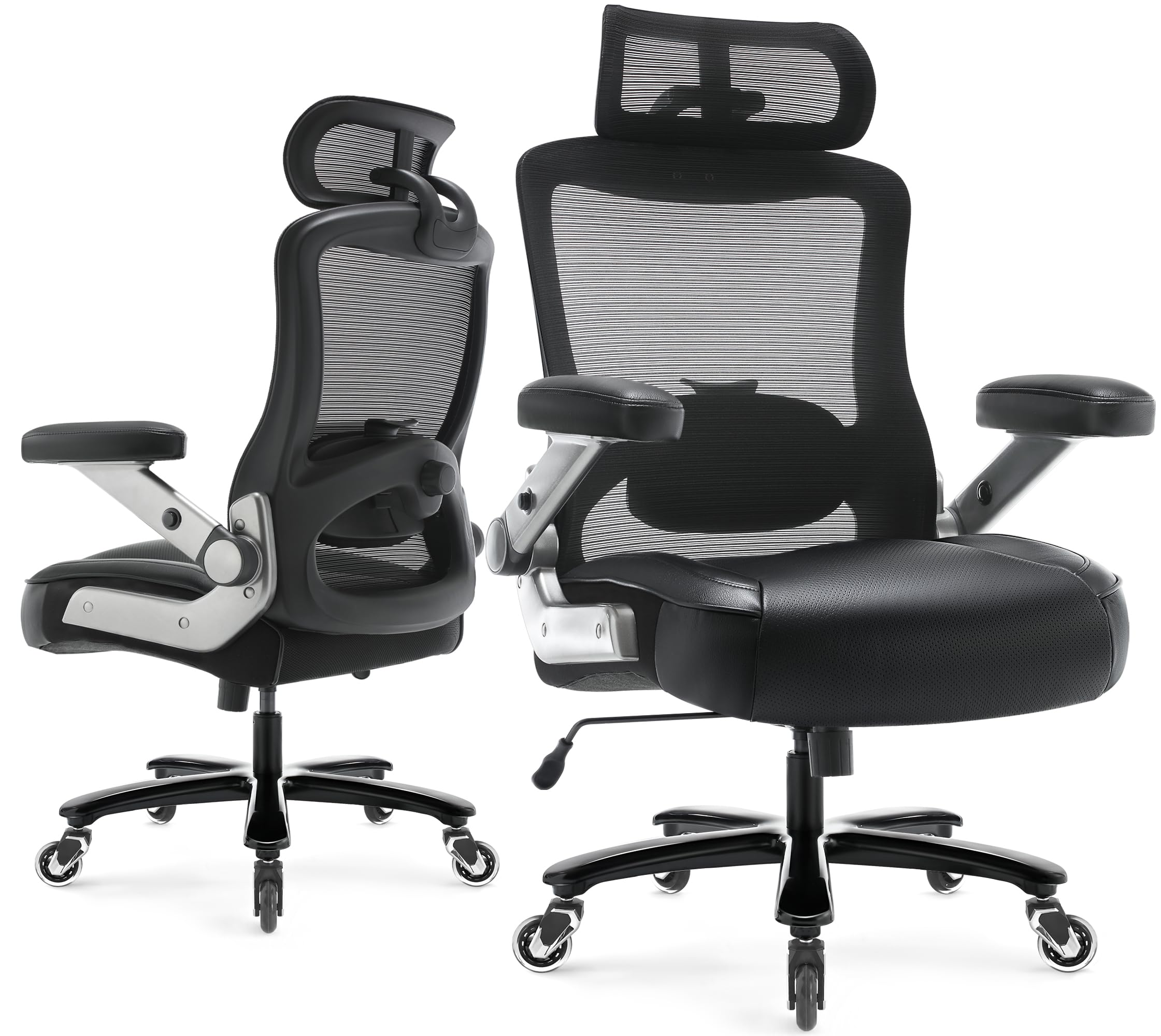

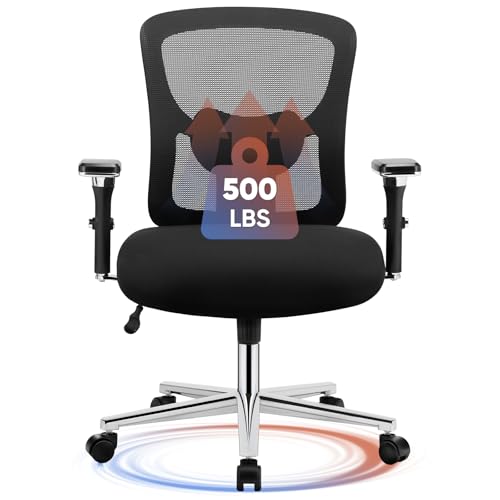
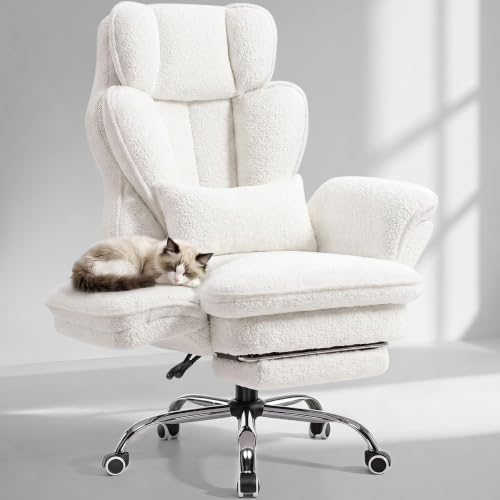
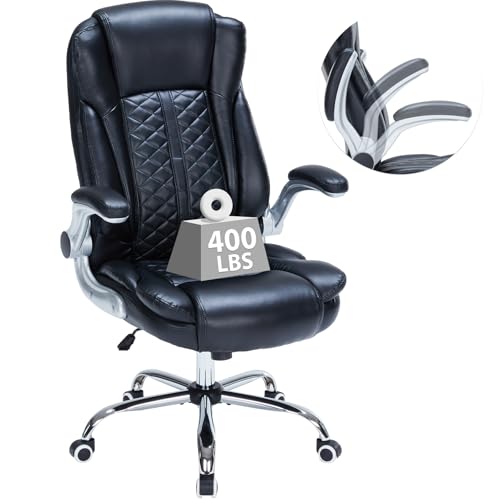
Who Should Buy Which Chairs?
Your routine decides which tradeoffs make sense, so start by naming where the chair will live and how long you will sit in it each day. Focused work needs steady posture support, while leisure use can lean toward a softer cushion and a deeper recline. Keep leg length, torso height, and frame width in view for every group below.
For People Who Want the Best Performance
If you sit for long stretches, prioritize a tall back, firm cushioning, and adjustments you can fine tune without tools. Look for lumbar support that moves up and down, because a pad fixed at average height will press in the wrong place on a long torso. Armrests should rise high enough that your shoulders stay relaxed. If your long sessions include play as well as work, see our guide to the best gaming chairs for tall guys for notes on recline and headrest reach.
For Value Seekers
Value for a tall buyer means paying for fit first and skipping extras that do not change comfort, such as decorative stitching or oversized pillows. A solid mid priced chair with a seat that rises to about 21 or 22 inches, a weight capacity with room to spare, and a simple tilt lock often outlasts a cheaper model with a thin cushion. If most of your hours are at a desk, see our guide to the best office chairs for tall guys for more on balancing price with daily support.
For Gift Shoppers
A chair is a personal fit item, so a gift works best when you quietly gather the recipients height and any complaints about a current chair before you order. Choose a model with a generous return window and adjustments that forgive small measuring errors. For a tall recipient who spends weekends outside, see our guide to the best camp chairs for tall guys, where a higher seat also makes standing up far easier. Keep the receipt until the recipient tries the chair at home.
Key Features to Compare
Size, Dimensions, and Weight Capacity
Seat height is the first number to check, because it decides whether your feet rest flat with your knees near level with your hips. Many tall adults do best with a seat that adjusts up to about 20 to 23 inches, while standard models often top out lower and force a crouched posture. A seat depth of about 19 to 22 inches supports long thighs while leaving a small gap behind your knees. Check weight capacity against your weight plus a margin, and confirm seat width leaves room for your hips. Readers with both height and breadth to accommodate can see our guide to the best office chairs for big and tall guys for added notes on frame strength.
Ergonomics and Adjustability
Good ergonomic design lets the chair adapt to your body instead of forcing your body to adapt to the chair. Lumbar support should sit in the curve of your lower back, so height adjustable support matters more for tall users than a fixed pad or a loose pillow. A tilt lock lets you hold a slight recline for reading or calls, while tilt tension controls how much effort that recline takes. Adjustable armrests should support your forearms without raising your shoulders, and the headrest should meet the back of your head rather than your neck. If you notice persistent numbness in your legs, sharp back pain, or swelling that does not fade after you stand, talk with your clinician about your personal needs.
Features That Matter for Tall Guys
Tall proportions change details that average sized buyers can ignore, starting with back height, because a back that ends at your shoulder blades leaves your upper back unsupported. Look for a mesh back option if you run warm, since mesh lets air move and reduces heat buildup during long sits. A waterfall style front edge helps blood flow in long legs by avoiding a hard ridge under your thighs. Check that the base is wide and stable, because a higher seat raises your center of gravity when you lean or reach. That is why the best chairs for tall guys listings worth your time always state back height and lift range clearly.
Assembly and Delivery
Most chairs in this category arrive flat packed in one large box, so measure your doorway and stair turns before the delivery day. Assembly usually takes about 30 to 60 minutes with the included tool, and a second person makes attaching the back much easier at tall sizes. Keep every bolt loosely started until all parts align, then tighten in stages so the frame sits square. Save spare bolts and the instruction sheet for later tightening and warranty questions.
Materials and Upholstery
Upholstery changes both comfort and upkeep, and each option suits a different routine. Mesh breathes well and holds its shape, but a very flexible mesh seat can let a heavier tall frame sink toward the frame edges. High density foam under fabric gives a firmer and more even seat, and fabric grips clothing so you slide forward less. PU leather wipes clean in seconds, yet it can feel warm in summer and may crack sooner in dry rooms. Metal frames feel sturdier than thin MDF panels, so check frame material for daily use.
How to Measure Your Space and Desk Before Ordering
Measure your desk height from the floor to the underside of the desk top, because that clearance decides how high your armrests and knees can go. Note any drawer unit or support bar that cuts into knee space. Mark the chairs footprint on the floor with tape and confirm you can roll back and stand without striking a wall. Compact and space saving models suit tight rooms, but confirm a smaller footprint did not come from a shorter seat.
Next, measure yourself while wearing your usual shoes. Note the distance from the floor to the crease behind your knee, from that crease to your back, and from a seat to the top of your shoulders. Those numbers map directly to seat height, seat depth, and back height in the product table above.
Matching Chair Style to Your Daily Routine
Desk work rewards an upright posture, a moderate recline range, and armrests that slide under the desk when you sit close. If your desk hours are spent typing and on calls, see our guide to the best computer chairs for tall guys for notes on armrest clearance and monitor height pairing. Reading and media time rewards a deeper recline, while work at a drafting height desk needs an even taller lift and a foot ring.
Common Mistakes to Avoid When Buying Chairs
- Choosing by price alone, because a low priced chair with a short seat leaves long thighs unsupported and gets replaced sooner.
- Skipping seat height and depth checks, because a chair that tops out too low forces your knees up and strains your hips.
- Ignoring weight capacity, because running near the limit makes the lift sink and the frame creak long before its time.
- Buying a back that is too short, because support that ends below your shoulder blades leaves your neck and shoulders to do the work.
- Forgetting desk clearance, because tall armrests that cannot slide under the desk push you to sit too far from your keyboard.
- Skipping the warranty terms, because lift and caster coverage matters more for tall and heavy users than fabric coverage does.
How to Make Your Chair Last Longer
Adjust the seat height so your feet rest flat, then set the back and armrests once, because constant fiddling wears adjustment parts faster. Tighten the bolts every few months, especially under the seat where tall users place more leverage on the frame. Vacuum fabric and mesh upholstery regularly to remove grit, and wipe PU leather with a damp cloth instead of strong cleaners. Roll casters over a mat on hard floors and lift the chair over thresholds instead of dragging it.
Watch for early signs of wear so small fixes stay small. A lift that slowly sinks usually needs replacement before it damages the base, and a caster that stops rolling will gouge floors if you keep forcing it. Keep the chair out of direct sun, because steady heat dries leather surfaces and fades fabric.
Chairs: Your Questions Answered
What features matter most in chairs for tall guys?
Seat height, seat depth, and back height matter most, because they decide whether your legs, torso, and shoulders all get support at once. One extra check is a trial sit with your usual footwear, since shoe height changes your knee angle more than most buyers expect. Spend at least fifteen minutes seated before deciding during any return window. A chair that feels right at first can still pinch behind the knees later.
Is an expensive chair for tall guys worth the extra cost?
An expensive chair is worth it when the added cost buys replaceable parts, a stronger frame, and a longer warranty rather than styling alone. Premium models often let you swap a worn lift, caster, or arm pad years later, which spreads the cost over a longer life. Budget models can still serve light daily use well, especially for a guest room. Compare cost against your seated hours per week, because heavy daily use repays durability fastest.
How long should a chair for tall guys last?
A well built chair used daily should last about seven to ten years, with casters and arm pads usually wearing out first. Lifespan drops when the chair runs close to its weight capacity every day, because the lift and seat foam take constant strain. Rotating between two chairs, if you have that option, rests the foam and extends cushion life. Replace a chair when the frame flexes, the lift will not hold height, or the seat feels hard against the base.
How do you choose the right chair size for a tall guy?
Choose size by matching your own seated measurements to the listing, starting with the distance from the floor to the crease behind your knee. A practical extra step is to check your inseam, because longer inseams usually need the deeper end of the seat depth range. If you fall between two sizes, pick the one with the wider adjustment range rather than the larger fixed frame. That range leaves room for different shoes and desks.
What features matter most in chairs for tall guys during long hours?
For long hours, steady lumbar support, a firm seat that resists bottoming out, and a tilt lock that holds a slight recline matter most. Add one habit the feature lists cannot provide, and stand or walk briefly each hour, because no chair fully offsets a motionless day. If your shoulders ache by evening, raise the armrests slightly before blaming the back, since low armrests are a common hidden cause.
Final Thoughts
Start with fit, confirm seat height, seat depth, and back height against your own measurements, and then let your routine decide the extras. Use the product table above to compare weight capacity, materials, and adjustment ranges before you spend. When those basics line up, best chairs for tall guys shopping becomes a short and confident decision rather than a gamble. Pick the chair that supports your longest typical day.