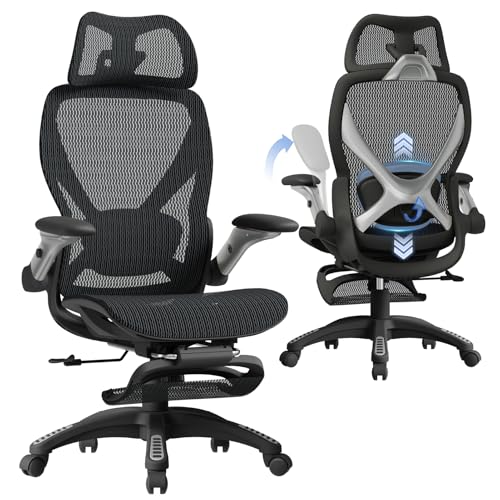
Best Chairs for Studying by Budget for 2026: Comfort for Long Sessions
Disclosure: We may earn a commission when you buy through links on this page, at no extra cost to you. As an Amazon Associate I earn from qualifying purchases. Learn more
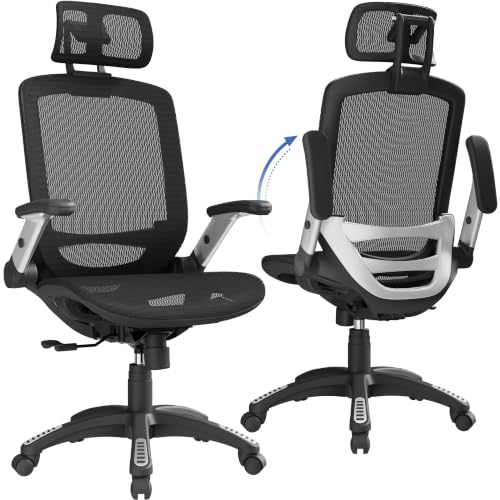
Compare study chair types, back support, cushioning, and price tiers so you can pick a chair that stays comfortable through long reading and writing sessions.
Choosing the best chairs for studying starts with a simple question: how long do you usually sit, and what kind of work fills that time? The comparison table below shows the main chair types side by side, and this guide explains which features help you stay focused instead of shifting around.
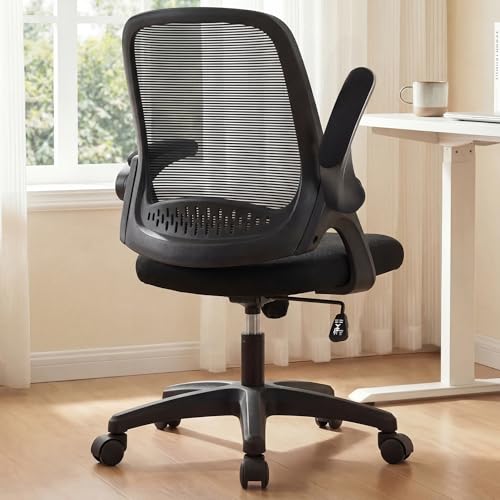
Study sessions mix reading, typing, note taking, and sometimes video calls, so a good study chair must support an upright posture without feeling rigid. Seat depth, back shape, and arm position all affect whether you can reach a desk comfortably and keep your shoulders relaxed for an hour or more.
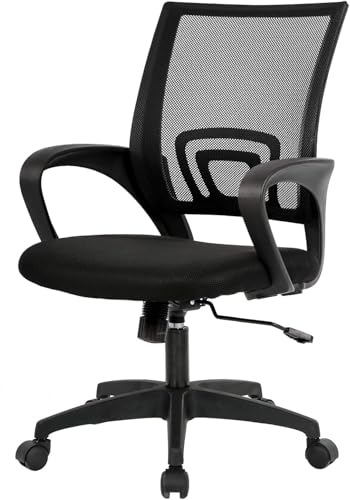
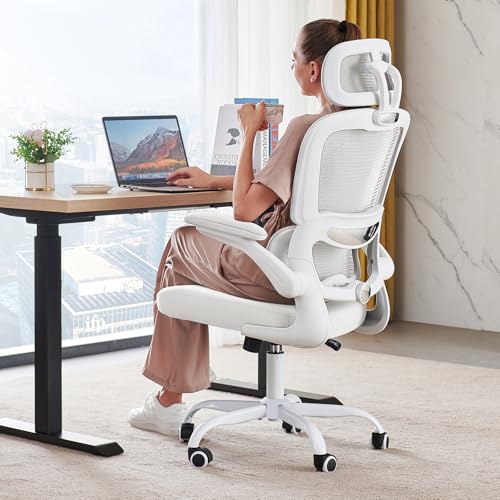
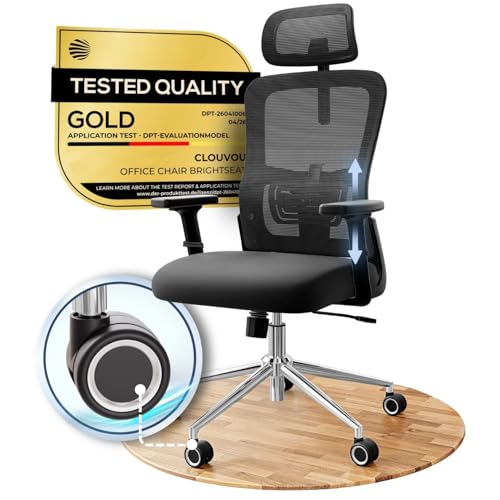
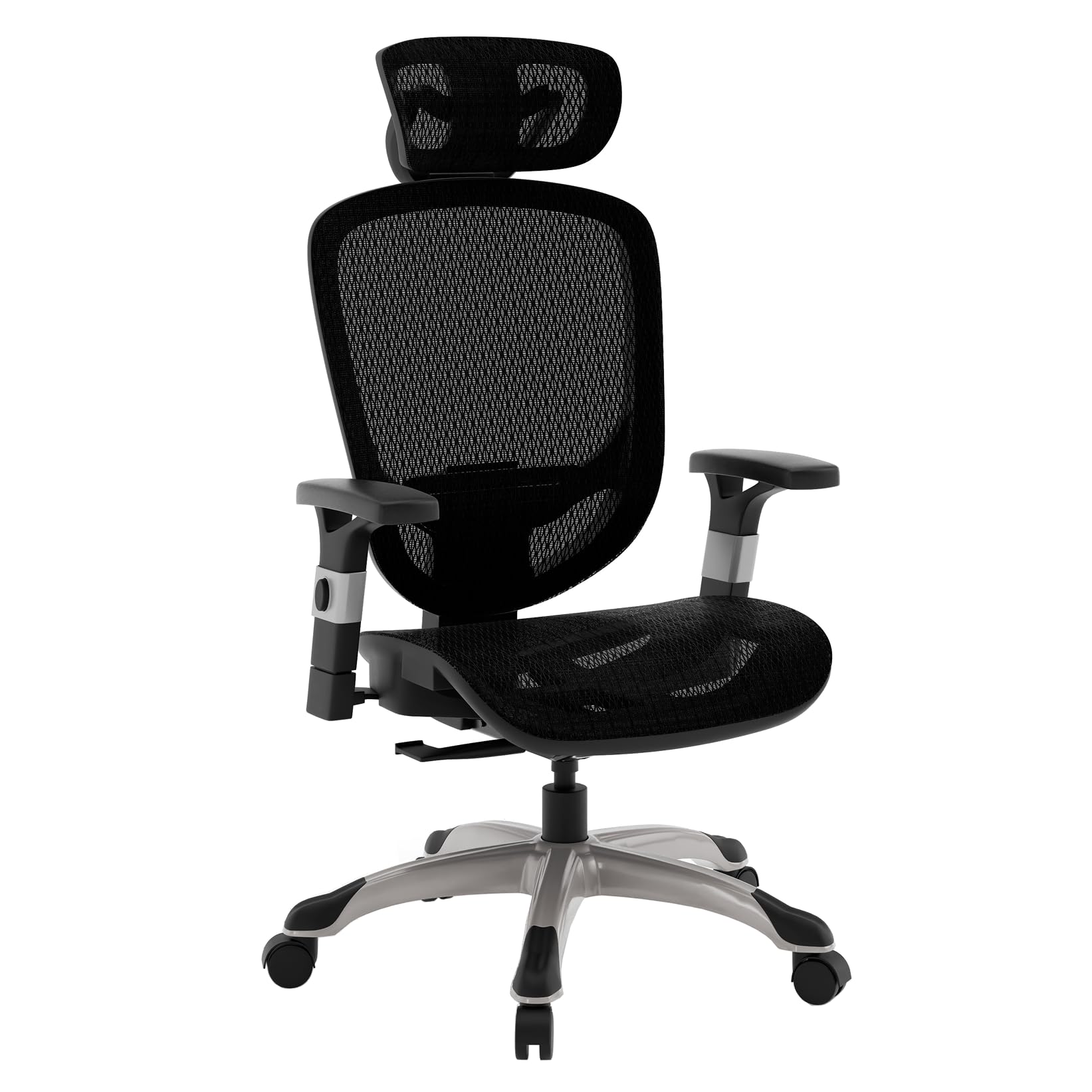
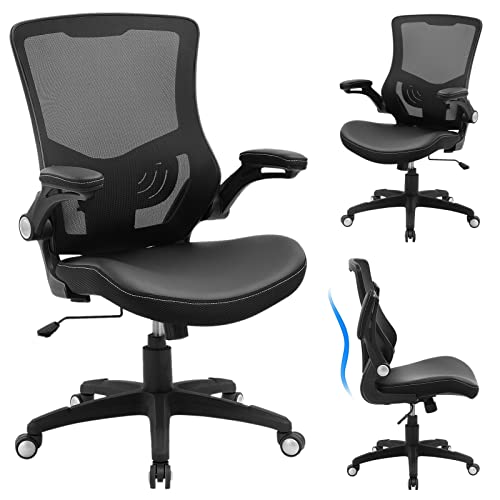
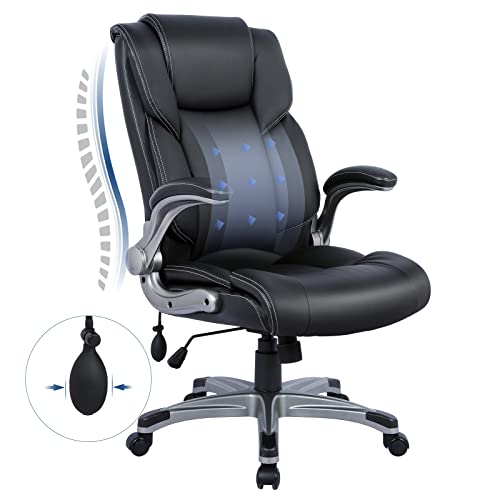

Who Needs a Dedicated Study Chair?
Students With Long Study Blocks
If you study in blocks of two hours or more, a chair with steady lower back support and a seat that keeps its shape will serve you better than a soft dining chair. Look for a back that supports you while you lean slightly forward over notes, and arms that do not push your elbows out wide. A chair that encourages small posture changes, such as a gentle tilt, can also help during a long study day.
Readers and Note Takers
Readers often lean back with a book or a tablet, then lean forward to write. A chair with a back that follows that movement, plus a seat deep enough to support the thighs, suits this rhythm. If you read with your feet tucked up, check that the seat edge is rounded rather than sharp, so it does not press into the back of your legs.
Learners in Small Rooms and Shared Spaces
In a dorm room or a shared apartment, a study chair must fit the desk, leave room to move, and store neatly when not in use. A compact base, a slimmer back, and casters that roll smoothly on your floor type all matter here. Measure the desk height and the space behind the chair before you buy, so the chair can slide in and out without scraping walls or furniture. For desk focused shapes in small rooms, see our guide to the best desk chairs for studying.
What You Get at Different Price Points
Study chairs cover a wide price range, and the cheapest option is not always the worst value. The levels below describe what each range commonly offers, so you can spend on the features that affect comfort most.
Lower Price Point: Straightforward Seating
At about $70 to $160, expect a simple frame, basic foam, and a few adjustments such as seat height. Chairs at this level suit shorter study sessions or a tight budget, especially if the seat shape already fits you well. You may miss adjustable lumbar support or a breathable mesh back, but a sturdy basic chair beats a stylish chair with a sagging seat.
Middle Price Point: Stronger Support for Daily Use
At about $160 to $400, chairs usually add denser cushioning, adjustable arms, a tilt mechanism, and better lumbar support. This range fits daily study use, because the adjustments let you fine tune the fit to your desk and your height. Pay attention to how easy the levers are to reach, since an adjustment you never use adds no comfort.
Upper Price Point: Refined Fit and Durable Parts
At about $400 to $800, you may find wider size options, higher grade mesh or fabric, smoother tilt motion, and frames built for years of daily use. This level makes sense when you study for many hours each day or need a specific fit that cheaper chairs do not offer. Avoid paying extra for executive styling alone if it does not improve the way the chair supports your back.
Features Worth Paying For and Ones to Skip
Features That Matter for Studying
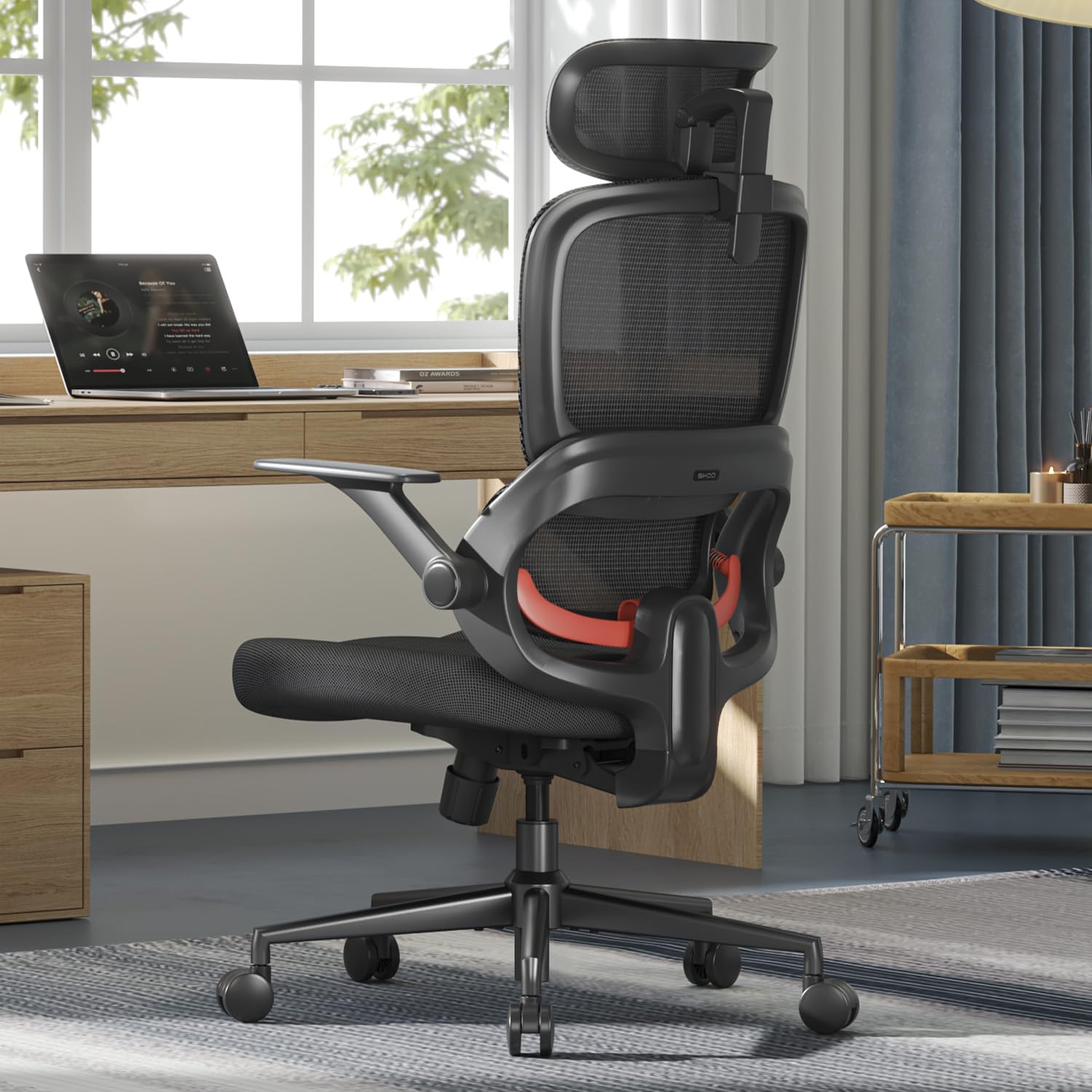
Studying demands a chair that supports an upright trunk, keeps the feet grounded, and lets the arms rest near desk height. A seat height range that matches your desk, a back with clear lower back support, and a seat depth that fits your thigh length are the three numbers to check first. Everything else, from headrests to fancy stitching, is secondary to those three fits.
Ergonomics and Adjustability
Useful adjustments include seat height, arm height, and a tilt lock that holds the back where you want it. Armrests that move in height help you type without raising your shoulders, while a tilt lock stops the chair from rocking when you lean forward to write. Skip complex controls that sit out of reach, because you will set them once and never touch them again. Task style shapes with these adjustments are compared in our guide to the best office task chairs.
Comfort and Cushioning
Foam density decides whether a seat stays supportive after months of use. High density foam feels firmer at first but usually holds its shape longer than very soft foam. A waterfall seat edge, where the front of the seat curves gently downward, reduces pressure behind the knees during long sessions. If you often feel restless, a slightly springy seat may suit you better than a very firm slab. For advice aimed at very long sessions, see our guide to the best chairs for studying long hours.
Build Quality and Frame
A strong frame and a reliable gas lift keep the chair safe and steady over time. Steel frames and a sturdy five point base generally handle daily use better than a light plastic base. Check the stated weight capacity and compare it with your own weight plus anything you habitually carry in your lap, such as books or a laptop bag. Well built options at several price points are also covered in our guide to the best quality chairs.
Materials and Upholstery
Mesh backs breathe well in warm rooms and suit long sessions, while fabric seats feel warmer and quieter. Smooth synthetic leather wipes clean easily but can feel warm after an hour, so it suits cooler rooms or shorter sessions. Solid wood or engineered wood frames suit a classic study look, but they usually offer less adjustment than a modern task chair frame.
Choosing Chairs for Your Situation
Best Ergonomic Chairs for Studying: Where Your Money Goes
Ergonomic study chairs focus on fit: adjustable lumbar support, a seat that matches your thigh length, and arms that support typing without lifting the shoulders. Spend first on those adjustments, then on cushion quality. A chair that fits poorly but looks technical will not help you focus, while a well adjusted simpler chair often feels better after a full study day.
Best Reading Chairs for Studying: Where Your Money Goes
Reading chairs for study differ because they support a more relaxed posture with a book in hand. Look for a slightly reclined back, a supportive head area, and arms wide enough to rest a book or an elbow. A footrest can help during long reading sessions, but it should not force your knees higher than your hips. Keep a reading light at a comfortable angle so you do not hunch toward the page.
Setting Up Your Study Space Around the Chair
A chair works best when the desk, the light, and the screen all suit the same posture. Set the desk height so your forearms rest near level while you type, and place the screen so the top of the display sits near eye level. If the desk is too high, a footrest can help, but a chair height that forces your shoulders upward will still cause strain. Keep books, chargers, and notes within arm reach so you do not twist repeatedly during a session.
Lighting also affects how long you can study comfortably. A lamp that lights the desk without glaring on the screen reduces squinting and leaning forward. Place the lamp on the opposite side from your writing hand to cut shadows on the page. Finally, leave a clear path behind the chair so you can stand, stretch, and return without squeezing past furniture, because easy movement makes regular breaks far more likely.
Long Term Costs to Factor In
Beyond the purchase price, think about casters, cushion covers, and repairs. Hard floor casters differ from carpet casters, and replacing worn casters is cheaper than replacing a whole chair. Washable covers protect against coffee spills during late study nights, and a frame warranty can save a costly repair if a gas lift fails. Add these small costs to the price before you compare two chairs.
Frequently Asked Questions
What features matter most in chairs for studying?
The features that matter most are seat height that matches your desk, lower back support that follows your spine, and a seat depth that supports your thighs without pressing behind your knees. Adjustable arms help if you type for long periods, and a tilt lock keeps the back steady while you write. Breathable material matters in warm rooms, while a sturdy base matters on any floor. Choose fit first, then comfort extras, and skip features you will not adjust.
How long should a good study chair last?
A study chair used daily often lasts about five to eight years, depending on frame quality, foam density, and caster wear. Foam that flattens in the middle, a gas lift that slowly sinks, or a base that wobbles are common signs of wear. Tightening bolts, cleaning the upholstery, and replacing casters when they drag can extend its life. Replace the chair if the frame cracks, the seat tilts unevenly, or the lift no longer holds its height.
What features matter most for studying for long hours?
For long hours, dense foam that keeps its shape, a back that supports the lower spine, and arms that let the shoulders rest are the top priorities. A seat edge that curves downward reduces pressure behind the knees, and a mesh back can keep you cooler than a sealed surface. Take short breaks to stand, stretch, and walk, especially if you notice stiffness, numbness, or aching that does not ease after a break. A chair cannot replace movement during a very long study day.
Is an expensive study chair worth it?
An expensive study chair is worth it when it buys a better fit, longer lasting foam, or adjustments you will use every day. If you study for several hours daily, a precise fit and durable parts can justify the higher price over several years. For occasional use, a simpler chair with the right seat height may serve just as well. Compare the product table above with your desk height and your usual session length before you decide where to spend.
How do I choose the right size study chair?
Measure your seated knee height, hip width, and thigh length, then compare those figures with the chair seat height, seat width, and seat depth. Your feet should rest flat on the floor, your knees should sit near a right angle, and a small gap should remain behind each knee. Check the desk clearance too, so the chair arms slide under the desk if you want them to. A quick sit test, even on a similar chair, can confirm measurements that look correct on paper.
The Bottom Line
Fit, support, and durability decide whether a study chair helps or hinders your work. Start with seat height, seat depth, and lower back support, then weigh cushion quality and build strength against your budget and your daily study time. Use the product table above to narrow the types, and test your shortlist against your desk and your room. The best chairs for studying are the ones that let you forget about the chair and focus on the work in front of you.