
Best Chairs for Small Front Porch: Types Compared and How to Choose for 2026
Disclosure: We may earn a commission when you buy through links on this page, at no extra cost to you. As an Amazon Associate I earn from qualifying purchases. Learn more

Compare folding, rocking, and lounge chair types for a tight porch, and learn how to choose the best chairs for small front porch comfort that lasts.
A small front porch gives you very little room for error. A chair that looks perfect online can block your front door swing, crowd the walkway to your steps, or leave no space for a small side table and a morning coffee. That is why choosing the best chairs for small front porch seating starts with the type of chair, not the color or the cushion pattern.
This guide compares the main chair types side by side, explains where each one shines and where it struggles, and walks through the measurements and materials that matter on a compact porch. Use the comparison table below to narrow your shortlist, then read on for the sizing and comfort details that photos alone never show.
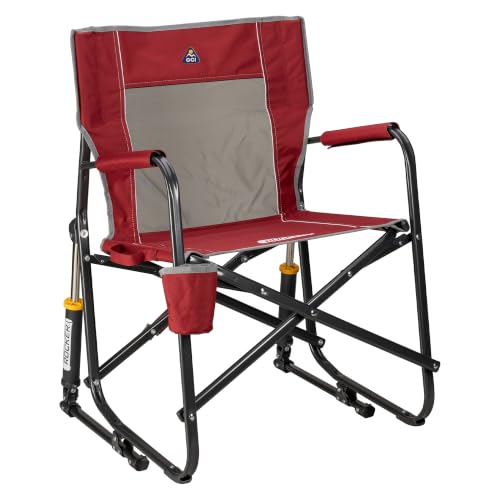
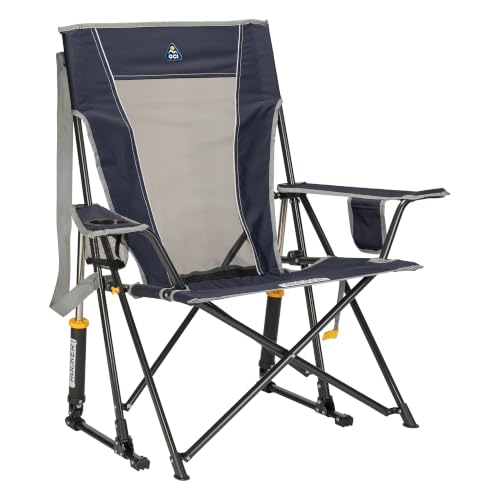
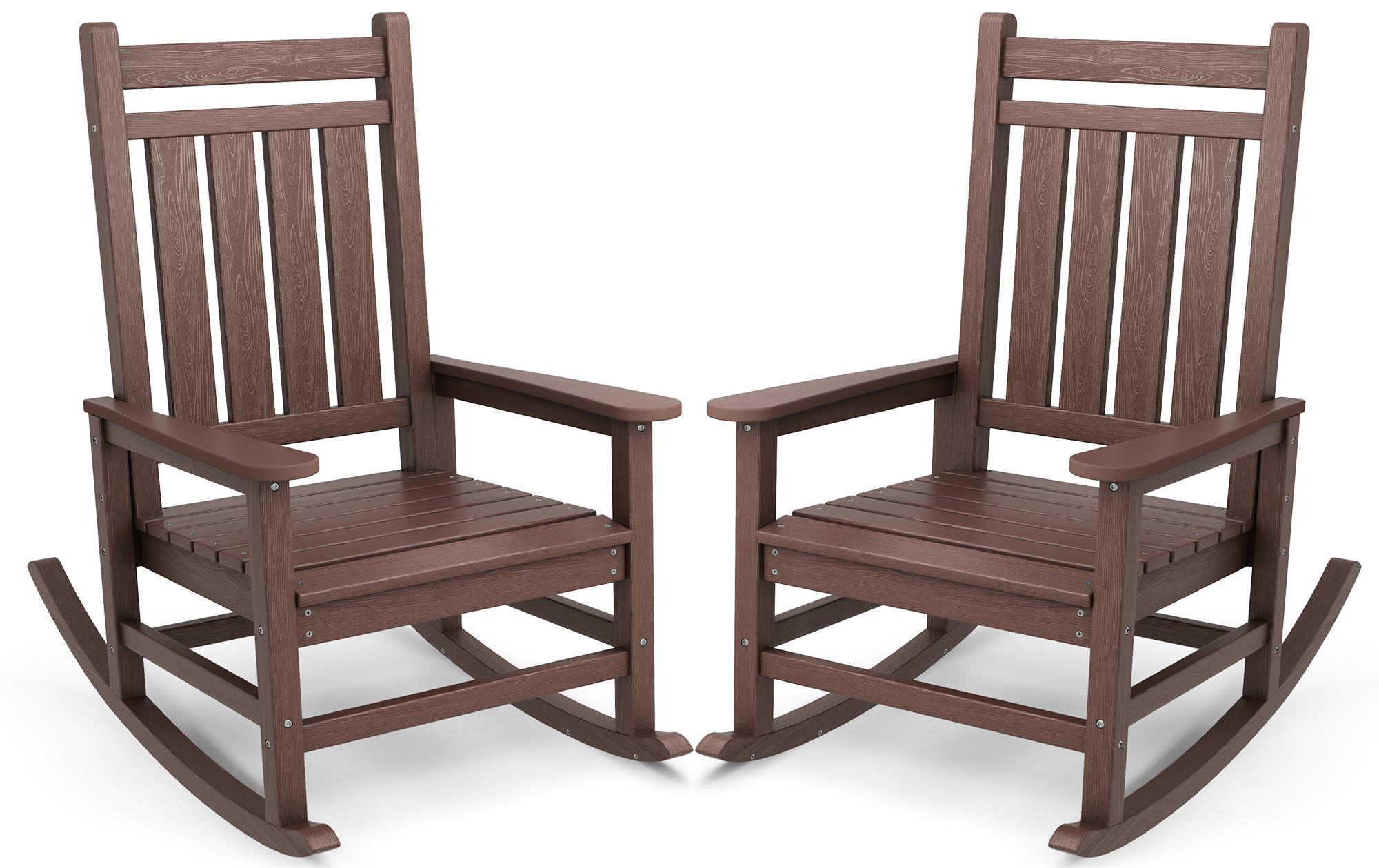
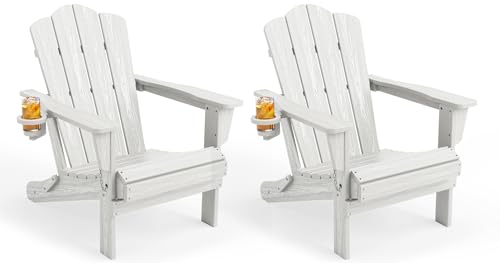
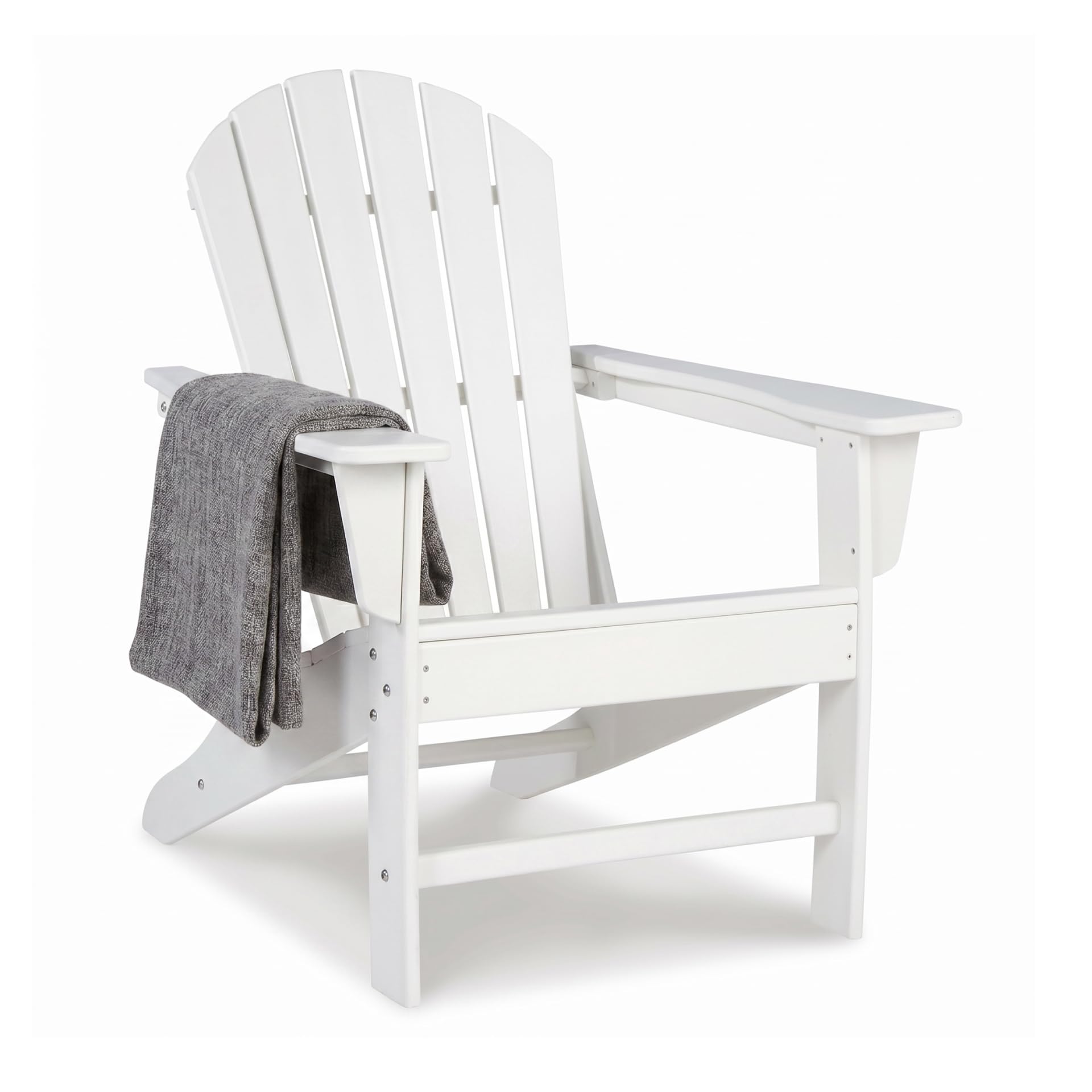
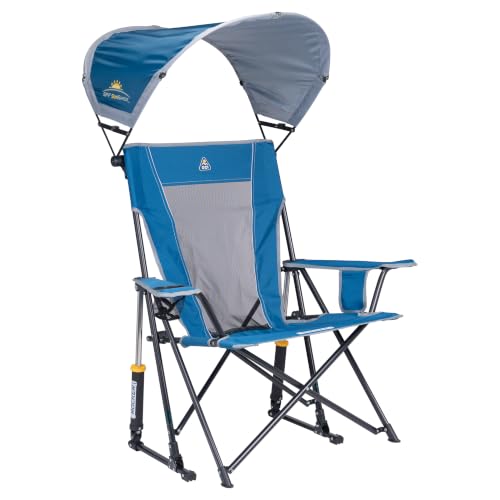

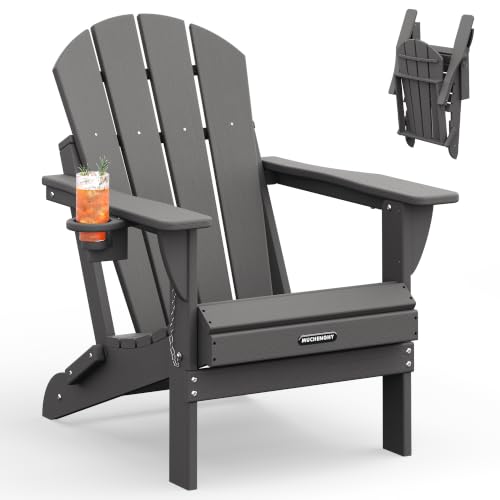
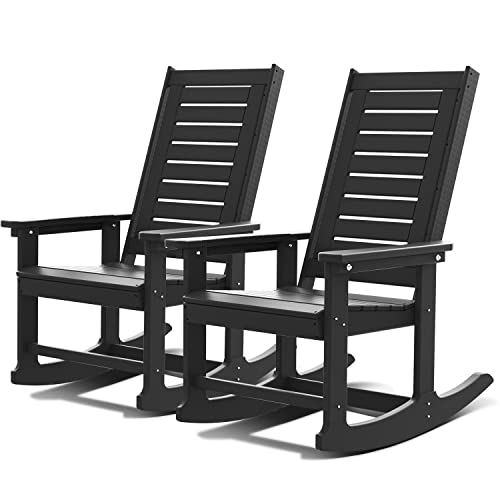
Types of Chairs for a Small Porch Compared
Porch chairs fall into a few clear families, and each family behaves differently once space gets tight. Folding chairs disappear when you need the floor back, rocking chairs trade floor space for motion, and scaled down lounge chairs trade motion for deep, relaxed sitting. If you are also furnishing a larger entry, our guide to the best front porch chairs covers full size options in more depth.
Folding and Bistro Style Chairs
Folding chairs and small bistro sets are the most forgiving choice for a truly tiny porch. Most have a footprint of roughly 16 to 20 inches in each direction, so a pair plus a small round table can fit on a porch as narrow as 4 feet deep. When guests leave or winter arrives, they fold flat and hang on a wall hook or slide into a closet, which no other chair type can match.
The trade off is comfort over long stretches. Seats tend to be narrow, backs are upright, and thin frames can feel wobbly on uneven porch boards. They suit short morning coffees, quick chats with neighbors, and porches that double as a pass through to the front door. If you plan to sit for an hour with a book, look at the next two types instead.
Compact Rocking Chairs
A rocking chair is the classic porch image, but a traditional rocker needs far more floor than most people expect. The runners extend well beyond the seat, and you need clear space in front and behind so the chair never taps the house wall or the railing. Compact models shorten the runners and narrow the frame, bringing the total footprint down to about 26 to 32 inches deep while keeping the gentle motion that makes rockers so relaxing.
Before you commit, measure the full arc of the rock, not just the chair sitting still. Leave at least 6 inches of clearance behind the runners and more in front if the porch edge or steps are close. For a deeper look at runner shapes and sizes, see our guide to the best front porch rocking chairs. Rockers reward patient measuring with the most inviting seat on the porch.
Scaled Down Lounge and Adirondack Style Chairs
Full size Adirondack chairs are wide, low, and deep, which is exactly what a small porch cannot spare. Scaled down versions keep the slanted back and wide armrests but trim the width to around 26 to 30 inches and shorten the seat depth, so two of them can share a modest porch without swallowing it. The low seat gives a laid back feel that suits long evening conversations.
That low seat is also the main drawback. Sitting down and standing up takes more effort, which matters if anyone in the household has sore knees or limited mobility. Wide armrests also eat into the space between chairs, leaving little room for a shared table. Choose this type when relaxation matters more than easy entry and exit, and when your porch is wide even if it is shallow.
Folding Chairs vs Rocking Chairs: Which Should You Choose?
These two types cover most small porches, so it helps to compare them directly. On footprint, folding chairs win easily, since they need no clearance for motion and store flat. On comfort, the rocker wins, because its curved seat and moving base support longer sitting with less fidgeting. On durability, a well built rocker in solid wood or heavy resin usually outlasts a thin folding frame, though it costs more and weighs far more when you move it.
Weather handling splits the difference. Folding chairs can come indoors during storms, which protects joints and fabric, while a rocker lives outside year round and needs a material that tolerates rain and sun. Guest flexibility favors folding chairs too, since you can set out two extra seats in a minute. Pick the rocker if the porch is your daily retreat and you have the measured clearance. Pick folding chairs if the porch is narrow, shared with foot traffic, or used only now and then.
How to Choose the Right Chair for a Small Porch
Once you know your type, the details below decide whether the chair actually works day to day. Shoppers hunting for the best chairs for small front porch setups usually get the type right and the details wrong, so work through each factor before you order.
Measure Your Porch Before You Shop
Start with three numbers: the depth of the porch from the house wall to the railing or edge, the clear width where chairs will sit, and the swing path of your front door and screen door. A chair that fits the floor but blocks the door arc will annoy you every single day. Keep a walkway of at least 24 to 30 inches between the chairs and the railing so people can pass with groceries or a stroller.
Tape the chair footprint on the porch floor with painter tape before ordering, including the extra room a rocker needs. Sit in a dining chair inside that taped outline to feel the space. The same measuring habit helps indoors too, and our guide to the best small chairs shows how footprint planning works for tight rooms as well.
Choose Materials That Handle Your Weather
Porch chairs live outside, so material decides both lifespan and upkeep. Recycled plastic lumber shrugs off rain, never needs painting, and stays heavy enough to resist wind, though it costs more up front. Powder coated steel and aluminum resist rust well, and aluminum stays light enough to move often, which suits renters and anyone who stores chairs for winter.
Natural wood looks warm and classic, but it asks for sealing or oiling on a regular schedule, and soft woods can splinter if left bare. Resin wicker gives the traditional look with less upkeep, yet thin strands can crack after years of strong sun. Match the material to your climate honestly: a porch with full afternoon sun and driving rain will punish delicate finishes, while a covered, shaded porch is kind to almost anything.
Comfort in a Small Footprint
Small chairs often cut comfort in quiet ways. Check the seat height first: around 17 to 19 inches feels natural for most adults and makes standing up easier than a low lounge seat. Seat depth matters too, since a very deep seat pushes shorter sitters forward so their feet dangle, while a shallow seat can feel perched. If you like cushions, confirm the chair has room for one without sliding, and choose outdoor fabric that dries fast after rain.
Armrests deserve a second look on a small porch. Slim arms add real comfort for reading and holding a drink, but wide arms add inches to the total width and can crowd a pair of chairs together. Contoured backs and a slight recline angle support longer sitting better than a perfectly straight back, even without any padding at all.
Weight Capacity and Sturdy Construction
Check the stated weight capacity for every chair, and treat it as a real limit rather than a rough guess. Most porch chairs are rated around 250 to 350 pounds, and compact models sometimes rate lower, so confirm the number covers the largest person who will use the chair regularly, with some margin to spare. A chair that flexes or creaks under normal use will only get worse with time.
Construction details tell you how honest that rating is. Look for joints that are bolted or screwed rather than only glued, cross braces between the legs, and feet that sit flat without rocking on a level floor. On folding chairs, test the locking mechanism in your mind as you read: it should click firmly into place and resist folding again until you release it on purpose.
Style and Color That Fit the House
A small porch sits right against your front door, so the chairs act as part of the house facade. Matching the chair color to your trim or door color makes the space look planned, while a bold contrasting color turns one or two chairs into a deliberate focal point. Dark colors hide pollen and dust between cleanings, and light colors show dirt sooner but keep the porch feeling open and bright.
Style coherence matters more than matching exactly. A pair of simple chairs in the same finish looks calmer than three mismatched singles, and calm reads as larger on a tight porch. If you are weighing looks across several porch styles, our overview of the best porch chairs shows how different designs pair with common house styles.
Setup and Care Tips for Porch Chairs
Assembly on most porch chairs takes under an hour with basic tools. Work on a flat surface, leave every bolt slightly loose until all parts connect, then tighten in a crisscross pattern so the frame pulls together evenly and sits without wobbling. Set the finished chair on the porch and sit down gently the first time, listening for creaks that signal a loose joint worth another quarter turn.
Care stays simple when it is regular. Wipe frames down every few weeks to remove pollen and grit before it grinds into the finish, and wash cushions according to their tags, letting them dry fully in the sun before storing them. Tighten bolts and screws every few months, since outdoor temperature swings slowly work hardware loose. In harsh winters, store folding chairs indoors and cover fixed chairs with a breathable cover so moisture never stays trapped against the surface.
Frequently Asked Questions
What size chair fits a small front porch best?
Most small porches work best with chairs under 30 inches wide and under 32 inches deep, including any room a rocker needs to move. Leave at least 24 inches of clear walkway in front of the chairs. Taping the footprint on the floor before ordering is the surest test, because listed dimensions rarely include cushions or the chair at its widest angle.
How long should good porch chairs last outside?
Good porch chairs should last about five to ten years outside, depending on material and exposure. Recycled plastic and well kept hardwood sit at the long end of that range, while thin steel frames in salty or very wet air may rust sooner. A covered porch can nearly double the life of cushions and finishes, since most damage comes from direct sun and standing water rather than normal sitting.
Can two chairs and a table fit on a very small porch?
Yes, two chairs and a table fit on most small porches if you choose compact pieces and arrange them along one wall. A bistro set needs roughly a 5 by 3 foot area, and placing the table between the chairs rather than in front saves depth. Corner arrangements also work well, since angling chairs toward each other uses space that a straight row wastes.
Are rocking chairs safe on a small porch with steps nearby?
Rocking chairs are safe on a small porch when the runners stay well clear of the edge and the steps. Position the chair so the full rocking arc ends at least a foot from any drop off, and keep the area behind it clear of planters and shoes that could catch a runner. Households with toddlers should also mind small fingers near the runners while the chair is moving.
What porch chair material needs the least upkeep?
Recycled plastic lumber needs the least upkeep of any porch chair material. It never needs paint, stain, or sealant, and a wash with soapy water once or twice a year removes most grime. Powder coated aluminum runs a close second, needing only a quick rinse and an occasional check for chips in the coating where rust could start.
Final Thoughts
The right choice comes down to three things: a footprint your porch can honestly hold, a material matched to your weather, and a seat height and depth that fit the people using it. Folding chairs win on flexibility, compact rockers win on daily comfort, and scaled down lounge chairs win on slow evenings. Compare your measurements against the product table above, and the best chairs for small front porch pick for your home will usually be obvious. Prices and availability can change, so check the product page before ordering.

