
Best Chairs for Programmers 2026: Matching the Right Model to Your Routine
Disclosure: We may earn a commission when you buy through links on this page, at no extra cost to you. As an Amazon Associate I earn from qualifying purchases. Learn more

Not all chairs fit every routine. See which best chairs for programmers match how you actually use them, what features to prioritize, and what to skip.
No single chair suits every programmer, because your routine shapes what your body needs. A developer who codes in focused blocks all day and leans toward the screen while debugging puts different demands on a seat than someone who splits time between calls and short coding sessions. The best chairs for programmers match your hours, your desk, and the way you sit, and the comparison table below helps you compare types on those terms.
Start with how long you sit without standing, then look at support, sizing, and cooling. A chair that feels fine for twenty minutes can leave your legs numb after four hours of typing. The sections below sort buyers by routine first, so you can narrow the field before weighing individual features.



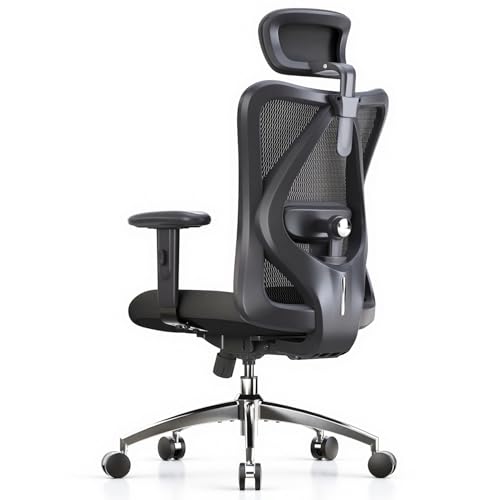
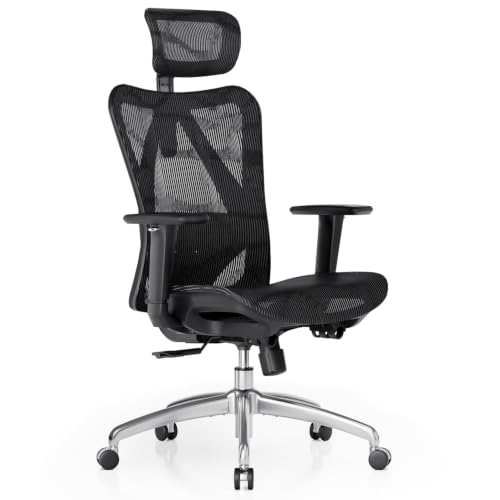
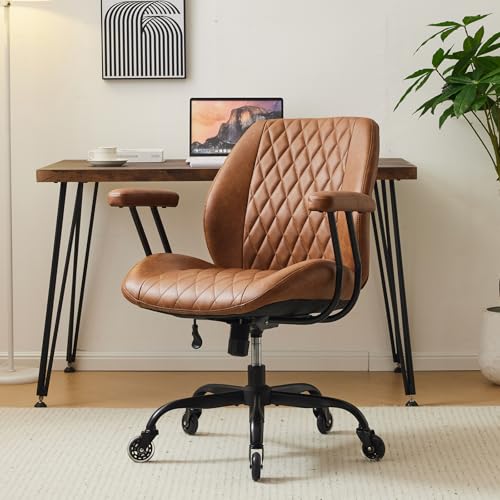


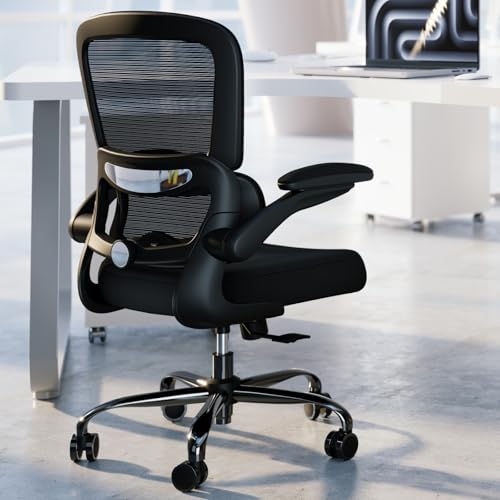
Who Should Buy Which Chairs for Programmers?
Your daily pattern is the best filter. Start with the group that sounds most like your week.
Value Seekers Who Code Full Days on a Budget
Budget models about $150 to $300 can serve you well if they get the basics right: adjustable seat height, a lumbar pad you can move, and armrests that rise and lower. Skip decorative extras and put the money toward a firm seat and a sturdy base. If durability is your main worry at this price, see our guide to the best quality chairs for what solid construction looks like. A simple chair adjusted correctly beats a loaded chair left in one position.
Performance Focused Programmers Who Sit the Longest
If you regularly sit for eight hours or more, small adjustments add up over a week. Look for lumbar support you can fine tune, armrests that move in several directions, and a tilt you can lock at more than one angle, so you can shift between upright typing and a slight recline while you think. Spending about $300 to $600 often buys smoother adjustments and stronger parts. For a narrower work focus, see our guide to the best office chairs for programmers.
First Time Buyers Setting Up a Home Desk
Your first proper chair should be easy to size and forgiving to adjust. Choose a midsize seat, clear instructions, and controls you can reach while seated, so you actually use them. Avoid very large executive styles in a small space, since a wide back and long seat can push you too far from your keyboard. Live with a model that covers the core adjustments for a few weeks, and note what still bothers you before spending more.
Matching a Chair to Your Coding Desk Setup
Best Desk Chairs for Programmers
The desk side of this choice is about fit at the workstation. Your seat height should let your elbows rest near desk level while your feet stay flat, and the chair should be narrow enough that you can pull close without the armrests hitting the desk edge. Compact task styles suit small rooms. If that describes your setup, see our guide to the best office task chairs for chairs built around a desk first routine.
Best Computer Chairs for Programmers: What to Prioritize
The computer side is about what happens during screen time itself. You need a backrest that supports you upright and leaned slightly forward, because programmers often drift toward the monitor while debugging. Arm support matters for mouse and keyboard work, and a seat edge that does not press into your thighs helps during long sessions. For a closely related shortlist, see our guide to the best chairs for computer programmers.
Key Features to Compare
Compare these factors in order. Fit and support come first, because comfort features cannot rescue a chair that is the wrong size for your body or desk, and that order is what separates the best chairs for programmers from chairs that merely look supportive.
Adjustments That Matter During Long Coding Sessions
Ergonomic adjustment is how a chair adapts to your posture instead of forcing one posture on you. Seat height should adjust across roughly 16 to 21 inches, lumbar support should move or change depth so it meets the curve of your lower back, and a tilt lock should hold the backrest at your chosen angle. Armrests that adjust for height help your shoulders stay relaxed while you type. If you notice persistent numbness in your legs, sharp back pain, or neck pain that keeps returning after careful adjustment, talk with your clinician about your personal needs.
Cushioning for Hours of Focused Screen Work
Cushioning decides how the last hour of a session feels, not the first. High density foam holds its shape and spreads pressure across the seat, while soft, thin foam can bottom out and leave you sitting on the hard base below. Seat depth matters just as much: sit back fully with a small gap behind your knees. Programmers who shift position often usually do better with a flatter, firmer seat than a deeply shaped one that locks them in place.
Features That Matter for Programmers
Programming creates specific demands that general office advice can miss. You type for long stretches, so armrest height must match your desk closely or your shoulders climb all day. You lean in to read code, so the backrest should support you without pushing your head forward. You also sit still while thinking, so a mesh back that lets air move can limit heat buildup. Finally, choose a weight capacity comfortably above your own weight, since a chair used near its limit tends to wobble and wear faster.
What Unboxing and Building Your Desk Chair Involves
Most chairs in this category arrive in a large box and need basic assembly, often about 20 to 40 minutes with the included tool. The base, lift, seat, back, and armrests usually bolt together in that order, and a second person helps hold the back steady. Check the box weight and doorway width before ordering, and keep the packaging until you have confirmed every control works, since returns are far simpler with the original box.
Common Mistakes to Avoid When Buying Chairs
Most regrets come from skipping a measurement, not from choosing the wrong style.
- Buying on price alone, so you end up replacing a weak chair within a year and paying twice.
- Ignoring lumbar adjustment, so your lower back aches through every long coding session.
- Ordering a seat that is too deep for your legs, so the front edge presses behind your knees and cuts circulation.
- Skipping the weight capacity and warranty check, so you have no cover when the lift or base wears early.
- Choosing thick padded upholstery for a warm room, so heat builds up and you fidget instead of focusing.
Chair Upkeep for Daily Desk Use
Small habits protect the parts that wear first. Tighten the bolts under the seat and at the armrests every few months, because daily movement loosens them and a loose joint strains the ones beside it. Vacuum mesh and fabric with a soft brush, wipe smooth surfaces with a damp cloth, and clear hair and grit from the casters so they roll instead of dragging.
Use the chair within its design as well. Sit down rather than dropping into the seat, keep your weight centered instead of perching on one armrest, and roll rather than twisting the chair while your feet are planted. If a caster or lift starts to fail, replace that part promptly, because a chair that leans or sinks changes your posture every day it stays in use.
Chairs for Programmers: Your Questions Answered
What features matter most in chairs for programmers who code all day?
Adjustable lumbar support, the right seat depth, and armrests that match your desk height matter most for all day coding. Together they keep your back supported, your legs comfortable, and your shoulders relaxed while you type. One point buyers often miss is the return window: choose a seller that gives you a couple of weeks at your own desk, because a full work week reveals fit problems a quick showroom sit never will.
How long should a good chair for a programmer last?
A good chair for a programmer should last about five to eight years of daily use. The foam and the lift usually age first, so a seat that slowly sinks or a cushion that stays flattened after you stand is an early sign of decline. You can extend that life by choosing a model with replaceable casters and arm pads, since those parts take heavy wear and are cheaper to swap than the whole chair.
How do I choose the right chair size for my body and desk?
Choose chair size by measuring your desk height and your lower leg length before you order. Your lower leg measurement, taken seated with feet flat, should fall within the seat height range of the chair, and the seat width should leave a little room at each hip. Also measure under your desk: the top of the armrests at typing height must clear the desktop, or you will sit too far from your keyboard.
Is an expensive chair worth it for a programmer?
An expensive chair is worth it for a programmer only when the extra money buys adjustments and parts quality you will actually use. Finer lumbar control, smoother tilt, and a stronger base pay off across thousands of sitting hours, while decorative finishes add nothing. A useful test is cost per year: a chair at about $500 that lasts seven years costs less per year than a chair at about $200 replaced every two years.
How can programmers reduce heat and restlessness during long coding sessions?
Programmers can reduce heat and restlessness by choosing a breathable back and building small position changes into the session. A mesh back lets air pass where a solid padded back traps warmth, and unlocking the tilt for short stretches lets you rock slightly while you read. Set a simple cue, such as standing each time a build finishes, so movement happens without breaking your train of thought for long.
The Bottom Line
Match the chair to your routine first, then confirm the fit: lumbar support you can position, a seat depth that suits your legs, and armrests that meet your desk at the right height. Those three checks narrow the field more honestly than any feature list. Look back at the product table above and judge the best chairs for programmers by how you truly work, hour after hour, not by how a chair looks in a photo.

