
Best Chairs for Computer Programmers 2026: Everything to Know Before Your First Purchase
Disclosure: We may earn a commission when you buy through links on this page, at no extra cost to you. As an Amazon Associate I earn from qualifying purchases. Learn more

A first time buyer guide to best chairs for computer programmers, explaining seat fit, lumbar support, armrests, materials, sizing, setup, and mistakes to avoid.
Buying your first real desk chair feels oddly hard, because every listing uses the same words and the prices run from pocket money to rent money. The best chairs for computer programmers are not a secret category; they are ordinary chairs whose parts hold up through long, still, screen focused days. This guide explains those parts in plain English, then shows you how to choose among them.
One limit first: a chair supports sitting comfort during long screen hours. It does not correct posture or treat pain, and movement breaks remain the larger half of staying comfortable at a desk. What a good chair does is keep its shape and support through unbroken coding sessions, and the comparison table below shows the options side by side while you learn the terms. Every section below is written for the best chairs for computer programmers, so you can jump to the part that matches your situation.

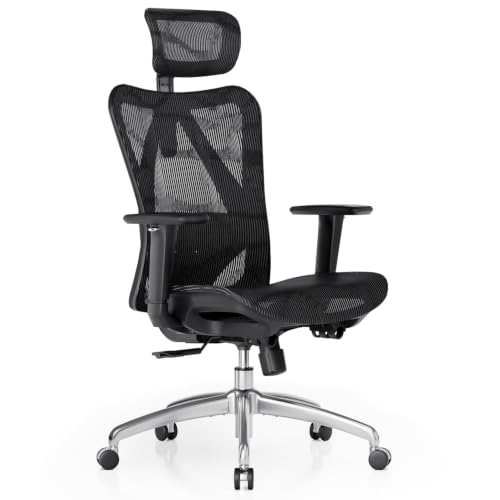
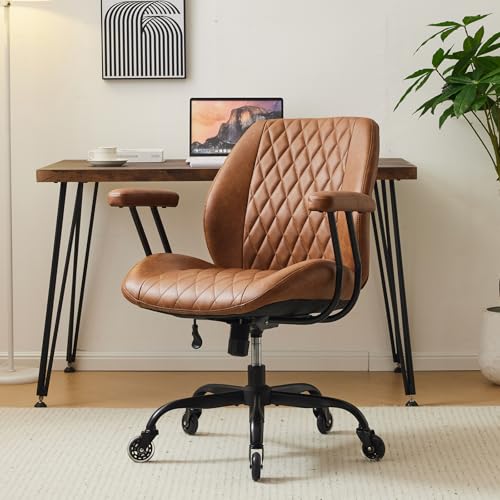


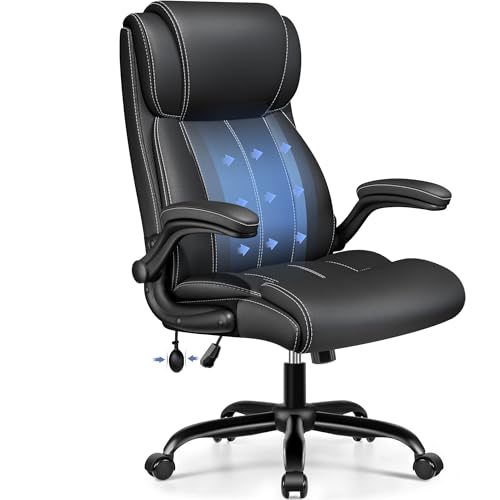
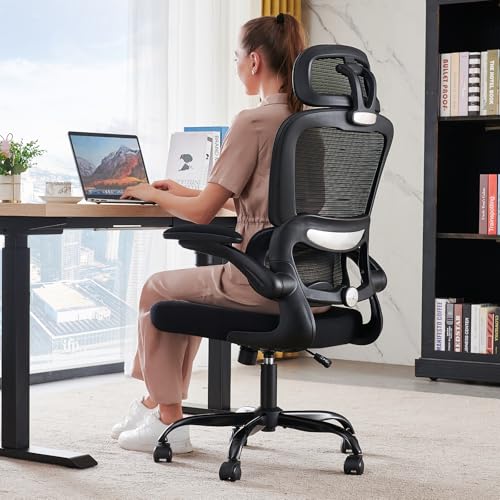
Chairs 101: The Basics
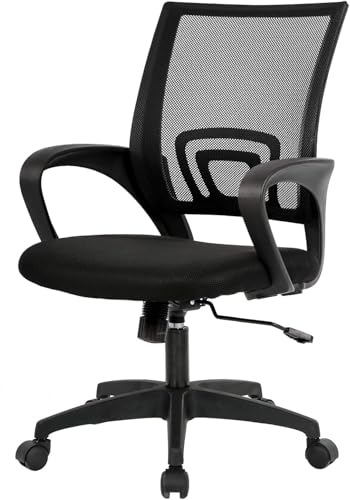
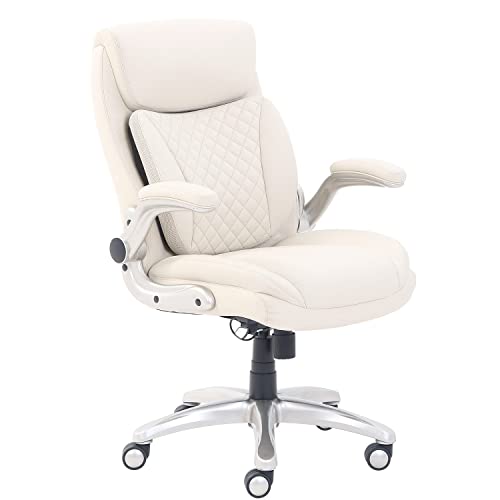
A desk chair has six parts that decide how it feels. The seat is the cushion you sit on, the backrest supports your back, and the lumbar pad fills the curve of your lower back. Armrests carry your elbows, the gas lift sets the seat height, and the base with its caster wheels keeps the whole chair stable and mobile.
If you have also browsed guides to best chairs for programmers, the parts are the same; the difference is how long each part has to perform in a day. A chair that feels fine for twenty minutes of email can feel very different at hour four of a debugging session. One boundary before the specs: pain that persists belongs to a clinician, not to a chair upgrade.
Key Specs Explained in Plain English
Features That Matter for Computer Programmers
Programming means long unbroken sessions, often two to four hours without standing, and that session length is what your chair must survive. Cushion foam that feels soft in a showroom can compress flat by mid afternoon, so firmness that reads as slightly hard at first often serves a coder better. Your elbows also rest at keyboard height for hours, which makes armrest range a daily comfort factor rather than a luxury extra.
Seat Height, Seat Depth, and Lumbar Support
Seat height usually adjusts across about 16 to 21 inches, and the right setting leaves your feet flat with your knees near a right angle. Seat depth should leave a small gap behind your knees so the edge does not press into your legs. Roundups of best computer chairs for posture rank these same adjustments, and the honest reading is that a chair supports your sitting; it does not correct your posture.
Armrests and Recline
Armrests should adjust in height at minimum, and width or pivot adjustment helps when your desk is narrow or your shoulders are broad. Recline with a tilt lock lets you lean back to read code or think through a problem without leaving the chair. Deep recline is marketed hardest in guides to best computer chairs for gamers, and programmers who review code in a leaned back pose can use the same range.
Materials and Upholstery
Mesh backs breathe during long sessions and keep their shape well, while foam seats in fabric covers feel softer and warmer. Smooth synthetic covers wipe clean but can feel sticky in a warm room. For a first purchase, a mesh back with a foam seat is the common middle ground, balancing airflow against cushioning where your weight actually rests.
Size, Dimensions, and Weight Capacity
Measure your desk height and the space the chair must roll in before you order, and check the doorway width if the chair ships assembled in a large box. Every listing states a weight capacity, often somewhere around 250 to 300 pounds; choose a rating comfortably above your own weight. Taller buyers should confirm the backrest height and the top of the seat height range, since standard chairs run out of both.
Assembly and Room Fit
Most chairs assemble with the included tool in roughly 15 to 30 minutes, and the base, lift, and seat join in a fixed order that the printed steps spell out. A chair in a neutral fabric also ages better in a home office than a racing style shell.
Rookie Mistakes to Avoid When Buying Chairs for Computer Programmers
- Buying by looks alone, then discovering the seat depth fights your legs every day.
- Paying for a tall racing style backrest when your work is upright typing, not leaning back.
- Skipping the weight capacity line and finding the lift sinks slowly under you.
- Setting the seat once and never adjusting it again after the first week.
- Ignoring the return window, even though fit can only be judged by real workdays.
Getting Started: Setup and First Use
Start with seat height: sit down, plant your feet flat, and raise or lower the seat until your knees sit near a right angle. Set the armrests so your elbows rest lightly with your shoulders down, then place your screen at eye level, using a stand or a stack of books if the monitor sits low.
Give the setup a full week before judging it, adjusting one setting at a time so you know what helped. After the first month, snug up the frame bolts once, since new chairs settle as their parts seat together.
Frequently Asked Questions
What features matter most in chairs for computer programmers?
Seat height range, lumbar support that lands in your curve, and a cushion that stays firm through long sessions matter most. One check first time buyers miss is armrest width against the desk: if the rests are wider than the gap between your desk legs or drawer unit, the chair cannot roll close enough to work. Measure that gap before ordering, not after assembly.
Is an expensive chair worth it for a first purchase?
It can be, but only after the basics fit. Spread across five years of daily use, a chair at about $400 costs well under a dollar a workday, while a chair at about $150 that you replace in two years costs about the same. Spend first on adjustment range and a stated warranty; treat style and extra padding as the last dollars, not the first.
How do I choose the right chair size?
Match three numbers: your thigh length to the seat depth, your lower leg length to the seat height range, and your weight to the capacity rating. Measure your thigh while seated, from your back to behind your knee, and wear your usual shoes for the leg measurement. If you land between sizes, the chair with the wider adjustment range is the safer first buy.
What features matter most for long coding hours?
Cushion endurance matters most, because foam that feels perfect in minute ten can feel thin by hour four. A firm seat that seems plain in a short check usually wins across a full session. Pair it with a break habit, standing every hour or so, since the chair handles support while the breaks handle the cost of staying still.
How long should a good chair last?
A decent first chair should last about four to six years of daily use. Arm pads and seat foam wear first, so models with replaceable pads stretch that life without a full replacement. A gas lift that begins sinking overnight is the clearest end of life signal, and on many chairs the lift alone can be swapped to buy more time.
Wrapping Up
For a first purchase, judge by seat fit, lumbar placement, and cushion endurance, in that order. Keep the product table above in view while you compare listings, and let measurements overrule marketing words at every step. Chosen that way, the best chairs for computer programmers for your desk is the chair you can sit in, adjust once, and then forget about while the code gets your full attention.


